Europe Faces Rising Threat of Megafires Amid Climate Change
A new report warns that megafires are becoming the new normal for Europe, with increasing frequency and severity due to climate change. Researchers call for urgent action to mitigate wildfire risks across the continent.
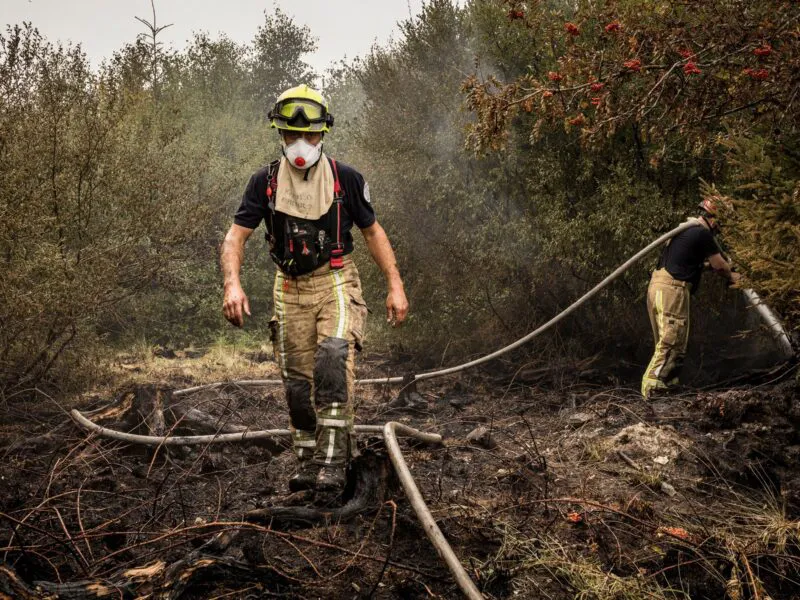
Europe is on the brink of a profound transformation in its environmental landscape, as rising temperatures and shifting weather patterns herald a new era of devastating wildfires, commonly referred to as 'megafires.' This alarming trend was highlighted in a recent risk assessment published by the Potsdam Institute for Climate Impact Research in the journal Global Change Biology. The findings suggest that the continent, traditionally characterized by its temperate climate, is now facing the grim reality of wildfires that could rage through even the wettest regions, including northern pine forests and peat bogs.
As countries like France, Spain, Italy, and even Belgium and the Netherlands grapple with unprecedented wildfire activity, researchers are sounding the alarm. The summer of 2026 has already witnessed catastrophic fires sweeping through various regions, resulting in the destruction of vast tracts of forest and endangering nearby towns and cities. According to Maik Billing, a researcher at the Potsdam Institute, the intensifying climate crisis is creating conditions that catalyze fire activity across Europe, with hotter, drier, and windier weather exacerbating the risks.
The Rising Tide of Megafires
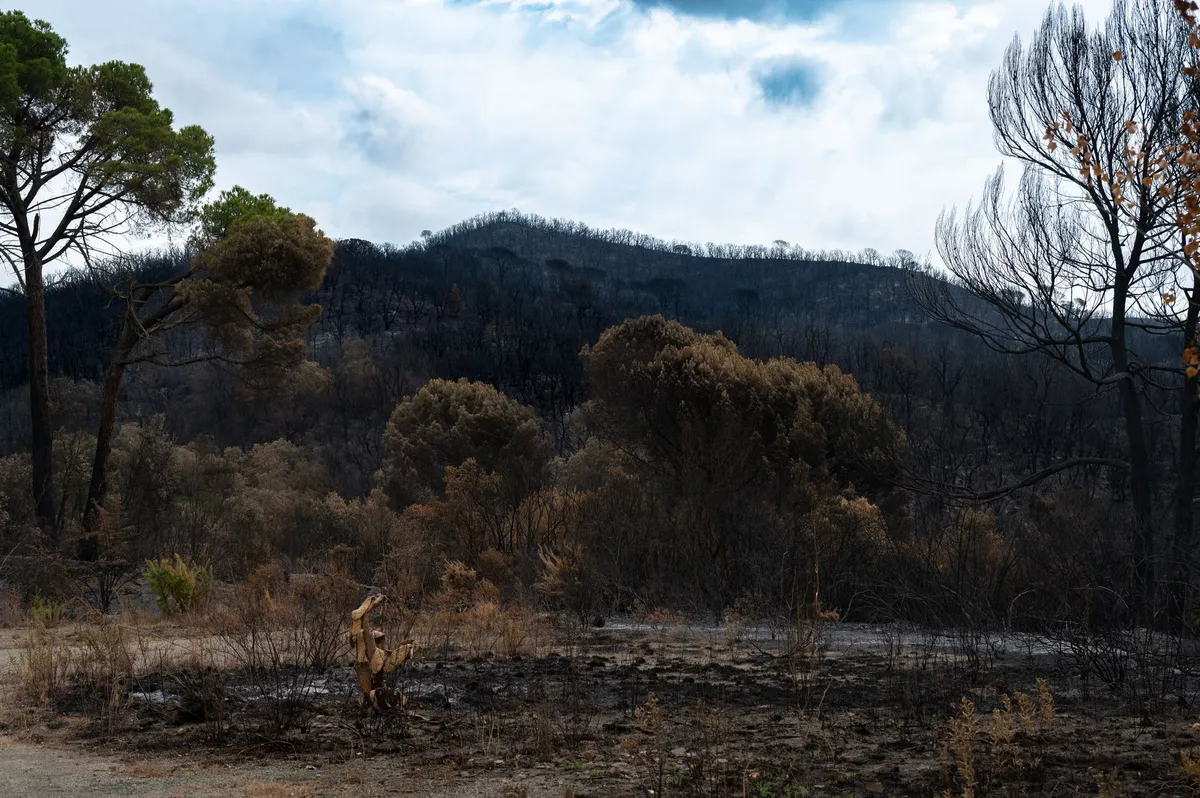
The report from the Potsdam Institute delineates a stark trajectory for wildfire activity in Europe, predicting an increase of up to 39% in wildfire occurrences if global temperatures rise by 1.8 degrees Celsius (3.24 degrees Fahrenheit) in the coming decades. This threshold is significant because many climate models are now projecting that the planet's warming could exceed this level, leading to more frequent and severe fires across the continent. Billing emphasizes that regions previously unacquainted with wildfires will likely become hotspots, particularly in the Mediterranean and much of Western and Central Europe.
Factors Driving the Increase in Wildfires
Understanding the multifaceted causes of this surge in wildfire activity is crucial. The researchers highlight a correlation between rising fire incidents and the abandonment of rural areas. As populations dwindle, fields become overgrown, shrubs become tangled, and underbrush thickens, creating ample fuel for wildfires. This phenomenon is not unique to Europe; it reflects a broader trend of urban migration and rural depopulation that is affecting many regions worldwide.
The Economic and Environmental Toll
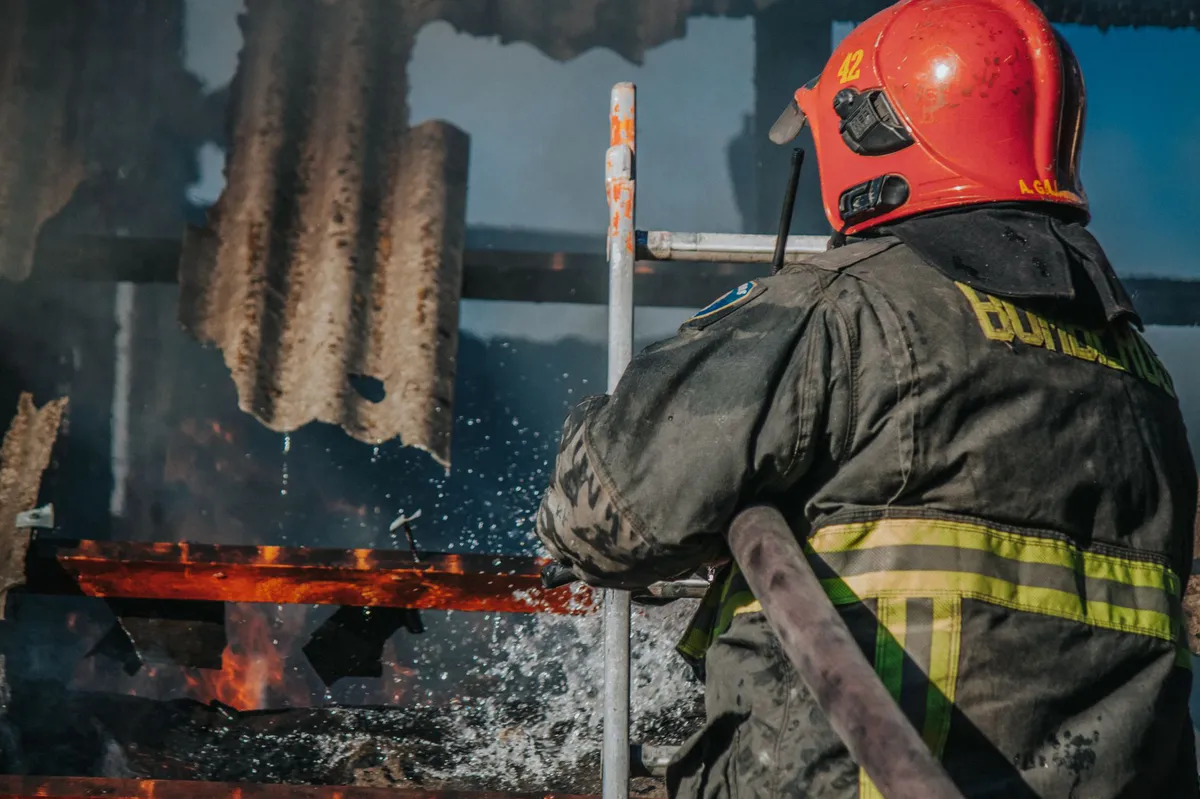
The economic ramifications of these megafires are staggering. In 2026 alone, more than 500,000 hectares (approximately 1.3 million acres) of land have burned across the European Union. With projections indicating that this year's devastation could match or exceed last year's record of 1.3 million hectares, the consequences extend far beyond immediate fire damage. The destruction of forests disrupts biodiversity, contributes to air pollution, and affects carbon sequestration efforts, further exacerbating the climate crisis.
Government Responses and Preparedness
In light of these alarming trends, European governments are taking steps to bolster their firefighting and prevention capabilities. The EU has ramped up investments in new firefighting aircraft and watercraft, alongside enhancing cross-border coordination among member states. This summer, over 700 firefighters were placed on standby for rapid deployment, a significant increase from just 200 firefighters five years ago. The urgency of these measures is underscored by the ongoing drought conditions and heat waves that have hit various parts of Europe, creating an ideal environment for wildfires.
Community Engagement and Individual Responsibility
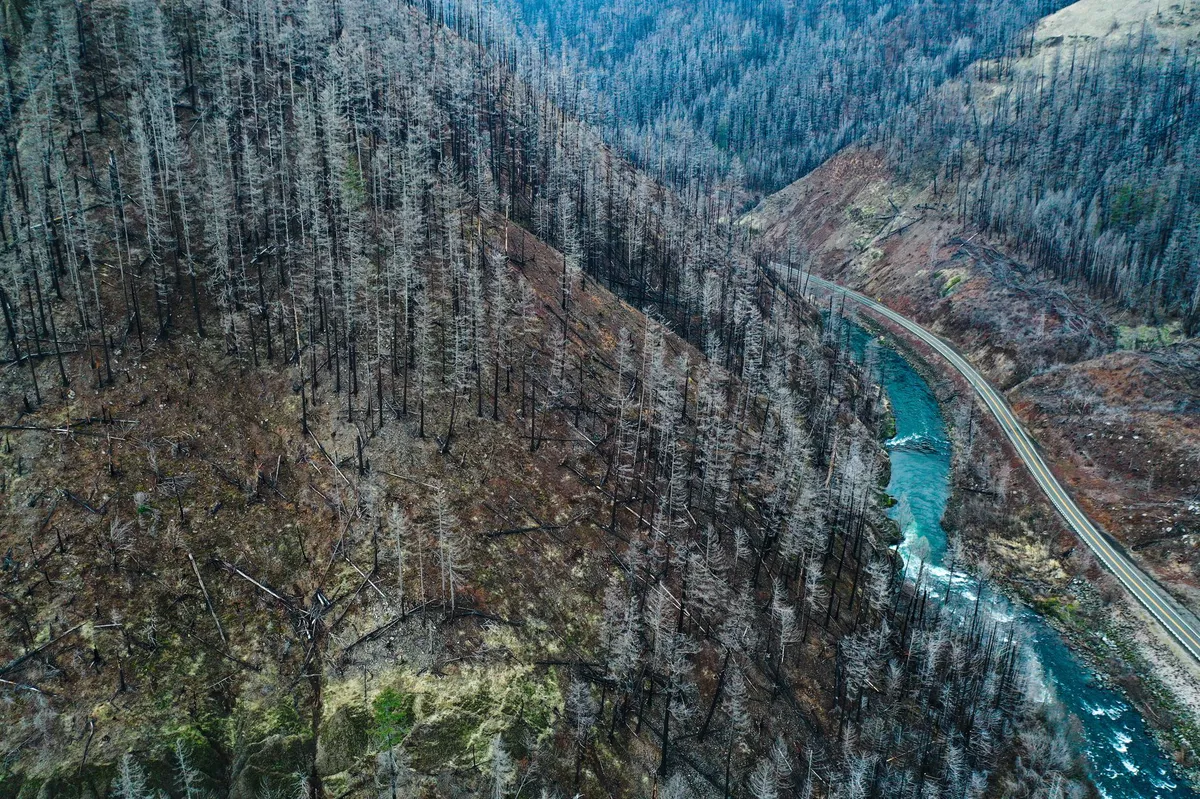
While government actions are essential, individual communities and citizens also play a crucial role in wildfire prevention and preparedness. Public awareness campaigns can educate residents in high-risk areas about the importance of firebreaks, vegetation management, and emergency evacuation plans. Local governments can facilitate workshops and training sessions to empower communities to develop their strategies for risk reduction.
- Clear vegetation: Homeowners should maintain a defensible space around their properties by clearing dead leaves, branches, and other flammable debris.
- Emergency plans: Families should create and practice emergency evacuation plans, ensuring all members know where to go and how to communicate during a crisis.
- Community resources: Engaging with local fire departments can provide valuable insights into specific risks and mitigation strategies tailored to the region.
Key Takeaways
- Europe is facing an increasing threat of megafires due to climate change, with predictions of up to 39% more wildfire activity.
- Rural depopulation is contributing to the growing wildfire risk as abandoned areas provide more fuel for fires.
- Governments are responding with increased investments in firefighting resources and cross-border coordination.
- Community engagement and individual preparedness are critical components in mitigating wildfire risks.
Frequently Asked Questions
What are megafires, and how do they differ from regular wildfires?
Megafires are defined as large, uncontrolled wildfires that can burn vast areas of land and are often much more intense than typical wildfires. They tend to occur under extreme weather conditions, such as prolonged drought and high winds, making them difficult to control and leading to significant ecological and economic damage.
How can individuals prepare for potential wildfires in their area?
Individuals can prepare for wildfires by creating defensible spaces around their homes, developing emergency evacuation plans with their families, and staying informed about local fire conditions. Engaging with community resources, such as fire departments, can also provide essential guidance on specific risks and mitigation strategies.
What role do climate change and environmental factors play in the increasing frequency of wildfires?
Climate change significantly impacts wildfire frequency by creating hotter, drier conditions that are conducive to fire activity. Factors such as prolonged drought, increased temperatures, and changing precipitation patterns contribute to the prevalence of wildfires, as do environmental changes like rural depopulation, which can leave vast areas overgrown and at risk.
What steps are governments taking to mitigate the wildfire crisis?
Governments across Europe are investing in firefighting resources, such as new aircraft and watercraft, and enhancing cross-border cooperation to facilitate rapid response. They are also implementing public awareness campaigns and encouraging community engagement to promote wildfire prevention and preparedness at the local level.
This article is for informational purposes only and does not constitute legal advice.
Comments
Navigating Probate: Essential Steps for Executors and Families
Probate can be a complex and lengthy process, but understanding how to navigate it can prevent delays, asset loss, and family conflict. This guide explores key elements of estate planning and administration, ensuring that families are prepared when a loved one passes away.
Related articles







Popular in Personal Injury
- Hawaii Supreme Court Overturns 36-Year-Old Rape Conviction Due to Forensic Flaws
- The Impact of Pro Bono Work by BigLaw Firms in 2025
- Albertsons Faces Trial Over Role in Washington's Opioid Crisis
- The Hidden Dangers of Open Manholes in New York City
- Historic $81 Million Verdict in Utah Pedestrian Wrongful Death Case