Navigating Probate: Essential Steps for Executors and Families
Probate can be a complex and lengthy process, but understanding how to navigate it can prevent delays, asset loss, and family conflict. This guide explores key elements of estate planning and administration, ensuring that families are prepared when a loved one passes away.
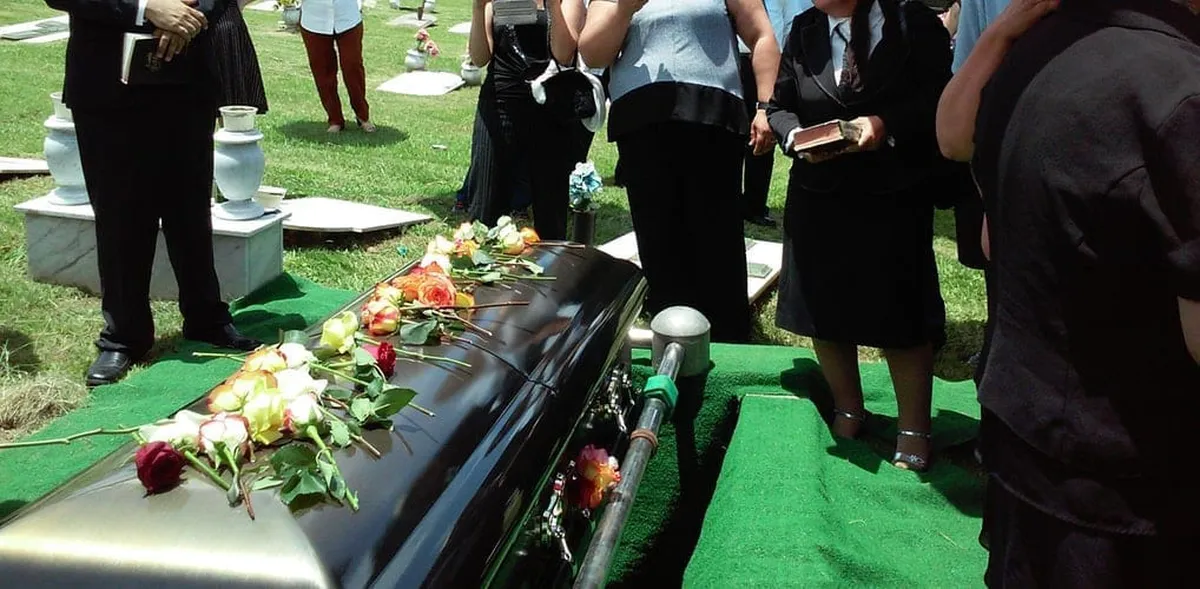
The process of probate can often feel daunting for families mourning the loss of a loved one. While an estate plan is designed to provide clarity and streamline asset distribution, it is not a foolproof shield against disputes, delays, or financial losses. Understanding the intricate details of how property is titled, how beneficiary designations are made, and who has the legal authority to act is crucial to ensure a smooth transition of assets. This article delves into the complex world of probate, outlining essential steps for executors and families to minimize complications during a challenging time.
Probate, the legal process through which a deceased person's estate is administered, varies significantly from state to state. As a general overview, the effectiveness of an estate plan depends on its alignment with state laws governing wills, trusts, and asset ownership. By taking proactive steps, families can avoid many of the common pitfalls associated with probate and ensure that their loved one's wishes are honored.

The Importance of a Comprehensive Estate Plan
An estate plan typically includes a will, which specifies how assets should be distributed and identifies an executor responsible for carrying out those wishes. However, a will alone does not facilitate automatic transfers of property or eliminate the need for court involvement. The necessity of formal probate often hinges on factors such as the type and value of assets and how they are owned. For instance, assets held solely in the decedent's name without a corresponding beneficiary designation may be subject to probate.
Understanding Different Types of Assets
Assets can be categorized into three main types concerning probate:
- Probate Property: This includes assets solely owned by the deceased that do not have designated beneficiaries. Examples include individually owned bank accounts and real estate.
- Non-Probate Property: Assets that pass directly to a designated beneficiary, such as life insurance policies, retirement accounts, and transfer-on-death accounts.
- Trust Property: Assets held within a trust can avoid probate altogether if properly funded.

Steps Executors Must Take Immediately
Upon the death of an individual, the named executor does not automatically gain authority over the estate's assets. The court must formally appoint the personal representative and issue Letters Testamentary, granting them legal authority to manage the estate. Executors should begin by locating essential documents such as the original will, trust agreements, and any amendments. It's crucial to secure the deceased's home, vehicles, digital accounts, and valuables.
Freezing Accounts and Notifying Institutions
Once the executor is appointed, they should notify financial institutions of the death and provide necessary documentation, including certified death certificates. It is important to identify how each account is owned to prevent unauthorized transactions. Not all accounts will be frozen, so the executor should understand their authority and the rules governing joint, beneficiary-designated, trust, and estate accounts.

Managing Estate Assets and Debts
Managing an estate involves more than just distributing assets. Executors must address potential debts and tax obligations before making distributions to beneficiaries. Depending on the state, creditors may have specific deadlines to file claims against the estate. Careful management of these obligations is crucial to prevent personal liability for the executor.
Understanding State-Specific Laws
Each state has its own rules regarding estate management. For example, California's Probate Code outlines specific timeframes for creditors to file claims and dictates the priority of payments. Executors should familiarize themselves with local laws and consult legal advice when necessary to navigate these complexities.
Effective Communication with Beneficiaries
One of the most important aspects of estate administration is communication. Executors should provide clear, accurate information to beneficiaries to mitigate mistrust and conflict. It's essential to convey that the timing and process of distributions depend on various factors, including asset valuations, court procedures, and creditor claims.
Maintaining Transparency
Executors should avoid promising specific distribution dates until the estate's obligations are fully understood. Regular updates can help keep beneficiaries informed and reduce speculation. Documentation of all decisions, valuations, and transactions is vital, as this transparency can protect the executor from potential disputes.

Leveraging Professional Guidance
Given the complexities of probate processes and state laws, families and executors may find it beneficial to seek professional guidance. Engaging with an estate planning attorney can provide clarity on legal obligations and help navigate potential challenges. Early legal advice can prevent significant errors, especially when dealing with unclear authority or disputes among heirs.
Understanding the Role of Trusts
While trusts can be effective tools for estate planning, they require proper funding and management. An unfunded or partially funded trust may leave certain assets subject to probate, defeating the purpose of the trust. Executors should ensure that all intended assets are transferred according to the requirements of each asset type.
Key Takeaways
- Understanding state-specific laws is crucial for effective estate management.
- Clear communication with beneficiaries can prevent unnecessary conflict.
- Immediate actions by executors, including securing assets and notifying institutions, are essential.
- Professional legal advice can help navigate complex probate issues.
- Proper funding of trusts is necessary to avoid probate complications.
Frequently Asked Questions
How long does the probate process typically take?
The duration of the probate process can vary widely depending on the complexity of the estate, the efficiency of the court system, and whether disputes arise among heirs. In general, formal probate can take several months to over a year to complete. Simplified procedures may expedite the process for smaller estates.
What happens if there is no will?
If a person dies without a valid will, their assets will be distributed according to state intestacy laws. These laws dictate how property is divided among surviving relatives, which may not align with the decedent's wishes. It is crucial for individuals to create a will to ensure their preferences are honored.
Can I contest a will?
Yes, beneficiaries have the right to contest a will, but doing so requires valid legal grounds, such as lack of capacity, undue influence, or improper execution. Contesting a will can be a lengthy and costly process, and it is advisable to consult with an attorney before proceeding.
What are the tax implications of probate?
Probate can have various tax implications, including estate taxes and income taxes on any earnings generated by the estate after the decedent's death. Executors should be aware of their responsibilities regarding tax filings and ensure compliance with all applicable federal and state tax laws.
This article is for informational purposes only and does not constitute legal advice.
Comments
Europe Faces Rising Threat of Megafires Amid Climate Change
A new report warns that megafires are becoming the new normal for Europe, with increasing frequency and severity due to climate change. Researchers call for urgent action to mitigate wildfire risks across the continent.

Related articles







Popular in Personal Injury
- Hawaii Supreme Court Overturns 36-Year-Old Rape Conviction Due to Forensic Flaws
- The Impact of Pro Bono Work by BigLaw Firms in 2025
- Albertsons Faces Trial Over Role in Washington's Opioid Crisis
- The Hidden Dangers of Open Manholes in New York City
- Historic $81 Million Verdict in Utah Pedestrian Wrongful Death Case