Understanding Shared Liability in Commercial Trucking Accidents
Commercial trucking accidents often involve multiple parties, making liability complex. This article explores shared liability, its implications, and what it means for victims and industry accountability.
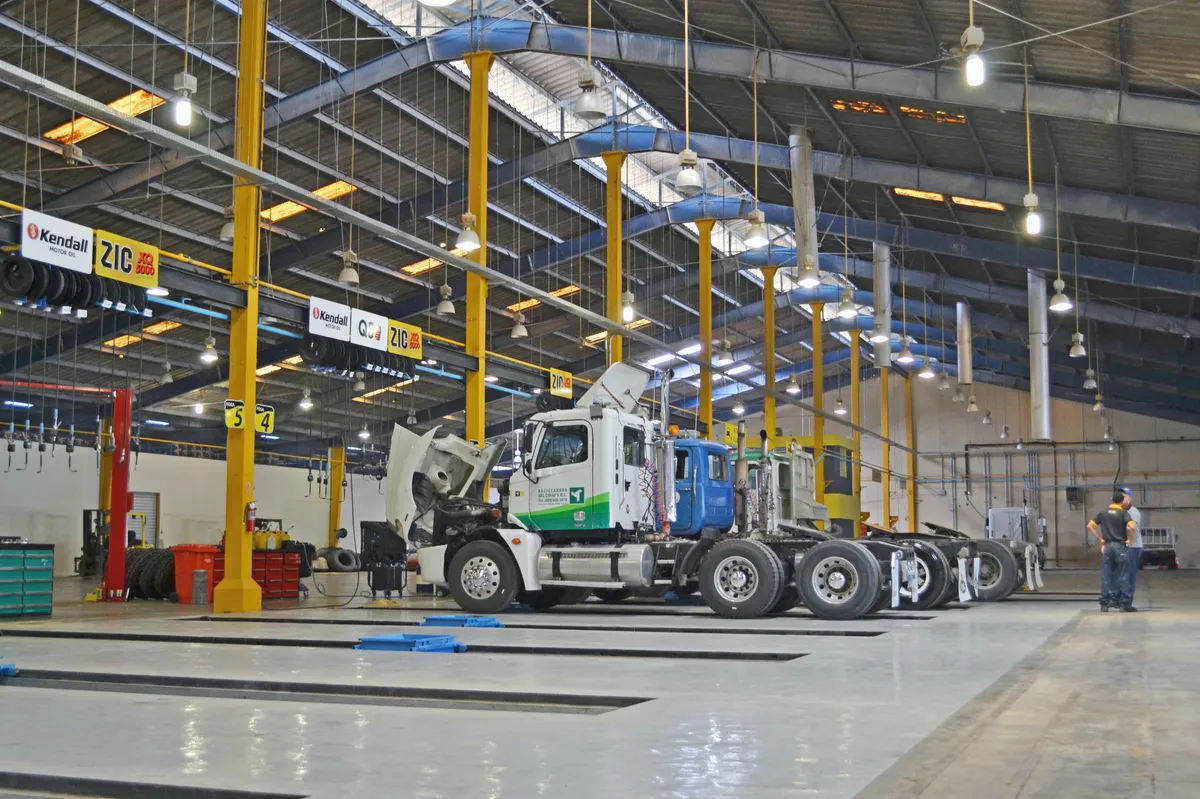
The highways of America are bustling with commercial trucks transporting goods across vast distances, but when accidents occur, the aftermath can be devastating. Unlike typical vehicular accidents, commercial trucking incidents rarely stem from a single driver’s error. Instead, they often involve a labyrinthine network of corporate entities, including dispatchers, cargo loaders, maintenance providers, and parts manufacturers, all of whom may share in the liability. Understanding this intricate web of responsibility is crucial for anyone seeking justice after a trucking accident, as it significantly influences how fault is determined, how insurance claims are processed, and ultimately, how victims are compensated.
This article delves into the concept of shared liability in the trucking industry, shedding light on the various parties involved in accidents and their respective responsibilities. This understanding is essential for victims navigating the legal landscape following a collision, as it can directly impact the recovery process and the accountability of those responsible for ensuring safety on the roads.
What is Shared Liability?
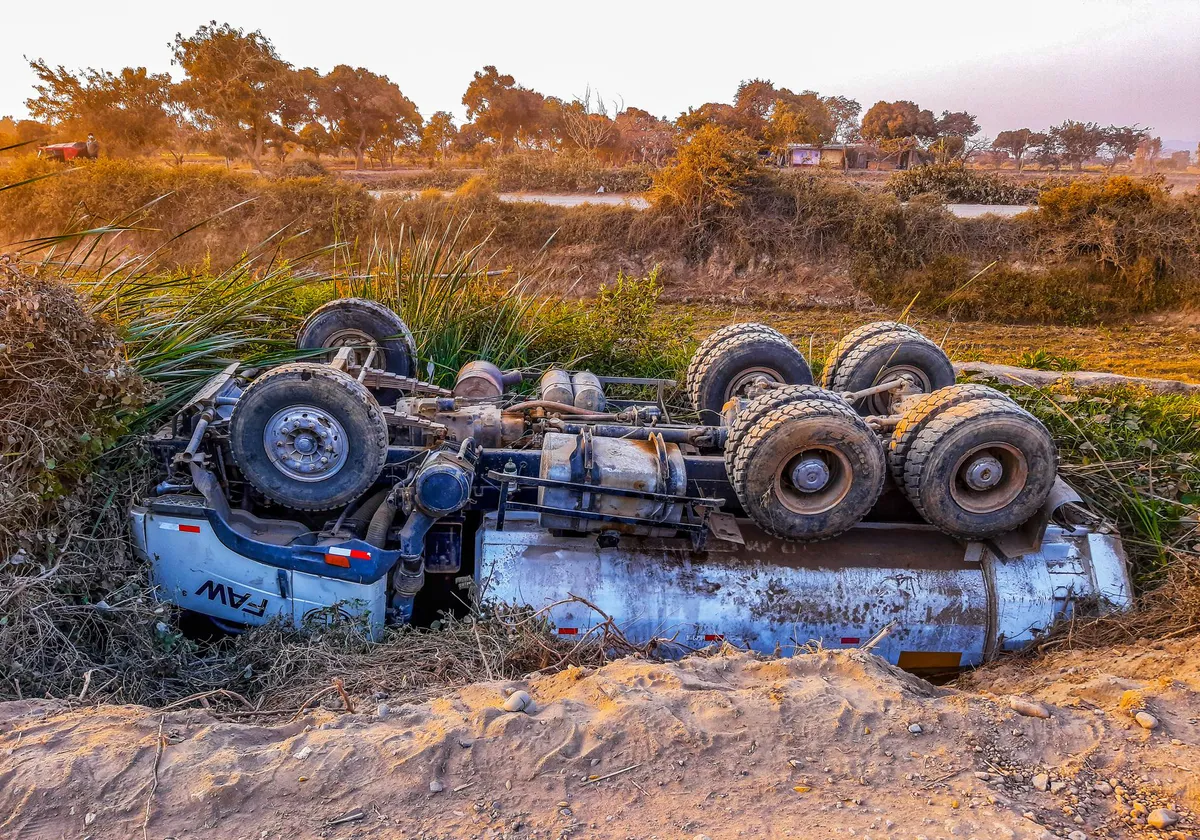
In legal terms, shared liability refers to the distribution of fault among multiple parties involved in an accident. Unlike simple car accidents, where blame may easily fall on one driver, commercial trucking incidents often reveal a complex interplay of various stakeholders. This is particularly relevant in jurisdictions that employ comparative fault frameworks, allowing courts to assign percentages of fault to different parties based on their contributions to the accident.
For instance, in a situation where a truck jackknifes due to a worn-out brake system, the investigation might reveal that the driver was speeding to meet a tight delivery deadline, the trucking company failed to maintain the vehicle properly, and the brake manufacturer produced a faulty component. Each of these parties may bear a share of the liability, which complicates the claims process but also provides a broader avenue for recovery for victims.
The Role of the Driver
Despite the multifaceted nature of shared liability, the driver remains a focal point in any crash investigation. Drivers are held to stringent federal regulations, such as maximum driving hours, to prevent drowsy driving. However, the pressures of the job often lead them to exceed these limits. In addition to fatigue, distractions such as texting or adjusting GPS systems can lead to tragic outcomes, particularly given the size and weight of commercial trucks.
Moreover, environmental factors such as inclement weather can exacerbate dangers. A truck’s substantial momentum means that a simple failure to reduce speed during rain or icy conditions can result in catastrophic accidents. Therefore, while the driver’s actions are critical in assessing liability, they are often only one piece of a larger puzzle.
The Influence of Motor Carriers and Dispatchers
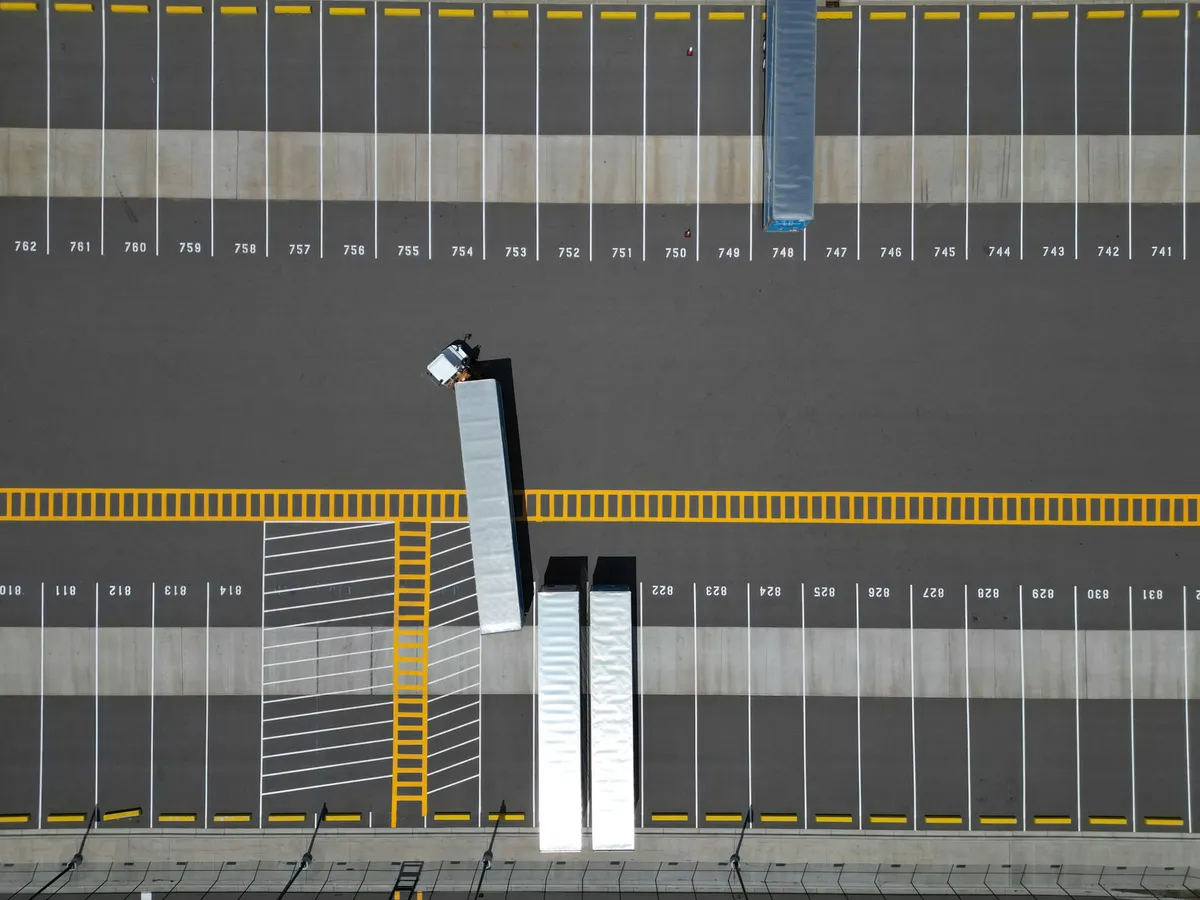
The trucking company and its dispatchers play a crucial role in the day-to-day operations that affect driver safety. Dispatchers set the schedules that drivers must adhere to, and unrealistic deadlines can implicitly encourage unsafe driving behaviors, such as speeding or neglecting rest breaks. Additionally, companies that do not conduct thorough background checks or adequate training can be held liable for negligent entrustment if a driver with a poor safety record is involved in an accident.
Investigators often examine internal communications and operational policies to uncover systemic negligence. If a dispatcher pressures a driver to ignore safety protocols, both the driver and the company could face liability for the resulting accident.
Hidden Hazards: Cargo Loaders and Third-Party Shippers
Many people are unaware that the individuals or companies responsible for loading cargo onto trucks can also be held liable in the event of an accident. Improperly loaded cargo can shift during transit, altering a truck's center of gravity and increasing the risk of rollovers. Overloaded trailers can strain critical components like tires and brakes, leading to mechanical failures.
When accidents occur due to these hidden dangers, it often implicates the loaders and third-party shippers in the legal aftermath. Investigating loading practices, securing documentation, and assessing cargo weight can reveal significant factors contributing to a crash.
Mechanical Failures and Maintenance Responsibilities
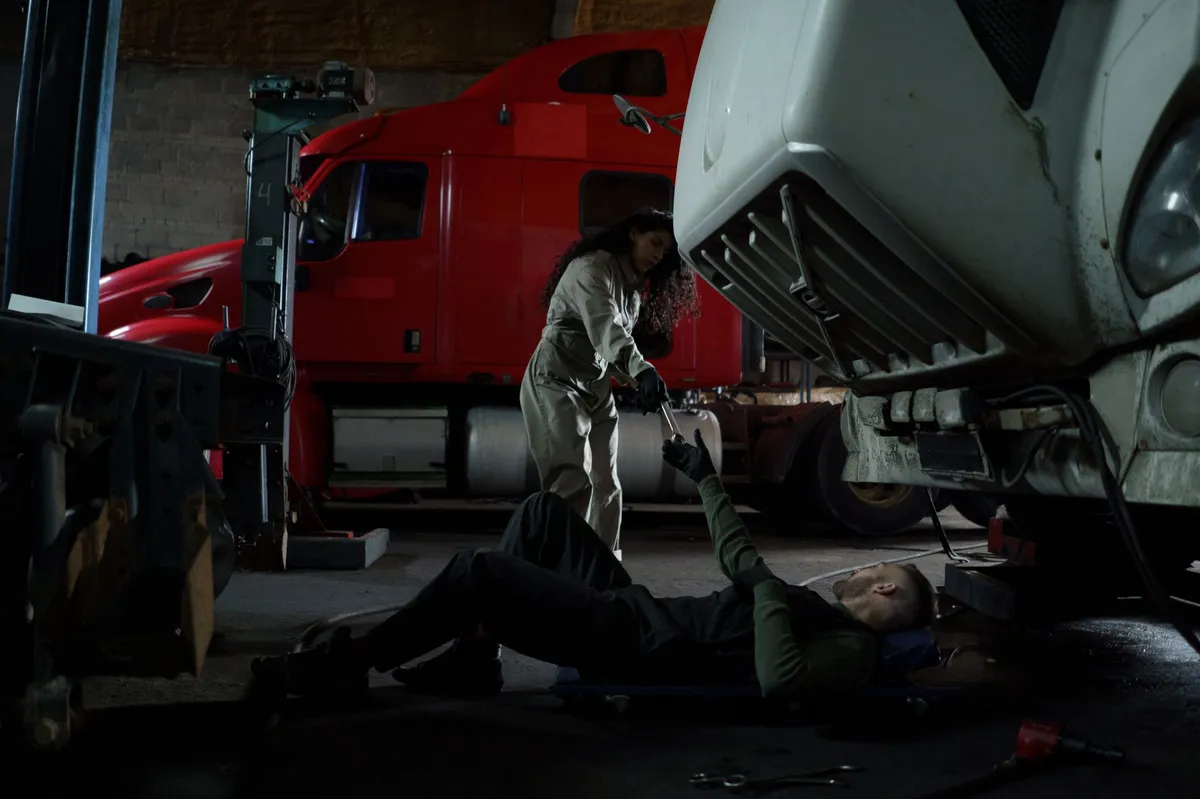
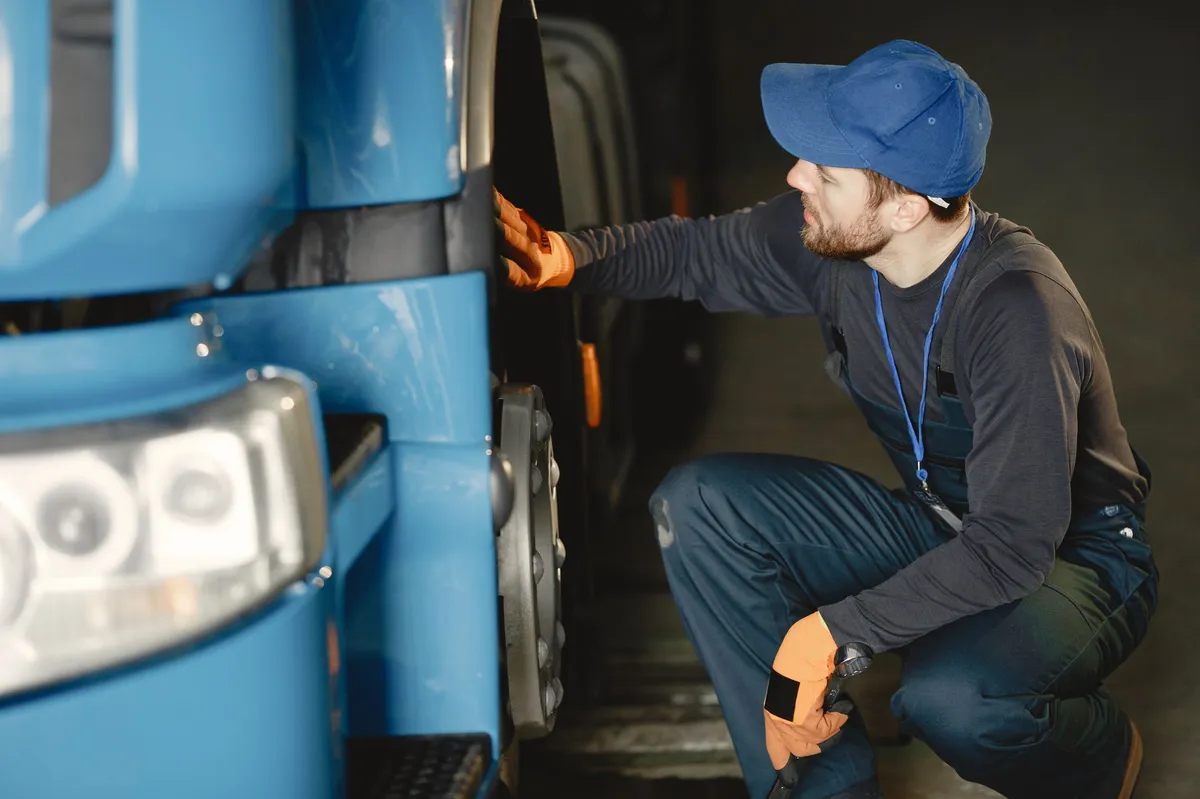
The maintenance of commercial trucks is paramount for ensuring safety on the roads. With fleets logging millions of miles each year, rigorous maintenance is necessary to prevent mechanical failures that can lead to accidents. Components like tires, brakes, and steering systems must be regularly inspected and maintained to avoid catastrophic failures.
If a truck crashes due to mechanical failure and it is determined that maintenance was neglected, the maintenance provider or parts manufacturer could be held liable. For example, if a mechanic used substandard parts or failed to conduct a required inspection, this negligence could significantly affect the liability landscape of an accident.
Legal Implications for Victims
For victims of commercial trucking accidents, navigating the complexities of shared liability can be daunting. It is essential to understand that commercial carriers typically carry multi-million dollar insurance policies designed to cover medical expenses, rehabilitation costs, and lost wages. However, insurance companies often employ aggressive tactics to minimize payouts, sometimes attempting to assign full blame to the victim.
- Gather Evidence: Victims should collect as much evidence as possible, including police reports, witness statements, and photographs of the scene.
- Consult Legal Representation: Engaging an attorney with experience in trucking accidents is vital to ensure that all responsible parties are held accountable.
- Understand Your Rights: Familiarize yourself with state laws regarding comparative fault and the statute of limitations for filing a claim.
Attorneys often utilize various resources—such as black box data from trucks, GPS tracking, and maintenance records—to build a robust case against all liable parties. By doing so, they can dismantle the defenses raised by insurance companies and increase the likelihood of fair compensation.
Key Takeaways
- Shared liability
- The driver, trucking company, cargo loaders, and maintenance providers can all be accountable.
- Victims must understand their rights and the importance of legal representation to navigate claims.
- Investigating corporate practices and maintenance records is crucial for establishing liability.
- Insurance companies often try to minimize payouts, making thorough documentation essential.
Frequently Asked Questions
What should I do immediately after a trucking accident?
If you are involved in a trucking accident, prioritize your safety and the safety of others. Call emergency services to report the accident and seek medical attention if needed. Document the scene thoroughly by taking photographs, gathering witness information, and obtaining a copy of the police report. It's also advisable to consult with a legal professional as soon as possible to understand your rights and options.
How can I prove shared liability in a trucking accident case?
Proving shared liability involves gathering evidence that demonstrates the negligence of multiple parties. This can include analyzing maintenance records, dispatch logs, cargo loading practices, and driver behavior leading up to the accident. Engaging an experienced attorney who understands the complexities of trucking regulations and state tort laws can significantly aid in establishing liability.
What is comparative fault, and how does it affect compensation?
Comparative fault is a legal doctrine that allows damages to be allocated based on the percentage of fault assigned to each party involved in an accident. For example, if you are found to be 30% at fault for an accident, your compensation may be reduced by that percentage. Understanding how comparative fault operates in your state is crucial, as it can significantly impact the total settlement you receive.
Why is it important to consult with a lawyer after a trucking accident?
Consulting with a lawyer is vital because the legal landscape surrounding trucking accidents is complex. An attorney can help navigate the intricacies of shared liability, ensure that all responsible parties are held accountable, and advocate for your rights against aggressive insurance companies. With their expertise, you can build a strong case and increase your chances of fair compensation.
Disclaimer: This content is general information and not legal advice.
Comments
Federal Hate Crime Charges Filed Against Utah Man for Mall Stabbing
A Utah man faces federal hate crime charges after a violent attack on a Muslim man at a mall. This incident highlights the seriousness of hate crimes and the legal repercussions for such acts.

Related articles




Popular in Personal Injury
- Hawaii Supreme Court Overturns 36-Year-Old Rape Conviction Due to Forensic Flaws
- The Impact of Pro Bono Work by BigLaw Firms in 2025
- Albertsons Faces Trial Over Role in Washington's Opioid Crisis
- The Hidden Dangers of Open Manholes in New York City
- Historic $81 Million Verdict in Utah Pedestrian Wrongful Death Case