The Evidence Clock: Securing Critical Data After a Truck Accident
Understanding the urgency of evidence preservation in commercial truck accidents is vital for ensuring fair legal outcomes. This article explores why time-sensitive records matter, what can be lost, and how to protect your rights.

When a commercial truck accident occurs, the stakes are high, and so is the urgency for securing evidence. Unlike standard passenger vehicle collisions, where a few pictures and a police report may suffice, the aftermath of a truck crash unfolds a complex web of data that can vanish in the blink of an eye. The moment the tires of a truck stop rolling, a countdown begins, threatening the loss of critical information that could be decisive in any legal action. Understanding the importance of timely evidence preservation can mean the difference between a successful claim and a lost cause for injured motorists.
In this article, we dive into the ticking clock of evidence in truck accidents, what data is most at risk, and what steps you can take to protect your rights in the face of overwhelming odds.
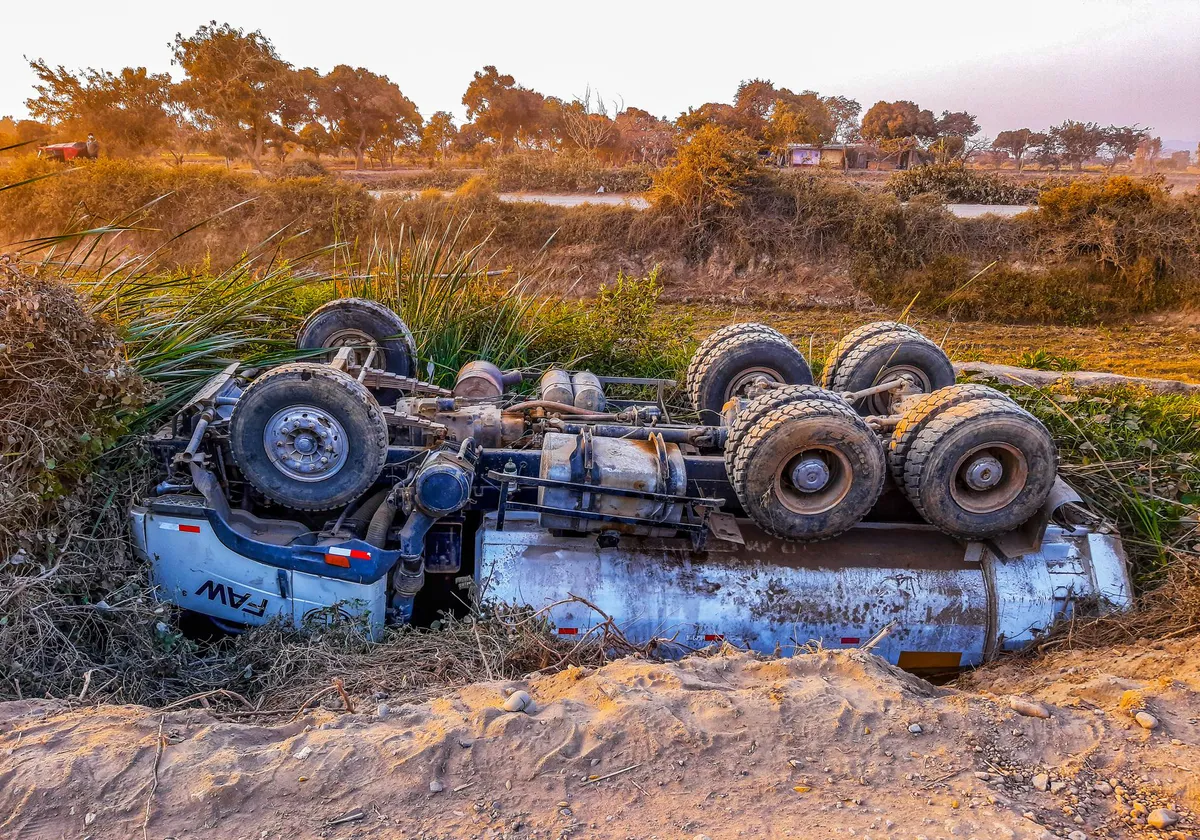
The Urgency of Evidence Preservation
The Federal Motor Carrier Safety Administration (FMCSA) has established strict regulations surrounding the documentation and retention of evidence related to commercial trucking operations. These regulations dictate how long various records must be kept, but once that timeline has expired, the company is legally permitted to destroy vital evidence. This means that without immediate action, crucial data such as speed, braking patterns, and driver behavior could be irretrievably lost.
Why Timing is Everything
In the aftermath of a crash, the need for quick action is paramount. Unlike standard fender-benders, where evidence may linger longer, truck collisions are subject to rapid data erasure due to the advanced technology present in modern vehicles. Electronic Control Modules (ECMs) and Event Data Recorders (EDRs) store critical information, but this data is often limited and can be overwritten when the vehicle is driven again.
- Event Data Recorders (EDRs): Capture critical telemetry right before a crash but may only retain a few events.
- In-cab Cameras: Function on rolling loops, potentially overwriting footage within days unless flagged for preservation.
- Logbooks and Inspection Reports: Often discarded after six months, potentially erasing crucial evidence of driver hours or vehicle maintenance.

The Types of Evidence at Risk
Understanding what types of evidence are most vulnerable can help you act quickly to secure them. Here’s a breakdown of the various forms of evidence that can fade away:
Digital Data
Today's trucks are equipped with sophisticated telemetry systems that continuously collect data on performance metrics such as:
- Vehicle speed
- Engine RPM
- Brake application timing
- Throttle position
- Driver seatbelt status
However, these systems only retain a limited amount of data. If a truck is driven again post-accident, older data can be overwritten, erasing crucial evidence of the truck's operation leading up to the crash.
Video Footage
Modern fleets often utilize dual-facing cameras that capture both the road and the driver. This footage can be invaluable in establishing liability. However, unless operators manually save the recording immediately after a crash, it may be lost forever due to automatic overwriting mechanisms.

The Consequences of Missing Evidence
The absence of critical records can drastically alter the landscape of a legal claim. Without objective data, it becomes increasingly difficult to establish who was at fault in a crash. The complexities of liability in commercial trucking accidents often involve multiple parties, including:
- The truck driver
- The trucking company
- The freight broker
- Third-party maintenance providers
When evidence is missing, insurance adjusters may shift blame onto the passenger vehicle driver, complicating the claims process and potentially denying fair compensation.
Legal Strategies for Evidence Preservation
One of the most effective ways to secure evidence is through a formal Spoliation Letter. This legal notice warns the trucking company that litigation is pending and requires them to preserve all relevant data. Upon receipt of this letter, the company is legally obligated to retain the evidence, and any destruction or alteration of records thereafter can lead to serious sanctions in court.

What You Should Do After a Truck Accident
After ensuring your physical safety following an accident, it’s crucial to take immediate steps to protect your rights. Here’s a checklist of actions to consider:
- Document the scene: Take photos of the accident site, vehicle damage, and road conditions.
- Gather witness information: Collect contact details from anyone who saw the crash.
- Notify law enforcement: Ensure that an official report is filed.
- Contact an attorney: Seek legal advice as soon as possible to discuss your case and options.
- Send a Spoliation Letter: If you have a lawyer, they will know how to effectively draft and send this letter to preserve evidence.
Key Takeaways
- The moment a commercial truck stops after a crash, evidence preservation becomes critical.
- Data from EDRs, in-cab cameras, and inspection logs can vanish quickly without immediate action.
- Missing records can complicate liability disputes and affect compensation.
- Utilizing a Spoliation Letter can legally compel a trucking company to retain crucial evidence.
- Taking swift action after an accident is essential for protecting your rights.
Frequently Asked Questions
What is a Spoliation Letter?
A Spoliation Letter is a formal legal document sent to a party involved in litigation, instructing them to preserve evidence that may be relevant to the case. This letter serves as a warning that the failure to retain evidence could result in legal consequences, including sanctions from the court.
How long does a trucking company have to preserve evidence?
There is no one-size-fits-all answer, as it varies based on federal regulations and company policies. However, many important records, such as EDR data and electronic logbooks, may only be retained for a few weeks or months. Acting quickly is crucial to ensure that important evidence is not lost forever.
What should I do if I think evidence is being destroyed?
If you suspect that evidence related to your accident is being destroyed, contact an attorney immediately. They can help you draft and send a Spoliation Letter to the responsible parties, thereby formally alerting them to your claim and the need to preserve all relevant data.
Can I still recover damages if evidence is lost?
While it’s more challenging to prove liability without key evidence, it is still possible to recover damages. Your attorney can work with available evidence, witness testimonies, and expert opinions to build your case. However, the absence of critical data can make the process significantly more complex and may affect the amount of compensation you can receive.
This content is general information and not legal advice.
Comments
Federal Hate Crime Charges Filed Against Utah Man for Mall Stabbing
A Utah man faces federal hate crime charges after a violent attack on a Muslim man at a mall. This incident highlights the seriousness of hate crimes and the legal repercussions for such acts.

Related articles






Popular in Personal Injury
- Hawaii Supreme Court Overturns 36-Year-Old Rape Conviction Due to Forensic Flaws
- The Impact of Pro Bono Work by BigLaw Firms in 2025
- Albertsons Faces Trial Over Role in Washington's Opioid Crisis
- The Hidden Dangers of Open Manholes in New York City
- Historic $81 Million Verdict in Utah Pedestrian Wrongful Death Case