The Ripple Effects of Credit Card Fraud on Consumer Credit Reports
Credit card fraud can lead to significant issues for consumers, extending beyond unauthorized transactions to damage their credit reports. Understanding the impact and how to navigate the aftermath is crucial for financial recovery.

For many consumers, credit cards offer convenience and purchasing power, but they also present a vulnerability to fraud. What starts as a single unauthorized transaction can spiral into a cascade of credit reporting problems, impacting a consumer's financial credibility for years to come. When a suspicious charge appears, the initial response often involves contacting the credit card issuer, reporting the fraudulent activity, and receiving a new card. However, this quick fix does not always address the more insidious damage that can linger on a credit report. Without proper follow-up, victims of credit card fraud may find themselves grappling with inaccuracies that affect their creditworthiness long after the fraud has been reported.
This article explores how credit card fraud manifests, the subsequent credit reporting issues that can arise, and the steps consumers can take to safeguard their financial futures. Understanding these elements is essential for anyone who has experienced fraud or is concerned about their financial security.

The Two Faces of Credit Card Fraud
Credit card fraud can primarily be categorized into two types: existing-account fraud and new-account fraud. Each type has its own implications for consumers and their credit reports.
Existing-Account Fraud
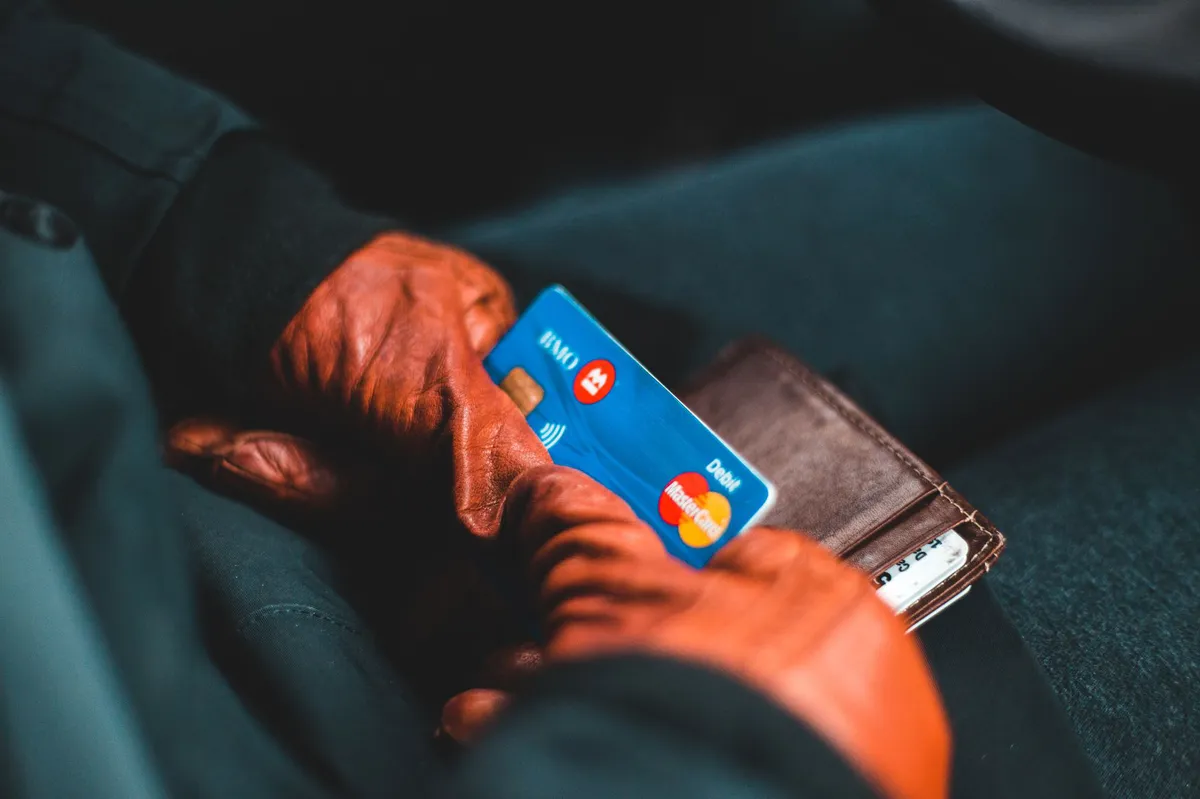
In existing-account fraud, an unauthorized individual gains access to a legitimate credit card account and makes transactions without the cardholder's knowledge. This can include unauthorized purchases, cash advances, or balance transfers. The victim typically recognizes the account but disputes the unauthorized activity. While the credit card issuer may remove these charges, the damage may have already affected the account's balance, available credit, and payment history. Consequently, this can lead to inaccuracies on the victim's credit report, such as:
- Incorrect balances reflecting higher amounts than owed
- Late payments reported due to missed payments on the victim's part
- Inaccurate credit inquiries that may suggest the victim is applying for new credit
New-Account Fraud
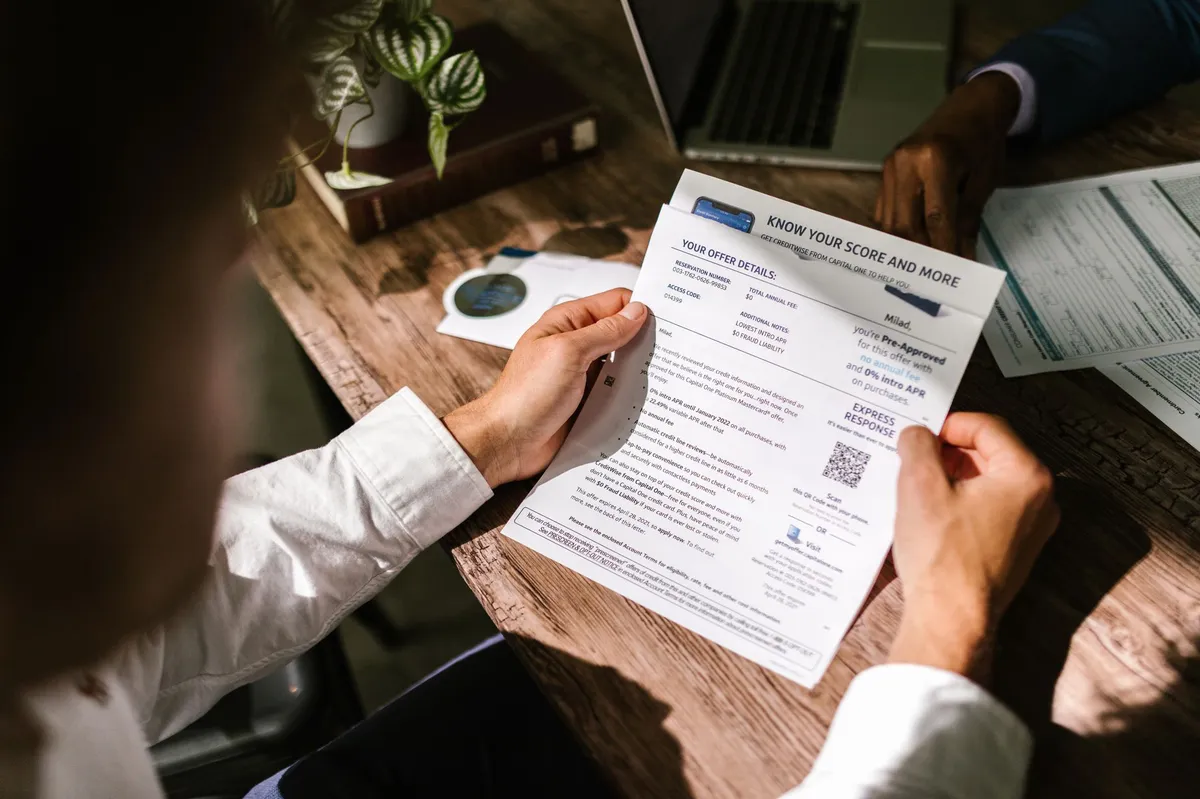
New-account fraud occurs when an individual uses another person's personal information to open a new credit card account. Often, victims learn of this fraud only when they receive a collection notice or when they check their credit report. By this time, the new account may already show a high balance and missed payments, compounding the victim's financial woes. The implications for credit reporting can be severe, as these fraudulent accounts can remain undetected for months, leading to long-term damage to a person's credit score.
The Consequences of Credit Reporting Errors
Once credit card fraud occurs, consumers may find various related errors on their credit reports. The Consumer Financial Protection Bureau (CFPB) identifies common errors associated with identity theft, which can include:
- Accounts that were opened fraudulently and show incorrect statuses
- Inaccurate payment histories that reflect missed payments or delinquencies
- Fraudulent inquiries from lenders not initiated by the victim
Consumers have the right to dispute any information they believe is inaccurate or incomplete. However, simply correcting unauthorized transactions does not guarantee that all credit reporting errors will also be corrected. Therefore, it's crucial for consumers to verify that their card issuer has updated all relevant account information with the credit reporting agencies.
Steps to Take After Experiencing Fraud
Upon discovering credit card fraud, the first step is to contact the card issuer to report the unauthorized transactions. However, consumers must go beyond this initial action to ensure their credit reports are accurate. Here are critical steps to take:
- Review Credit Reports: Obtain credit reports from all three major credit bureaus: Equifax, Experian, and TransUnion. Each report may contain different information, and it's vital to check them all for discrepancies.
- Dispute Inaccurate Information: If inaccuracies are detected, file disputes with both the credit reporting agency and the creditors involved. Be specific in identifying the errors and provide supporting documentation.
- Document Everything: Maintain a written timeline of events, including when the fraud was discovered, when the card issuer was contacted, and any correspondence exchanged. This documentation will be crucial if further action is needed.
- Consider Identity Theft Protections: Explore options like placing a fraud alert or freezing credit to prevent further unauthorized accounts from being opened.
Legal Recourse for Persistent Problems
In some cases, consumers may face persistent issues with their credit reports despite following the correct procedures. If a credit card issuer, debt collector, or credit reporting agency fails to address inaccuracies connected to fraud, legal assistance may be warranted. An attorney specializing in identity theft can review credit reports, dispute correspondences, and support the victim in navigating the complexities of recovery.
Legal intervention can be especially important if unresolved reporting has led to significant financial harm, such as loan denials or increased insurance premiums. Consumers should be aware of their rights under the Fair Credit Reporting Act (FCRA), which provides protections against inaccurate reporting and allows for legal recourse.

Key Takeaways
- Credit card fraud can lead to lasting damage on credit reports beyond unauthorized transactions.
- Consumers have the right to dispute inaccuracies and should monitor their credit reports regularly.
- Documenting all interactions and keeping a timeline is essential for managing disputes.
- Legal assistance may be necessary if credit reporting errors persist despite efforts to correct them.
- Taking proactive steps, such as placing fraud alerts, can help protect against future fraud.
Frequently Asked Questions
What should I do if I notice unauthorized transactions on my credit card?
If you notice unauthorized transactions, immediately contact your credit card issuer to report the fraud. They will typically freeze your account and investigate the charges. It's crucial to act swiftly to minimize potential losses and prevent further unauthorized use of your card.
How can I check my credit report for inaccuracies?
You can obtain a free credit report once a year from each of the three major credit bureaus—Equifax, Experian, and TransUnion—through AnnualCreditReport.com. Review each report thoroughly for any discrepancies, such as accounts that you do not recognize or inaccuracies in your payment history.
What are my rights if my credit report contains errors due to fraud?
Under the Fair Credit Reporting Act (FCRA), you have the right to dispute inaccurate information on your credit report. If you believe your report contains errors due to identity theft, you can file a dispute with the credit reporting agency and provide documentation supporting your claim.
When should I consider legal action regarding credit report inaccuracies?
If you have made reasonable efforts to correct inaccuracies on your credit report related to fraud, and these efforts have not yielded results, it may be time to consider legal action. Consult with an attorney who specializes in identity theft to evaluate your situation and discuss potential legal remedies.
This article is intended for informational purposes only and does not constitute legal advice.
Comments
Understanding Renters Insurance: A Crucial Guide for Tenants
Renters insurance is more than just protection for personal belongings; it can cover liability costs for injuries in your home. This article explores the importance of understanding your renters insurance policy, highlighting key aspects that every tenant should know.

Related articles


Popular in Personal Injury
- Hawaii Supreme Court Overturns 36-Year-Old Rape Conviction Due to Forensic Flaws
- The Impact of Pro Bono Work by BigLaw Firms in 2025
- Albertsons Faces Trial Over Role in Washington's Opioid Crisis
- The Hidden Dangers of Open Manholes in New York City
- Historic $81 Million Verdict in Utah Pedestrian Wrongful Death Case