Unraveling the Truth After a Car Accident: Evidence, Perception, and Liability
The aftermath of a car accident often leaves multiple versions of events, raising questions about the truth. This article explores how evidence is gathered, how personal perceptions influence narratives, and the importance of legal representation.
In the chaotic moments following a car accident, the truth is rarely straightforward. Drivers may replay the collision in their minds, witnesses will compare their observations, and police begin gathering information—each contributing to a narrative that often diverges. The complexities of memory and perception introduce a level of uncertainty, leading to multiple versions of the same event. This raises the critical question: who owns the truth after an accident? The answer is multifaceted. The truth is not owned by any single party but is reconstructed through a careful examination of various types of evidence.
In personal injury claims, the strength of a case hinges not on who tells the most convincing story but on the credibility and completeness of the evidence presented. This article delves into how truth is established in the aftermath of accidents, the role of technology, and why having legal representation is vital when navigating the complexities of civil litigation.
The Nature of Memory and Perception
One of the most fascinating aspects of human behavior is how memory operates under stress. After an accident, individuals may expect a singular, objective account of events, but the reality is far more complicated. Collisions occur suddenly and often under high-pressure conditions, leading to imperfect recollections. Research in psychology highlights that memory is not a flawless recording; it is reconstructive, influenced by perception, attention, and subsequent discussions.
Why Do Accounts Differ?
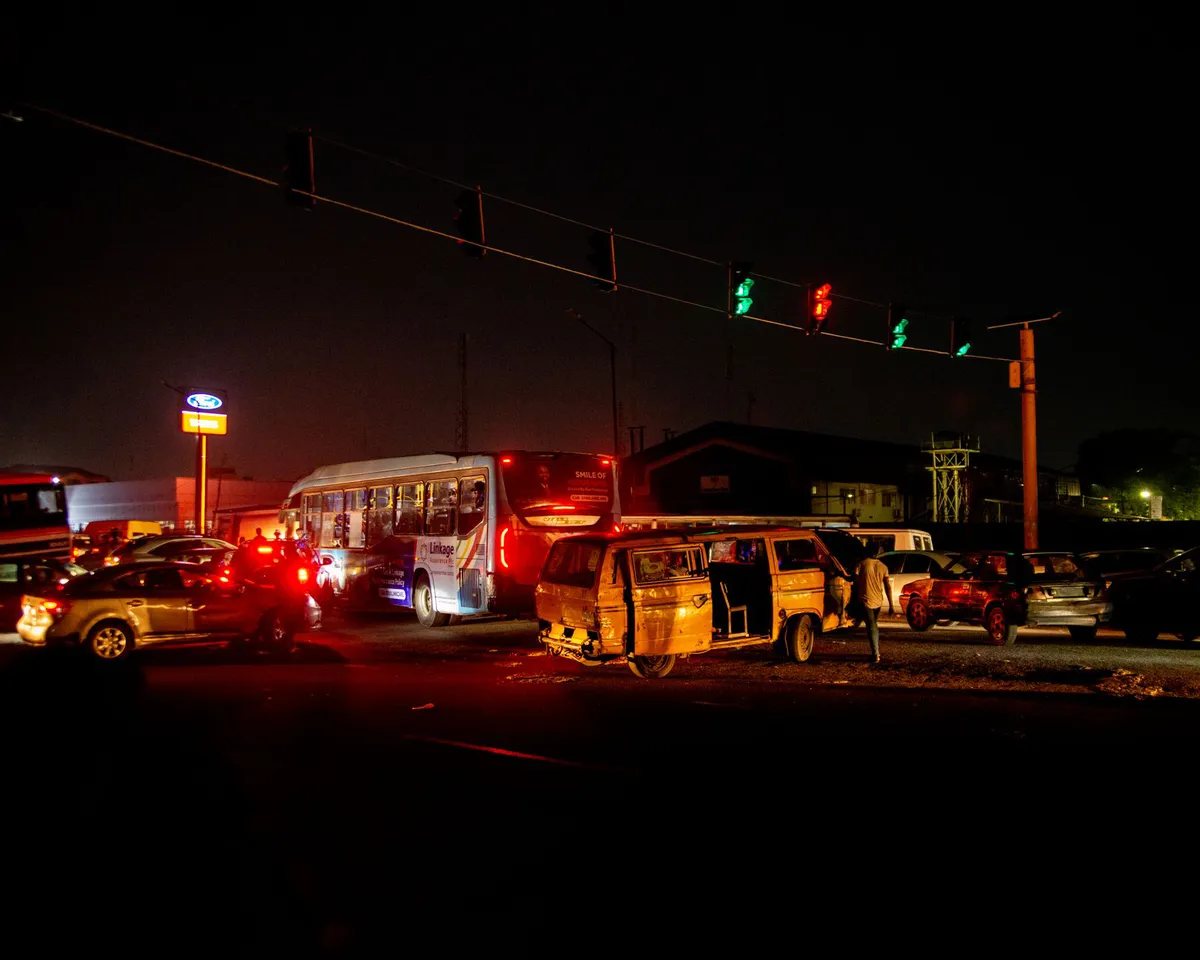
Different witnesses may recall contrasting details about the same accident. For instance, one driver might insist they entered an intersection on a green light, while another might assert that they saw the other car speeding. A pedestrian, observing from a different angle, might notice details neither driver did, such as a traffic signal changing just before the impact. As time passes, these memories can be further distorted by conversations and media exposure, illustrating why investigators cannot solely rely on one person's account.

Reconstructing the Truth: The Role of Evidence
When it comes to determining liability in a car accident, evidence plays a pivotal role. The legal framework often treats accident investigations like putting together a puzzle, where each piece of evidence contributes to a clearer understanding of what transpired.
Types of Evidence Collected
- Police Reports: These documents provide a formal account of the accident, detailing vehicle positions, road conditions, visible damages, and witness statements. However, they are not definitive regarding liability, as officers may not have witnessed the event themselves.
- Witness Testimony: Independent witnesses can offer crucial observations about the accident. However, discrepancies among their accounts can complicate matters.
- Physical Evidence: Tire marks, debris, and impact points serve as objective indicators of how the accident occurred, often providing clearer insights than human memory.
- Medical Records: These documents can substantiate claims about injuries sustained during the accident, linking them directly to the event.
- Digital Evidence: With advancements in technology, dash cameras, surveillance footage, and event data recorders (or 'black boxes') have become invaluable in providing objective accounts of collisions.
Ultimately, no single piece of evidence dictates the outcome of a case. Instead, investigators analyze how all evidence interrelates to reach conclusions about liability.
The Impact of Technology on Accident Investigations
The landscape of accident investigations has dramatically shifted due to technological advancements. Tools and devices that were once unimaginable are now commonplace, allowing for more accurate reconstructions of events. Dash cameras have proliferated among drivers, capturing critical moments leading up to accidents. Additionally, traffic cameras and surveillance systems from nearby businesses can provide perspectives that eyewitnesses might miss.
How Technology Strengthens Evidence
Modern vehicles are often equipped with event data recorders, which capture essential information like speed, braking actions, and seatbelt usage just before a crash. This data can be fundamental in establishing the actions of drivers involved in the accident. Furthermore, cell phone records can be scrutinized to determine if distracted driving played a role. While technology does not replace traditional evidence, it significantly enhances the accuracy and reliability of the information available.
The Legal Landscape: Competing Narratives in Civil Litigation
In personal injury cases, the narratives presented by both the injured party and the defense often conflict. Each side crafts a story designed to support their claims, but these narratives must be backed by admissible evidence. The process of civil litigation is not merely about choosing between two competing accounts; rather, it involves a thorough examination of the evidence that supports each version of events.
Importance of Preserving Evidence
Preserving evidence immediately after an accident is crucial. Strong documentation can counter a conflicting narrative presented by another driver or their insurance company. Since even minor factual disagreements can influence settlement negotiations, having a well-documented case is essential. The success of personal injury claims relies less on storytelling and more on the factual basis that supports those stories.
Understanding Fault and Liability
One of the most misunderstood aspects of personal injury law is the concept of fault. Many believe that determining fault is a binary process—someone is either right or wrong. However, in reality, more than one party can share responsibility for an accident. States like Illinois employ a modified comparative negligence system, allowing for the division of liability based on the evidence.
Shared Responsibility in Accidents
For instance, if two drivers are involved in a collision where one was speeding while the other failed to yield, both may share some degree of fault. Under Illinois law, as long as a driver's share of fault does not exceed 50%, they may still recover damages. This legal framework acknowledges the complexities of accidents, reflecting that they often involve multiple contributing factors rather than a simple blame game.
Why Legal Representation Is Essential
When navigating the murky waters of disputed facts, having legal representation can make a significant difference. Attorneys play a crucial role in investigating accidents thoroughly, preserving evidence, and organizing facts into a coherent case. They can obtain critical surveillance footage, interview witnesses while memories are fresh, and consult accident reconstruction experts. By constructing a case based on objective evidence, lawyers provide a clearer narrative of events, increasing the likelihood of a successful outcome in negotiations or court.
Key Takeaways
- The truth after a car accident is reconstructed through a combination of evidence, not a single narrative.
- Memory is fallible, and differing accounts are common due to the stress of the moment.
- Types of evidence include police reports, witness testimonies, physical evidence, and digital recordings.
- Modern technology, such as dash cameras and event data recorders, enhances investigations.
- Legal representation is crucial for navigating disputes and ensuring proper evidence is presented.
Frequently Asked Questions
What should I do immediately after a car accident?
After a car accident, it's essential to assess your safety and the safety of others involved. Call emergency services if anyone is injured and document the scene by taking photographs and gathering witness contact information. Avoid admitting fault or making statements that could be misinterpreted. Seek medical attention as necessary, and consider contacting a legal professional to help navigate the ensuing claims process.
How does fault get determined in a car accident case?
Fault in a car accident is determined through a comprehensive examination of the evidence, including police reports, witness statements, physical evidence, and any available digital recordings. Investigators look for inconsistencies in narratives and assess the circumstances surrounding the accident to establish liability. In some states, comparative negligence laws allow for shared responsibility, meaning multiple parties can bear fault for the same incident.
Why is it important to document evidence after an accident?
Documenting evidence immediately after an accident is crucial because it helps establish the facts of the case. Strong documentation can counter conflicting narratives and support your claim for damages. The sooner evidence is collected, the less chance there is for it to be altered or lost over time. This can significantly impact the outcome of insurance negotiations or legal proceedings.
When should I hire a lawyer after a car accident?
It's advisable to hire a lawyer after a car accident if there are injuries, significant property damage, or disputes regarding fault. An experienced attorney can guide you through the complexities of the legal process, protect your rights, and help ensure that you receive fair compensation for your losses.
This article is for informational purposes only and does not constitute legal advice.
Comments
Understanding Renters Insurance: A Crucial Guide for Tenants
Renters insurance is more than just protection for personal belongings; it can cover liability costs for injuries in your home. This article explores the importance of understanding your renters insurance policy, highlighting key aspects that every tenant should know.

Related articles



Popular in Personal Injury
- Hawaii Supreme Court Overturns 36-Year-Old Rape Conviction Due to Forensic Flaws
- The Impact of Pro Bono Work by BigLaw Firms in 2025
- Albertsons Faces Trial Over Role in Washington's Opioid Crisis
- The Hidden Dangers of Open Manholes in New York City
- Historic $81 Million Verdict in Utah Pedestrian Wrongful Death Case