Seeking Justice: The Complex Case of Raymond Mattia's Death
The case surrounding the death of Raymond Mattia highlights critical issues of qualified immunity, tribal sovereignty, and police accountability. As the courts grapple with these themes, what does it mean for victims of police violence and their families?
In a case that has galvanized attention to issues of police accountability and qualified immunity, the tragic death of unarmed Native American Raymond Mattia raises profound legal questions. Shot by Border Patrol agents on his front lawn in May 2023, the circumstances surrounding Mattia's death have led to a legal battle that not only impacts his family but also sets a precedent for how such cases will be handled in the future. As the Ninth Circuit weighs the agents' claims for qualified immunity, the case is emblematic of broader tensions between law enforcement practices, tribal sovereignty, and the pursuit of justice.
Mattia, a member of the Tohono O’odham Nation, was killed during an investigation into reported gunshots near his home. As details of this incident emerged, it became clear that the events leading to his death are mired in conflicting narratives. The family of Mattia has filed a lawsuit against the agents involved, arguing that they acted without justification when they opened fire. Central to the defense's argument is the concept of qualified immunity, which shields law enforcement officers from liability unless they violated a clearly established statutory or constitutional right.
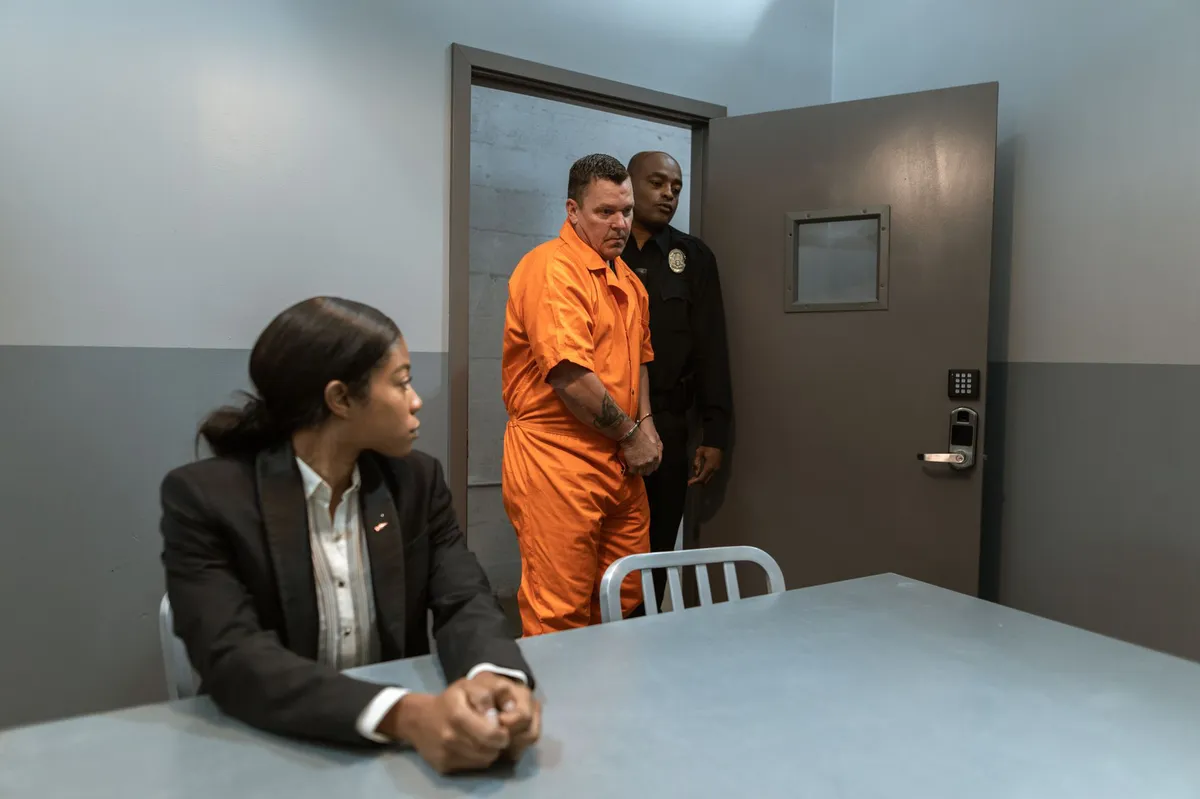
The Incident: What Happened that Day?
On the day of the shooting, Border Patrol agents—Scott Whitehouse, Dan Sifuentes, and Ivan Torralva—responded to reports of gunfire in Menegers Dam Village. Upon arriving at Mattia's residence, the agents encountered him outside, holding a sheathed hunting knife. According to the family's account of the incident, Mattia complied with the agents' commands, tossing the knife to the ground and reaching for a cell phone in his pocket as instructed. However, the agents interpreted his actions as threatening, leading to their decision to open fire.
This clash of narratives highlights the complexities of law enforcement interactions with civilians, particularly in communities that are often marginalized or subjected to heightened scrutiny, such as Native American populations. The agents contend that they made split-second decisions based on perceived threats, while the plaintiffs assert that Mattia posed no danger. This case underscores the critical question of how law enforcement assesses threats in high-pressure situations.
Qualified Immunity: A Shield for Law Enforcement?
At the heart of the legal battle is the doctrine of qualified immunity, which has been a contentious issue in the realm of police accountability. Established by the Supreme Court in the 1967 case Pierson v. Ray, qualified immunity protects government officials from civil suits unless they violated a clearly established right. This legal shield has faced scrutiny as critics argue that it often prevents victims of police violence from obtaining justice.
In this instance, the Border Patrol agents are seeking to have the case dismissed based on qualified immunity. They argue that their actions were justified given the circumstances they faced. The government's attorney, Sophia Shams, contends that the body camera footage supports the agents' claims, despite the plaintiffs' argument that the footage is incomplete and edited. The Ninth Circuit panel appeared skeptical of the agents' position, questioning whether the video truly contradicts the plaintiffs' allegations.
The Role of Evidence: Body Camera Footage and Its Implications
Evidence plays a pivotal role in the unfolding of this case, particularly the body camera footage captured during the incident. It is an essential piece of evidence that both sides are eager to interpret in their favor. The plaintiffs argue that relying on a potentially misleading video compilation undermines their claims, stating that the footage is edited, incomplete, and redacted. They assert that this raises significant questions about the reliability of the evidence being presented.
On the other hand, the defense maintains that the plaintiffs have incorporated the video into their complaint, suggesting that it should be used to evaluate the case. The back-and-forth over the body camera footage illustrates the challenges of relying on video evidence in cases of police violence. While video can provide crucial insights, it is not always a definitive account of events, especially when different interpretations emerge.
Legal Precedents and the Bivens Framework
The legal framework surrounding this case also invokes the precedent set by Bivens v. Six Unknown Named Agents, which established that individuals have the right to sue federal officials for constitutional violations. The plaintiffs argue their case falls within the parameters of Bivens, suggesting that the agents' actions violated Mattia's Fourth Amendment rights against unreasonable seizure. Conversely, the defense argues that extending Bivens protections to this case would create a precedent that undermines federal-tribal relations and border security.
The legal arguments presented by both sides hinge on the interpretation of context. While the agents were responding to a reported shooting, the plaintiffs argue that their actions were not related to border enforcement but rather an investigation, similar to the circumstances in Bivens. This distinction is crucial, as it could determine the applicability of the legal protections afforded under federal law.
Implications for Tribal Sovereignty and Community Relations
The case of Raymond Mattia is not just a legal battle; it represents a clash of systems that impact Native American communities across the United States. The Tohono O’odham Nation, like many tribes, navigates a complex relationship with federal law enforcement. Incidents such as Mattia's death expose the vulnerabilities faced by Indigenous populations in interactions with law enforcement and raise questions about accountability and justice.
As communities advocate for greater transparency and accountability, the outcome of this case may set important precedents regarding the treatment of tribal members and the limitations of law enforcement's authority. If the agents are granted qualified immunity, it may reinforce perceptions of unaccountability, while a ruling against them could pave the way for greater scrutiny of law enforcement practices, particularly in tribal lands.
Key Takeaways
- Qualified Immunity is a legal doctrine that protects law enforcement from civil liability unless they violate clearly established rights.
- The body camera footage is central to the case, with differing interpretations affecting both sides' arguments.
- The outcome may have significant implications for tribal sovereignty and law enforcement-community relations.
- The case invokes principles established in the Bivens decision regarding individuals' rights to sue federal officials.
- As the Ninth Circuit reviews the case, the ruling could influence future police accountability cases.
Frequently Asked Questions
What is qualified immunity?
Qualified immunity is a legal doctrine that protects government officials, including police officers, from civil liability unless they violated a clearly established constitutional or statutory right. This means that even if an officer's actions are deemed unreasonable, they may still be shielded from lawsuits unless the right they violated was clear and established by previous case law.
Why is body camera footage important in this case?
Body camera footage serves as a crucial piece of evidence in cases of police interactions. It can provide insight into the events leading up to an incident, the actions of both law enforcement and civilians, and the decision-making processes under critical conditions. However, the interpretation of this footage can vary significantly, leading to disputes in court about what really happened during the encounter.
How does the Bivens case relate to this lawsuit?
The Bivens v. Six Unknown Named Agents case established the principle that individuals can sue federal officials for constitutional violations. In this context, the plaintiffs are invoking Bivens to argue that the Border Patrol agents violated Mattia's Fourth Amendment rights. The defense, however, contends that applying Bivens in this case is inappropriate given the specific circumstances surrounding the incident.
What could be the broader implications of this case?
The outcomes of this case could have far-reaching implications for police accountability, especially in interactions involving Indigenous communities. A ruling favoring the agents' qualified immunity may reinforce a culture of unaccountability, whereas a ruling against them could signal increased scrutiny of law enforcement practices, potentially leading to policy changes that better protect the rights of individuals during interactions with police.
This article is for informational purposes only and does not constitute legal advice.
Comments
Navigating Car Insurance Claim Delays: How Legal Help Can Accelerate Your Case
Facing delays in your car accident insurance claim can be frustrating and overwhelming. This article explores the common reasons for these delays and how a skilled car accident lawyer can help you navigate the complexities of the claims process, ensuring you receive fair compensation.

Related articles


Popular in Personal Injury
- Hawaii Supreme Court Overturns 36-Year-Old Rape Conviction Due to Forensic Flaws
- The Impact of Pro Bono Work by BigLaw Firms in 2025
- Albertsons Faces Trial Over Role in Washington's Opioid Crisis
- The Hidden Dangers of Open Manholes in New York City
- Historic $81 Million Verdict in Utah Pedestrian Wrongful Death Case