Public Access and Transparency in High-Profile Legal Cases
A recent statement from a judge in the Luigi Mangione case underscores the importance of public access to court proceedings. This article explores the implications for transparency in the judicial system, particularly in high-profile cases.

The legal community is abuzz following recent comments made by a judge presiding over the high-profile case of Luigi Mangione. As the intricacies of this case unfold, the judge emphasized the crucial role of public access to court proceedings. This statement not only highlights the importance of transparency in the judicial system but also raises questions about how such access impacts public perception and the integrity of legal processes.
High-profile cases, such as Mangione's, often attract significant media attention and public interest. As legal proceedings progress, the balance between maintaining the integrity of the court and ensuring public access becomes increasingly critical. This article delves into the implications of public access in the courtroom, the potential effects on legal outcomes, and how various stakeholders are affected by these decisions.
Understanding the Importance of Public Access
Public access to court proceedings serves as a cornerstone of the American legal system. It is rooted in the First Amendment, which guarantees freedom of speech and press, allowing the public to observe how justice is administered. This access is essential for several reasons:
- Transparency: Public access ensures that judicial proceedings are open and accountable, helping to instill trust in the legal system.
- Public Interest: High-profile cases often involve matters of significant public concern, making it essential for citizens to witness the proceedings.
- Fairness: Open courtrooms help protect the rights of defendants and ensure that trials are conducted fairly, reducing the likelihood of bias.
- Media Coverage: Journalists play a vital role in reporting on court cases, providing context and analysis that can influence public understanding and opinion.
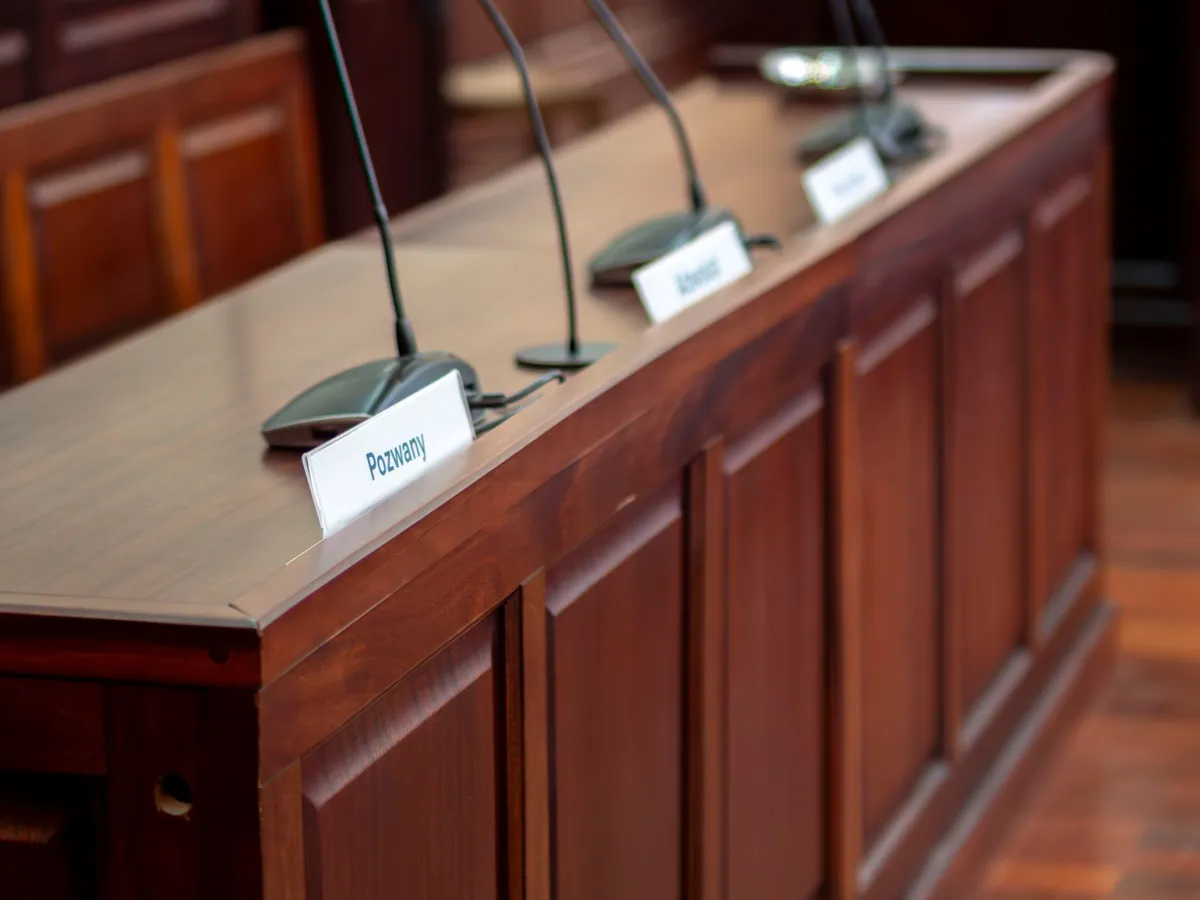
The Role of Judges in Ensuring Transparency
Judges hold a significant responsibility in balancing the need for public access with the potential for prejudice against defendants. In the Luigi Mangione case, the presiding judge remarked on the importance of allowing the public to observe the proceedings while also recognizing the challenges that come with high-profile trials. Judges often have to navigate sensitive issues such as:
Media Influence
In cases that garner extensive media coverage, judges must be wary of the potential influence that media narratives can have on jurors. They may implement measures such as gag orders or limit media access to ensure a fair trial. However, such restrictions can also lead to public outcry over perceived injustices or lack of transparency.
Protecting Privacy
Judges must also consider the privacy of victims, witnesses, and defendants. In cases involving sensitive information, they may need to close certain proceedings or seal documents to protect individuals from undue harm or exposure.
Challenges to Public Access
While public access is a fundamental principle, there are challenges that can impede it. For instance, as technology evolves, so do the methods of accessing court information. Issues such as:
- Digital Divide: Not all individuals have equal access to technology, which can limit their ability to follow court proceedings.
- Security Concerns: High-profile cases may require heightened security measures, which can restrict public access to courtrooms.
- Legal Restrictions: Certain cases may be subject to laws that limit public access, such as juvenile cases or matters involving national security.

Implications for Legal Outcomes
The level of public access can significantly impact the perceptions surrounding a case and its outcomes. A transparent judicial process can enhance public confidence in the legal system, while a lack of access may lead to skepticism and distrust. For example:
Public Opinion
In high-profile cases, public opinion can shape the narrative and potentially influence jurors. Judges must be vigilant in ensuring that the integrity of the trial is maintained, even amidst a media frenzy. The perception of fairness can be just as important as the actual fairness of the proceedings.
Potential for Appeals
Inadequate public access or perceived injustices during the trial can lead to appeals or mistrials. If a defendant believes that their right to a fair trial was compromised due to lack of public access or transparency, they may challenge the outcome in higher courts.
Key Takeaways
- Public access to court proceedings is essential for transparency and accountability in the legal system.
- Judges must balance the need for public observation with the rights of defendants and privacy concerns.
- Challenges to public access can arise from technology, security, and legal restrictions.
- Public perception can significantly influence the outcomes of high-profile cases.
- Maintaining transparency is crucial for instilling trust in the judicial process.
Frequently Asked Questions
Why is public access to court proceedings important?
Public access is vital for ensuring transparency and accountability within the judicial system. It allows citizens to witness how justice is administered, which fosters trust and confidence in legal outcomes. Open courtrooms also help protect defendants' rights and promote fairness in trials.
What challenges do judges face in ensuring public access?
Judges must navigate a complex landscape when it comes to public access. They must balance the need for transparency with the potential for media influence and the privacy rights of individuals involved in the case. Additionally, security concerns and legal restrictions can further complicate access to court proceedings.
How can public perception affect legal outcomes?
Public perception can play a significant role in shaping the narrative surrounding a case. In high-profile trials, the opinions and attitudes of the public can influence jurors and potentially impact their decisions. A transparent process can enhance public confidence, while a lack of access may lead to skepticism and distrust in the judicial system.
What steps can be taken to improve public access to court proceedings?
To enhance public access, courts can adopt policies that promote transparency, such as live streaming court sessions or utilizing technology for remote access. Additionally, judges can work to mitigate the impact of media coverage by issuing clear guidelines on reporting and ensuring that jurors are shielded from external influences.
Comments
Navigating Car Insurance Claim Delays: How Legal Help Can Accelerate Your Case
Facing delays in your car accident insurance claim can be frustrating and overwhelming. This article explores the common reasons for these delays and how a skilled car accident lawyer can help you navigate the complexities of the claims process, ensuring you receive fair compensation.

Related articles




Popular in Personal Injury
- Hawaii Supreme Court Overturns 36-Year-Old Rape Conviction Due to Forensic Flaws
- The Impact of Pro Bono Work by BigLaw Firms in 2025
- Albertsons Faces Trial Over Role in Washington's Opioid Crisis
- The Hidden Dangers of Open Manholes in New York City
- Historic $81 Million Verdict in Utah Pedestrian Wrongful Death Case