Surge in Flesh-Eating Bacteria: What Gulf Coast Beachgoers Need to Know
As cases of Vibrio vulnificus infections rise along the Gulf Coast, health officials urge caution for beachgoers. Understanding the risks and how to protect oneself is crucial this summer.

As summer temperatures rise, so does the risk of infections from a notorious flesh-eating bacterium known as Vibrio vulnificus. With nine confirmed cases reported in Louisiana in 2023, including five fatalities, health officials are issuing urgent warnings to beachgoers to take necessary precautions. This bacterium, which thrives in warm, brackish coastal waters, poses a significant threat to individuals with compromised immune systems, making awareness and prevention critical during the peak beach season.
The Gulf Coast, with its unique environmental conditions, is particularly susceptible to outbreaks of Vibrio vulnificus. The CDC indicates that the bacterium is most often found in coastal waters between May and October, coinciding with the warmer months when people are most likely to engage in beach activities. Understanding the nature of this bacterium, how it spreads, and the necessary precautions can help protect individuals and families enjoying the coast this summer.

Understanding Vibrio vulnificus and Its Impact
Vibrio vulnificus is a type of bacteria that lives in warm seawater and is particularly prevalent in estuaries and coastal environments. The Louisiana Department of Health reported that the state has seen an uptick in infections, with the current year already surpassing the average from the previous decade. Historically, Louisiana averages about seven cases of Vibrio infections each year, with one fatality. However, the alarming trend this summer underscores a potentially serious public health concern.
According to health officials, the primary risk factors for infection include:
- Exposure to brackish or saltwater environments.
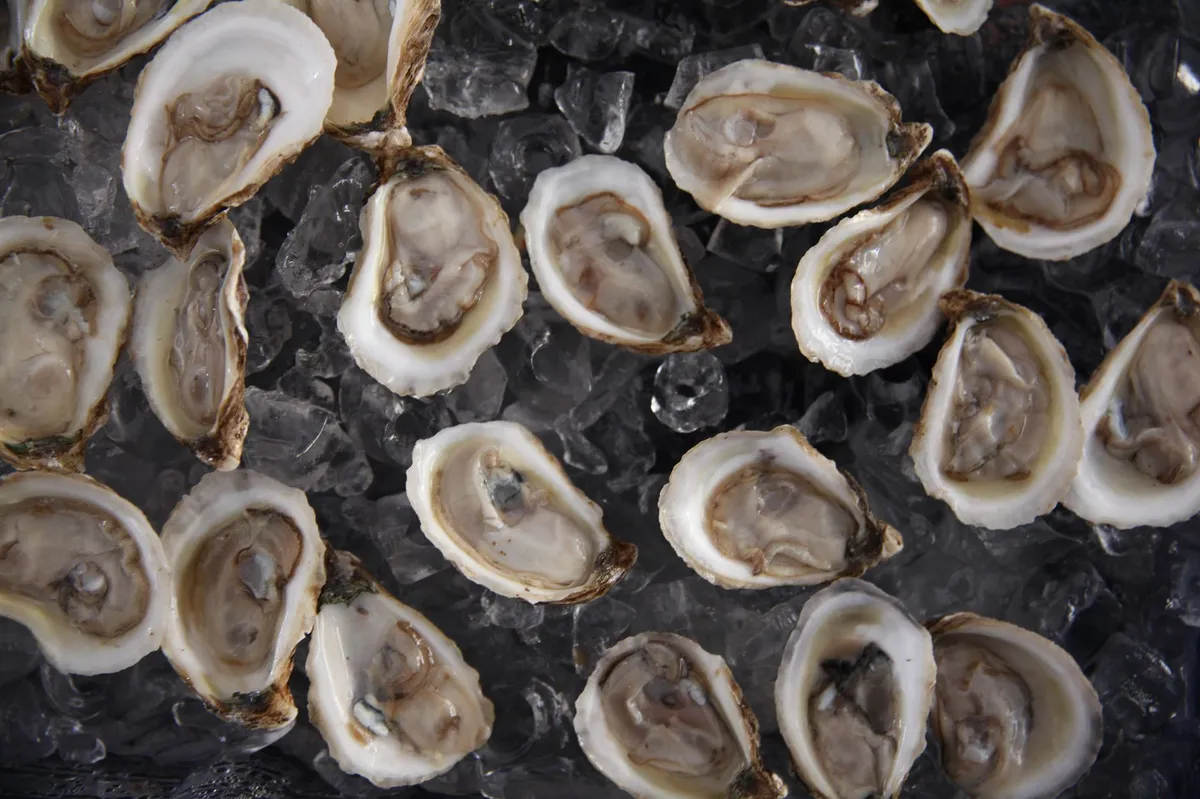
- Consumption of raw or undercooked shellfish, especially oysters.
- Open wounds or breaks in the skin.
Infections can lead to severe illness, especially among vulnerable populations such as the elderly, individuals with chronic liver disease, and those with weakened immune systems. The CDC estimates that approximately one in five cases of Vibrio vulnificus can be fatal, highlighting the urgent need for awareness and swift medical intervention.
How Vibrio vulnificus Enters the Body
One of the most concerning aspects of Vibrio vulnificus infections is the manner in which the bacteria can enter the body. While many may associate foodborne illnesses with undercooked seafood, Vibrio vulnificus primarily infects individuals through direct contact with contaminated water. When open wounds or cuts come into contact with seawater, the bacteria can quickly invade the body, leading to potentially life-threatening infections.
Health officials recommend that anyone with an open wound or recent incision should avoid swimming in coastal waters. Symptoms of infection can manifest as:
- Redness and swelling at the site of the wound.
- Pain and warmth around the affected area.
- Fever and chills.
If individuals experience any of these symptoms after exposure to coastal waters, immediate medical attention is crucial. Early diagnosis and treatment can significantly improve outcomes for those infected with Vibrio vulnificus.

Climate Change and the Spread of Vibrio
The rise of Vibrio vulnificus cases is not merely a seasonal fluctuation but may also be linked to broader environmental changes. Recent studies have indicated that climate change is altering the distribution patterns of this bacterium, enabling it to proliferate in regions previously considered safe. Research shows that the northernmost cases of Vibrio infections are shifting northward by approximately 30 miles each year.
This shift is concerning as it suggests that areas not traditionally associated with Vibrio vulnificus infections may begin to see cases, potentially placing more beachgoers at risk. As coastal temperatures rise, it becomes increasingly crucial for public health officials to monitor and respond to these emerging threats.
Protective Measures for Beachgoers
Beachgoers can take several simple yet effective steps to protect themselves from Vibrio vulnificus infections. These include:
- **Wound Care**: Always thoroughly wash cuts and scrapes with soap and clean running water after exposure to coastal waters.
- **Avoiding Raw Shellfish**: Be cautious when consuming raw or undercooked shellfish, especially oysters, as they can harbor the bacteria.
- **Protective Gear**: Consider wearing protective gloves if handling raw seafood, especially if you have underlying health issues that increase your risk.
- **Cooking Guidelines**: Follow recommended cooking guidelines for shellfish. Clams, mussels, and oysters should be cooked to an internal temperature of at least 145°F to kill harmful bacteria.
By taking these precautions, beachgoers can significantly reduce their risk of infection while still enjoying the beautiful Gulf Coast beaches.
Key Takeaways
- **Infections on the Rise**: Louisiana has reported nine Vibrio vulnificus infections this year, with five resulting in death.
- **High Fatality Rate**: The bacterium has a fatality rate of approximately 20%, particularly among vulnerable populations.
- **Environmental Factors**: Climate change is contributing to the spread of Vibrio, allowing it to thrive in new areas.
- **Prevention is Key**: Proper wound care and cooking precautions can help protect against infections.
- **Seek Help Early**: Prompt medical attention is critical if symptoms of infection appear after exposure to coastal waters.
Frequently Asked Questions
What are the symptoms of a Vibrio vulnificus infection?
Symptoms of a Vibrio vulnificus infection can include redness, swelling, and pain at the site of a wound, as well as fever, chills, and dark blistering in severe cases. If you experience any of these symptoms after exposure to saltwater or shellfish, it is essential to seek medical attention immediately.
Who is at the highest risk for Vibrio infections?
Individuals at higher risk for Vibrio infections include the elderly, those with chronic liver disease, diabetes, and weakened immune systems. These populations should be especially cautious when engaging in activities that involve exposure to coastal waters or eating raw seafood.
How can I protect myself while enjoying the beach?
To protect yourself at the beach, avoid swimming with open wounds, thoroughly wash your hands after handling raw seafood, and ensure any shellfish you consume are properly cooked. Additionally, be aware of your surrounding environment and monitor for any public health advisories regarding water quality.
Is Vibrio vulnificus infection treatable?
Yes, Vibrio vulnificus infections are treatable, particularly when addressed early. Antibiotics are commonly used to treat the infection, and prompt medical care can significantly improve the chances of recovery, especially for those at higher risk.
Disclaimer: This content is general information, not legal advice.
Comments
Meta Ordered to Pay $567 Million for Impact on Youth Mental Health
A New Mexico court has mandated Meta to create a $567 million fund to address the mental health crisis among youth linked to its social media platforms. This ruling follows a jury's finding that Meta knowingly harmed children's mental health and concealed risks associated with its services.

Related articles


Popular in Personal Injury
- Hawaii Supreme Court Overturns 36-Year-Old Rape Conviction Due to Forensic Flaws
- The Impact of Pro Bono Work by BigLaw Firms in 2025
- Albertsons Faces Trial Over Role in Washington's Opioid Crisis
- The Hidden Dangers of Open Manholes in New York City
- Historic $81 Million Verdict in Utah Pedestrian Wrongful Death Case