British Columbia Wildfires Displace Thousands as State of Emergency Declared
Over 20,000 residents have been forced to evacuate due to rampant wildfires in British Columbia, which have destroyed homes and prompted the province to declare a state of emergency. The situation highlights the increasing severity of wildfire seasons in Canada and the urgent need for effective management strategies.
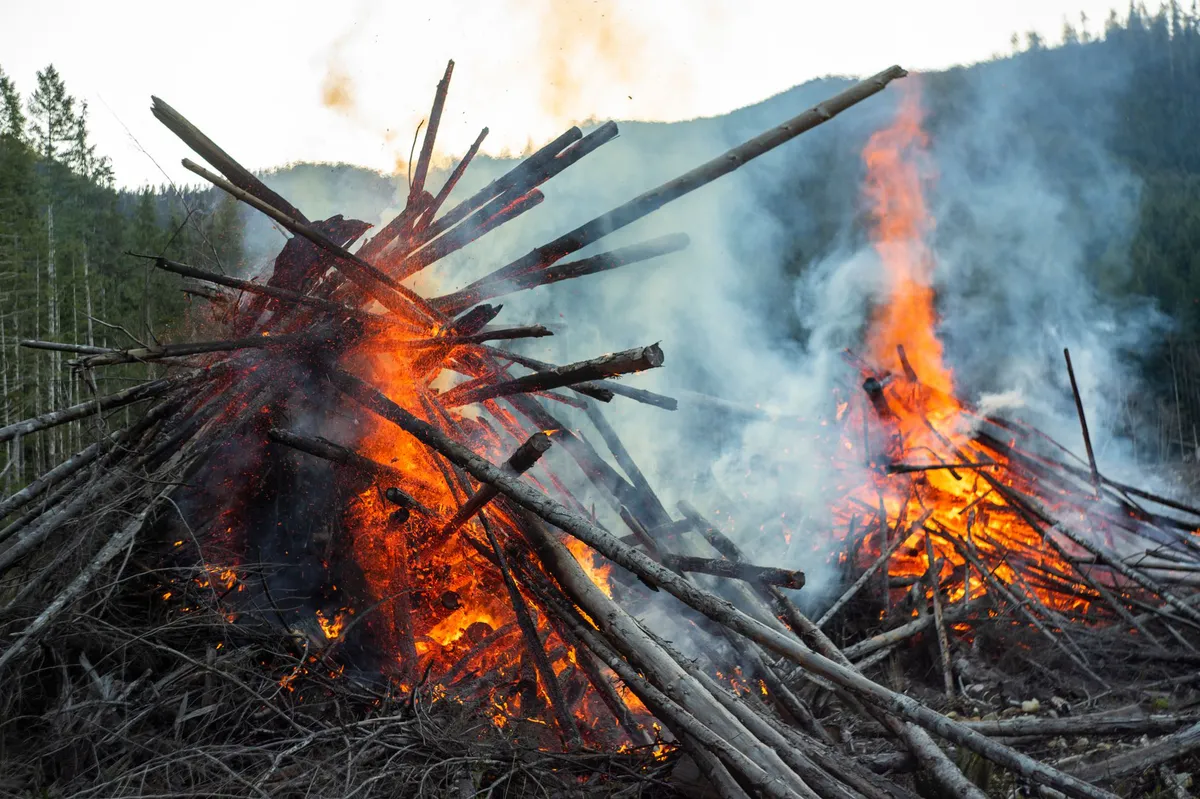
As the summer heat intensifies, British Columbia has found itself battling a fierce wildfire crisis that has forced more than 20,000 residents to flee their homes. With flames raging across Okanagan Lake and the province declaring a state of emergency, the situation has escalated quickly, reflecting not only the immediate dangers faced by residents but also the growing challenges posed by climate change and inadequate wildfire management.
Premier David Eby announced the state of emergency on Saturday, as over 100 wildfires across British Columbia intensified, nearly half of which are currently out of control. The combination of high temperatures, strong winds, and prolonged drought conditions has created a perfect storm for wildfire outbreaks, leading to what officials have described as "explosive" fire behavior that threatens the safety of communities.
Evacuation Orders and Immediate Response
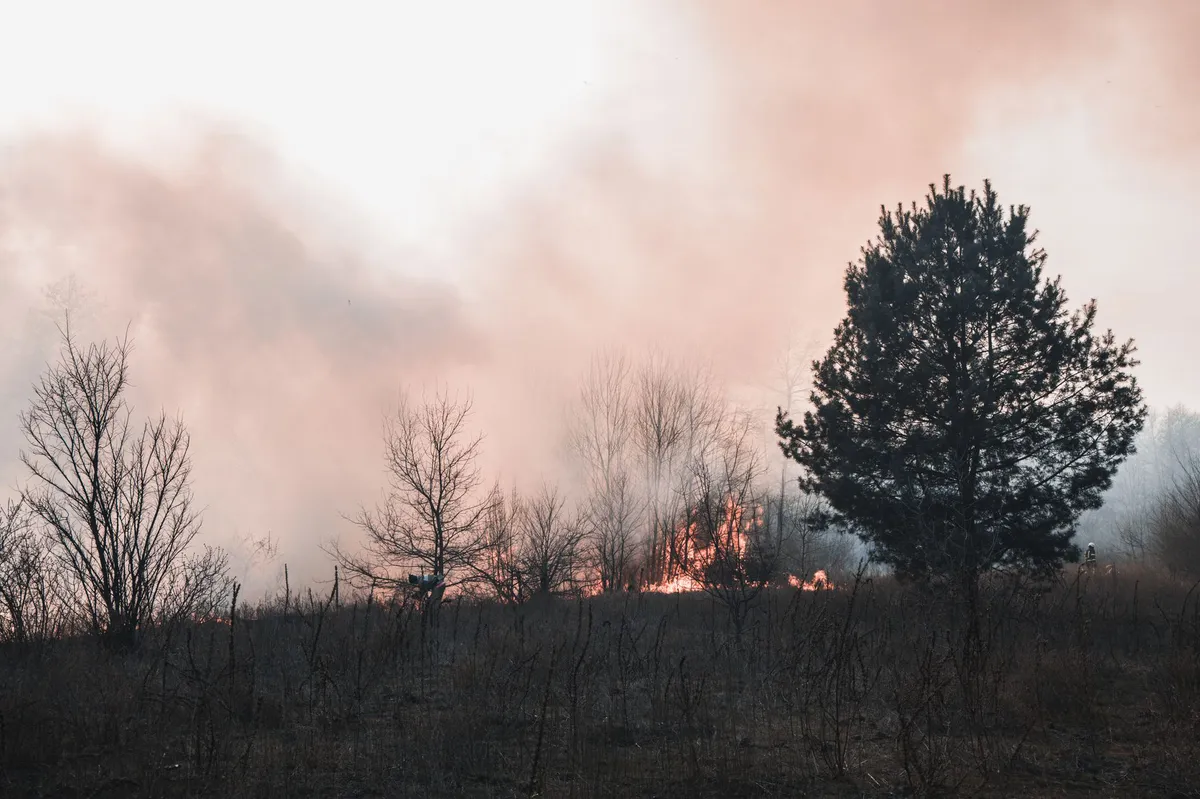
Amid the chaos, areas such as Summerland, home to around 12,000 people, and nearby Peachland, with about 8,000 residents, faced mandatory evacuation orders. The speed at which the Bald Range wildfire advanced—growing to over 100 square kilometers (39 square miles) in a matter of hours—left little time for preparation. Emergency officials, including Erick Thompson of the Regional District of Okanagan-Similkameen, were forced to evacuate their own families, illustrating the urgent and unpredictable nature of the crisis.
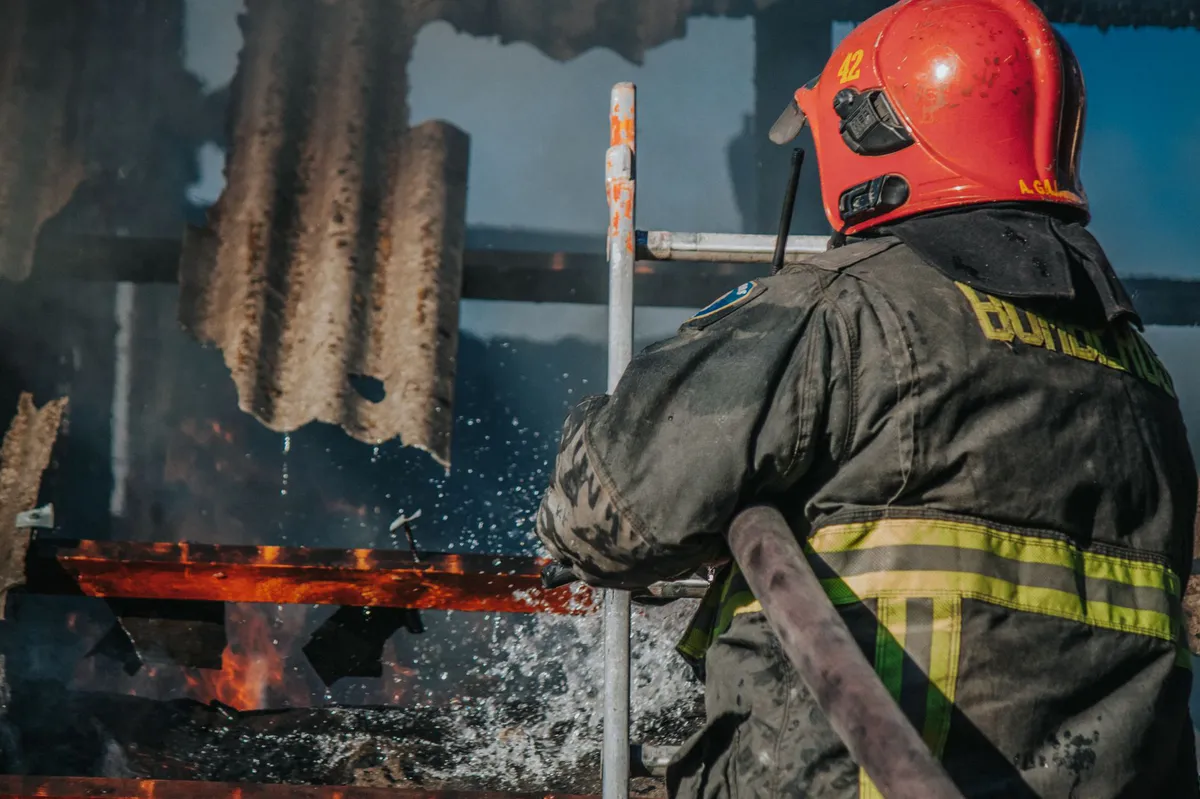
While many residents managed to escape, others found themselves trapped as the fire rapidly advanced. Search-and-rescue teams, utilizing 18 firefighting aircraft, have been deployed to rescue those who were caught in the flames. Tragically, reports of potential fatalities have emerged, with the Royal Canadian Mounted Police investigating a possible wildfire-related death.
Conditions and Challenges on the Ground
The conditions on the ground have been dire. With smoke and flames engulfing homes and businesses, residents fleeing along jammed roads have described scenes reminiscent of a disaster movie. Videos circulating on social media have shown homes ablaze as families attempt to escape the inferno. Premier Eby noted that many people have lost their homes and expressed solidarity with those displaced.
The situation has been compounded by the fact that emergency management officials are also at risk. Highways and major routes through the region, such as Highway 97, have been closed to ensure the safety of both evacuees and emergency responders. The state of emergency grants the province additional powers to secure accommodations for evacuees and restrict travel, crucial steps in managing the unfolding crisis.
The Broader Context of Wildfires in Canada
The wildfires in British Columbia are not an isolated incident; they are part of a troubling trend of increasingly destructive wildfire seasons in Canada. Over the past few years, the country has seen a rise in the frequency and intensity of wildfires, leading to mass evacuations and widespread air quality issues as smoke drifts across large areas of Canada and the United States. The 2023 wildfire season is on track to break previous records, raising concerns about the long-term implications for communities and ecosystems.
The growing severity of these wildfires can be attributed to a variety of factors, including climate change, forest management practices, and urban development in fire-prone areas. As temperatures rise and drought conditions become more prevalent, the risk of wildfires will likely continue to increase, underscoring the need for proactive measures to mitigate their impact.
Community Resilience and Recovery Plans
In the face of such devastation, community resilience will be critical for recovery. Organizations and local governments are stepping up to provide support to evacuees, including establishing evacuation centers in cities like Penticton. Residents like Anette Boulet, who fled with her family and pets, are now facing uncertainty about their homes and futures.
As the situation develops, it becomes imperative for communities and individuals to prepare for potential disasters. This includes having emergency plans in place, understanding evacuation routes, and staying informed about fire conditions through local authorities. With many residents now displaced, it is essential for local governments to implement recovery plans that address both immediate needs and long-term rebuilding efforts.
Key Takeaways
- State of Emergency Declared: British Columbia has declared a state of emergency due to wildfires affecting over 20,000 residents.
- Explosive Fire Conditions: High temperatures, strong winds, and drought have created dangerous fire behavior across the province.
- Community Support Vital: Local organizations are mobilizing to provide assistance to evacuees and support recovery efforts.
- Preparedness is Key: Residents should have emergency plans and remain informed about wildfire risks and evacuation routes.
Frequently Asked Questions
What should I do if I am ordered to evacuate due to a wildfire?
If you receive an evacuation order, it is crucial to leave the area immediately to ensure your safety. Gather essential items such as medications, important documents, and personal belongings. Follow the designated evacuation routes and keep informed by checking local news and government announcements for updates on the situation.
How can I prepare my home for wildfire season?
Preparing your home for wildfire season involves creating defensible space around your property by clearing flammable materials, using fire-resistant landscaping, and maintaining a well-watered yard. Additionally, having an emergency kit ready and knowing your evacuation routes can significantly increase your safety during a wildfire.
What resources are available for evacuees during wildfires?
Evacuees can access various resources, such as evacuation centers set up by local governments, financial assistance programs, and mental health support. Organizations like the Red Cross and local community groups often offer aid to those displaced by wildfires, including food, shelter, and counseling services.
How can communities better prepare for future wildfires?
Communities can improve wildfire preparedness by investing in robust fire management strategies, enhancing public education on wildfire risks, and creating comprehensive emergency response plans. Collaboration between government agencies, non-profits, and local residents is essential to build resilience against future wildfire threats.
This content is general information and not legal advice.
Comments
Meta Ordered to Pay $567 Million for Impact on Youth Mental Health
A New Mexico court has mandated Meta to create a $567 million fund to address the mental health crisis among youth linked to its social media platforms. This ruling follows a jury's finding that Meta knowingly harmed children's mental health and concealed risks associated with its services.

Related articles


Popular in Personal Injury
- Hawaii Supreme Court Overturns 36-Year-Old Rape Conviction Due to Forensic Flaws
- The Impact of Pro Bono Work by BigLaw Firms in 2025
- Albertsons Faces Trial Over Role in Washington's Opioid Crisis
- The Hidden Dangers of Open Manholes in New York City
- Historic $81 Million Verdict in Utah Pedestrian Wrongful Death Case