Cancer Patient Sues Over Warehouse Fire's Lingering Impact
A Los Angeles cancer patient is suing after a warehouse fire left his neighborhood filled with smoke and ash. The lawsuit highlights the struggle for affected residents and the surrounding community's concerns about safety and health.
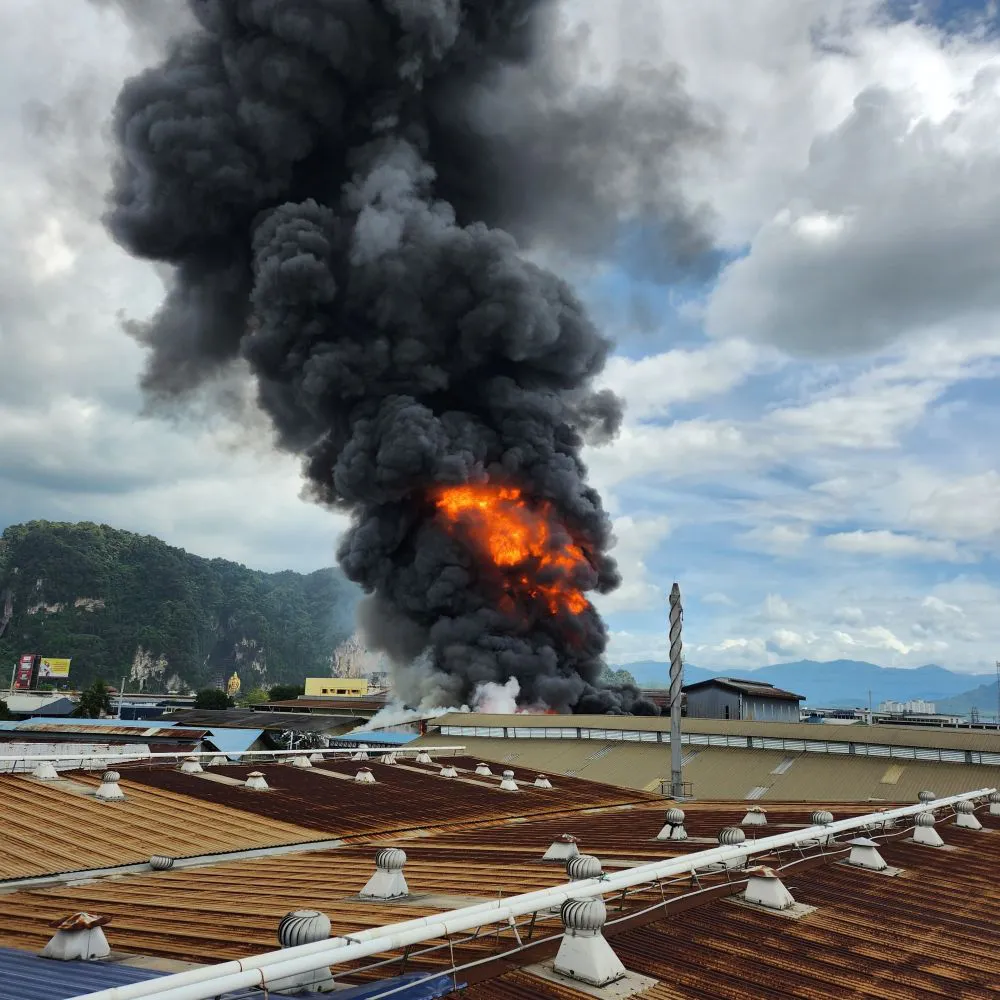
In June, a devastating fire at a cold storage warehouse in Boyle Heights, Los Angeles, sent thick plumes of smoke and ash wafting through the neighborhood, leaving a wake of health concerns and property damage. Among those affected is Eric Lara, a cancer patient who has filed a lawsuit against the companies linked to the warehouse, claiming that the fire’s fallout disrupted his life and forced him to incur significant additional expenses. This incident not only highlights the immediate dangers posed by such fires but also raises critical questions about corporate responsibility and community safety.
As Lara navigates his ongoing cancer treatment, he has been forced to deal with the aftermath of the fire, which ignited on June 17. The smoke infiltrated his home and vehicle, exacerbating his health condition and compelling him to invest in air quality measures that were both costly and necessary for his well-being. His experience illustrates the broader implications of industrial accidents on public health, particularly for vulnerable populations.
The Warehouse Fire: An Overview
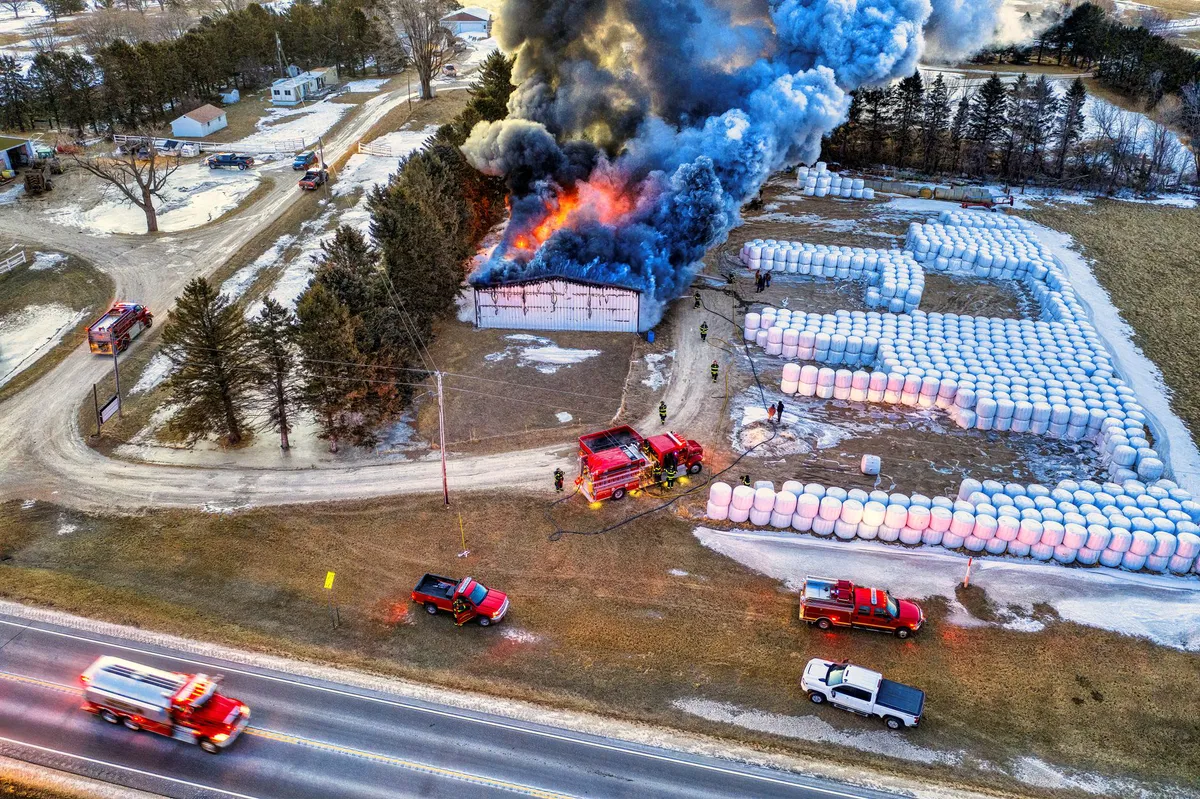
The fire at the warehouse on South Los Palos Street was reported to have started during testing of rooftop solar equipment by a subcontractor associated with Altus Power. While the exact cause remains under investigation, the consequences were swift and severe. Local authorities issued evacuation notices and shelter-in-place orders, urging residents to stay indoors as firefighters battled the blaze for over a week. This prolonged effort culminated in not only smoke and ash but also a strong odor emanating from spoiled food products that had been stored in the facility.
As the fire raged, the public faced health risks associated with poor air quality. Emergency services warned residents about potential toxins released into the atmosphere, leading to a surge of complaints regarding the overpowering smell. The warehouse fire serves as a stark reminder of the potential hazards posed by industrial operations located in populated areas.
Lawsuit Details and Claims
Eric Lara's lawsuit, filed in Los Angeles Superior Court, names several companies, including Lineage Inc. and Altus Power, alleging negligence, public nuisance, premises liability, trespass, strict liability, and unlawful business practices. Lara claims that the warehouse fire led him to purchase multiple air purifiers and run them continuously, significantly increasing his electric bills during a time when he was already dealing with medical expenses related to his cancer treatment. His complaint also warns of potential long-term health implications due to breathing issues linked to the smoke and compromised air quality.
Lara’s case is particularly significant as it seeks to represent not just his individual grievances but also those of other residents impacted by the smoke and ash from the fire. If the court allows his suit to move forward as a class action, it could pave the way for other affected residents to join in seeking compensation for their losses.
- Negligence: Claiming the companies failed to maintain safe operations.
- Public Nuisance: Argues that the fire created hazardous living conditions.
- Premises Liability: Holds property owners accountable for incidents on their premises.
- Trespass: Smoke and ash intruded into Lara's property.
- Strict Liability: Imposes liability without proof of negligence for inherently dangerous activities.

The Impact on the Community
The fire's ramifications extend beyond Lara's personal health concerns, affecting the entire Boyle Heights community. With schools, residential areas, and businesses in close proximity to the warehouse, the incident raised alarms about urban planning practices that permit industrial operations in densely populated neighborhoods. Critics argue that such zoning decisions prioritize economic development at the expense of public safety.
Moreover, the aftermath of the fire has seen local officials and health agencies inundated with complaints regarding air quality and foul odors. Residents have reported significant disruptions to their daily lives, with many expressing fear over the potential long-term health effects of exposure to the smoke and toxins released during the fire.
Legal Ramifications and Corporate Responsibility
The case against Lineage and its associated companies brings to light vital legal principles surrounding corporate accountability in cases of negligence. In many instances, companies can be held liable for damages that arise from their failure to maintain safe practices or respond adequately to hazardous conditions. The legal framework governing such cases is complex, involving issues of liability, damages, and the burden of proof required to establish negligence.
For Lara, establishing negligence will require demonstrating that the defendants had a duty to maintain safety standards and that their actions or inaction directly led to the fire and its consequences. The outcome of this lawsuit could set a precedent for how industrial accidents are handled legally, especially in urban settings where the risk to public health is heightened.

Key Takeaways
- The lawsuit filed by Eric Lara underscores the potential health risks posed by industrial fires, particularly for vulnerable populations such as cancer patients.
- Corporate negligence and liability are central themes, as Lara seeks to hold responsible parties accountable for the fire's impact on his life and the community.
- The case may evolve into a class action, allowing other affected residents to seek compensation for their suffering.
- Public safety concerns surrounding industrial operations in residential areas are highlighted, raising questions about urban planning and zoning laws.
- Future developments in this case could shape legal standards for negligence and liability in similar incidents.
Frequently Asked Questions
What are the grounds for the lawsuit filed by Eric Lara?
Eric Lara's lawsuit is based on several claims including negligence, public nuisance, and premises liability. He alleges that the companies connected to the warehouse failed to maintain safe operations, which led to the dangerous fire and its aftermath that severely impacted his health and quality of life.
How does a class action lawsuit work in this context?
A class action lawsuit allows a group of individuals who have suffered similar harm to band together and file a single lawsuit against one or more defendants. If the court recognizes the case as a class action, other residents affected by the warehouse fire could join Lara in seeking compensation for their losses, which could streamline the legal process and potentially increase the total damages awarded.
What potential outcomes could arise from this lawsuit?
The outcomes of this lawsuit could vary widely but may include financial compensation for Lara and potentially other affected residents if the class action is approved. Additionally, the case could result in punitive damages aimed at holding the responsible parties accountable and ensuring they take necessary precautions in the future to prevent similar incidents from occurring.
What legal responsibilities do companies have in preventing industrial accidents?
Companies are legally obligated to maintain safe working environments and adhere to regulations that minimize risks to public safety. This includes implementing safety protocols, conducting regular inspections, and responding promptly to any hazardous conditions. Failure to meet these obligations can result in liability for damages incurred by individuals affected by industrial accidents.
Disclaimer: This content is general information and not legal advice.
Comments
Understanding Lyft Accident Settlements in Texas: Key Factors and Insights
Navigating Lyft accident settlements in Texas involves understanding various factors that influence compensation amounts. This article breaks down the key elements that affect claims and offers guidance for injured parties on what steps to take post-accident.

Related articles


Popular in Personal Injury
- Hawaii Supreme Court Overturns 36-Year-Old Rape Conviction Due to Forensic Flaws
- The Impact of Pro Bono Work by BigLaw Firms in 2025
- Albertsons Faces Trial Over Role in Washington's Opioid Crisis
- The Hidden Dangers of Open Manholes in New York City
- Historic $81 Million Verdict in Utah Pedestrian Wrongful Death Case