Chicago's Journey Towards Accessible Pedestrian Signals: Progress and Challenges
In a landmark ruling, Chicago is mandated to install accessible pedestrian signals (APS) for blind and low vision pedestrians. A recent report highlights both progress made and obstacles ahead in this ongoing implementation.
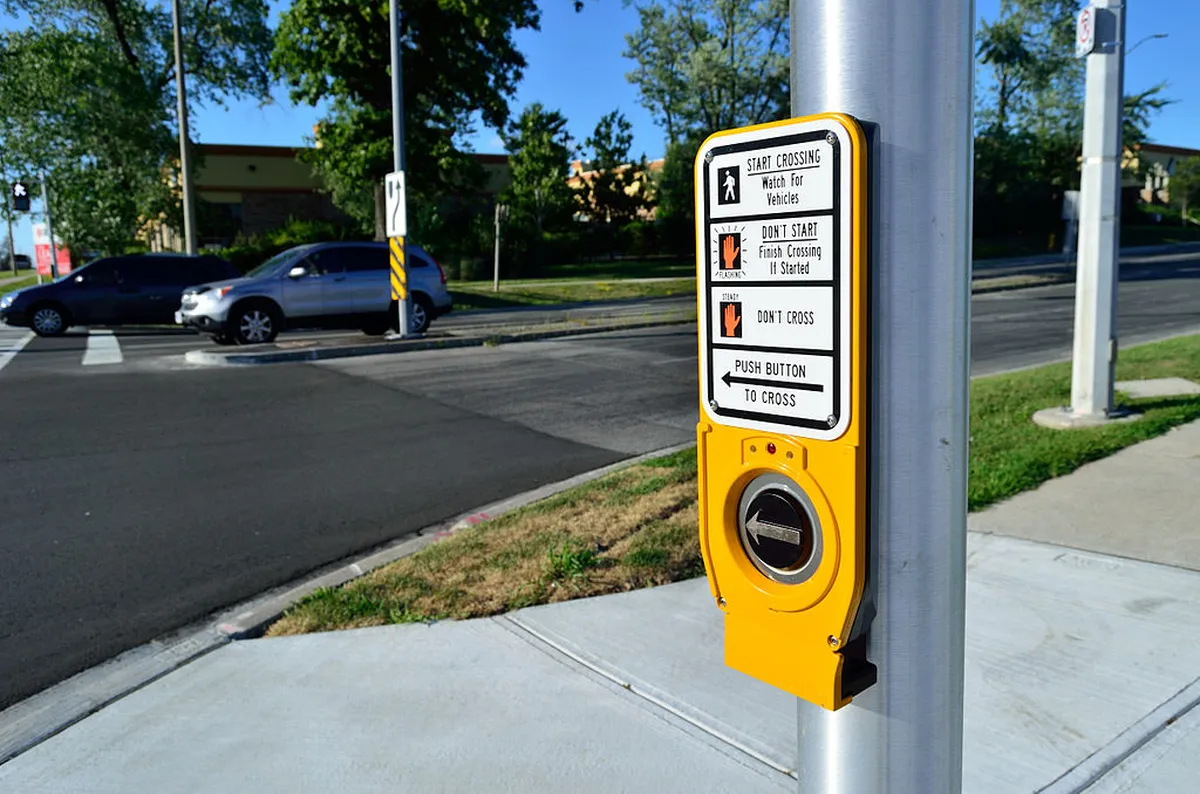
In a significant move towards inclusivity and accessibility, a federal court mandated the City of Chicago to install thousands of accessible pedestrian signals (APS) over the next decade. This directive, stemming from a lengthy legal struggle initiated by advocates for the blind and low vision community, aims to create safer streets for all pedestrians. A recent report by an Independent Monitor, appointed by the court, has provided a detailed evaluation of the city’s efforts in the first year of implementation, revealing both commendable advancements and areas that require urgent attention.
As the city grapples with the challenge of compliance, the stakes are high. For individuals with visual impairments, the presence of APS is not just a matter of convenience; it is a crucial component of their independence and safety in navigating urban environments. The Monitor’s report serves as a critical touchstone in this ongoing effort, shedding light on the progress made and the hurdles that remain on Chicago's path to equitable access.

Background of the Legal Battle
The legal fight for accessible pedestrian signals in Chicago traces back to 2019 when Disability Rights Advocates (DRA) and Proskauer Rose LLP filed a class action lawsuit. The plaintiffs, including the American Council of the Blind of Metropolitan Chicago and individual blind pedestrians, contended that the city’s failure to provide adequate pedestrian signal information was a violation of the Americans with Disabilities Act (ADA) and the Rehabilitation Act. The U.S. Department of Justice later joined the case, amplifying the urgency of the matter.
In 2023, the court ruled in favor of the plaintiffs, determining that Chicago had indeed violated federal disability rights laws. This ruling established a Remedial Plan that necessitated widespread installation of APS, along with stringent requirements for maintenance and community engagement. The plan was not only a legal victory but also a vital step towards fostering a more inclusive environment for pedestrians with visual impairments.
Annual Report Highlights: Progress Made
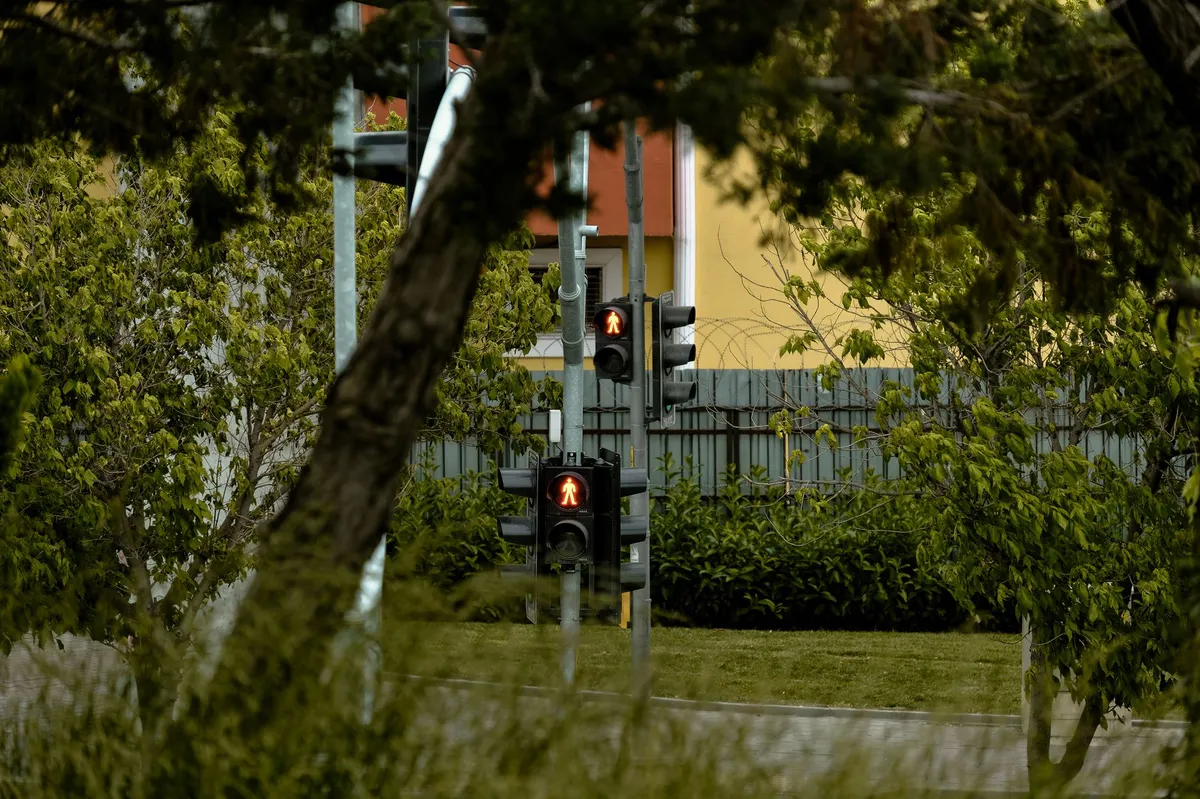
The Independent Monitor’s first annual report, spanning 93 pages, paints a picture of both progress and challenges. Over the past year, the city successfully installed APS at 78 intersections—surpassing the initial requirement by eight. This progress demonstrates Chicago’s commitment to improving accessibility for its residents, particularly those with disabilities.
Key achievements highlighted in the report include:
- Establishment of a Public APS Website: This platform allows community members to submit requests for APS installations and track their status, promoting transparency and community involvement.
- Formation of a Community Advisory Committee: This committee aims to ensure that the voices of those directly affected by the APS installations are heard in the decision-making process.
Long-Term Infrastructure Development
Beyond the immediate installations, the city has begun laying the groundwork for a sustainable APS program. The establishment of infrastructure, such as training for city staff and contractors, is crucial for maintaining the quality of APS installations over the long term.

Identified Challenges and Areas of Concern
Specific deficiencies noted include:
- Placement Issues: Many APS devices were not positioned optimally for user accessibility.
- Functionality Problems: Some devices were found to be non-operational or malfunctioning.
- Maintenance Gaps: Ongoing maintenance protocols have not been consistently followed, leading to further accessibility issues.
The Need for Ongoing Oversight
Rachel M. Weisberg, Directing Attorney at DRA, emphasized the importance of continuous oversight, stating, “The installation alone is not enough. The City must ensure that APS also be properly installed, programmed, and maintained promptly.” This sentiment was echoed by Eddie Young, Senior Counsel at Proskauer, who highlighted the necessity for quality, consistency, and transparency in the city’s future efforts.
Community Engagement and the Path Forward
The voices of those directly impacted by the APS installations are vital in shaping the program’s effectiveness. The Community Advisory Committee plays a crucial role in ensuring that the needs and concerns of blind and low vision pedestrians are prioritized. Furthermore, public involvement through the APS website empowers community members to actively participate in the ongoing development of the program.
Looking ahead, the city must focus on addressing the deficiencies identified in the Monitor’s report. This includes:
- Enhancing Documentation: Clear and organized records of installations and maintenance efforts will aid in tracking progress and accountability.
- Providing Additional Training: Ongoing training for city staff and contractors will be essential for ensuring that APS installations meet the required standards.
- Timely Correction of Deficiencies: Establishing protocols for quick remediation of identified issues will be critical for maintaining the integrity of the APS program.
Key Takeaways
- Chicago is mandated to install thousands of APS over the next decade following a federal court ruling.
- In the first year, the city surpassed installation targets but faces significant compliance challenges.
- Community engagement and ongoing oversight are critical for the success of the APS program.
- The Independent Monitor’s report underscores the necessity for quality, consistency, and transparency.
Frequently Asked Questions
What are Accessible Pedestrian Signals (APS)?
Accessible Pedestrian Signals (APS) are devices that provide auditory and tactile signals to assist blind and low vision individuals in safely navigating intersections. These signals typically include features such as audible tones, speech messages, and tactile surfaces to indicate when it is safe to cross the street. The implementation of APS is essential for ensuring that individuals with visual impairments can navigate public spaces safely and independently.
Why is the Independent Monitor's role important?
The Independent Monitor plays a vital role in evaluating the city's compliance with the court's Remedial Plan. This oversight ensures that the city is held accountable for its commitments to improve accessibility for all pedestrians, particularly those with disabilities. The Monitor's assessments provide transparency and help identify areas for improvement, ultimately contributing to a more effective APS program.
What can community members do to engage with the APS program?
Community members are encouraged to actively participate in the APS program by utilizing the public APS website established by the city. This platform allows individuals to submit requests for APS installations, track their status, and engage with the Community Advisory Committee. By voicing their needs and concerns, residents can play a significant role in shaping the future of pedestrian accessibility in Chicago.
What challenges remain in the APS implementation process?
Despite the progress made in the first year, significant challenges remain in ensuring the technical compliance and functionality of the APS. Issues such as improper placement, maintenance gaps, and non-functional devices must be addressed to guarantee that APS effectively serves the blind and low vision community. Ongoing oversight, community engagement, and a commitment to quality will be essential in overcoming these challenges.
Disclaimer: This content is general information and not legal advice.
Comments
Understanding Lyft Accident Settlements in Texas: Key Factors and Insights
Navigating Lyft accident settlements in Texas involves understanding various factors that influence compensation amounts. This article breaks down the key elements that affect claims and offers guidance for injured parties on what steps to take post-accident.

Related articles



Popular in Personal Injury
- Hawaii Supreme Court Overturns 36-Year-Old Rape Conviction Due to Forensic Flaws
- The Impact of Pro Bono Work by BigLaw Firms in 2025
- Albertsons Faces Trial Over Role in Washington's Opioid Crisis
- The Hidden Dangers of Open Manholes in New York City
- Historic $81 Million Verdict in Utah Pedestrian Wrongful Death Case