Rising Homelessness in Los Angeles: Challenges and Controversies
Recent statistics reveal a concerning rise in homelessness in Los Angeles, reversing previous declines. Mayor Karen Bass attributes this trend to funding cuts and systemic failures, prompting urgent discussions on effective solutions.
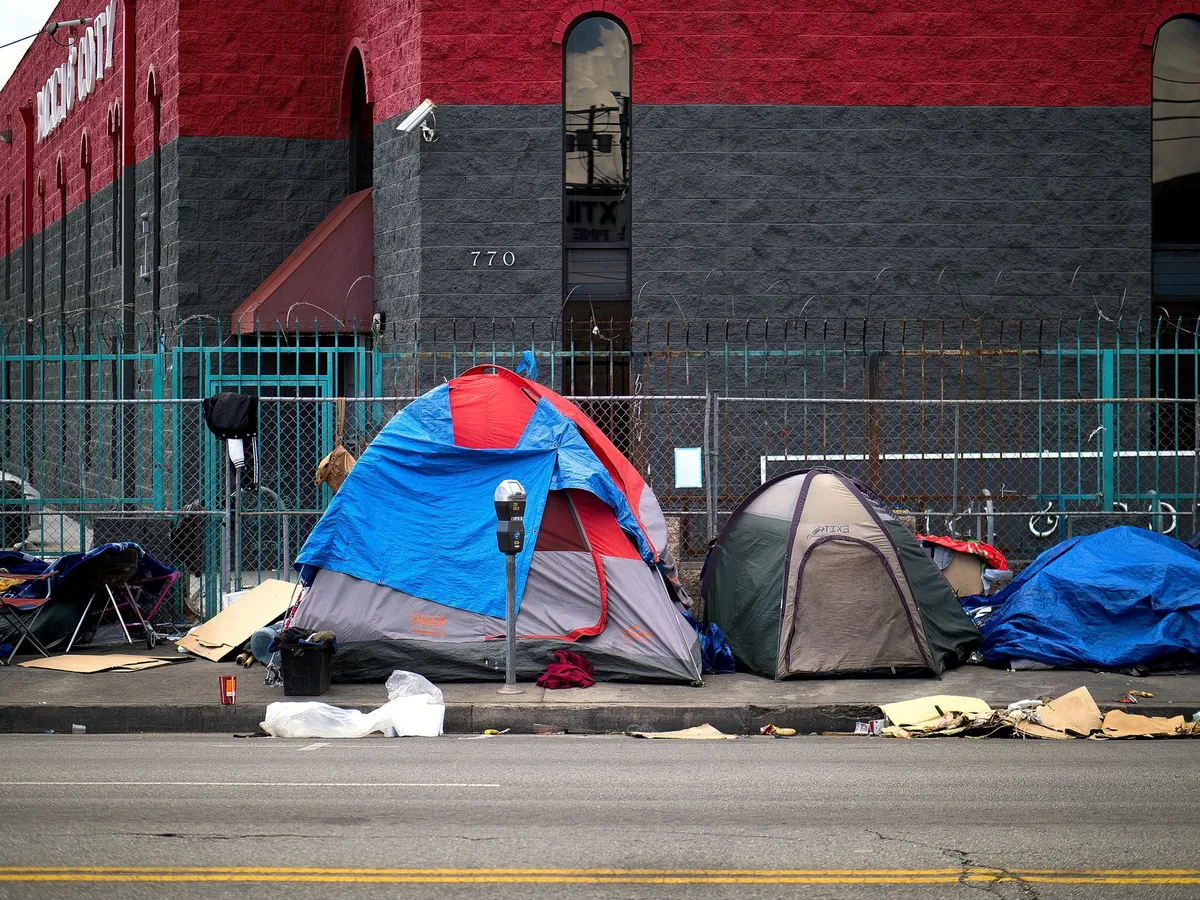
The issue of homelessness in Los Angeles has once again taken center stage, as recent statistics indicate an alarming rise in the number of individuals experiencing homelessness. Following two consecutive years of declines, the latest data from the Los Angeles Homeless Services Authority (LAHSA) reveals a 3.5% increase in homelessness, with the number of unsheltered individuals rising by approximately 8%. This shift poses significant challenges for city officials, particularly for Mayor Karen Bass, who has made combating homelessness a cornerstone of her administration. As the pressures of economic hardship and policy changes converge, the city faces a critical moment in determining its approach to homelessness.
Mayor Bass, in her statements regarding the latest homeless count, attributed the negative trend to cuts in federal and state funding. She emphasized that while there were notable successes in reducing homelessness over the past two years, those efforts were ultimately undermined by broader economic challenges and policy decisions. “For two years straight, we drove down homelessness by historic margins,” Bass stated, “but as expected, last year our efforts ultimately couldn’t keep up with policies and funding cuts at the federal and state levels that pushed more people onto the streets.”
The Legal Framework Behind Homeless Counts
The annual homeless count is a legally mandated “point in time count” that serves as a benchmark for understanding the scale of homelessness in Los Angeles. Conducted every January, this count is crucial for allocating resources and shaping policies targeted at alleviating homelessness. It provides a snapshot of the number of individuals living on the streets, in shelters, or without stable housing. This year’s count results were scheduled for announcement during a press conference, but preliminary reports leaked to the media, offering a glimpse into the troubling data.
The implications of these statistics extend beyond mere numbers; they affect funding allocations, policy decisions, and ultimately, the lives of thousands of Angelenos. The homeless count not only guides local policy but also influences federal and state funding decisions, making its accuracy and integrity paramount.

Political Ramifications of Rising Homelessness
For Mayor Bass, the rising numbers are a setback as she campaigns for reelection amid growing concerns about her administration’s effectiveness in addressing homelessness. Bass's approach, characterized by her Inside Safe program, aimed to transition those living in encampments into shelters, resulting in reported reductions in homelessness in previous years. However, critics argue that the rising numbers undermine her claims of success. In defending her record, Bass pointed to the 11% reduction in homelessness since taking office, emphasizing the placement of tens of thousands into interim housing and significant outreach efforts toward homeless veterans.
Despite these claims, public perception remains mixed. High-profile critics, such as Spencer Pratt, who ran against Bass in the recent election, have positioned homelessness and public safety as central campaign issues. Pratt’s narrative of disorder and rising crime was met with skepticism by Bass, who pointed to statistical improvements in previous years as evidence of progress.
Alternative Approaches to Addressing Homelessness
As the political landscape evolves, alternative approaches to homelessness are gaining traction. City Councilwoman Nithya Raman, who is set to face Bass in a November runoff, has advocated for a more compassionate approach that emphasizes outreach and increased services rather than aggressive encampment removals. Raman’s philosophy aligns with a growing sentiment among advocates who believe that sustainable solutions must prioritize mental health resources and community support, rather than merely displacing individuals from their temporary living situations.
This divergence in strategy highlights the broader debate over how best to tackle homelessness in a city where the crisis has persisted for years. The tension between enforcement and compassion raises critical questions about the efficacy and morality of various approaches in addressing the root causes of homelessness.
Concerns of Mismanagement and Funding Cuts
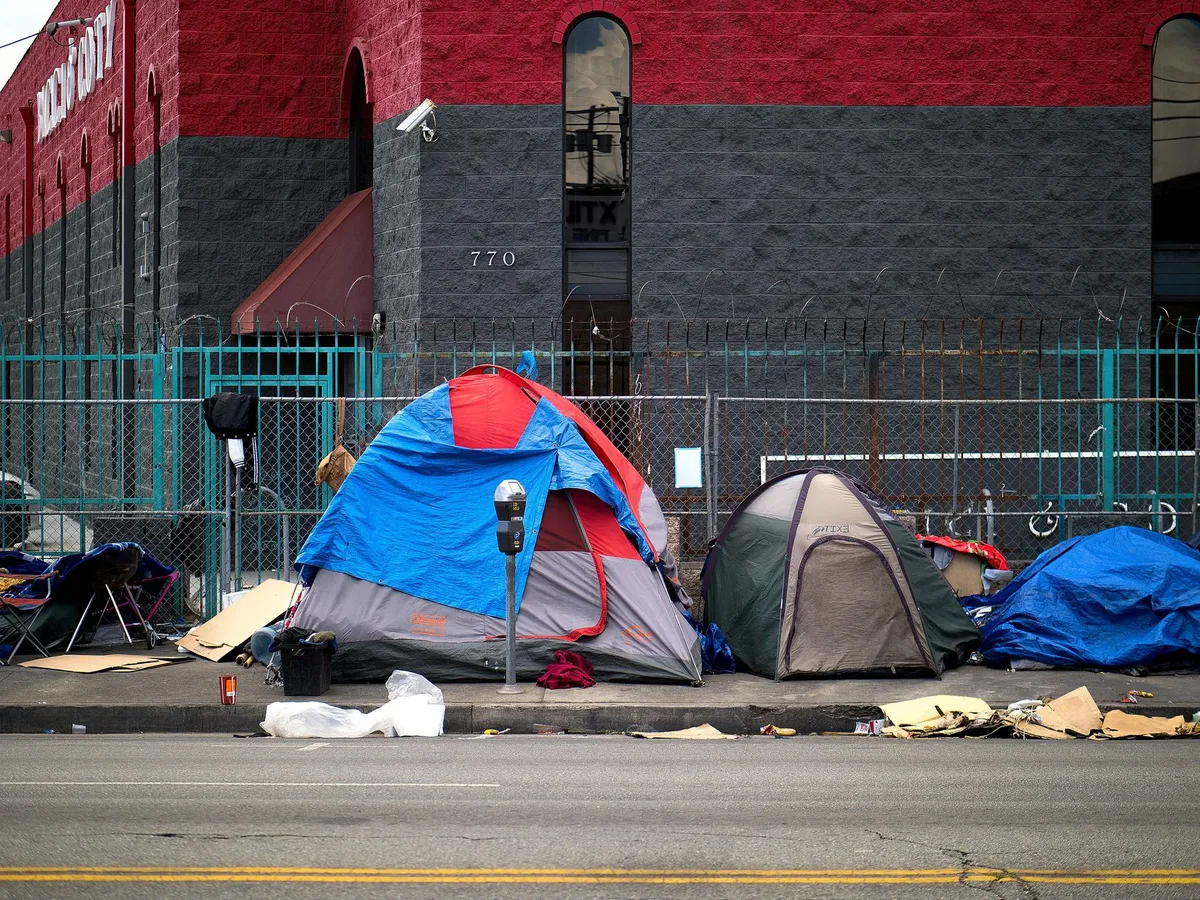
Underlying the current situation are serious concerns regarding the management of homelessness services in Los Angeles. Several nonprofit affordable housing developers have faced accusations of financial mismanagement and fraud, casting a shadow over the city's homeless response system. Additionally, LAHSA, the authority responsible for managing homelessness services, has come under scrutiny for its operational inefficiencies. This scrutiny has extended to the recent decision by the Trump administration to suspend federal funding to the joint city-county authority.
In a recent statement, Mayor Bass acknowledged the need for reform within LAHSA, criticizing the lack of accountability and transparency that has plagued the agency for decades. “We also have to be clear-eyed about what’s not working,” Bass remarked, emphasizing the necessity for a results-driven system that prioritizes the needs of individuals experiencing homelessness over bureaucratic inefficiencies. This call for reform reflects a growing consensus among local leaders that the current system requires substantial changes to regain public trust and effectively address the crisis.

Key Takeaways
- Homelessness in Los Angeles rose by 3.5% in the latest count, with unsheltered individuals increasing by 8%.
- Mayor Karen Bass attributes the rise to funding cuts and economic pressures.
- Criticism of LAHSA highlights issues of mismanagement and calls for reform.
- Alternative approaches to addressing homelessness focus on outreach and community support.
- The upcoming election will further shape the city’s policies on homelessness.
Frequently Asked Questions
What is the point in time count for homelessness?
The point in time count is an annual survey that provides a snapshot of homelessness in a specific area, typically conducted in January. It aims to quantify the number of individuals experiencing homelessness, including those living on the streets, in shelters, or in temporary housing. This data is critical for understanding trends, allocating resources, and shaping policies to address homelessness effectively.
How does funding impact homelessness services in Los Angeles?
Funding plays a crucial role in the effectiveness of homelessness services. Cuts to federal and state funding can limit resources available for shelters, outreach programs, and supportive services. When funding diminishes, agencies may struggle to meet the needs of those experiencing homelessness, leading to increases in the homeless population, as seen in the recent count results.
What strategies are being proposed to combat homelessness?
Strategies to combat homelessness vary widely. Some politicians advocate for aggressive measures, such as clearing encampments, while others, like Councilwoman Nithya Raman, promote a more compassionate approach focused on outreach and increased services. Effective strategies often involve a combination of immediate support for individuals as well as long-term solutions, such as affordable housing and mental health services.
How does political leadership influence homelessness policy?
Political leadership significantly influences how homelessness is addressed at both local and state levels. Leaders set priorities, allocate funding, and promote specific strategies. The current political climate, including upcoming elections, can greatly impact policies and public sentiment regarding homelessness, as leaders may adapt their positions based on constituency concerns and emerging data.
This content is general information and not legal advice.
Comments
Oklahoma Businessman Waives $120 Million Bankruptcy Discharge Amid Fraud Allegations
Michael Ray Friday's bankruptcy case highlights the importance of full financial disclosure. After a federal investigation uncovered hidden assets and undisclosed income, he forfeited a chance to eliminate over $120 million in debts.

Related articles







Popular in Personal Injury
- Hawaii Supreme Court Overturns 36-Year-Old Rape Conviction Due to Forensic Flaws
- The Impact of Pro Bono Work by BigLaw Firms in 2025
- Albertsons Faces Trial Over Role in Washington's Opioid Crisis
- The Hidden Dangers of Open Manholes in New York City
- Historic $81 Million Verdict in Utah Pedestrian Wrongful Death Case