Harnessing AI in Forensic Meteorology: A New Era in Weather Analysis
Artificial Intelligence is revolutionizing forensic meteorology, enhancing the speed and accuracy of post-storm analysis. As extreme weather events increase, understanding these developments is crucial for legal and insurance sectors.
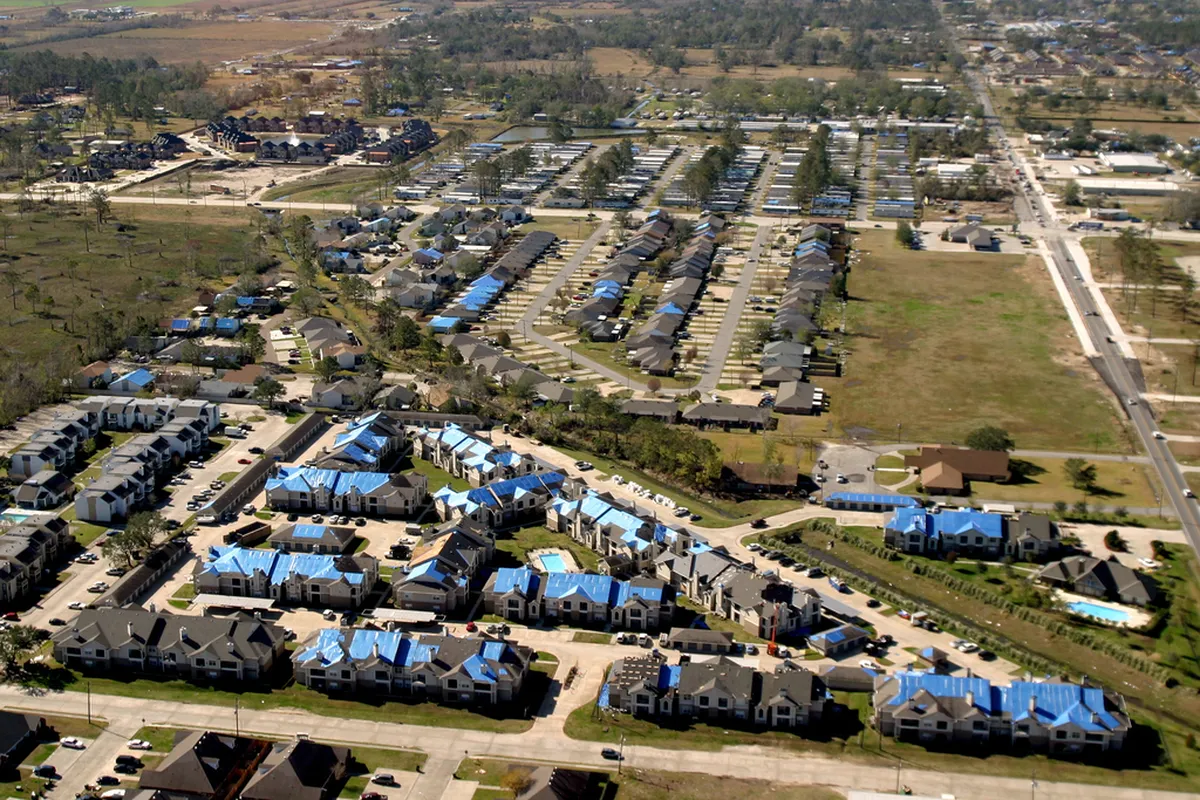
The science of forensic meteorology is more relevant today than ever before, especially as the United States grapples with an alarming increase in extreme weather events. With an average of over 23 billion-dollar weather disasters each year, the need for precise and reliable weather reconstruction has never been greater. Enter artificial intelligence (AI), a game-changing tool that is enhancing the capabilities of forensic meteorologists, allowing them to analyze complex weather data faster and with greater accuracy. This shift not only impacts how damages are assessed in the wake of catastrophic weather events but also significantly influences legal proceedings and insurance claims.
Consider the derecho that struck Houston, Texas, in May 2024. This powerful storm caused extensive damage, surprising even seasoned insurance adjusters with its intensity. The derecho resulted in more destruction than Hurricane Beryl, which followed just two months later. While the latter was a tropical system that was closely monitored, the derecho arrived with little warning, leaving behind a tangled web of insurance disputes as parties struggled to determine the cause and extent of the damage. This scenario highlights the crucial role forensic meteorologists play in analyzing weather events post-factum, and how advancements in AI are set to reshape this field.
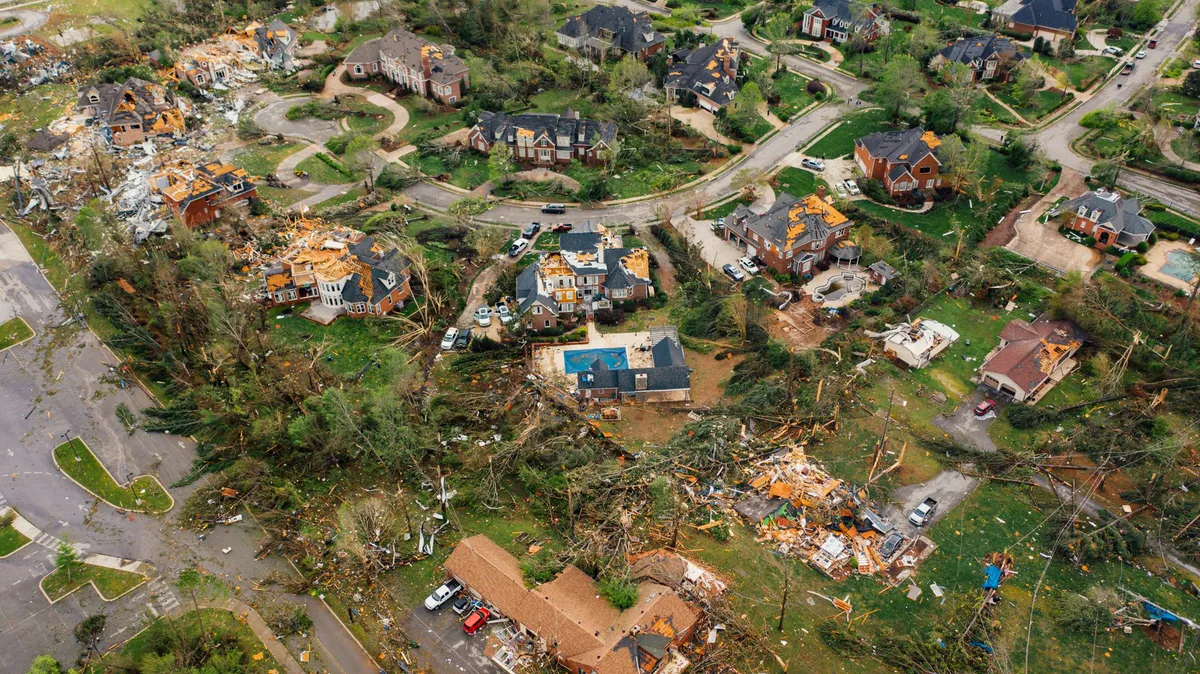
The Crucial Distinction: Weather Forecasting vs. Forensic Meteorology
Forensic meteorology often gets confused with weather forecasting, yet the two serve distinctly different purposes. Weather forecasting answers the question, “What will happen?” while forensic meteorology investigates, “What did happen?” The latter relies on a meticulous analysis of historical weather data and seeks to establish what occurred during specific weather events. This is particularly relevant in legal contexts where the burden of proof is paramount.
How Forensic Meteorologists Reconstruct Weather Events
To reconstruct past weather conditions, forensic meteorologists utilize a robust network of data sources. The United States hosts over 900 Automated Surface Observing Systems (ASOS) and approximately 650 additional Automated Weather Observing Systems (AWOS). These systems continuously record vital meteorological data such as temperature, humidity, and wind speed. However, the gaps between these stations can result in significant discrepancies, necessitating the integration of radar data for a more comprehensive analysis.
The U.S. also maintains over 200 Next Generation Weather Radar (NEXRAD) and Terminal Doppler Weather Radar (TDWR) systems that scan the atmosphere at one- to two-minute intervals. These technologies enable forensic meteorologists to pinpoint exact weather conditions—down to specific locations and times—helping to clarify the circumstances surrounding incidents like slip-and-fall accidents or vehicle collisions in adverse weather. When assessing slip-and-fall cases, for example, it’s critical to consider localized conditions such as ground temperature and sunlight exposure that can create hazardous conditions uniquely.
AI's Transformative Impact on Forensic Meteorology
Artificial intelligence is emerging as a powerful ally in forensic meteorology, amplifying the capabilities of meteorologists by enabling faster and more efficient data analysis. Traditional methods required painstaking manual efforts that could take days or weeks to produce reliable weather reconstructions. With AI tools, however, this process can now be completed in mere minutes.
Faster Analysis and Pattern Recognition
AI systems can sift through vast amounts of atmospheric data, identifying intricate weather patterns that might elude human analysis. This is especially useful in complex cases where microclimatic conditions can greatly influence outcomes. For instance, AI can help determine why ice formed at one specific location while nearby conditions remained clear, a critical detail in legal disputes over liability in slip-and-fall cases.
Moreover, AI can generate ensemble outputs that combine multiple models, offering a range of statistically weighted possibilities instead of a single prediction. This probabilistic approach enhances the credibility of expert testimony in court, particularly in cases where foreseeability or causation needs to be established.

The Risks and Limitations of AI in Forensic Meteorology
Despite its promising capabilities, the application of AI in forensic meteorology is not without its challenges. One of the most pressing issues is the quality of input data. AI-generated reports are only as reliable as the data fed into them, and poor-quality data can lead to misleading conclusions. This phenomenon is often summarized by the phrase “garbage in, garbage out.”
Furthermore, courts are increasingly cautious about accepting AI-generated data without thorough validation by qualified experts. Under the Daubert standard, which governs the admissibility of expert testimony in federal courts, evidence must be based on reliable methodologies with known error rates and general acceptance within the scientific community. As AI tools become more prevalent, the legal system must grapple with how to incorporate these innovations while maintaining rigorous standards for quality and reliability.
Real-World Applications of Forensic Meteorology
The applications of forensic meteorology are vast, encompassing a wide range of scenarios that can influence legal outcomes, insurance claims, and public safety. Some common areas where forensic meteorology plays a pivotal role include:
- **Slip-and-fall accidents**: Analyzing ice or wet conditions to determine liability.
- **Motor vehicle accidents**: Assessing weather factors like fog, ice, or rain that may have contributed to the incident.
- **Aviation incidents**: Investigating turbulence or icing conditions that could have led to accidents.
- **Property insurance claims**: Evaluating storm damage from hail, wind, or flooding.
- **Construction safety**: Determining if hazardous weather conditions warranted halting work on sites.
As extreme weather events continue to rise, the demand for forensic meteorology is expected to grow, making the integration of AI into this field both timely and necessary.
Key Takeaways
- Forensic meteorology distinguishes between predicting and reconstructing weather events, providing crucial insights in legal contexts.
- AI enhances forensic meteorology by allowing faster analysis and identifying complex weather patterns.
- The reliability of AI-generated data depends heavily on the quality of input data and expert validation.
- Courts remain cautious about accepting AI evidence without proper scrutiny, adhering to strict standards for expert testimony.
- As extreme weather incidents escalate, the role of forensic meteorology will become increasingly vital in legal and insurance matters.
Frequently Asked Questions
What is forensic meteorology?
Forensic meteorology is the science of reconstructing past weather conditions to determine what occurred at a specific time and location. It is commonly used in legal cases, insurance disputes, and accident investigations to provide evidence that can influence legal outcomes.
How does AI assist forensic meteorologists?
AI helps forensic meteorologists analyze large datasets more efficiently, enabling them to generate weather reconstructions in a fraction of the time traditionally required. It identifies complex weather patterns and produces probabilistic outputs, enhancing the accuracy and reliability of analyses presented in court.
Are AI-generated weather reports accepted in court?
Not always. While AI can provide valuable insights, courts typically require expert validation of AI-generated reports since they may lack transparency or independent verification. Under standards like Daubert, expert evidence must be based on reliable methods and generally accepted within the scientific community.
What are the main limitations of AI in forensic meteorology?
AI's limitations include susceptibility to inaccuracies if the input data is incomplete or flawed. Without expert interpretation, AI-generated results may lead to misleading conclusions that fail to meet legal or scientific standards.
Comments
Navigating the Complexities of Divorce and Workplace Injury: Essential Guidance
Divorce and workplace injuries are two of life's most challenging experiences. This guide offers critical insights on managing your well-being during a divorce and recognizing hidden symptoms of workplace injuries, specifically nervous system damage.

Related articles



Popular in Personal Injury
- Hawaii Supreme Court Overturns 36-Year-Old Rape Conviction Due to Forensic Flaws
- The Impact of Pro Bono Work by BigLaw Firms in 2025
- Albertsons Faces Trial Over Role in Washington's Opioid Crisis
- The Hidden Dangers of Open Manholes in New York City
- Historic $81 Million Verdict in Utah Pedestrian Wrongful Death Case