Manhattan Arson Incident Highlights Tensions Surrounding ICE Facilities
A U.S. Army veteran faces serious arson charges after setting fire outside a Manhattan ICE facility, reflecting growing tensions surrounding immigration enforcement. This incident raises questions about mental health, public safety, and the contentious role of ICE in American society.
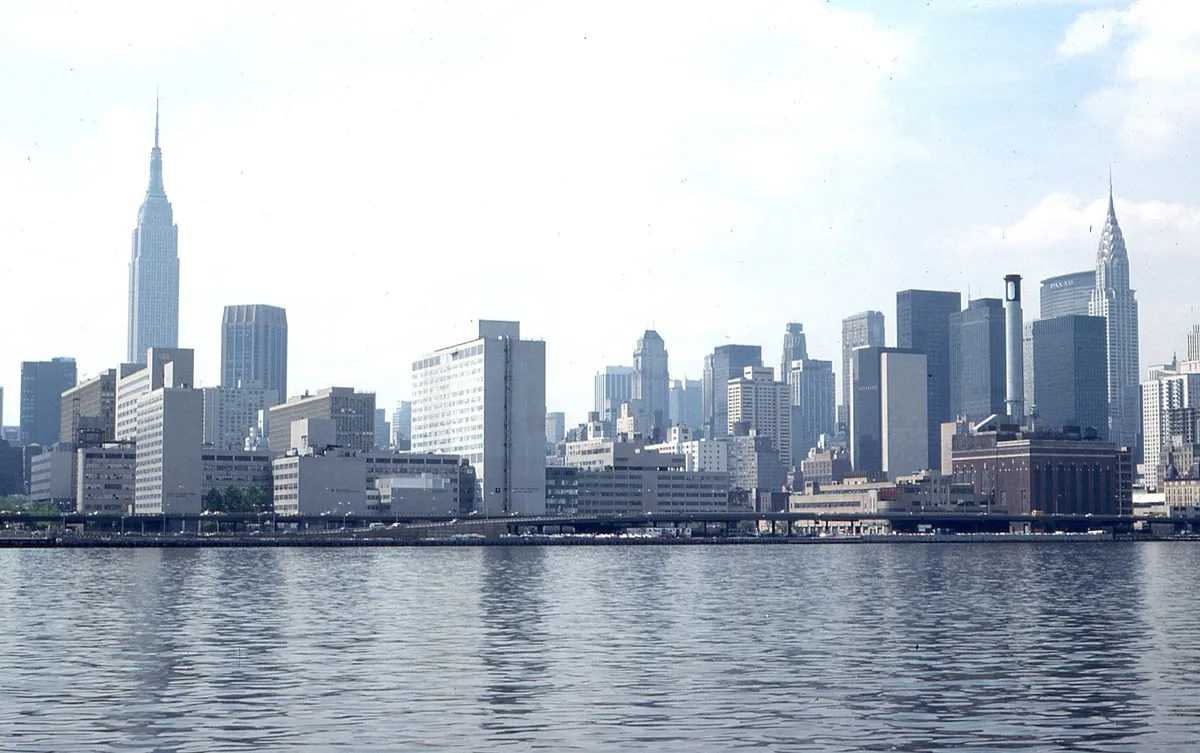
The recent arson incident outside a federal immigration facility in Manhattan has sparked significant public and legal discourse. On a busy weekday morning, Andrew Arrabaca, a 43-year-old U.S. Army veteran, allegedly set ablaze a section of the pavement in front of 26 Federal Plaza, a building that houses the controversial U.S. Immigration and Customs Enforcement (ICE) offices. This act of violence, which included the use of fireworks, not only endangered lives but also disrupted the daily operations of a federal agency that has become a focal point in the ongoing debate over immigration policy in the United States.
Arrabaca's actions have drawn attention not only for their immediate danger but also for the underlying motivations that led to such extreme behavior. The charge of arson against him carries a mandatory minimum sentence of seven years in prison, highlighting the severity of his alleged crime. As he appeared in federal court, prosecutors detailed a troubling narrative about a man who, faced with personal struggles, resorted to violence against a symbol of government authority.
The Events Leading Up to the Arson
According to federal prosecutors, Arrabaca meticulously planned the attack for several months, with evidence suggesting he began preparing as early as January. His premeditated actions included purchasing gasoline, fireworks, and various weapons, which he intended to use in a calculated assault against the ICE facility. The timeline of events leading up to the incident reveals a deep-seated frustration with the immigration enforcement system, as evidenced by the anti-ICE literature he carried with him on the day of the attack.
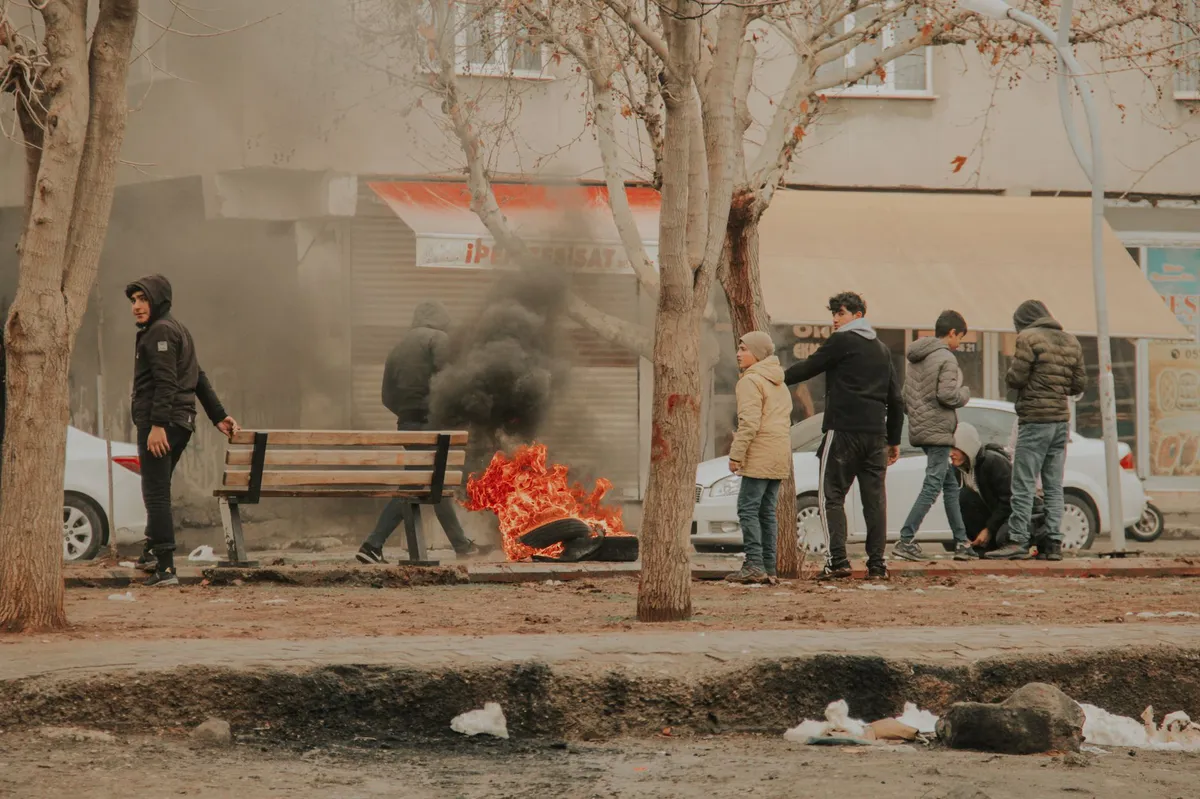
During the chaotic morning commute, Arrabaca reportedly fired shots from an airsoft rifle and ignited fireworks, resulting in explosions and clouds of smoke that filled the streets of Lower Manhattan. The incident not only injured several individuals, including federal employees, but also forced the cancellation of a naturalization ceremony, an irony not lost on observers given the context of his actions.
Legal Consequences of Arson
Under U.S. federal law, arson is a serious crime that involves the intentional setting of a fire to property, particularly when that property is owned by the government. In this case, the charge against Arrabaca is compounded by the potential for significant harm to individuals and the public. The mandatory minimum sentence of seven years reflects the government's stance on protecting federal property and the public from acts of violence.
In federal court, Magistrate Judge Robyn Tarnofsky emphasized the troubling nature of the crime, considering the premeditation and the timing of the attack. This case serves as a reminder of the legal system's approach to violent crimes, particularly those that endanger public safety. Arrabaca's case will likely hinge on several factors, including his mental health and the motivations behind his actions.
- Premeditation: Arrabaca planned the attack for months, indicating a serious intent to commit violence.
- Injury to Public Servants: The incident injured federal employees, enhancing the severity of the charges.
- Impact on Legal Proceedings: The attack disrupted a naturalization ceremony, illustrating the broader implications of violence against government facilities.
The Role of Mental Health in Legal Proceedings
Arrabaca's defense has indicated a desire for him to receive treatment at a Veterans Affairs hospital rather than incarceration. This raises important questions about mental health issues among veterans, especially those facing challenges reintegrating into civilian life after military service. The judge acknowledged the complexities of Arrabaca's situation, noting that he had served the country but appeared to be suffering from significant mental health issues.
The legal system often grapples with how to address mental health within the context of criminal behavior. While some defendants may be offered treatment as part of their sentencing, others face the full weight of the law regardless of their mental health status. The challenge lies in balancing public safety with compassion for individuals struggling with psychological disorders.
The Broader Context of ICE and Immigration Enforcement
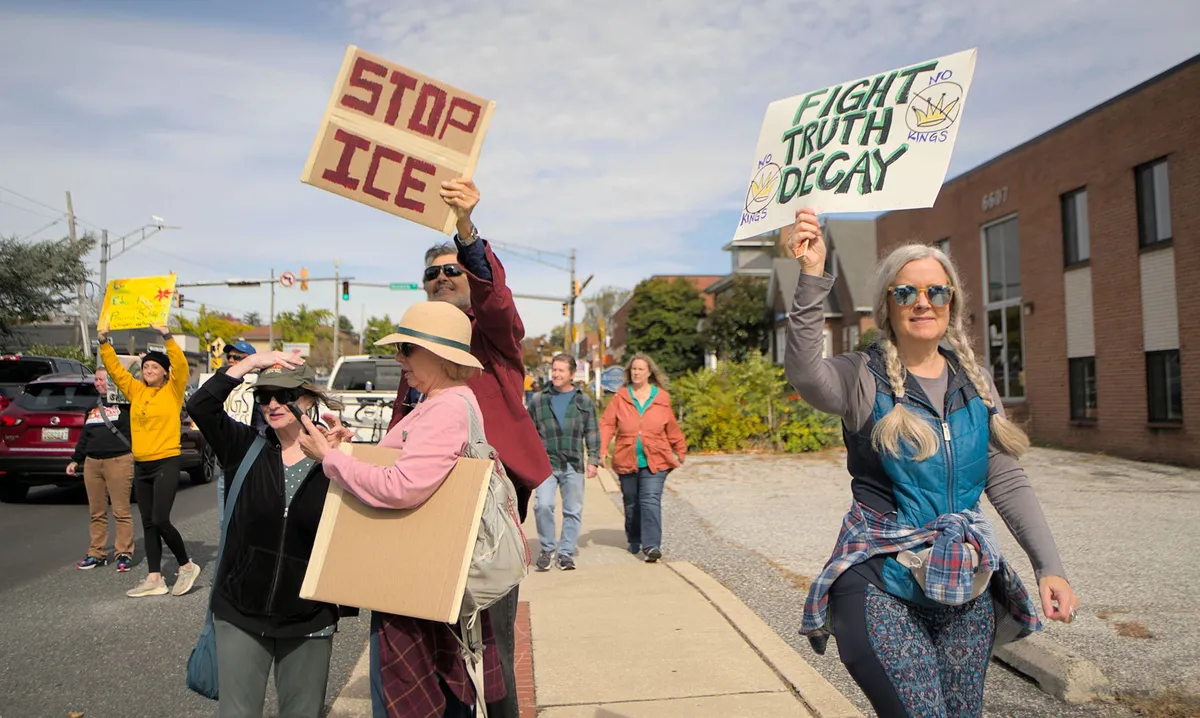
The site of the arson, 26 Federal Plaza, has become a controversial symbol in the national debate over immigration policy. As the largest immigration court in Manhattan, it has witnessed numerous protests against ICE and its practices, which many view as overly aggressive and harmful to immigrant communities. Critics argue that ICE's tactics, including conducting arrests directly outside immigration courtrooms, create an atmosphere of fear for individuals seeking legal asylum or residency.
Following the incident, James Barnacle, assistant director in charge of the FBI's New York field office, labeled Arrabaca as an “anti-American, anti-government extremist.” This characterization underscores the potential radicalization that can occur when individuals become disillusioned with governmental institutions. The case serves as a stark reminder of the tensions surrounding immigration enforcement and the extreme responses that can arise from deep-seated frustrations.
Key Takeaways
- Arson Charges: Arrabaca faces serious legal repercussions with a mandatory minimum sentence of seven years.
- Mental Health Considerations: The case highlights the need for mental health support for veterans and individuals in crisis.
- Impact of Immigration Policy: The incident reflects broader societal tensions regarding immigration enforcement and the role of ICE.
Frequently Asked Questions
What are the potential penalties for arson in federal court?
In federal court, arson is considered a serious offense, particularly when it involves government property. The penalties can range significantly based on the circumstances of the crime, but a conviction often carries a mandatory minimum sentence of seven years in prison. Factors such as premeditation, the extent of damage caused, and injuries to individuals can lead to even harsher sentences.
How does the legal system address mental health in criminal cases?
The legal system addresses mental health in various ways, often depending on the nature of the crime and the defendant's mental state. Individuals may be evaluated for competency to stand trial, and some may receive treatment instead of incarceration if their mental health issues significantly contributed to their actions. However, the balance between public safety and compassion for defendants with mental health challenges remains a complex issue within the judicial process.
What factors contributed to Arrabaca's actions?
Arrabaca's actions appear to stem from a combination of personal struggles, including homelessness and mental health issues, along with a deep-seated frustration with the immigration enforcement system. His planning and execution of the attack suggest that he felt compelled to express his anger against ICE, which he viewed as a symbol of government oppression. This incident serves as a case study of how personal and societal factors can intersect in tragic ways.
What is the current status of ICE practices in immigration courts?
ICE's practices in immigration courts have been contentious, particularly regarding the agency's tactics of conducting arrests near courtrooms. While a federal judge recently imposed restrictions on these practices, ICE has continued to carry out some arrests in these locations, leading to ongoing protests and legal challenges. The situation remains fluid, with advocates calling for more humane treatment of immigrants and a reevaluation of ICE's role in the judicial process.
This article is for informational purposes only and should not be considered legal advice.
Comments
Harnessing AI in Forensic Meteorology: A New Era in Weather Analysis
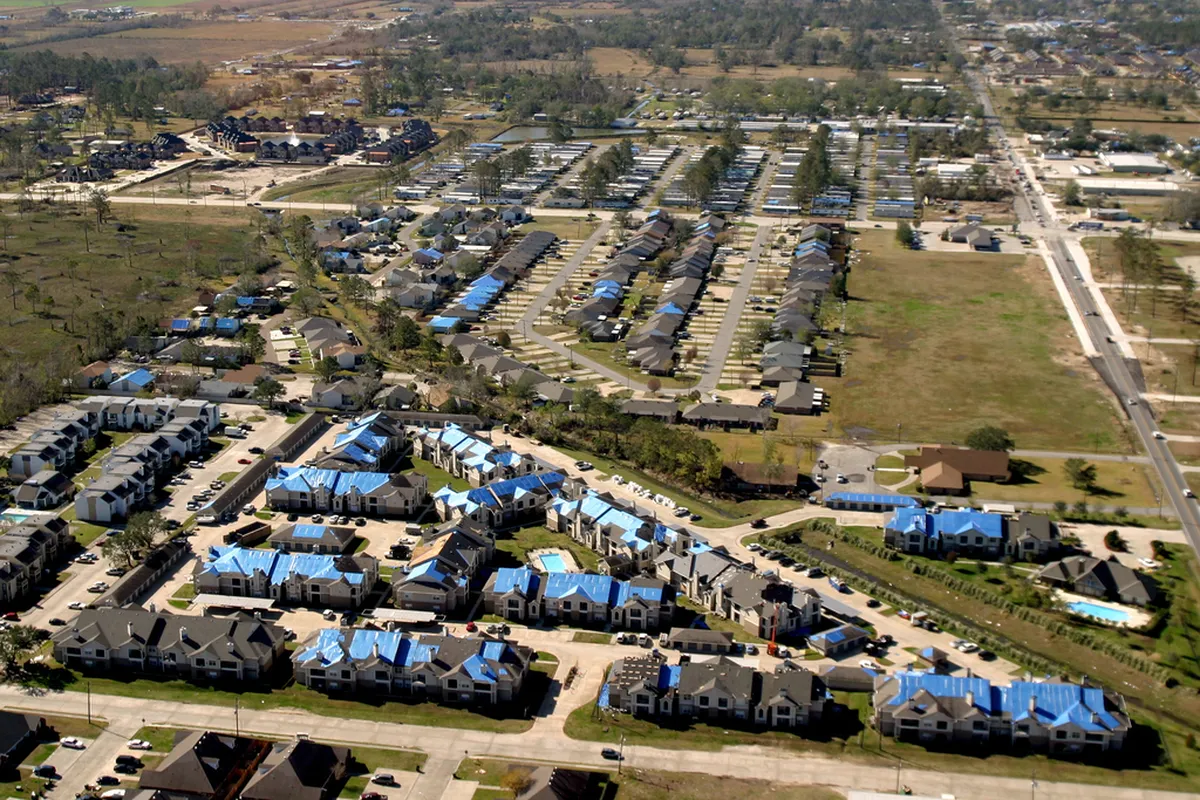
Artificial Intelligence is revolutionizing forensic meteorology, enhancing the speed and accuracy of post-storm analysis. As extreme weather events increase, understanding these developments is crucial for legal and insurance sectors.
Related articles




Popular in Personal Injury
- Hawaii Supreme Court Overturns 36-Year-Old Rape Conviction Due to Forensic Flaws
- The Impact of Pro Bono Work by BigLaw Firms in 2025
- Albertsons Faces Trial Over Role in Washington's Opioid Crisis
- The Hidden Dangers of Open Manholes in New York City
- Historic $81 Million Verdict in Utah Pedestrian Wrongful Death Case