Southwest Airlines Faces Lawsuit Over In-Flight Sexual Assault Incident
A 20-year-old woman has filed a lawsuit against Southwest Airlines following an alleged sexual assault by a visibly intoxicated passenger during a flight. The case raises critical questions about airline safety protocols and passenger rights.
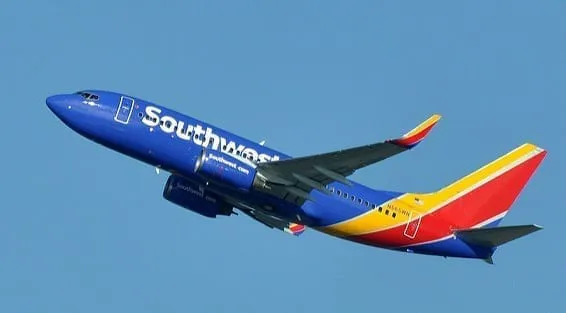
In a deeply troubling case that highlights the ongoing issues of safety and accountability in air travel, a 20-year-old woman has filed a lawsuit against Southwest Airlines after she was allegedly sexually assaulted by a visibly intoxicated passenger during a flight from Seattle to Sacramento. This incident, which occurred on August 9, 2024, raises significant questions about airline policies regarding intoxicated passengers and the responsibilities airlines have to protect their customers.
The lawsuit, filed by the plaintiff’s attorneys, accuses Southwest Airlines of negligence, claiming that the airline failed to take appropriate action to protect the young woman from an intoxicated individual who was not only visibly impaired but also continued to be served alcohol during the flight. The details of the incident paint a disturbing picture of harassment that began the moment the passenger, Jeff Lorenzo, boarded the plane and persisted throughout the flight.
Background of the Incident
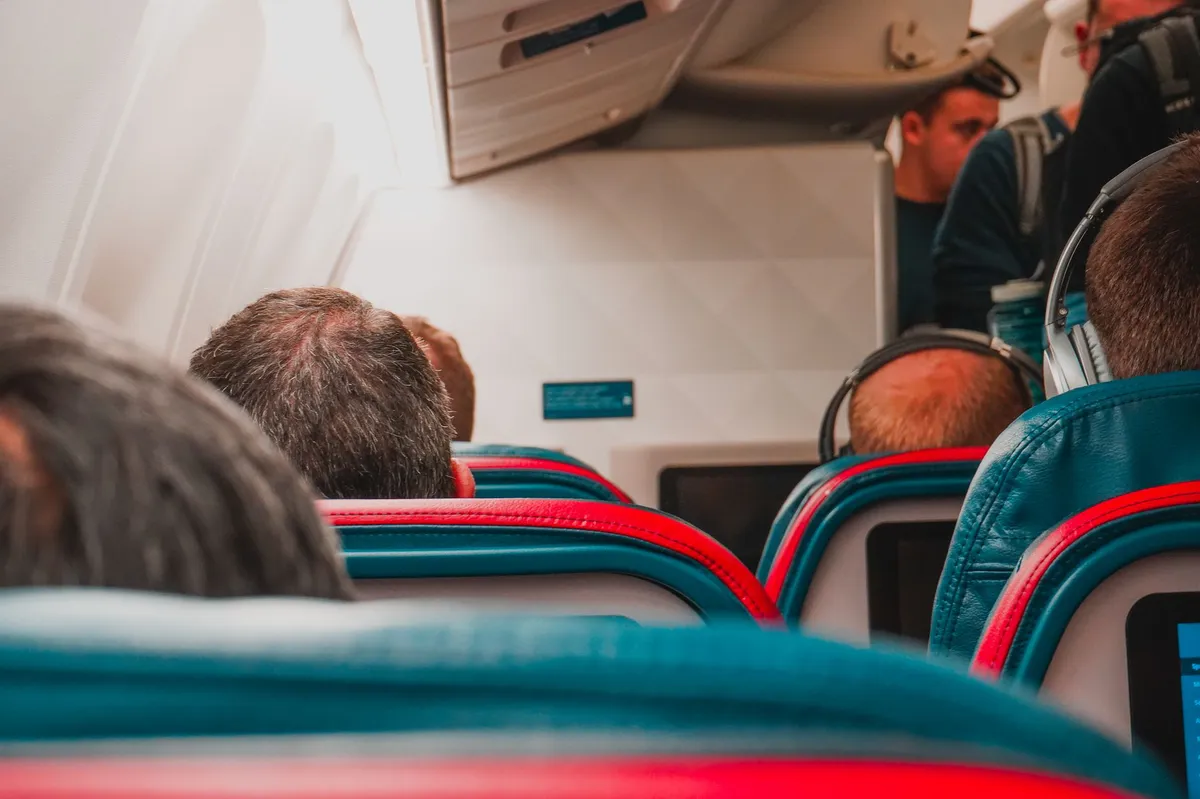
According to the lawsuit, Lorenzo was assigned a seat next to the plaintiff and her colleague. He reportedly began drinking before arriving at Seattle-Tacoma International Airport and continued to consume alcohol at an airport bar before boarding. Once on the flight, flight attendants allegedly served him at least two more alcoholic beverages. The plaintiff's attorneys argue that Lorenzo's behavior—ranging from dropping his phone inappropriately to lifting the armrest and making unwelcome physical contact—should have alerted the crew to his intoxication and potential threat.
The lawsuit asserts that Lorenzo's actions escalated to sexual assault, with the plaintiff describing incidents where he placed his head near her crotch and repeatedly extended his arm across her body. This pattern of behavior created a hostile environment that the airline staff failed to address, even as it became increasingly apparent that the situation was deteriorating.
Legal Implications of the Case
The legal ramifications of this case are significant, both for the plaintiff and for Southwest Airlines. The suit not only targets the individual who allegedly assaulted the woman but also holds the airline accountable for negligence. Under U.S. law, airlines have a duty of care to ensure the safety of their passengers. This includes taking appropriate measures to prevent intoxicated individuals from boarding and serving alcohol excessively.
Mark Lindquist, the attorney representing the plaintiff, emphasized that the Federal Aviation Administration (FAA) has strict regulations prohibiting airlines from allowing intoxicated individuals to board flights. “Drunks pose a safety threat,” he noted, underscoring the seriousness of the airline’s failure to adhere to these regulations.
The Role of Federal Aviation Regulations
The FAA's regulations exist to protect all passengers and crew members onboard an aircraft. These regulations stipulate that:
- Airlines must not allow intoxicated persons to board.
- Flight crews are responsible for monitoring passenger behavior and intervening when necessary.
- Excessive alcohol service to individuals showing signs of intoxication is prohibited.
The failure of Southwest Airlines to enforce these rules raises questions about their training protocols for flight attendants and their overall passenger safety policies. If the jury finds that the airline acted negligently, it could open the door for significant compensation for the plaintiff.
Impact on Victims and Society
This case is not just about one woman’s traumatic experience; it reflects a broader societal issue concerning safety and accountability in public spaces. Sexual assault on flights is a growing concern, and incidents like this highlight the need for stronger protections for passengers. The emotional and psychological effects on victims can be profound and long-lasting, often leading to issues such as anxiety, depression, and post-traumatic stress disorder (PTSD).
Victims of in-flight sexual assault often face unique challenges when seeking justice. They may be unsure of the steps to take immediately after the incident, which can complicate their ability to gather evidence and report the crime. Furthermore, the transient nature of air travel can make it difficult to hold perpetrators accountable, especially if they are not arrested at the destination. This lawsuit may serve as a catalyst for change, prompting airlines to reevaluate their policies and reinforce their commitment to passenger safety.
What This Means for Passengers
For the average airline passenger, this case serves as a stark reminder of the importance of being vigilant while traveling. It is essential to be aware of your surroundings and report any suspicious behavior to flight attendants immediately. Passengers should feel empowered to advocate for their safety and the safety of others. Here are a few steps travelers can take:
- Stay alert: Be aware of the behavior of those around you, especially if someone seems excessively intoxicated.
- Communicate: If you feel uncomfortable or threatened, do not hesitate to speak to flight attendants.
- Know your rights: Familiarize yourself with airline policies regarding passenger behavior and safety protocols.
Travelers can also advocate for stronger regulations and policies that prioritize passenger safety and hold airlines accountable for their actions. Engaging in discussions about safety measures and supporting initiatives aimed at reducing in-flight assaults can contribute to a more secure travel environment.
Key Takeaways
- The lawsuit against Southwest Airlines highlights serious safety concerns regarding intoxicated passengers.
- Airlines are legally obligated to protect passengers from harassment and assault.
- Victims of in-flight incidents may face unique challenges in seeking justice.
- Passengers should be proactive about their safety and report any suspicious behavior.
- Ongoing discussions about airline safety can lead to improved regulations for all travelers.
Frequently Asked Questions
What should I do if I experience harassment on a flight?
If you encounter harassment while flying, it is vital to report the behavior to the flight attendants immediately. They are trained to handle such situations and can take necessary actions to ensure your safety. Documenting the incident, if possible, can also help in any future legal proceedings.
Can I sue an airline for negligence?
Yes, you can file a lawsuit against an airline for negligence if they fail to provide a safe environment for passengers. This includes situations where the airline ignores signs of intoxication or fails to act on reports of harassment or assault. Legal actions can result in compensation for damages, including emotional distress and medical expenses.
What are my rights as a passenger on a flight?
As a passenger, you have the right to a safe and secure travel experience. Airlines are responsible for ensuring that passengers are not subjected to harassment or assault. If you feel unsafe at any point during your journey, you have the right to speak up and request assistance from the crew.
How can airlines improve safety for passengers?
Airlines can enhance passenger safety by implementing stricter policies regarding intoxicated individuals, increasing staff training on handling harassment situations, and fostering an environment where passengers feel comfortable reporting concerns. Engaging with passengers about safety measures can also help build trust and accountability in the airline industry.
This content is general information, not legal advice.
Comments
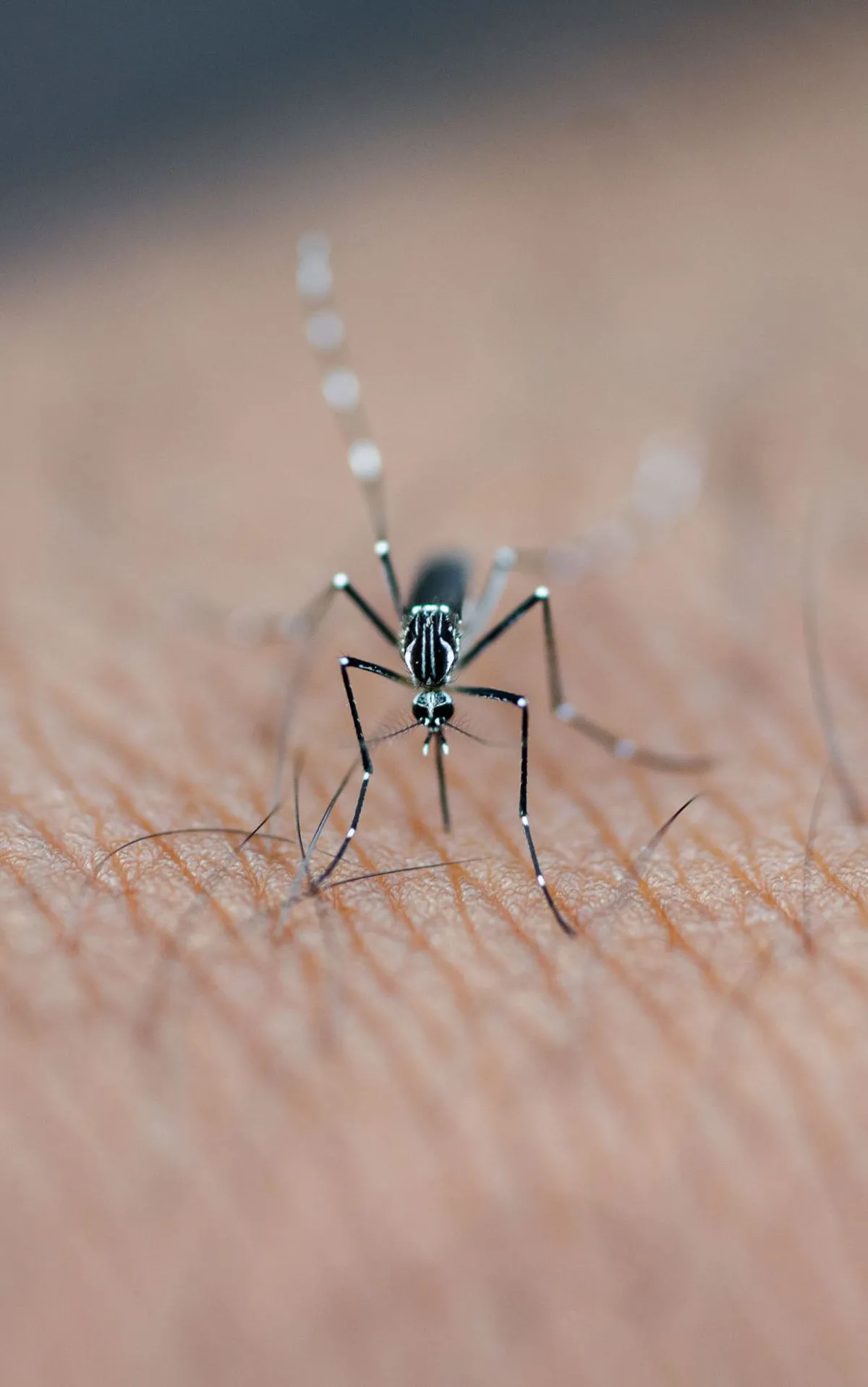
Revolutionizing Virus Detection: New Portable Test Strip for Mosquito-Borne Illnesses
A groundbreaking portable test strip developed in China enhances the detection of mosquito-borne viruses, promising quicker results and greater accuracy. This innovation could transform public health response to outbreaks.
Related articles
Popular in Personal Injury
- Hawaii Supreme Court Overturns 36-Year-Old Rape Conviction Due to Forensic Flaws
- The Impact of Pro Bono Work by BigLaw Firms in 2025
- Albertsons Faces Trial Over Role in Washington's Opioid Crisis
- The Hidden Dangers of Open Manholes in New York City
- Historic $81 Million Verdict in Utah Pedestrian Wrongful Death Case