Revolutionizing Virus Detection: New Portable Test Strip for Mosquito-Borne Illnesses
A groundbreaking portable test strip developed in China enhances the detection of mosquito-borne viruses, promising quicker results and greater accuracy. This innovation could transform public health response to outbreaks.
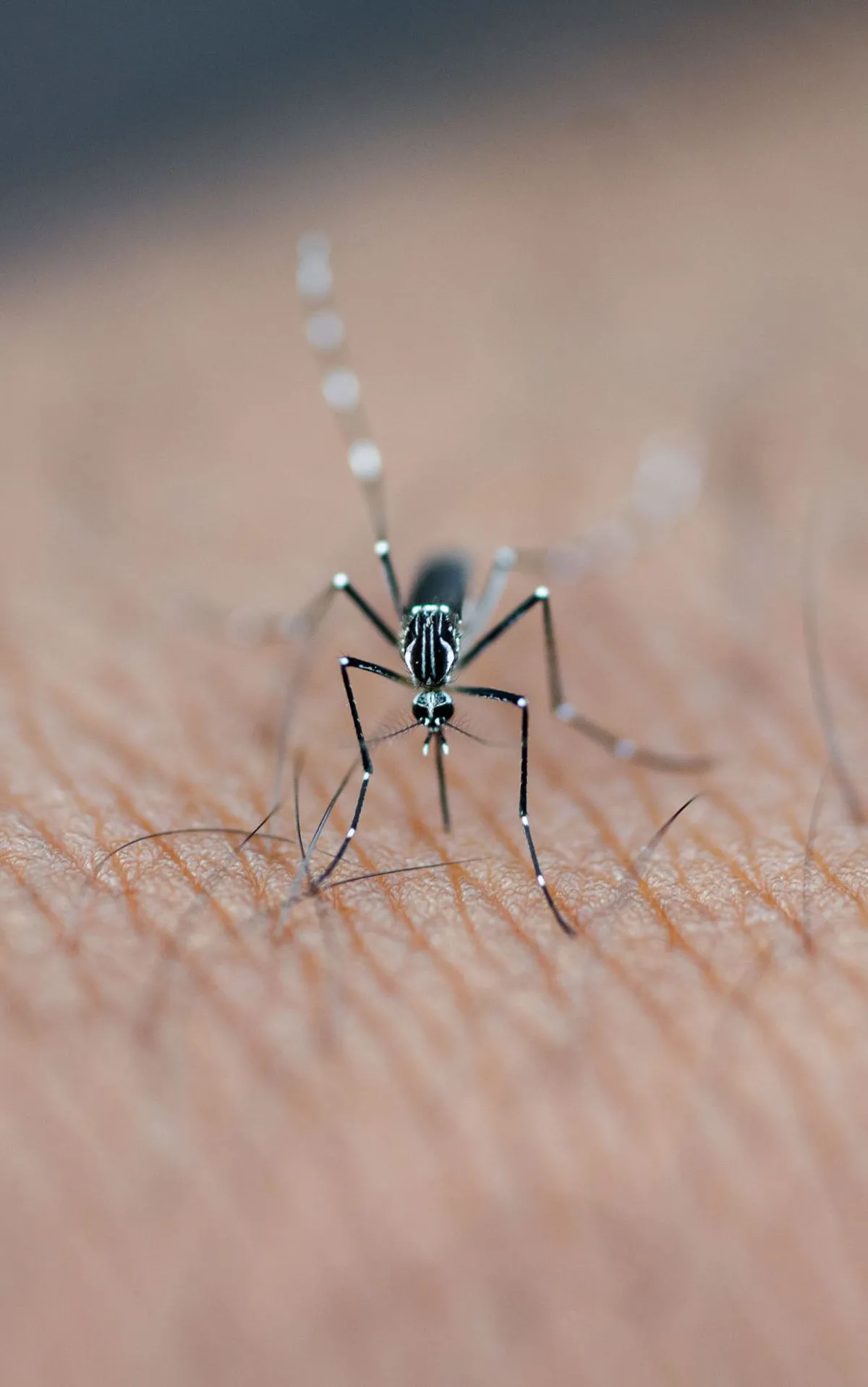
In a world increasingly threatened by mosquito-borne diseases, a groundbreaking innovation has emerged from the laboratories of China Pharmaceutical University. Researchers have developed a portable test strip that not only detects mosquito-borne viruses with remarkable sensitivity, but also promises to revolutionize how health officials respond to outbreaks of diseases such as chikungunya, dengue, and Zika. As global travel and climate change facilitate the spread of these viruses, the need for accessible and reliable detection methods has never been more urgent.
The chikungunya virus, a painful and debilitating illness often spread through mosquito bites, serves as the initial target for this new technology. Symptoms can range from fever and joint pain to severe fatigue, and while the virus is rarely fatal, its impact on quality of life can be profound. Traditional laboratory tests for chikungunya and similar viruses often require expensive equipment and trained personnel, which limits their availability in rural or resource-poor settings. The new test strip addresses this issue, providing a practical solution for health workers in the field.
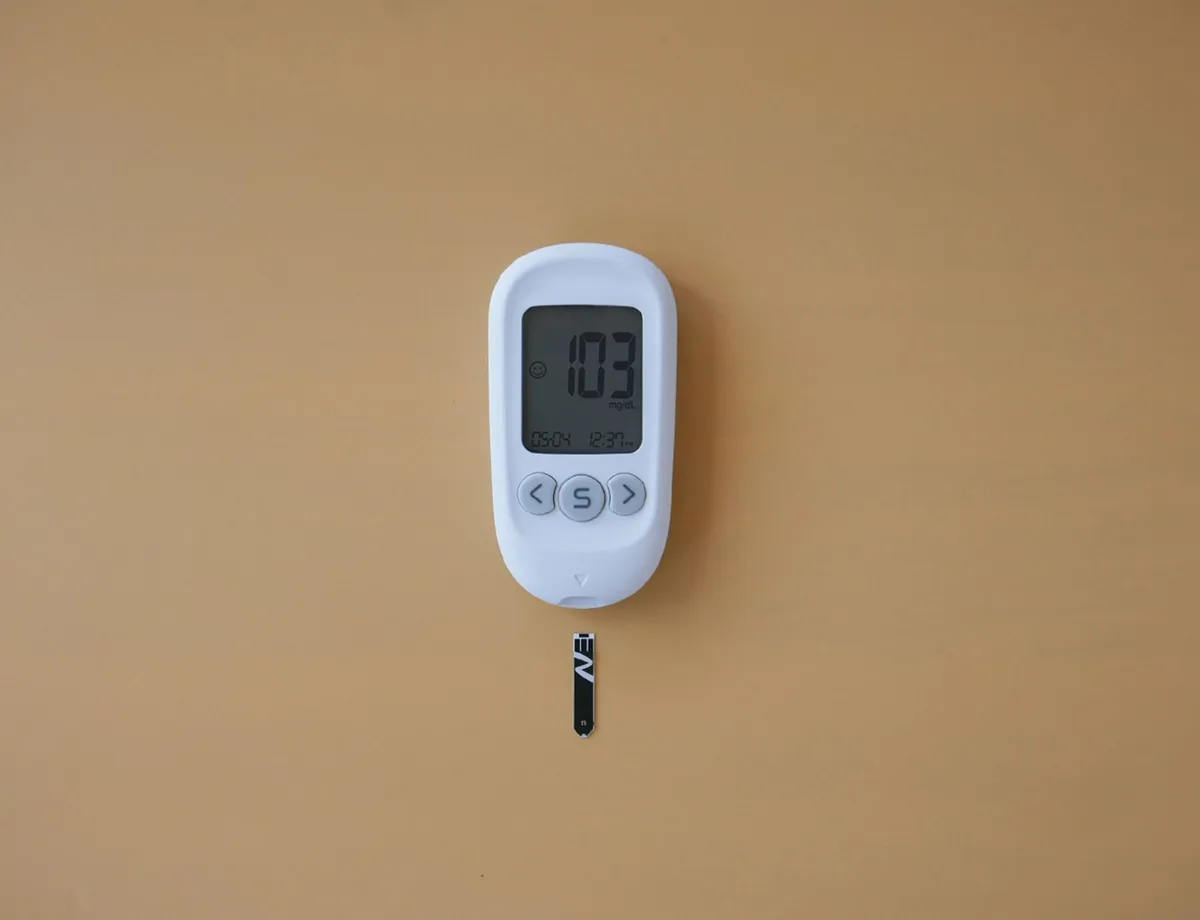
Understanding the Technology Behind the Test Strip
The innovative test strip developed by a team led by Yanmin Ju employs a multi-faceted approach to improve sensitivity and ease of use. Unlike traditional methods that rely on complicated laboratory equipment, this portable test utilizes a specially designed process that enhances the capture and detection of viral materials.
How It Works
The core of the technology lies in the use of molecular probes that react specifically to the genetic material of the chikungunya virus. When the target virus is present, these probes initiate a chain reaction, producing large quantities of detectable products. This method vastly increases the chances of capturing viral signals compared to older test designs, which typically have limited binding sites.
Moreover, the researchers incorporated tiny gold and platinum particles within the test strip. These particles not only assist in the chemical reactions but also contribute to the visibility of the results. When the chikungunya virus is detected, the test strip changes to a dark brown-red color, allowing even minimal viral concentrations to be easily identified.

The Impact of Enhanced Sensitivity
One of the most significant advancements of this new test strip is its enhanced sensitivity. Laboratory tests have shown that it can detect much lower concentrations of the chikungunya virus compared to standard tests. In fact, the new design exhibited a signal that was nearly ten times stronger than its predecessors, which is a game-changer in the realm of viral detection.
Accuracy Against Other Viruses
Another crucial aspect of this test is its ability to distinguish chikungunya from other mosquito-borne viruses. During testing, samples containing viruses like Zika and dengue produced weaker reactions, indicating that the new test can accurately identify chikungunya without cross-reacting with similar pathogens. This level of specificity is vital for effective disease monitoring and management.
Field Testing and Real-World Applications
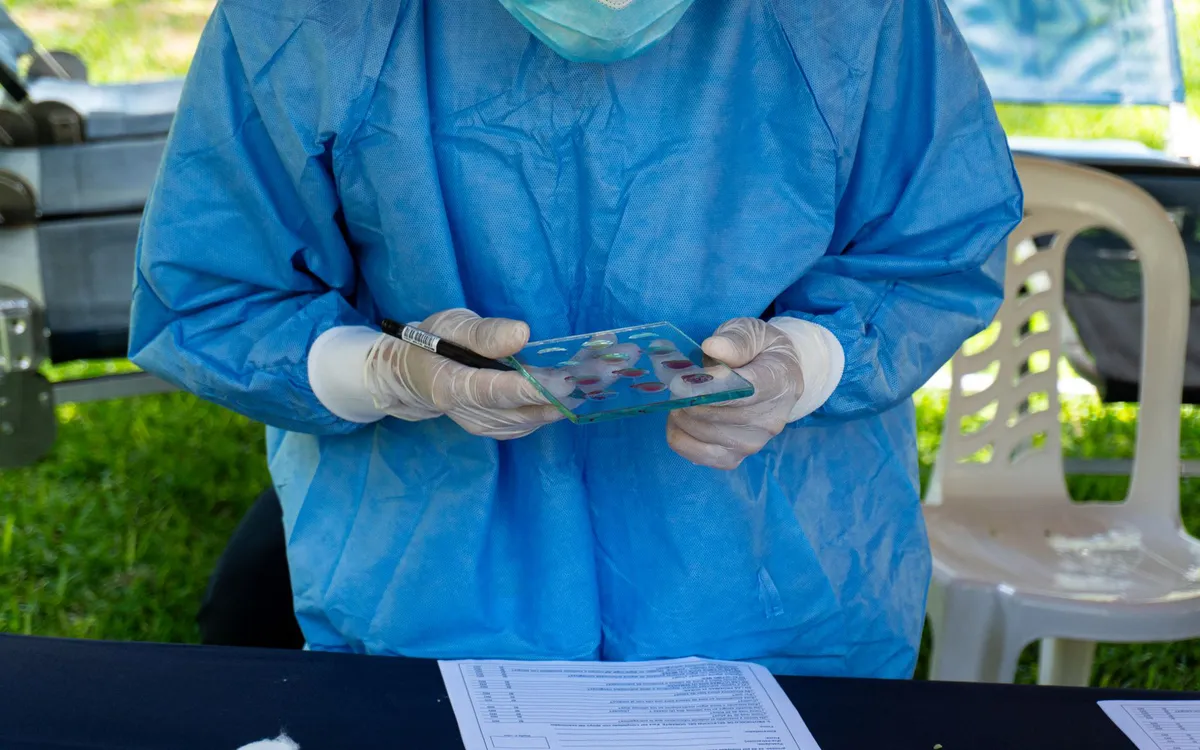
The researchers conducted extensive field tests using serum, saliva, and urine samples known to contain viral material. The results remained consistent across various types of biological samples, demonstrating that the test can function effectively outside of controlled lab environments. In a particularly telling evaluation, the new test identified positive and negative samples from 36 mouse serum samples with accuracy comparable to RT-PCR, one of the gold standards in laboratory testing.
This portable test strip promises to be a valuable tool for health workers, especially in remote locations with limited medical resources. Its ease of use and clear results could facilitate quicker responses to potential outbreaks, ultimately saving lives and reducing the spread of disease.
The Broader Implications for Public Health
As mosquito populations continue to expand due to climate change and increased global travel, the potential for outbreaks of diseases like chikungunya, dengue, Zika, and others rises significantly. With traditional laboratory testing often out of reach for many communities, innovations like the portable test strip are crucial for proactive public health measures.
- Cost-Effective: The simplicity of the test reduces the need for expensive equipment, making it more accessible.
- Rapid Results: Quicker detection can lead to faster public health interventions, minimizing the spread of infection.
- Versatile Applications: The technology could be adapted to detect a variety of mosquito-borne illnesses, enhancing its value in the field.
- Global Health Impact: By improving early detection capabilities, we can better manage and mitigate outbreaks globally.
Key Takeaways
- A new portable test strip enhances the detection of mosquito-borne viruses like chikungunya.
- The test is more sensitive and accurate than traditional methods, making it suitable for field use.
- It can distinguish chikungunya from other similar viruses, aiding in accurate diagnosis.
- This technology is essential for improving public health responses to potential outbreaks.
Frequently Asked Questions
What are mosquito-borne viruses and why are they a concern?
Mosquito-borne viruses, such as chikungunya, dengue, Zika, and West Nile virus, are transmitted to humans through mosquito bites. These diseases can lead to severe health complications, including long-term joint pain, neurological issues, and even death in some cases. The rise in mosquito populations due to climate change and increased travel poses a significant threat to public health, making effective detection methods critical.
How do traditional tests for mosquito-borne viruses work?
Traditional laboratory tests often involve techniques like RT-PCR, which detect the genetic material of viruses. While these tests are accurate, they require expensive equipment and skilled personnel, which can be a barrier in rural or low-resource settings. Such limitations underscore the need for more accessible testing solutions.
How does the new test strip improve upon existing methods?
The new test strip improves sensitivity and ease of use by utilizing a unique design that enhances the capture of viral material. With the incorporation of molecular probes and metallic particles, it can detect lower concentrations of the virus and produce visible results without the need for complex laboratory setups.
What are the potential applications of this technology?
The portable test strip could be utilized in various settings, including field clinics, rural healthcare facilities, and during outbreaks where rapid testing is essential. Its versatility may also allow for adaptation to detect other mosquito-borne viruses, broadening its use in public health initiatives globally.
This article is for informational purposes only and does not constitute legal advice.
Comments
Southwest Airlines Faces Lawsuit Over In-Flight Sexual Assault Incident
A 20-year-old woman has filed a lawsuit against Southwest Airlines following an alleged sexual assault by a visibly intoxicated passenger during a flight. The case raises critical questions about airline safety protocols and passenger rights.

Related articles
Popular in Personal Injury
- Hawaii Supreme Court Overturns 36-Year-Old Rape Conviction Due to Forensic Flaws
- The Impact of Pro Bono Work by BigLaw Firms in 2025
- Albertsons Faces Trial Over Role in Washington's Opioid Crisis
- The Hidden Dangers of Open Manholes in New York City
- Historic $81 Million Verdict in Utah Pedestrian Wrongful Death Case