Lawsuits Surge Against Ultra-Processed Food Manufacturers: What You Need to Know
A growing wave of lawsuits targets manufacturers of ultra-processed foods, alleging health risks and misleading marketing. This article explores the implications for consumers and the food industry.

In recent months, a significant number of lawsuits have emerged against manufacturers of ultra-processed foods, highlighting a growing concern among consumers about the health implications of these products. These legal actions accuse food companies of misleading marketing practices that downplay the potential risks associated with consuming highly processed items, which are often laden with additives, preservatives, and unhealthy fats. As this wave of litigation gains momentum, it raises crucial questions about consumer rights, food safety, and the accountability of food manufacturers.
The rise in lawsuits reflects a broader societal shift towards health consciousness and transparency, prompting consumers to scrutinize the products they consume. With ultra-processed foods becoming a staple in many diets across the United States, the legal ramifications of their production and marketing are increasingly coming under fire. In this article, we will delve into the background of these lawsuits, the potential implications for the food industry, and what affected consumers can do to navigate this evolving landscape.
Understanding Ultra-Processed Foods
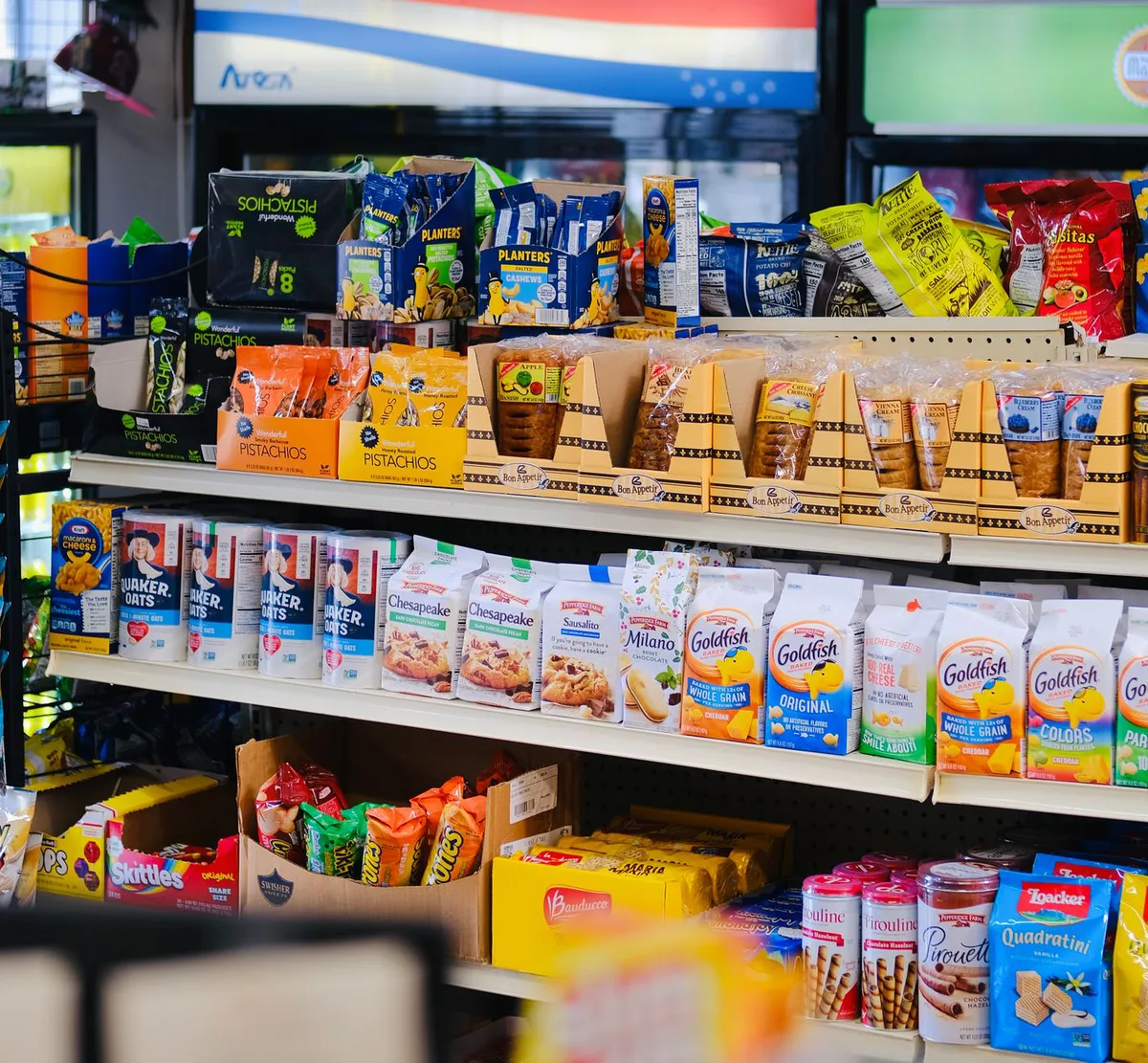
Ultra-processed foods are defined as food products that have undergone extensive industrial processing and typically contain ingredients not commonly found in a home kitchen. These may include artificial flavors, colors, preservatives, sweeteners, and emulsifiers. Examples include sugary cereals, sodas, packaged snacks, and ready-to-eat meals. The convenience and appealing marketing of these products contribute to their widespread consumption, often at the expense of healthier, whole food options.
The World Health Organization (WHO) has classified ultra-processed foods as a significant factor in the global obesity epidemic, linking their consumption to various health issues, including cardiovascular disease, diabetes, and certain cancers. Given the alarming health statistics related to diet and nutrition, the current legal actions against manufacturers are a response to the growing awareness of these risks.

The Legal Landscape: Recent Lawsuits
Several lawsuits have been filed across the country, targeting major food companies for allegedly failing to disclose the potential health risks associated with their ultra-processed products. Plaintiffs argue that these companies engage in false advertising by promoting their products as healthy or beneficial while hiding essential information about their negative health effects.
Key Legal Claims
Consumers have raised various claims in these lawsuits, including:
- False Advertising: Many lawsuits allege that food manufacturers misrepresent the health benefits of their products.
- Negligence: Companies are accused of failing to ensure the safety of their products and adequately warn consumers of potential health risks.
- Consumer Fraud: Plaintiffs claim companies have deceived consumers into purchasing products that may be harmful to their health.
As these cases unfold, they could set significant precedents regarding accountability in the food industry and the responsibilities of manufacturers to ensure consumer safety.

Implications for Consumers and the Food Industry
The growing trend of lawsuits against ultra-processed food manufacturers has broad implications for both consumers and the food industry. For consumers, these legal actions underscore the importance of being informed about the products they consume and the potential health risks associated with ultra-processed foods. As awareness increases, consumers may become more vigilant, seeking out healthier alternatives and demanding greater transparency from manufacturers.
From an industry perspective, these lawsuits may compel food manufacturers to reevaluate their marketing strategies and product formulations. Companies could face increased scrutiny regarding their ingredient lists and health claims, leading to a shift toward more wholesome products. In the long run, this could encourage innovation within the food industry, focusing on health-conscious options that align with consumer preferences.
What Affected Consumers Should Do
If you are concerned about the effects of ultra-processed foods on your health or think you may have been misled by a food manufacturer, there are several steps you can take:
- Stay Informed: Educate yourself about the ingredients in the products you consume and the potential health risks associated with ultra-processed foods.
- Read Labels: Always check product labels for added sugars, unhealthy fats, and artificial ingredients.
- Consider Legal Action: If you believe you have been harmed by a specific product, consult with a legal professional who specializes in consumer law to explore your options.
- Advocate for Transparency: Support initiatives and legislation that promote transparency in food labeling and marketing practices.
Key Takeaways
- Consumers are increasingly filing lawsuits against ultra-processed food manufacturers for misleading health claims.
- The legal actions raise critical questions about consumer safety and corporate responsibility in the food industry.
- Consumers should educate themselves about food products and consider legal recourse if harmed.
Frequently Asked Questions
What qualifies as an ultra-processed food?
Ultra-processed foods are typically industrially manufactured products that contain ingredients not usually found in a home kitchen, such as artificial additives and preservatives. These foods are often high in sugar, unhealthy fats, and sodium, making them less nutritious than whole foods.
What should I do if I feel misled by a food manufacturer?
If you believe you have been misled by a food manufacturer regarding the health benefits or safety of a product, consider documenting your experience and consulting with a consumer rights attorney. They can help you understand your legal options, which may include filing a lawsuit or joining a class-action suit.
How might these lawsuits affect food prices?
As food manufacturers face legal challenges and possible penalties, they may adjust their pricing strategies to offset potential losses. This could lead to higher prices for consumers, especially if companies choose to reformulate their products to comply with new regulations or to mitigate legal risks.
Comments
Essential Questions Augusta Riders Must Consider Before Accepting Settlements
Motorcycle riders in Augusta face critical decisions when dealing with insurance settlements following accidents. This guide outlines key considerations to ensure riders receive fair compensation for their injuries and losses.

Related articles







Popular in Personal Injury
- Hawaii Supreme Court Overturns 36-Year-Old Rape Conviction Due to Forensic Flaws
- The Impact of Pro Bono Work by BigLaw Firms in 2025
- Albertsons Faces Trial Over Role in Washington's Opioid Crisis
- The Hidden Dangers of Open Manholes in New York City
- Historic $81 Million Verdict in Utah Pedestrian Wrongful Death Case