Understanding Rear-End Accidents in Gainesville: Causes and Legal Insights
Rear-end accidents are prevalent in Gainesville, Florida, with various contributing factors. This article explores the common causes, legal implications, and what victims need to know about their rights.
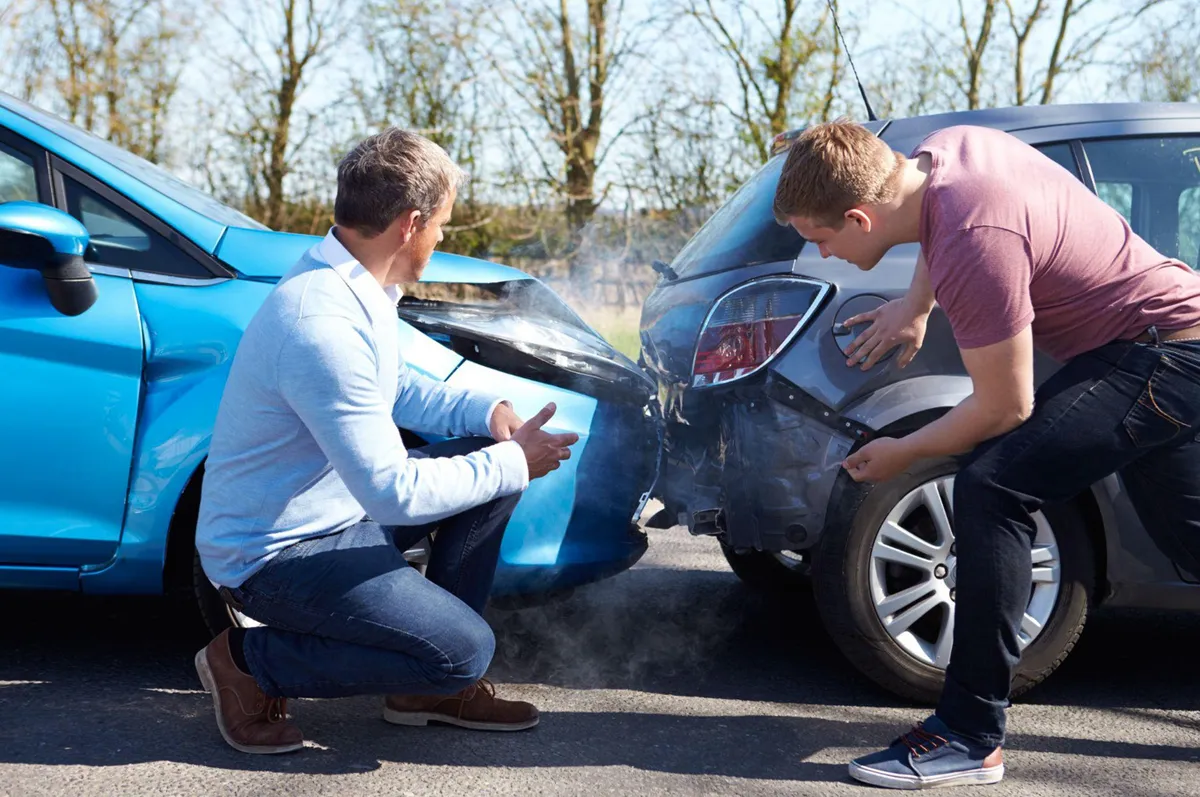
Rear-end collisions are among the most frequently reported traffic accidents in Gainesville, Florida, posing significant risks to drivers and passengers alike. These incidents occur across all types of roadways, from congested intersections to highway ramps, and understanding their causes can help drivers take proactive measures to enhance safety. Moreover, the legal landscape surrounding these accidents in Florida is complex, shaped by the state’s pure comparative fault rule, which influences how liability is determined and how damages are awarded. In this article, we delve into the common causes of rear-end accidents in Gainesville, the applicable laws, and the implications for those involved.
Distracted Driving: The Leading Cause
Distracted driving remains the foremost cause of rear-end accidents in Gainesville. With the rise of smartphones, the temptation to check messages or scroll through social media while driving has significantly increased. Florida Statute § 316.305 explicitly prohibits texting while driving, and as of 2019, law enforcement can issue primary enforcement citations for using handheld devices in school and work zones.
Impact of Distracted Driving
When a driver is distracted, their reaction time plummets, sometimes to the point of inaction. A rear-end accident lawyer in Gainesville can assist victims by gathering evidence such as phone records, traffic surveillance footage, and eyewitness statements to support claims of driver inattention. The implications of this type of negligence can be severe, and understanding the nature of distraction is crucial for all drivers.

Following Too Closely: The Tailgating Dilemma
Another common cause of rear-end collisions is insufficient following distance. Florida law, under § 316.0895, mandates that drivers maintain a distance that is deemed "reasonable and prudent" given the speed, traffic, and road conditions. However, there is no specific measurement for safe following distance, which leaves much to interpretation.
Risks of Tailgating
In high-traffic areas such as Archer Road or I-75 during peak hours, where sudden slowdowns are commonplace, tailgating can be particularly dangerous. Courts typically presume the trailing driver is at fault in a rear-end accident, although this presumption can be challenged with appropriate evidence. For instance, if a driver was following too closely and could not stop in time, they may bear significant liability.
Speeding: The Influence of Excessive Speed
Speeding is another frequent factor contributing to rear-end collisions. Gainesville’s posted speed limits vary from 25 mph in residential neighborhoods to 70 mph on I-75. However, Florida Statute § 316.183 states that drivers must operate their vehicles at a speed that is reasonable for the conditions, which means that exceeding the speed limit during inclement weather or heavy traffic can lead to negligence claims.
Understanding Legal Implications
A driver going the limit on a clear day might still be found negligent if they failed to adjust their speed in response to changing conditions. This legal nuance emphasizes the importance of situational awareness and responsible driving practices.

Traffic Signal Confusion: Misunderstandings at Intersections
Gainesville is home to several complex intersections, particularly along University Avenue and 13th Street, where signal timing can be misleading. Drivers sometimes misinterpret signals, leading to accidents. For instance, a driver may accelerate upon seeing a green light while the vehicle ahead has yet to move, resulting in a rear-end collision.
Yellow Light Misjudgment
Similarly, misjudging a yellow light can lead to abrupt stops, where the driver behind expects the vehicle in front to proceed. These scenarios can complicate fault determinations, as both drivers may share responsibility under Florida’s comparative fault system.
Impairment: The Role of Alcohol and Drugs
Driving under the influence of alcohol or drugs is a significant cause of rear-end accidents. Florida law, specifically § 316.193, makes it illegal to operate a vehicle with a blood alcohol concentration (BAC) of 0.08 or higher, though impairment at lower levels can still result in civil liability. In Gainesville, areas near the University of Florida campus and entertainment districts see active DUI enforcement.
Consequences of Impairment
A driver who is impaired faces both criminal charges and civil claims in the event of an accident. The effects of alcohol or drugs on reaction time and judgment can transform a minor mishap into a serious collision.

Environmental Factors and Vehicle Defects
Not all rear-end accidents stem from driver error; environmental conditions such as sudden pavement deterioration or missing signage can also play a role. In cases where road conditions contribute to an accident, local municipalities or the Florida Department of Transportation may share liability if they failed to address known hazards.
Vehicle Defects as a Contributory Factor
Additionally, vehicle defects, like faulty brake systems or worn tires, can exacerbate the severity of a rear-end collision. Florida’s product liability laws allow injured parties to pursue claims against manufacturers if a defect is shown to have contributed to the accident. Understanding these additional layers of liability is essential for victims seeking justice.

Key Takeaways
- Rear-end accidents are prevalent in Gainesville, influenced by factors such as distracted driving, tailgating, and speeding.
- Florida’s comparative fault rule means that liability is often shared between parties involved in an accident.
- Environmental conditions and vehicle defects can contribute to accidents, complicating liability issues.
- Legal representation is crucial for navigating the complexities of rear-end collision claims.
- Understanding your rights under Florida law can help victims pursue appropriate compensation.
Frequently Asked Questions
What should I do immediately after a rear-end accident?
Immediately after a rear-end accident, it’s important to ensure your safety and the safety of others involved. Call 911 if there are injuries or significant damage. Document the scene by taking photos and gathering contact information from witnesses. Exchange insurance details with the other driver and report the accident to your insurance company as soon as possible. Consider consulting with a personal injury attorney to understand your rights and options moving forward.
How does comparative fault affect my claim?
In Florida, the pure comparative fault rule means your compensation can be reduced based on your percentage of fault in the accident. For example, if you are found to be 20% at fault for a rear-end collision, your recoverable damages will be reduced by that percentage. This system encourages accountability but can complicate claims, making legal guidance essential for maximizing recovery.
What types of damages can I claim after a rear-end accident?
Victims of rear-end accidents may be entitled to various damages, including medical expenses, lost wages, property damage, pain and suffering, and emotional distress. The specific damages you can claim depend on the circumstances of the accident and the severity of your injuries. A personal injury attorney can help assess your case and guide you through the claims process.
What if the accident was caused by a vehicle defect?
If a vehicle defect contributed to your rear-end accident, you may have grounds for a product liability claim against the manufacturer or dealer. Documenting the defect and how it played a role in the accident is crucial. Consulting with an attorney experienced in product liability can help you understand your rights and pursue appropriate compensation.
This article is for informational purposes only and does not constitute legal advice.
Comments
Lawsuits Surge Against Ultra-Processed Food Manufacturers: What You Need to Know
A growing wave of lawsuits targets manufacturers of ultra-processed foods, alleging health risks and misleading marketing. This article explores the implications for consumers and the food industry.

Related articles







Popular in Personal Injury
- Hawaii Supreme Court Overturns 36-Year-Old Rape Conviction Due to Forensic Flaws
- The Impact of Pro Bono Work by BigLaw Firms in 2025
- Albertsons Faces Trial Over Role in Washington's Opioid Crisis
- The Hidden Dangers of Open Manholes in New York City
- Historic $81 Million Verdict in Utah Pedestrian Wrongful Death Case