Understanding Nursing Home Bills After a Resident's Death: Who Is Responsible?
When a loved one passes away in a nursing home, families often face unexpected bills. This article clarifies who is legally responsible for these charges and the implications for surviving relatives.
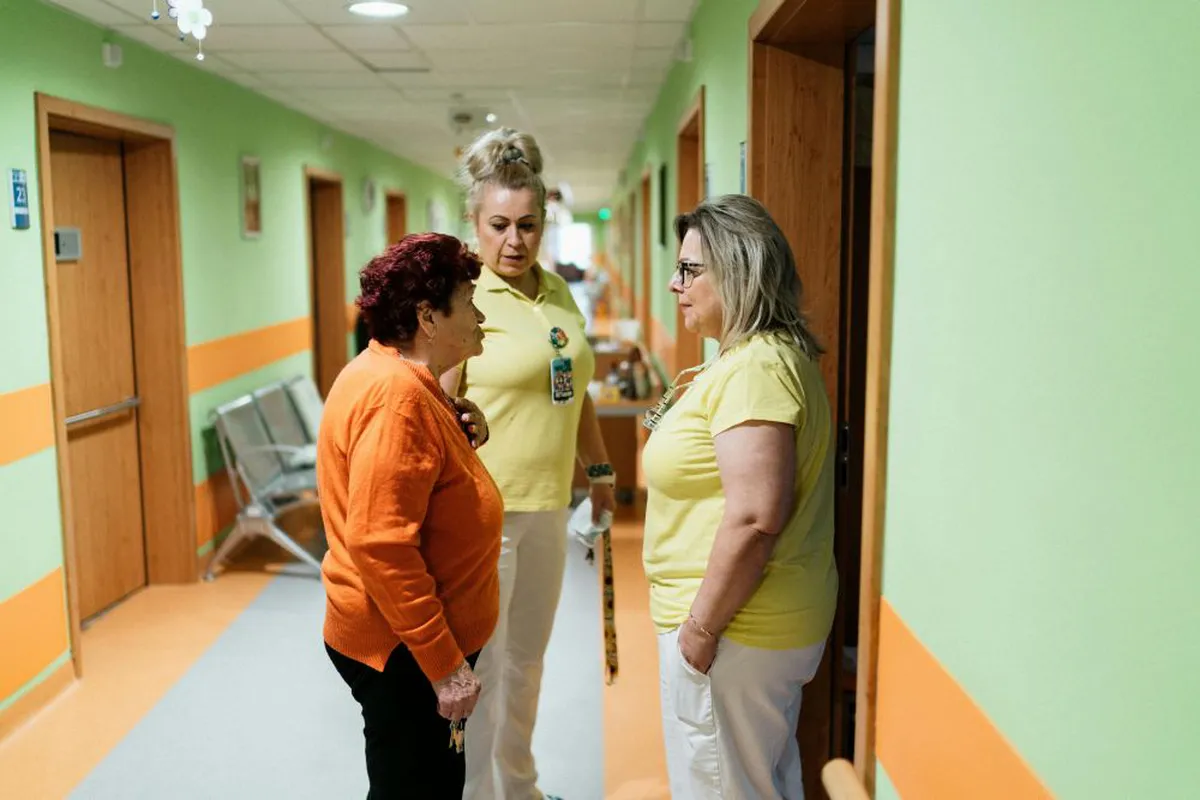
When a loved one passes away in a nursing home, the grieving process can be overwhelming, not just emotionally but also financially. Families often receive a final invoice from the nursing home within days or weeks of their loved one's funeral, sometimes amounting to thousands of dollars, especially if the deceased required extensive care. This sudden bill can generate panic and confusion regarding who is responsible for these charges. Are family members liable for these debts? The legal framework governing nursing home bills after a resident's death is complex, but understanding these rules can provide peace of mind and help avoid unwarranted financial burdens.
In general, the debt incurred by a nursing home does not become a personal obligation of the deceased's relatives, but rather a liability of the estate. The estate encompasses everything the resident owned at the time of death, which is responsible for settling debts before any assets are distributed to heirs. However, this landscape is not without its pitfalls, and several exceptions can catch families off guard. This article dives deep into the legal responsibilities surrounding nursing home bills after death, the probate process, and strategies families can employ to protect themselves from unexpected liabilities.

The Role of the Estate in Covering Nursing Home Bills
Upon the death of a nursing home resident, the legal process known as probate begins. This court-supervised procedure is designed to manage the deceased's estate, including the identification and evaluation of assets, the payment of legitimate debts, and the distribution of remaining assets to heirs. When a nursing home is owed money, it can file a creditor's claim during this process, formally notifying the estate of its expectation for payment.
Understanding Probate and Its Priorities
Probate courts have a structured order of priority for settling debts, especially when the estate doesn’t have sufficient funds to cover all obligations. The order typically follows this hierarchy:
- Administrative costs and executor fees
- Funeral and burial expenses
- Taxes owed to federal or state governments
- Secured debts, such as mortgages
- Unsecured medical and nursing home bills
This means that nursing home charges often sit low on the list of priorities, raising the risk that other debts may be paid in full while the nursing home receives only a fraction of what it is owed—or nothing at all. This can be particularly frustrating for families who may have expected the nursing home to be paid in full.

Common Misconceptions About Personal Liability
Many families assume that receiving a bill directly implies personal responsibility. However, unless certain exceptions apply, relatives are typically not liable for the deceased's nursing home charges. The most common exception occurs when someone co-signed the admission agreement. If an adult child or spouse signed as a 'responsible party' without explicitly stating their role, they may inadvertently assume personal liability for the balance. This can lead to unexpected financial strain on grieving families.
Community Property and Filial Responsibility Laws
Another layer of complexity comes into play in community property states, where debts incurred during marriage can be considered shared obligations. In such states, a surviving spouse may find themselves liable for a portion of the deceased spouse's nursing home bill, even without having co-signed any agreements. Additionally, a few states have filial responsibility laws that allow courts to hold adult children accountable for a parent's unpaid care costs. Although rarely enforced, these laws serve as a reminder that some families might still face unexpected liabilities.

Medicaid and the Estate Recovery Process
If the deceased resident was receiving Medicaid benefits, there is an added layer of complexity regarding nursing home bills. Under federal law, states are required to seek reimbursement from the deceased's estate for costs related to nursing home care covered by Medicaid. This is managed through the Medicaid Estate Recovery Program, which specifically targets individuals aged 55 and older or those permanently institutionalized.
Exemptions and Hardship Waivers
Fortunately, there are exemptions to this recovery process. Generally, an estate is protected from recovery while a surviving spouse is alive, and many states also pause or waive recovery when a minor or disabled child resides in the home. Families facing recovery claims can request a hardship waiver if repayment would lead to inadequate housing or income, although the standards for proving hardship can vary significantly by state.

Legal Protections Against Aggressive Debt Collection
Even in cases where a nursing home bill remains unpaid, how collectors pursue that debt is regulated by the Fair Debt Collection Practices Act (FDCPA). This federal law restricts collectors from reaching out to individuals other than a surviving spouse, executor, or estate administrator regarding debts incurred by the deceased. Moreover, it prohibits any implication that other relatives are personally liable for the debt.
What to Do If You're Contacted by Debt Collectors
Families receiving aggressive calls from debt collectors have the right to request written verification of the debt, as well as to dispute any charges they believe are inaccurate. Keeping detailed records of all communications and filing a complaint with the appropriate federal regulator can often put an end to harassment.
Planning Ahead: Protecting Yourself and Your Family
The complexities surrounding nursing home bills and estate recovery highlight the importance of planning ahead. Many families build protective measures into their retirement and estate plans to safeguard against unexpected liabilities. Advanced planning tools such as irrevocable trusts, life estates, and final expense insurance can shield remaining assets from being consumed by nursing home bills after death. However, the effectiveness of these tools often hinges on timing, as Medicaid applies a five-year look-back period to many asset transfers.
Creating Durable Powers of Attorney and Advance Directives
Establishing a durable power of attorney and a clearly articulated advance directive provides important protections, reducing the risk of inadvertently signing paperwork that could create personal liability during stressful hospital or facility admissions.
Key Takeaways
- The estate of a deceased nursing home resident is generally responsible for unpaid bills, not family members.
- Probate courts prioritize debt payments, which may leave nursing homes with partial payments or nothing.
- Certain exceptions, such as co-signing agreements, can create personal liability for family members.
- Medicaid estate recovery can impact families, but exemptions and hardship waivers exist.
- Legal protections are in place against aggressive debt collection practices.
Frequently Asked Questions
What should I do if I receive a nursing home bill after a loved one passes away?
If you receive a nursing home bill after a loved one has died, the first step is to verify your legal obligation. In most cases, the estate is responsible for settling the bill, not you personally. Consult with an attorney who specializes in estate law to understand your rights and responsibilities, and consider contacting the nursing home to clarify the situation.
Can a nursing home go after family members for unpaid bills?
Nursing homes can pursue payment from an estate through a creditor's claim filed during probate. However, unless a family member co-signed the admission agreement or resides in a community property state, they generally cannot be held personally liable for the deceased's bills. If you believe you are being unfairly pursued, document the communications and seek legal counsel.
What if Medicaid paid for my loved one’s nursing home care?
If your loved one was a Medicaid recipient, the state may seek reimbursement for the costs incurred through the Medicaid Estate Recovery Program. However, certain exemptions exist, and families can request hardship waivers if repayment would result in financial strain. It’s advisable to consult with a legal expert to navigate these complexities.
How can I protect myself from nursing home bills in the future?
Advance planning is essential to protect yourself and your family from unexpected nursing home bills. Consider establishing irrevocable trusts, life estates, or final expense insurance. Additionally, create a durable power of attorney and clearly defined advance directives to minimize the risk of personal liability during admissions to nursing facilities.
This article is for informational purposes only and does not constitute legal advice.
Comments
Navigating the Aftermath of a Car Accident: When to Contact a Lawyer
After a car accident, understanding when to contact a personal injury lawyer is crucial. This comprehensive guide outlines the steps to take after an accident, the importance of legal representation, and how to protect your rights.

Related articles


Popular in Personal Injury
- Hawaii Supreme Court Overturns 36-Year-Old Rape Conviction Due to Forensic Flaws
- The Impact of Pro Bono Work by BigLaw Firms in 2025
- Albertsons Faces Trial Over Role in Washington's Opioid Crisis
- The Hidden Dangers of Open Manholes in New York City
- Historic $81 Million Verdict in Utah Pedestrian Wrongful Death Case