Federal Judge Dismisses ACLU's Class Action Against ICE in Minnesota
A federal judge has dismissed a significant civil rights lawsuit against ICE, highlighting the complexities of legal standing in immigration enforcement cases. This case illuminates ongoing tensions between federal agents and communities.
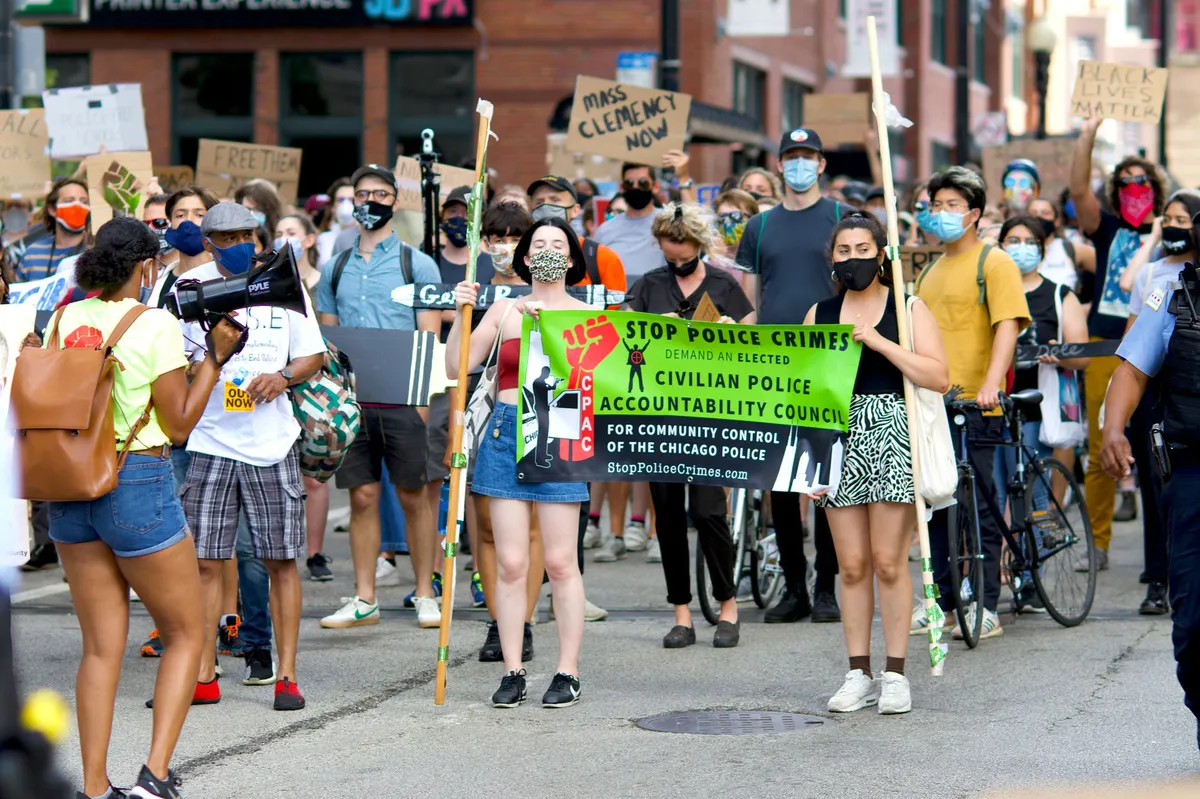
The recent dismissal of a class action lawsuit filed by the American Civil Liberties Union (ACLU) against U.S. Immigration and Customs Enforcement (ICE) highlights ongoing tensions between federal law enforcement and local communities in Minnesota. The case, which stemmed from ICE's controversial Operation Metro Surge, raised serious allegations of constitutional violations, including excessive force and intimidation of bystanders. However, U.S. District Judge Katherine Menendez ruled that the plaintiffs lacked standing, as the operation had concluded, and there was no immediate threat of harm.
In a comprehensive 27-page ruling delivered on a Friday, Judge Menendez addressed the core issues of legal standing, emphasizing that the plaintiffs could not demonstrate a likelihood of future harm. The judge noted that the circumstances surrounding the plaintiffs' grievances were unique to the time of the operation, which had already ended, and that the absence of ongoing enforcement activities diminished the urgency of their claims.
The Context of Operation Metro Surge
Operation Metro Surge was a significant enforcement action undertaken by ICE agents in the Twin Cities, where they aimed to apprehend undocumented immigrants. This operation involved aggressive tactics, including stopping individuals in the streets and their vehicles based on suspicion of being undocumented. Such actions not only led to the apprehension of targeted individuals but also drew widespread protests and community backlash, creating a tense atmosphere.
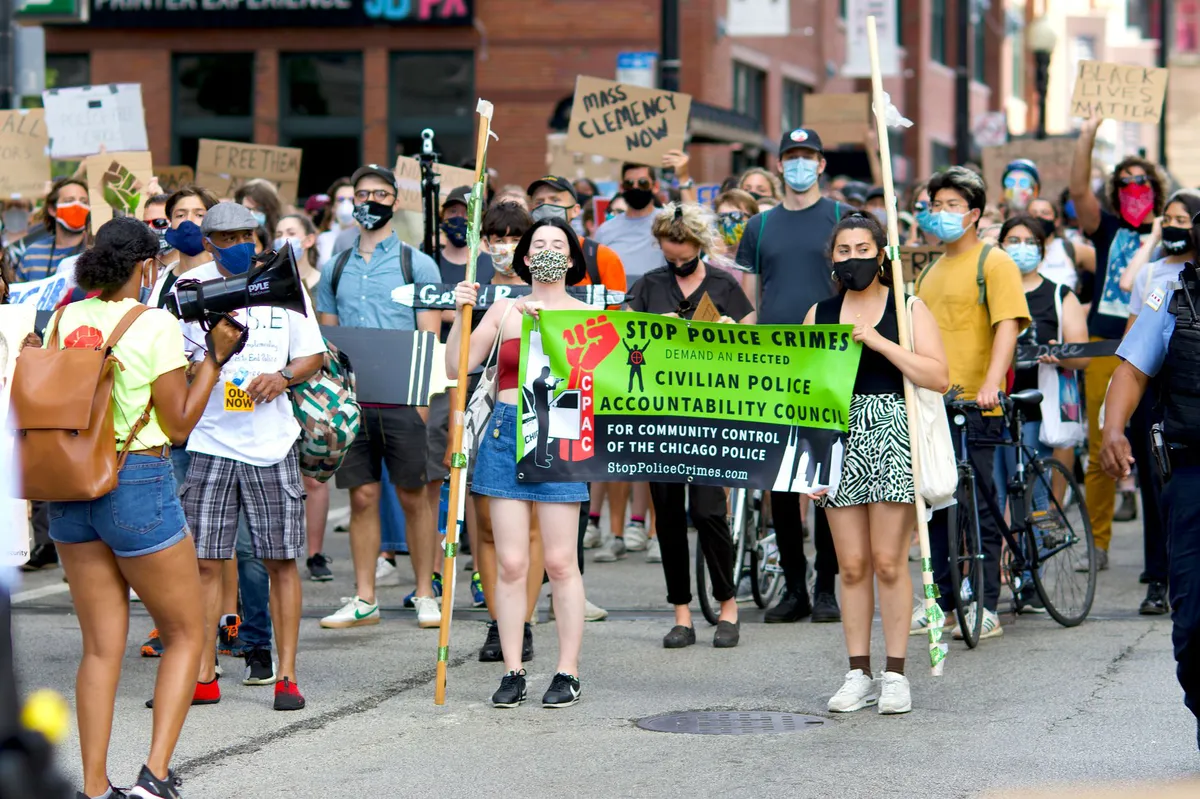
The ACLU's lawsuit, filed in December 2025, detailed numerous instances in which ICE agents allegedly pepper-sprayed and intimidated protesters and bystanders. The lead plaintiff, Susan Tincher, recounted a harrowing experience where she was tackled and detained for five hours simply for inquiring if the agents were affiliated with ICE. Her account was part of a larger narrative that many community members shared, alleging that they faced retaliation for exercising their First Amendment rights to protest and document law enforcement activities.
Legal Standing and the Dismissal
Judge Menendez's dismissal of the case stemmed primarily from the issue of standing, a crucial concept in civil litigation that determines whether a party has the right to bring a lawsuit. Standing requires that plaintiffs demonstrate a concrete and particularized injury that is actual or imminent, not hypothetical. In her ruling, Menendez stated, "These facts collapse the pillars on which plaintiffs’ standing for the preliminary injunction order was built," indicating that the plaintiffs were less likely to protest since the enforcement actions had diminished.
This ruling reflects a broader challenge faced by civil rights advocates in cases involving law enforcement: the need to show that their injuries are not only real but also likely to recur. The judge's skepticism about the possibility of future harm was underscored by the government's shift in strategy, moving ICE operations from broad street enforcement to more targeted arrests in facilities such as jails and prisons.
The Role of the ACLU and Community Resistance
The ACLU's involvement in this case highlights its ongoing commitment to protecting civil liberties, particularly in the realm of immigration enforcement. The organization has long been a vocal advocate for the rights of individuals facing potential deportation and has challenged various ICE practices through litigation. Their efforts during Operation Metro Surge were aimed not only at seeking justice for those harmed but also at holding federal agents accountable for their actions.
Community members who mobilized during the ICE operations were instrumental in documenting the actions of law enforcement, often placing themselves in harm's way to record events as they unfolded. Their testimonies formed the backbone of the ACLU's complaint, leading to the inclusion of additional plaintiffs, including three journalists who reported on the unfolding events. This grassroots resistance underscores the broader societal implications of immigration enforcement and the crucial role of public engagement in shaping policy and legal outcomes.

Implications for Future Legal Actions
Despite the dismissal, Judge Menendez left the door open for the plaintiffs to refile their claims if a new situation arises that could warrant legal action. This sets a precedent that, while the current operation has concluded, future enforcement actions by ICE could provoke renewed scrutiny and potential lawsuits if they adopt similar tactics.
The judge's ruling has sparked discussions among legal experts and community advocates regarding the evolving landscape of immigration enforcement and civil rights litigation. As ICE continues to adjust its strategies, it is likely that future operations will have different legal implications, especially if they deviate from past practices.
Moreover, the dismissal of this case does not occur in isolation. It coincides with a wave of related lawsuits from Minnesota residents challenging various aspects of ICE's enforcement actions. As these cases progress, they may further illuminate the legal standards and community responses to federal immigration policies.

Key Takeaways
- Legal Standing is Crucial: Plaintiffs must demonstrate a concrete and imminent threat of harm to pursue legal action.
- Community Mobilization Matters: Grassroots efforts can significantly influence public perception and legal outcomes in immigration enforcement cases.
- Future Legal Actions Possible: Dismissed cases can be refiled if new evidence of harm or changed circumstances arise.
- Shifting Strategies: Changes in ICE operations may lead to different legal challenges in the future.
Frequently Asked Questions
What is the significance of the ruling regarding legal standing?
The ruling regarding legal standing is significant because it establishes a precedent that plaintiffs must present clear evidence of imminent harm to pursue legal action against federal enforcement agencies. This requirement can be a barrier for many individuals and organizations seeking to challenge government actions, particularly in rapidly evolving situations like immigration enforcement.
How does this case reflect broader issues in immigration enforcement?
This case reflects broader issues in immigration enforcement by highlighting the tensions between federal agencies and local communities. The aggressive tactics employed by ICE during Operation Metro Surge raised serious human rights concerns and sparked community resistance, showcasing the ongoing struggle for civil liberties in the context of immigration policy.
What potential future actions can arise from this dismissal?
While the case has been dismissed, the ruling allows for the possibility of future legal actions should new circumstances arise, such as the resumption of similar ICE operations. This means that community members and advocacy organizations can remain vigilant and prepared to mobilize again if they perceive threats to civil rights in future enforcement actions.
What role does the ACLU play in immigration-related lawsuits?
The ACLU plays a critical role in immigration-related lawsuits by advocating for the rights of individuals who are often marginalized in legal contexts. It provides legal representation, files lawsuits, and mobilizes public awareness around issues of civil liberties, making it a key player in the fight against unconstitutional government practices.
Disclaimer: This content is general information and not legal advice.
Comments
Navigating the Aftermath of a Car Accident: When to Contact a Lawyer
After a car accident, understanding when to contact a personal injury lawyer is crucial. This comprehensive guide outlines the steps to take after an accident, the importance of legal representation, and how to protect your rights.

Related articles


Popular in Personal Injury
- Hawaii Supreme Court Overturns 36-Year-Old Rape Conviction Due to Forensic Flaws
- The Impact of Pro Bono Work by BigLaw Firms in 2025
- Albertsons Faces Trial Over Role in Washington's Opioid Crisis
- The Hidden Dangers of Open Manholes in New York City
- Historic $81 Million Verdict in Utah Pedestrian Wrongful Death Case