Vonnegut Heirs Challenge Utah's Controversial Book Removal Law
The heirs of Kurt Vonnegut, alongside other authors, are pursuing a First Amendment challenge against a Utah law that mandates the removal of books deemed 'sensitive' from public schools. This legal battle raises important questions about censorship, free speech, and the implications for literary access in education.
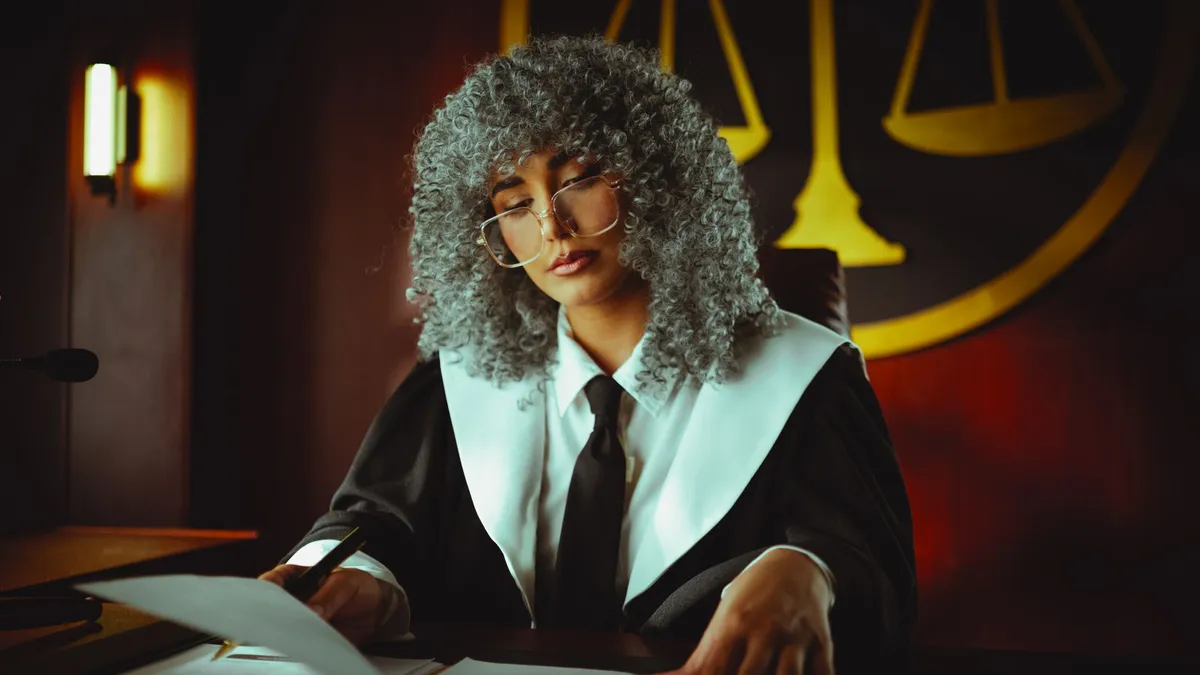
In a significant legal development, a federal judge has allowed the heirs of acclaimed author Kurt Vonnegut to proceed with their First Amendment challenge against a controversial Utah law aimed at removing books deemed to contain "sensitive" material from public schools. This case not only spotlights the ongoing tensions between censorship and free speech but also raises critical questions about the accessibility of literary works in educational settings.
U.S. District Judge Robert Shelby, appointed by former President Barack Obama, ruled that the Vonnegut heirs, along with several other authors and their estates, possess the legal standing to challenge the law. The state had argued that these plaintiffs did not suffer an invasion of their constitutionally protected rights, but Judge Shelby disagreed, emphasizing that the allegations—namely, that the law hinders the authors’ ability to reach their intended audience and damages their reputations and finances—were sufficient to allow the case to move forward.
The Controversial Utah Law
The Utah law under scrutiny was first enacted in 2022 and subsequently amended in 2024. It mandates the removal of books from public and charter schools that are deemed harmful to minors, particularly those containing pornographic content, descriptions of illicit sex, or any material considered obscene. This broad definition raises alarm among many advocates of free speech, as it allows for subjective interpretations of what constitutes "harmful" content.
Under this law, any student, parent, or school employee can request a review of a book's content, and local education agencies must prioritize the removal of materials that could be construed as illicit or pornographic. If three local education agencies deem a book inappropriate, that book is banned statewide from public schools. This process not only reflects a push towards censorship but also raises the stakes for authors whose works are at risk of being removed from educational settings.
The Plaintiffs: A Coalition of Voices
The Vonnegut heirs are not alone in their fight. Joining them are the estates of other prominent authors, including Maya Angelou, whose seminal work, "I Know Why the Caged Bird Sings," has also faced removal from Utah schools. Angelou's memoir addresses critical themes of race, trauma, and resilience—elements that are crucial for educational discourse but often met with resistance due to their challenging subject matter.
Additionally, authors Elana Arnold, Ellen Hopkins, and Amy Reed, who have each experienced the removal of their works from various Utah school systems, are participating in the lawsuit. Notably, two high school students from Utah are also plaintiffs, providing a unique perspective on how the law impacts young readers directly.

The Legal Landscape: Standing and Constitutional Rights
At the heart of this case lies the issue of standing—whether the plaintiffs have the right to sue based on the alleged harm they have suffered. Judge Shelby's ruling underscores a crucial point in legal philosophy: the question of standing should not hinge on whether the plaintiffs' claims will ultimately succeed on their merits. Instead, it is about whether they have sufficiently demonstrated a personal stake in the outcome of the litigation.
In his ruling, Shelby stated, "If that were the test, every losing claim would be dismissed for want of standing." This affirmation of the plaintiffs' standing is significant, as it allows for a deeper examination of the law's implications on free speech and literature.
Historical Context: Censorship and Literary Access
The legal battle surrounding Utah's book removal law is part of a larger narrative of censorship in the United States. Many of Vonnegut's works, including his anti-war novel "Slaughterhouse-Five," have faced bans in various districts across the country due to their controversial content—often due to depictions of sex, profanity, or the questioning of societal norms. The book has been frequently challenged since its publication, reflecting ongoing debates about what literature should be accessible in schools.
In 1982, the Supreme Court addressed the issue of censorship in education with its landmark decision in Island Trees School District v. Pico. The Court ruled that local school boards cannot remove books from library shelves simply because they dislike the ideas presented in those works. This precedent underscores the importance of protecting diverse viewpoints and the role of literature in fostering critical thinking among students.

Implications for Authors and Educators
The ramifications of Utah's book removal law extend far beyond the immediate legal battle faced by the plaintiffs. Authors, educators, and students alike are affected by the ripple effects of censorship. Authors may find their works excluded from educational curricula, limiting their reach and potential readership, while students may miss out on essential literary contributions that address complex social issues.
Moreover, the law raises pressing questions about the ethical responsibilities of educational institutions. Schools are intended to be spaces that foster open dialogue, critical thinking, and a diverse range of perspectives. By removing books that tackle sensitive topics, educators risk creating an environment that stifles discourse and discourages students from engaging with challenging ideas.
- Legal Precedent: The outcome of this case could set a significant legal precedent regarding censorship and the rights of authors.
- Impact on Education: Schools may rethink their policies on book selection and removal in light of the challenges posed by this law.
- Freedom of Expression: This case highlights the ongoing struggle to protect free speech in educational contexts.
- Student Voices: The involvement of students in the lawsuit emphasizes the importance of youth perspectives in discussions about access to literature.
Key Takeaways
- The Vonnegut heirs have been granted standing to challenge Utah's book removal law.
- The law requires schools to remove books deemed "harmful" based on subjective criteria.
- Authors and estates of significant literary figures are uniting against censorship.
- The case could have broader implications for free speech and access to literature in educational settings.
Frequently Asked Questions
What is the basis of the lawsuit against Utah's book removal law?
The lawsuit, spearheaded by the heirs of Kurt Vonnegut and other authors, is based on the assertion that the law violates their First Amendment rights. They argue that the law's broad criteria for removing books from schools impedes their ability to reach audiences and undermines the financial and reputational integrity of their works.
How does the law define "sensitive" material?
Under the Utah law, "sensitive" material is broadly defined to include any book containing pornographic content, descriptions of illicit sex, or material considered obscene. This vague language allows for subjective interpretation, which has led to widespread concerns about its implications for literary access and educational freedom.
What impact does this case have on students in Utah?
Students in Utah may find their access to diverse literary works restricted due to the law, which could limit their exposure to important themes and discussions around race, trauma, and societal issues. The involvement of students as plaintiffs in the lawsuit highlights the significant implications of censorship on their educational experience.
What are the potential outcomes of this lawsuit?
The potential outcomes of this lawsuit could range from a judicial ruling that strikes down the law as unconstitutional, thereby protecting authors' rights and students' access to literature, to a decision that upholds the law, which may embolden further censorship efforts across the nation. The case's progression will be closely watched by advocates of free speech, educators, and authors alike.
This content is general information, not legal advice.
Comments
Federal Lawsuit Filed After Police Shooting of Miniature Donkey in Georgia
A federal lawsuit has been initiated against a Georgia police officer following the shooting of a family’s beloved miniature donkey, raising significant questions about police conduct and animal rights.
Related articles


Popular in Personal Injury
- Hawaii Supreme Court Overturns 36-Year-Old Rape Conviction Due to Forensic Flaws
- The Impact of Pro Bono Work by BigLaw Firms in 2025
- Albertsons Faces Trial Over Role in Washington's Opioid Crisis
- The Hidden Dangers of Open Manholes in New York City
- Historic $81 Million Verdict in Utah Pedestrian Wrongful Death Case