Sorority Sisters Challenge Definition of ‘Women’ in Landmark Case
A group of sorority sisters is taking their fight against the legal definition of 'women' to the 10th Circuit Court, raising significant questions about gender identity and rights in the process. This case could have far-reaching implications for social organizations and beyond.
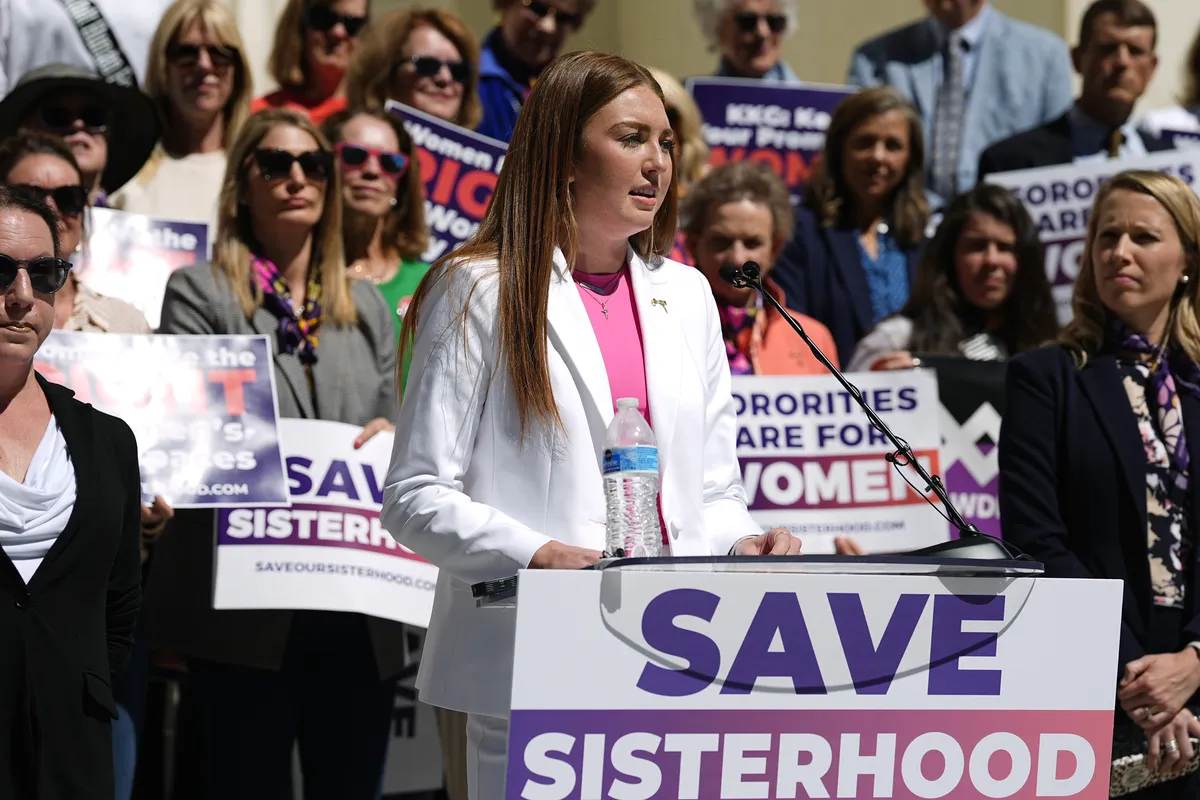
In a bold move that could reshape the landscape of gender identity within legal frameworks, a group of sorority sisters is appealing to the 10th Circuit Court of Appeals to revive their challenge against the legal definition of ‘women.’ This case draws attention not only to the evolving understanding of gender in society but also to the implications such definitions have on social organizations and their members. At the heart of this legal battle is the intersection of traditional gender norms, legal definitions, and the rights of individuals within sororities and other gender-specific organizations.
The plaintiffs, representing a sorority that has traditionally defined itself on the basis of female membership, argue that the current legal definitions do not adequately reflect the complexities of gender identity today. This legal challenge is not merely about semantics; it questions the foundational principles of who qualifies as a woman in contexts that have historically been female-centric, such as sororities, sports, and various women’s organizations.
The Legal Background of Gender Identity
Understanding the implications of this case requires a brief overview of how gender identity is treated within the legal system. Historically, laws regarding gender have varied significantly across different jurisdictions, often rooted in biological definitions. However, recent shifts in societal norms have prompted legal systems to reconsider these definitions.
Significant Developments
Several landmark rulings have started to challenge the traditional definitions of gender. For instance, the U.S. Supreme Court’s decision in Bostock v. Clayton County (2020) ruled that employment discrimination based on sexual orientation or gender identity is illegal under Title VII of the Civil Rights Act. This ruling has set a precedent for interpreting gender in a more inclusive manner, paving the way for similar challenges in other sectors.

Implications for Sororities and Social Organizations
The implications of this case extend far beyond the courtroom. Sororities and similar organizations are often based on a shared identity, which traditionally has been defined by biological sex. A successful challenge to this definition could lead to significant changes in how these organizations operate. For many sororities, the definition of 'woman' has been a cornerstone of their membership criteria, and altering this definition could challenge their very existence.
Membership and Identity
- Membership Criteria: Organizations may need to revisit their bylaws and membership criteria to align with new interpretations of gender.
- Legal Risks: Failure to adapt could result in legal challenges or loss of funding for sororities that do not comply with new definitions.
- Social Dynamics: The changing definition of gender could alter the dynamics within sororities, affecting everything from recruitment to social events.

Public Reaction and Social Context
The public’s response to this challenge has been mixed, reflecting the broader societal debates around gender identity. Supporters of the plaintiffs argue that the traditional definitions are outdated and exclusionary, advocating for a more inclusive approach to gender identity. Opponents, however, fear that redefining 'woman' may undermine the unique experiences and challenges faced by cisgender women.
Voices from Both Sides
Advocacy groups supporting the plaintiffs emphasize the importance of inclusivity in sororities, arguing that all individuals who identify as women should have the right to participate in these organizations. Conversely, critics argue that such changes could erase the historical significance of women’s spaces, which were created to empower women in a society that has often marginalized them.

Future Legal Landscape
The outcome of this case could set a significant precedent not just for sororities but for many organizations that operate with gender-specific membership. If the 10th Circuit rules in favor of the plaintiffs, it may prompt similar challenges across the country, leading to a reevaluation of gender definitions in various legal contexts.
Potential Outcomes
Should the court decide to redefine ‘woman’ to include transgender women and non-binary individuals, the ramifications could include:
- Legal Recognition: A broader legal recognition of gender identity could influence policies in schools, workplaces, and beyond.
- Increased Inclusivity: Organizations may embrace a more inclusive membership approach, fostering diversity and representation.
- Litigation Risks: Organizations could face lawsuits if they do not adapt to new definitions, resulting in legal and financial repercussions.
Key Takeaways
- The 10th Circuit's decision could redefine what it means to be a woman in legal terms.
- This case highlights the tensions between traditional gender norms and evolving social identities.
- Outcomes may impact a variety of organizations beyond sororities, including sports teams and women’s advocacy groups.
- Public opinion remains divided on the implications of redefining gender.
Frequently Asked Questions
What is the significance of this case for sororities?
This case represents a pivotal moment for sororities and similar organizations as they navigate the complexities of gender identity. A ruling in favor of the plaintiffs could lead to widespread changes in membership criteria that have traditionally been based on biological sex, challenging the very foundations of these groups.
How does this case relate to broader gender rights issues?
The challenge to the definition of 'women' taps into larger societal conversations about gender rights and inclusivity. It reflects ongoing debates about how society understands gender, and the legal system’s role in recognizing and protecting diverse identities.
What are the potential legal repercussions for organizations?
If the court rules that the definition of 'woman' includes transgender women and non-binary individuals, organizations that do not adapt their membership criteria could face lawsuits. This could lead to significant legal and financial consequences for those that resist these changes.
How might public opinion influence the case?
Public sentiment plays a crucial role in shaping legal outcomes. As societal attitudes toward gender identity continue to evolve, their influence on the judicial process may impact how cases like this one are interpreted and decided. A supportive public opinion could bolster the plaintiffs' case, while a divided public may complicate judicial decision-making.
Comments
Federal Lawsuit Filed After Police Shooting of Miniature Donkey in Georgia
A federal lawsuit has been initiated against a Georgia police officer following the shooting of a family’s beloved miniature donkey, raising significant questions about police conduct and animal rights.

Related articles



Popular in Personal Injury
- Hawaii Supreme Court Overturns 36-Year-Old Rape Conviction Due to Forensic Flaws
- The Impact of Pro Bono Work by BigLaw Firms in 2025
- Albertsons Faces Trial Over Role in Washington's Opioid Crisis
- The Hidden Dangers of Open Manholes in New York City
- Historic $81 Million Verdict in Utah Pedestrian Wrongful Death Case