Trump Considers Declassifying 9/11 Records Amid Family Requests
President Trump has indicated he may release records related to Saudi Arabia's involvement in the 9/11 attacks, responding to persistent calls from victims' families. This development could have significant implications for ongoing legal battles and perceptions of accountability.
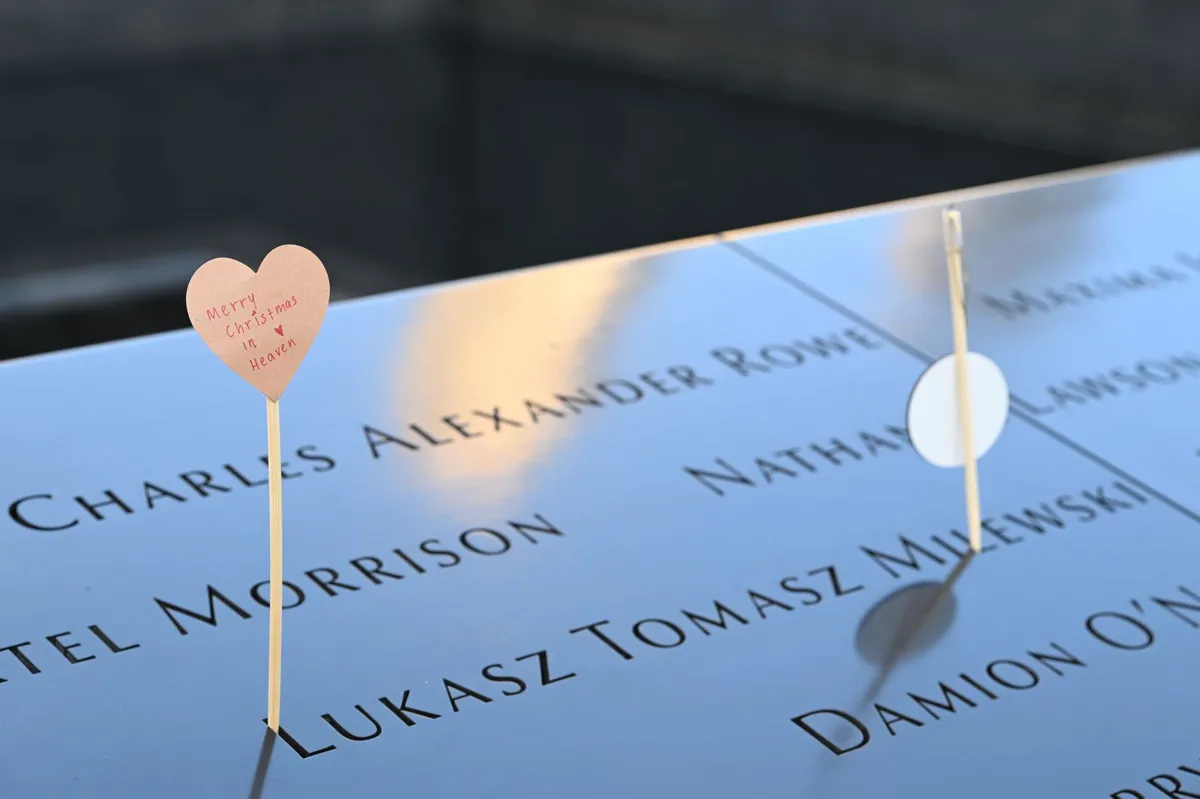
The shadow of the September 11 attacks continues to loom over American society, with the impact felt not only in the immediate aftermath but also in the years that have followed. Recently, President Donald Trump has signaled a willingness to consider requests from families of 9/11 victims for the declassification of records that could illuminate Saudi Arabia's possible involvement in the tragic events of that day. As the nation reflects on the 25th anniversary of the attacks, the push for transparency and accountability has taken center stage once again.
The families, many of whom have spent years advocating for justice, allege that certain religious leaders in Saudi Arabia may have played a role in influencing the government and aiding the hijackers. Notably, 15 of the 19 hijackers were Saudi nationals, though the Saudi government has consistently denied any wrongdoing or involvement in the attacks. These claims have fueled ongoing legal battles and a quest for answers from those left behind.
The Push for Transparency: A Long-Standing Demand
For many families of 9/11 victims, the call for declassified records is not just a matter of curiosity—it is a quest for justice and closure. These families have suffered profound losses, and their grief is compounded by what they perceive as a lack of accountability and transparency regarding the events leading up to the attacks. Their demands for the release of information reflect a broader societal need for truth in a landscape marked by conspiracy theories and political ramifications.
Legal Struggles Against the Saudi Government
The legal battles waged by these families against the Saudi government have been extensive and complex. In the years following the attacks, families sought to hold Saudi Arabia liable for its alleged connections to the hijackers, claiming that the country had provided financial support and ideological motivation for their actions. However, legal hurdles abound, as the doctrine of sovereign immunity often protects foreign governments from being sued in U.S. courts.
- 15 of 19 hijackers were Saudi nationals
- Families have long alleged Saudi complicity
- Legal battles face significant challenges
- Calls for transparency and accountability persist
Despite these obstacles, the families' resolve remains strong. As they continue to advocate for justice, the potential declassification of records could provide new avenues for their legal efforts. President Trump, acknowledging the families' requests, stated, "I’m going to look at it when I get back," indicating a willingness to engage with the concerns of those impacted by the attacks.
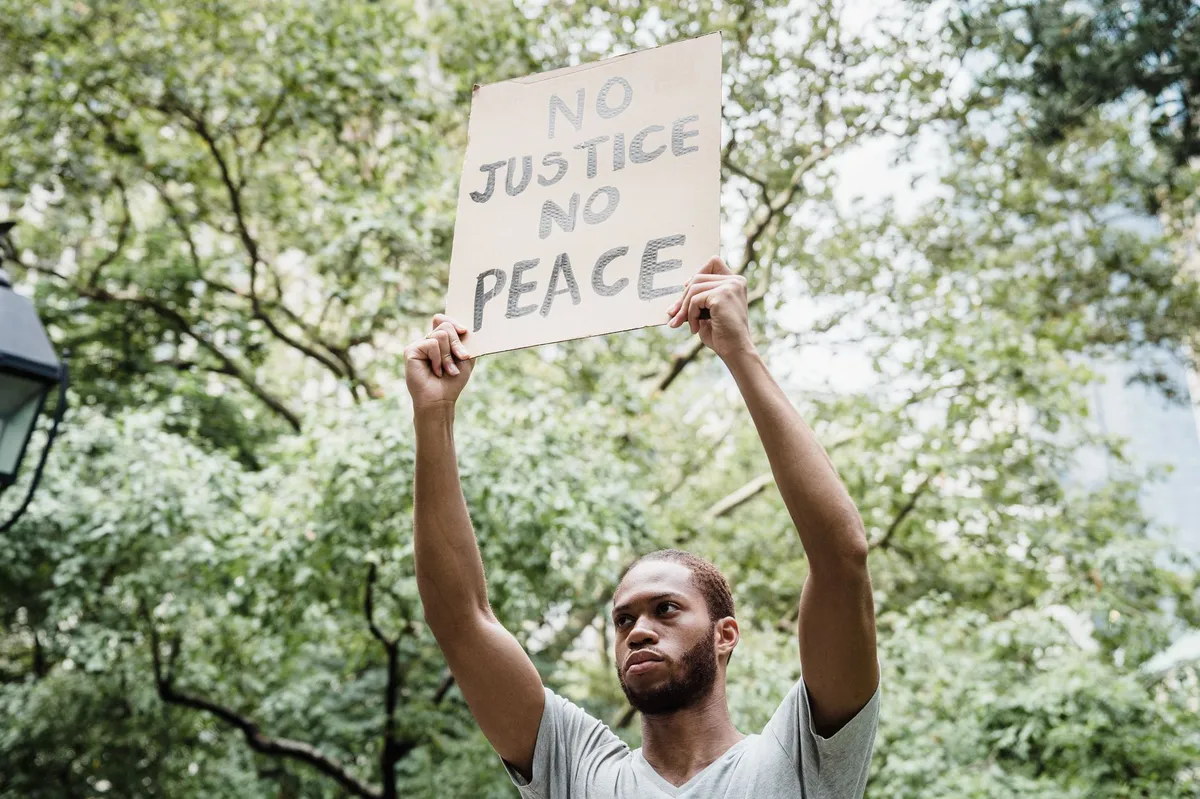
The Role of Political Leadership
Political leadership plays a critical role in shaping public opinion and influencing the course of legal actions related to the 9/11 attacks. The remarks made by Trump during his recent trip to Ireland were not just an acknowledgment of the families' pain but also a reflection of the complex interplay between politics and accountability. Families like that of Terry Strada, who lost her husband Tom in the attacks, have vocally criticized previous administrations for prioritizing relationships with Saudi Arabia over the quest for justice for 9/11 victims.
Calls for Action from Victims' Families
During a remembrance event in New York City, Strada passionately urged President Trump to take a stand, saying, "tell the Saudis to stop lying." Her plea encapsulates the frustration many families feel towards what they perceive as a betrayal by their own government. Strada's statement highlights a critical sentiment: that U.S. presidents have historically chosen to protect diplomatic relations over the rights and needs of the victims' families.
Her message resonates deeply within the community of 9/11 victims' families, who feel marginalized and unheard. Strada further emphasized that the current administration could still make a difference by standing with survivors and victims' families, framing the forthcoming decisions as an opportunity for redemption and change.
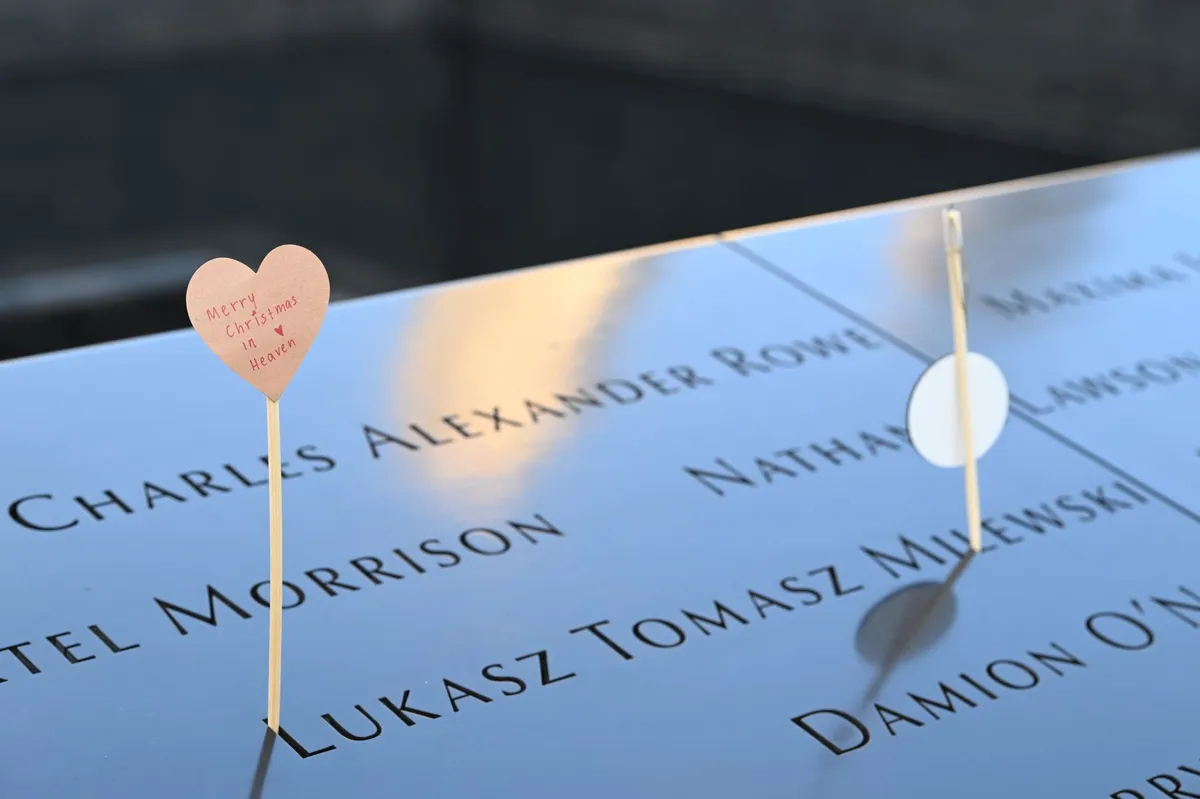
The Societal Implications of Declassifying Records
The implications of releasing records related to 9/11 extend far beyond the legal realm; they touch on national security, public trust, and the moral obligation to confront uncomfortable truths. The release of classified information could not only provide clarity regarding the events of that fateful day but also stir public debate about the extent of foreign influence on domestic affairs.
Impact on U.S.-Saudi Relations
Furthermore, the potential declassification could strain U.S.-Saudi relations, which have historically been characterized by a complicated mix of cooperation and suspicion. The kingdom has long been a key ally in the Middle East, and any revelations that implicate Saudi officials could lead to diplomatic fallout. For many in the U.S., the attacks remain a raw wound, and the idea that a foreign government may have had a hand in them is a source of deep anger and betrayal.
In this context, Trump's consideration of the families' requests could be seen as a pivotal moment. If records are declassified, it could reshape the narrative surrounding 9/11, alter public perception of Saudi Arabia, and push for accountability in ways that have not yet been achieved. This presents a unique challenge for policymakers—balancing the need for transparency with the potential geopolitical consequences.
Key Takeaways
- President Trump is considering declassifying records related to Saudi Arabia's alleged role in 9/11.
- The families of 9/11 victims have long sought accountability and justice.
- Legal challenges against Saudi Arabia face significant hurdles due to sovereign immunity.
- The release of records could impact U.S.-Saudi relations and public perceptions.
- Terry Strada and other families continue to advocate for transparency and justice.
Frequently Asked Questions
What specific records are families requesting to be declassified?
Families of 9/11 victims are seeking the declassification of documents that could clarify the extent of Saudi Arabia's involvement in the attacks. This includes any evidence linking Saudi officials or organizations to the hijackers, as well as intelligence assessments and communications that may have taken place prior to the attacks. The goal is to uncover any connections that may have been obscured or downplayed in the official narratives.
What legal challenges do families face in holding Saudi Arabia accountable?
The primary legal challenge faced by the families is the doctrine of sovereign immunity, which generally protects foreign governments from being sued in U.S. courts. This legal barrier makes it difficult for the families to pursue claims against Saudi Arabia, even if they believe there is evidence of complicity. Additionally, the complexities of international law and the political ramifications of suing a foreign government further complicate their pursuit of justice.
How could the release of these records affect public perception of the Saudi government?
The release of records related to the 9/11 attacks could significantly alter public perception of the Saudi government. If evidence emerges that implicates Saudi officials in the planning or support of the attacks, it could lead to widespread outrage and calls for accountability. This could also exacerbate existing tensions between the U.S. and Saudi Arabia, as American citizens grapple with the implications of a close ally potentially being involved in such a heinous act.
What are the next steps for the families in their pursuit of justice?
The families of 9/11 victims will likely continue to advocate for the declassification of records while pursuing legal avenues to hold the Saudi government accountable. This may involve lobbying efforts, public campaigns, and continued pressure on political leaders to prioritize their requests. Additionally, they may seek to collaborate with legal experts and advocacy groups to explore alternative strategies for addressing their grievances.
Comments
Exploring the Link Between Obesity and Breast Cancer: New Research Insights
Recent findings reveal that obesity may weaken the body’s natural defenses against breast cancer. Researchers at the University of Utah have discovered how fat cells influence tumor growth, highlighting potential new avenues for treatment.

Related articles

Popular in Personal Injury
- Hawaii Supreme Court Overturns 36-Year-Old Rape Conviction Due to Forensic Flaws
- The Impact of Pro Bono Work by BigLaw Firms in 2025
- Albertsons Faces Trial Over Role in Washington's Opioid Crisis
- The Hidden Dangers of Open Manholes in New York City
- Historic $81 Million Verdict in Utah Pedestrian Wrongful Death Case