Tragedy at Sea: Philippine Ferry Fire Claims 76 Lives, Investigation Underway
A devastating fire aboard a Philippine ferry has led to 76 confirmed deaths and 13 missing, prompting a comprehensive investigation into safety protocols and potential liabilities.
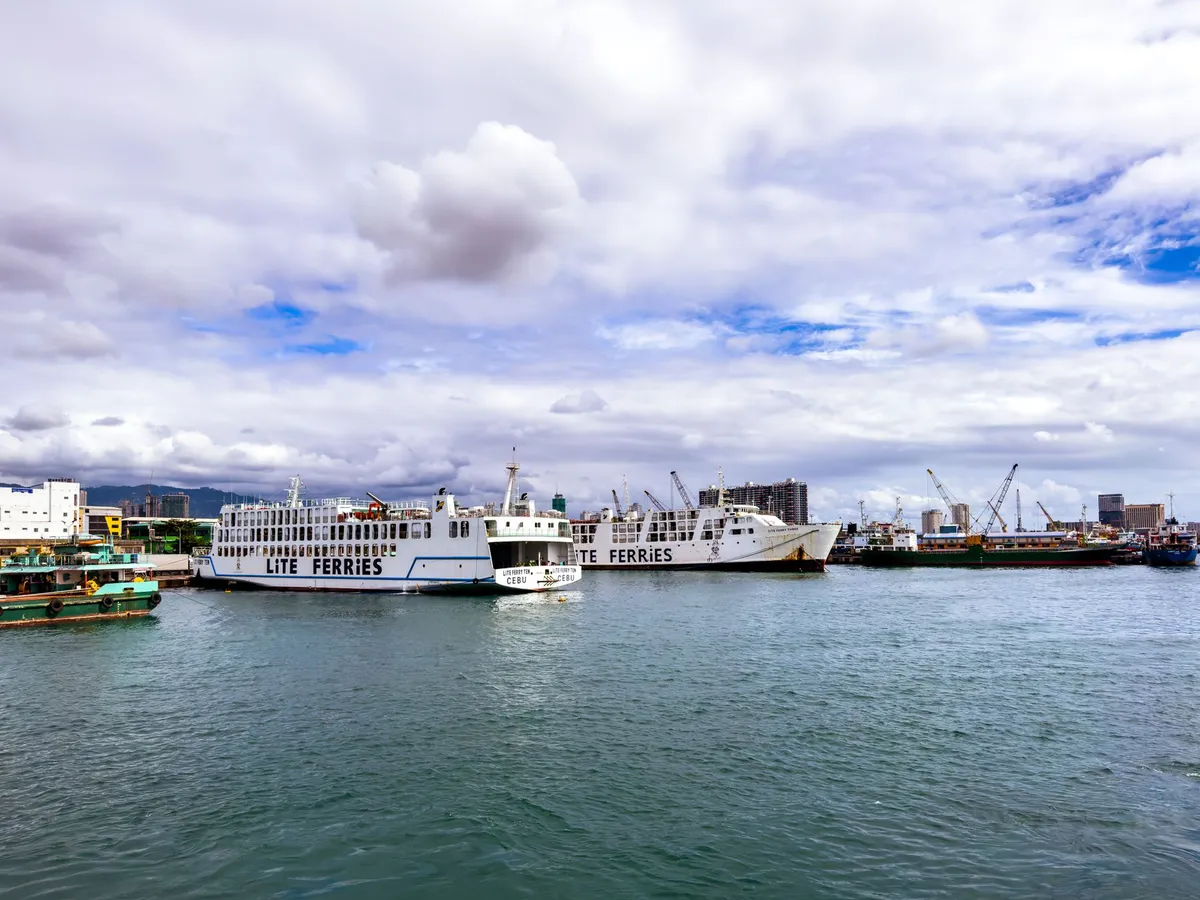
On a fateful Wednesday night, the calm waters off the coast of Coron, Philippines, turned into a scene of tragedy as a passenger ferry caught fire, leading to a devastating loss of life. As rescuers continue their grim work, the death toll has tragically risen to 76, with 13 individuals still unaccounted for. This incident, which has shocked the nation and highlighted ongoing concerns about maritime safety, raises critical questions about the regulatory framework governing ferry operations in the Philippines.
The ferry, which had departed from Manila and was en route to Coron, was carrying 132 passengers and crew members when the fire erupted approximately 39 kilometers (24 miles) from its destination. Survivors recount a horrifying scene where a loud blast was heard, followed by flames and smoke spreading rapidly—fueled by winds that exacerbated the situation. In a nation where ferries are a lifeline for transportation across its vast archipelago, this incident underscores the urgent need for stringent safety measures.
Rescue Efforts and Survivor Accounts
Of the 132 individuals on board, 43 managed to escape unscathed, but the tragedy has left deep emotional scars. Rescuers have been working tirelessly to retrieve remains from the vessel, with the grim task of identifying victims compounded by the emotional toll on families and the community. Tents have been erected at the Port of Borac in Coron to accommodate the bodies transported from the ferry, a stark reminder of the human cost of maritime disasters.
Survivor Testimonies
Survivors have provided harrowing accounts of the incident, describing how the fire spread with alarming speed. Many reported that there was no time to don life jackets, which raises questions about the operational protocols in place aboard the ferry. Commodore Noemie Cayabyab, a spokesperson for the coast guard, indicated that the tarpaulin used to shield the open areas of the ship from rain might have contributed to the rapid escalation of the fire, possibly trapping some passengers inside.
Investigating the Fire's Cause
The cause of the fire remains unknown, but the investigation is focusing on several critical elements. As authorities strive to piece together the sequence of events, they are particularly interested in the ship's captain, who reportedly survived but is not listed among the survivors. This has raised suspicions regarding the captain's actions during the emergency, and whether appropriate safety protocols were followed.
- Fire Emergency Procedures: Investigators will scrutinize whether the captain sounded alarms or provided adequate warnings to passengers.
- Crew Assistance: The investigation will also determine if the crew effectively assisted passengers in evacuating the vessel.
- Maintenance and Safety Standards: A thorough review of the ferry’s maintenance records and compliance with safety regulations will be conducted.
The Broader Context of Maritime Safety in the Philippines
The Philippines, an archipelago of over 7,000 islands, relies heavily on ferries for inter-island transportation. However, the maritime industry has faced criticism over safety standards, which are often marred by overcrowding, poorly maintained vessels, and inadequate enforcement of safety regulations. The 1987 disaster involving the ferry Dona Paz, which resulted in over 4,300 fatalities, remains etched in the collective memory as the deadliest peacetime maritime disaster in history. Such incidents highlight a troubling pattern and emphasize the urgent need for reform in maritime safety practices.
Historical Accidents
In addition to the Dona Paz incident, several other maritime disasters have tragically underscored the risks associated with ferry travel in the Philippines:
- The MV Princess of the Stars disaster in 2008, which claimed 800 lives due to typhoon conditions.
- The sinking of the MV Doña Marilyn in 1988, resulting in 389 casualties.
- Frequent incidents of overcrowding and mechanical failures that contribute to ongoing safety concerns.
The Legal Ramifications and Liability Concerns
As investigations proceed, questions of liability loom large. If negligence is established, those responsible could face significant legal consequences. The multi-agency maritime safety and criminal investigations are not only looking into the actions of the captain and crew but also the ferry’s operating company. Legal experts anticipate that survivors or families of the deceased may pursue compensation claims to address the loss of life and physical injuries sustained.
In the United States, for example, personal injury lawsuits could allow victims or their families to seek damages for pain and suffering, loss of income, and funeral expenses. Similar legal frameworks exist in the Philippines, where the Civil Code provides avenues for claims arising from negligence. If it is determined that the ferry company failed to adhere to safety protocols or that the vessel was inadequately maintained, the potential for substantial settlements may follow.
Key Takeaways
- The death toll from the ferry fire has reached 76, with 13 missing.
- Survivors reported a rapid spread of the fire, leaving little time to react.
- Investigations are focusing on the actions of the captain and crew, as well as ferry maintenance records.
- The incident highlights ongoing concerns about maritime safety in the Philippines.
Frequently Asked Questions
What safety measures are typically required for passenger ferries in the Philippines?
Passenger ferries in the Philippines are generally required to adhere to safety regulations set forth by the Maritime Industry Authority (MARINA). These regulations include the provision of life jackets, emergency evacuation plans, and regular safety drills for crew members. Vessels must also undergo routine inspections to ensure compliance with safety standards. However, enforcement of these regulations can be inconsistent, especially in remote areas.
What legal recourse is available for victims of maritime accidents in the Philippines?
Victims of maritime accidents may pursue legal action against the responsible parties under the Civil Code of the Philippines. This could involve filing a personal injury claim or seeking damages for wrongful death. The process typically requires establishing negligence on the part of the ferry operator, captain, or crew. Legal proceedings can be complex, and victims are often advised to engage legal counsel familiar with maritime law.
How can the Philippine government improve maritime safety?
Improving maritime safety in the Philippines could involve stricter enforcement of existing regulations, increased inspections of vessels, and better training for crews. The government may also consider investing in public awareness campaigns to educate passengers about safety protocols and emergency procedures. Enhancing infrastructure, such as developing safer docking facilities and improving communication systems, can also play a vital role in preventing future tragedies.
What can travelers do to ensure their safety when using ferries?
Travelers using ferries should remain vigilant and aware of their surroundings. Before boarding, they should check for visible safety equipment, such as life jackets and emergency exits. It's also advisable to inquire about the vessel's safety record and operational history. In the event of an emergency, staying calm and following crew instructions can significantly enhance personal safety.
Disclaimer: This content is general information, not legal advice.
Comments
Exploring the Link Between Obesity and Breast Cancer: New Research Insights
Recent findings reveal that obesity may weaken the body’s natural defenses against breast cancer. Researchers at the University of Utah have discovered how fat cells influence tumor growth, highlighting potential new avenues for treatment.

Related articles

Popular in Personal Injury
- Hawaii Supreme Court Overturns 36-Year-Old Rape Conviction Due to Forensic Flaws
- The Impact of Pro Bono Work by BigLaw Firms in 2025
- Albertsons Faces Trial Over Role in Washington's Opioid Crisis
- The Hidden Dangers of Open Manholes in New York City
- Historic $81 Million Verdict in Utah Pedestrian Wrongful Death Case