Navigating E-Bike Liability: Protecting Yourself in California's Streets
As e-bikes surge in popularity across California, so do the associated risks and liabilities. This article delves into the complexities of e-bike accidents, the legal landscape, and how riders can safeguard their interests.
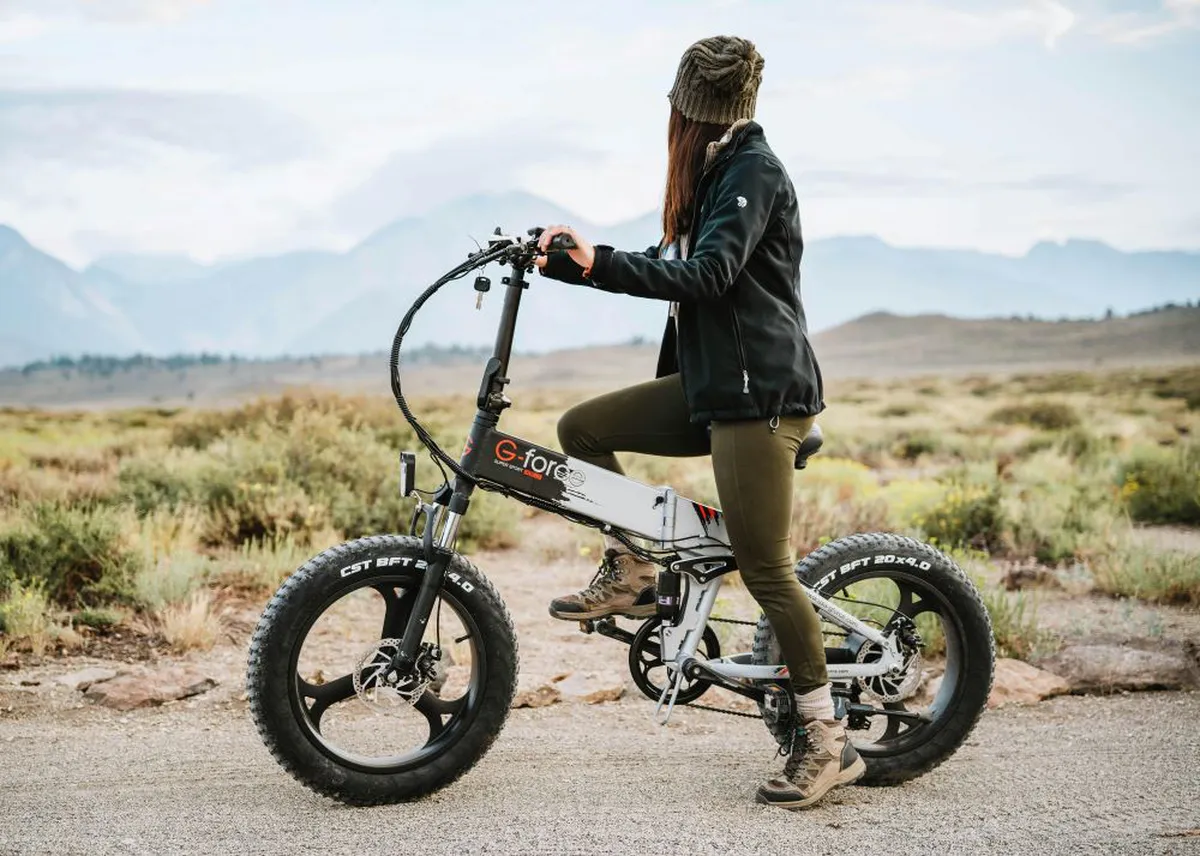
In recent years, electric bicycles (e-bikes) have transformed urban mobility across California, providing a convenient and eco-friendly alternative to traditional transportation. From the iconic hills of San Francisco to the sun-soaked streets of San Diego, these motorized devices have quickly become a common sight. However, with this surge in popularity comes a darker reality: a significant increase in traumatic brain injuries (TBIs) linked to e-bike accidents. As riders take to the streets, understanding local traffic laws and liability rules is crucial for protecting themselves both physically and financially.
According to a recent study from UC San Diego, the number of e-bike-related injuries has surged dramatically, climbing from single-digit figures a few years ago to over a thousand annually. This alarming trend underscores the need for riders to be aware of the risks involved, especially as e-bikes can reach speeds of up to 28 miles per hour. At such velocities, even a minor accident can result in severe injuries, particularly head trauma, which can have life-altering consequences.
Understanding E-Bike Classifications and Legal Requirements
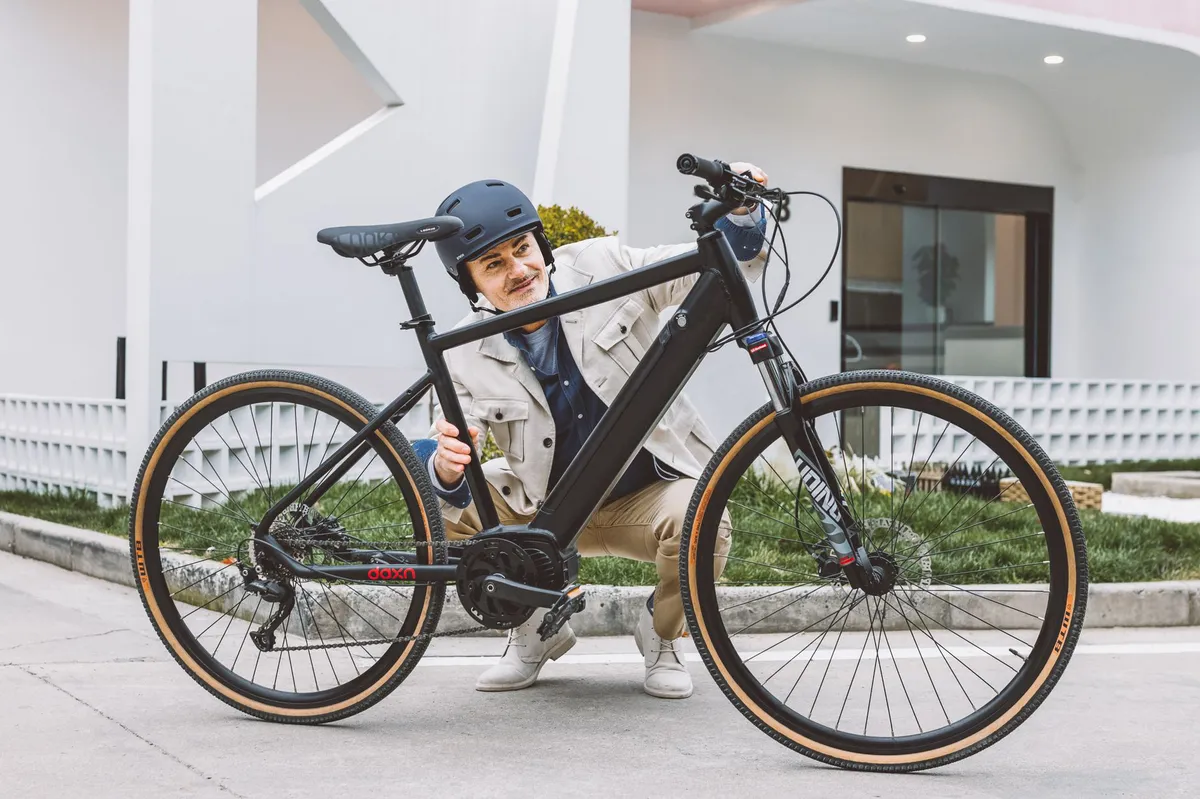
California law categorizes e-bikes into three distinct classes, each with specific rules and safety requirements:
- Class 1: These e-bikes have a motor that assists only when the rider is pedaling and ceases at 20 miles per hour. Riders under 18 are required to wear helmets.
- Class 2: Similar to Class 1 but allows for throttle assistance. Helmets are also mandatory for riders under 18.
- Class 3: E-bikes that can reach speeds of up to 28 miles per hour. All riders must wear helmets, regardless of age.
Additionally, electric scooters, which max out at 15 miles per hour, also require riders under 18 to wear helmets and possess a valid driver’s license or permit. While these laws are designed to enhance safety, they can create complicated legal scenarios in the event of an accident. For instance, an adult riding a Class 2 e-bike without a helmet, despite adhering to legal requirements, may find themselves in a precarious position should they suffer a severe concussion in a crash. Insurance companies often exploit such situations to argue against liability, complicating personal injury claims.
Determining Liability: Who is at Fault?
Establishing liability in e-bike accidents is rarely straightforward. The legal landscape can involve multiple parties sharing the blame, including:
- Motor Vehicle Drivers: Car and truck operators are frequently the primary cause of severe bicycle accidents. Common issues include failing to yield the right of way, making illegal turns, or opening car doors into bike lanes.
- Manufacturers and Retailers: If an e-bike suffers from mechanical failures—like defective brakes or malfunctioning batteries—product liability laws may hold manufacturers or retailers accountable.
- Local Governments: Cities have a responsibility to maintain safe road conditions. Poorly designed intersections, debris in bike lanes, and unmaintained potholes can contribute to e-bike accidents, potentially leading to claims against municipal entities.
In California, it is essential to understand the state's pure comparative negligence system. This legal framework allows victims to recover damages even if they are partially at fault for the accident. However, defense attorneys may aggressively attempt to shift blame onto the rider, pointing out minor traffic violations or the absence of a helmet to reduce the total financial payout.
The Challenges of Litigating Traumatic Brain Injuries
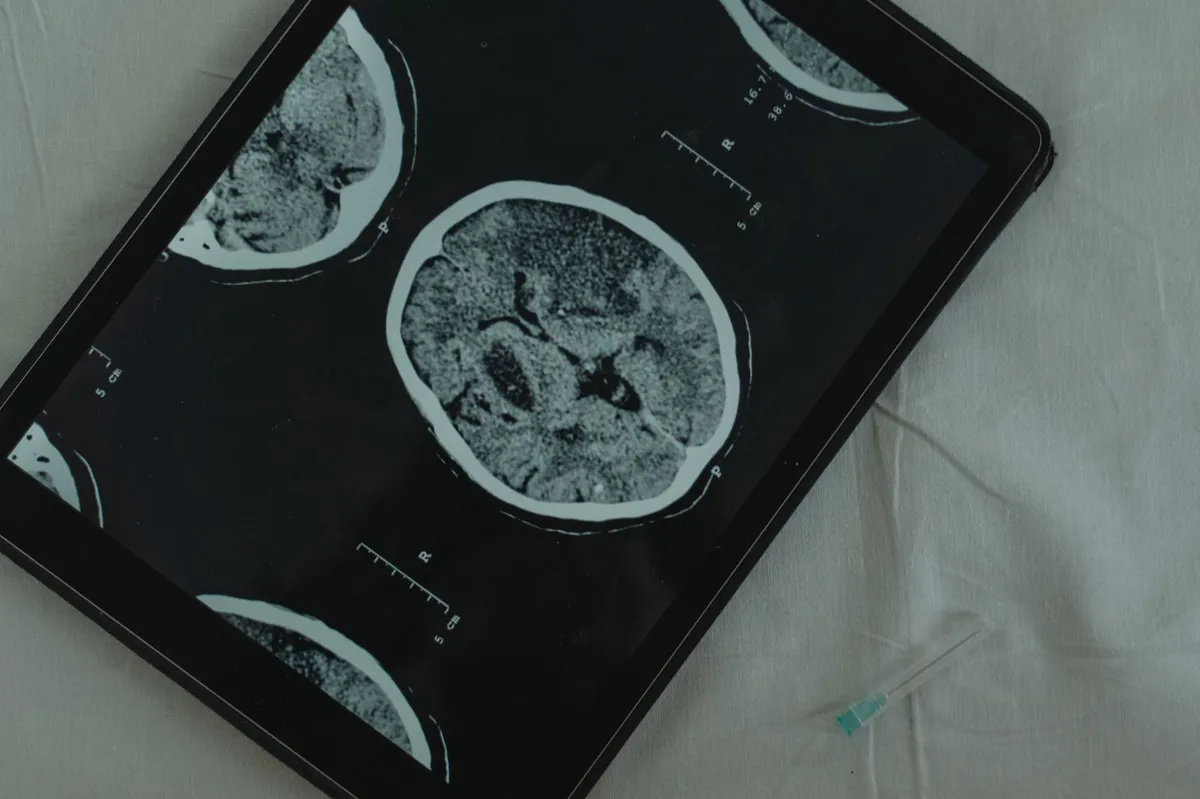
Traumatic brain injuries present unique challenges in litigation, as the damage is often not immediately visible. Unlike broken bones that can be clearly identified through standard X-rays, brain injuries may require advanced diagnostic imaging techniques, such as Diffusion Tensor Imaging (DTI) and Positron Emission Tomography (PET) scans, to reveal disruptions in brain pathways that typical MRIs might miss.
Furthermore, calculating the financial implications of a head injury necessitates looking years into the future. A fair settlement should encompass a wide range of factors:
- High medical expenses, including surgeries and rehabilitation.
- Ongoing physical therapy and support services.
- Lost earning capacity due to diminished cognitive function.
- Emotional distress stemming from cognitive impairments and lifestyle changes.
Protecting Your Rights After an E-Bike Accident
For anyone involved in an e-bike or scooter accident, taking immediate steps can protect your rights and ensure you have the best chance of recovering damages. Here’s what to do:
- Preserve Evidence: Keep the damaged bike or scooter in its post-accident condition. Do not attempt to repair it, as it serves as crucial physical evidence.
- File a Police Report: Ensure a formal report is filed, documenting the accident and any contributing factors.
- Gather Witness Information: Collect contact details from bystanders who can corroborate your account of the incident.
- Avoid Early Statements: Do not provide recorded statements to the at-fault party’s insurance company without legal representation to safeguard your interests.
Key Takeaways
- E-bike injuries are on the rise, necessitating awareness of safety laws and liability.
- California classifies e-bikes into three categories, each with specific helmet requirements.
- Determining liability can involve multiple parties, including drivers, manufacturers, and local governments.
- Traumatic brain injuries require specialized imaging to diagnose and litigate effectively.
- Quick action after an accident can help preserve evidence and protect legal rights.
Frequently Asked Questions
What should I do immediately after an e-bike accident?
After an e-bike accident, your first step should be to ensure your safety and seek medical attention if necessary. Preserve the scene by avoiding any repairs to your bike or scooter, as it can serve as critical evidence. It is also vital to file a police report and gather witness contact information to substantiate your claims in the future.
How does California's comparative negligence law affect my claim?
California operates under a pure comparative negligence system, which means you may still recover damages even if you are found partially at fault for the accident. However, the amount you can recover may be reduced by your percentage of fault. Thus, if you were deemed 20% at fault, your recovery would be reduced by that amount.
What types of compensation can I seek after an e-bike accident?
Victims of e-bike accidents may seek various types of compensation, including medical expenses, lost wages, rehabilitation costs, and damages for pain and suffering. It’s important to document all related expenses and losses to support your claim effectively.
When should I consult with a lawyer after an accident?
It is advisable to consult with a personal injury attorney as soon as possible after an e-bike accident, especially if you sustain significant injuries or if liability is disputed. An experienced attorney can help you navigate the complexities of your case, advocate for your rights, and work to ensure you receive fair compensation for your injuries.
This article is for informational purposes only and does not constitute legal advice.
Comments
Tyler Boebert Sentenced to Jail for Identity Theft Amid Ongoing Legal Troubles
Tyler Boebert, son of U.S. Representative Lauren Boebert, has been sentenced to 20 days in jail for identity theft. This case highlights broader issues of juvenile legal accountability and the impact of familial connections in the judicial system.

Related articles

Popular in Personal Injury
- Hawaii Supreme Court Overturns 36-Year-Old Rape Conviction Due to Forensic Flaws
- The Impact of Pro Bono Work by BigLaw Firms in 2025
- Albertsons Faces Trial Over Role in Washington's Opioid Crisis
- The Hidden Dangers of Open Manholes in New York City
- Historic $81 Million Verdict in Utah Pedestrian Wrongful Death Case