Legal Battle Over Flock Cameras and Privacy Rights in Wisconsin
A lawsuit filed by NoCams Muskego against Waukesha County challenges the use of Flock cameras and asserts violations of Fourth Amendment rights. The implications of this case could reshape surveillance practices and privacy expectations across the U.S.
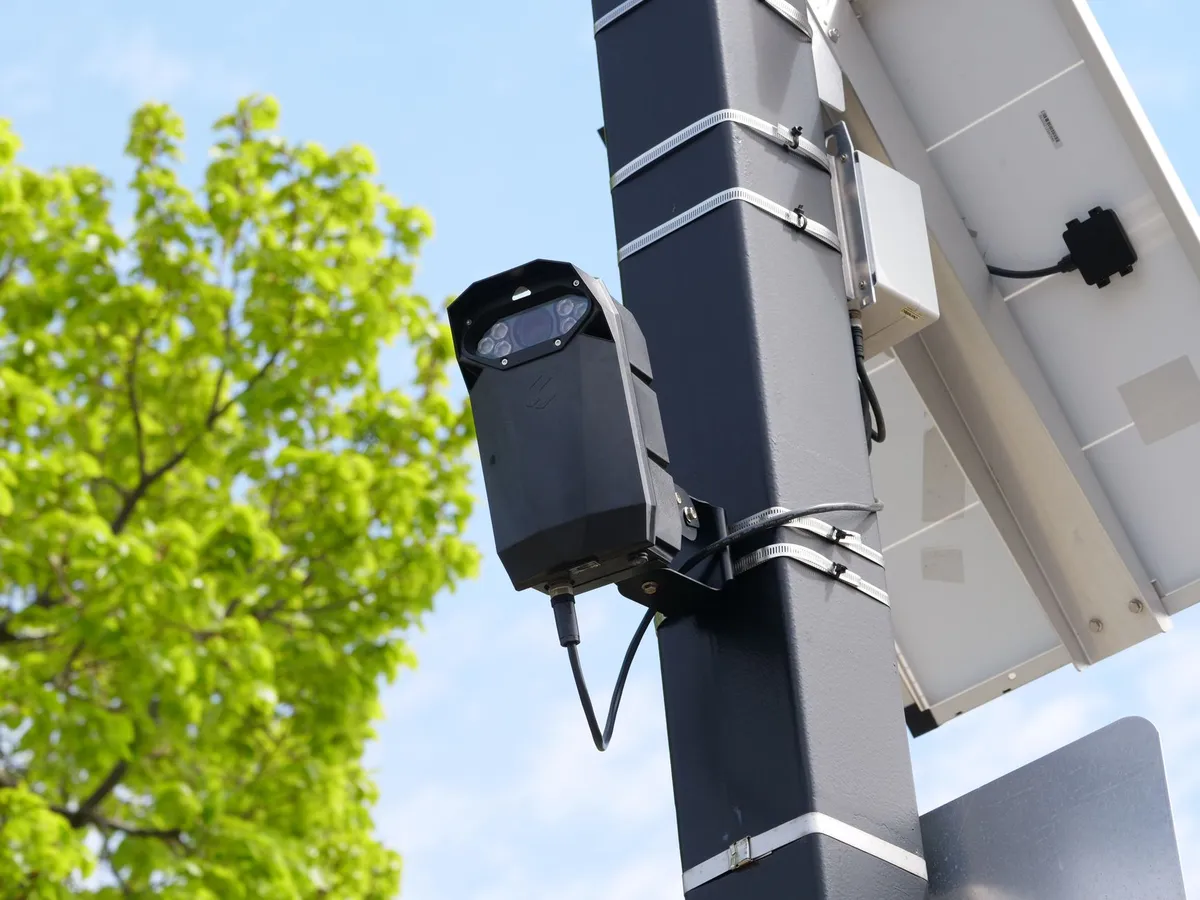
In a significant legal challenge to modern surveillance technology, the civic group NoCams Muskego has initiated a lawsuit against Waukesha County and eleven municipalities in Wisconsin, claiming that the use of Flock cameras constitutes an infringement on citizens' Fourth Amendment rights. These cameras, which monitor public spaces and record vehicle movements, have sparked intense debate over privacy and law enforcement accountability.
The heart of the lawsuit lies in the assertion that the deployment of Flock cameras represents a new and invasive level of surveillance that encroaches on the personal freedoms of individuals as they go about their daily lives. The plaintiffs argue that whether individuals are grocery shopping, attending religious services, or engaging in political activities, their movements are meticulously tracked, raising critical questions about the balance between public safety and personal privacy.

The Rise of Flock Safety Technology
Flock Safety, a surveillance technology company, is at the center of this controversy, providing law enforcement and local governments with solar-powered cameras and a cloud-based software platform designed to monitor and analyze vehicular traffic. These cameras are strategically installed in public areas such as highways, intersections, and parking lots, capturing images of vehicles and their license plates. This data is then processed and stored in a searchable database, enabling various users, including police departments, to query this information at will.
Critics argue that this system creates what they term a “vehicle fingerprint,” allowing for unprecedented tracking capabilities without the need for probable cause or a warrant. The plaintiffs contend that this practice violates the Fourth Amendment, which protects against unreasonable searches and seizures. They cite U.S. Supreme Court precedent in Chatrie v. United States, which ruled that accessing Google location history constitutes a search requiring a warrant, thus bolstering their claim that similar protections should apply to Flock’s database.

Implications of the Lawsuit
The lawsuit names several municipalities, each of which has adopted Flock's surveillance technology, claiming that none require law enforcement to obtain a warrant prior to accessing the database. This lack of oversight has raised alarms among privacy advocates and has prompted the civic group to seek judicial intervention to enforce stricter controls on how and when law enforcement can utilize this technology.
Concerns Over Privacy and Misuse
There are growing concerns about potential abuses of the Flock system, particularly instances where law enforcement officials might misuse access for personal reasons. This was exemplified by the case of former Milwaukee Police Department Officer Josue Ayala, who was charged with misconduct after conducting numerous unauthorized searches on a romantic partner and their previous partner. Such incidents highlight the risks associated with unchecked surveillance technologies and the necessity for robust safeguards.
- Surveillance Technology: Flock cameras are increasingly being installed across various jurisdictions, raising privacy concerns.
- Legal Precedents: The lawsuit references significant Supreme Court cases that affirm the right to privacy.
- Community Response: Growing opposition to Flock cameras has led to their removal in some areas, including university campuses.
Public Backlash and Legislative Responses
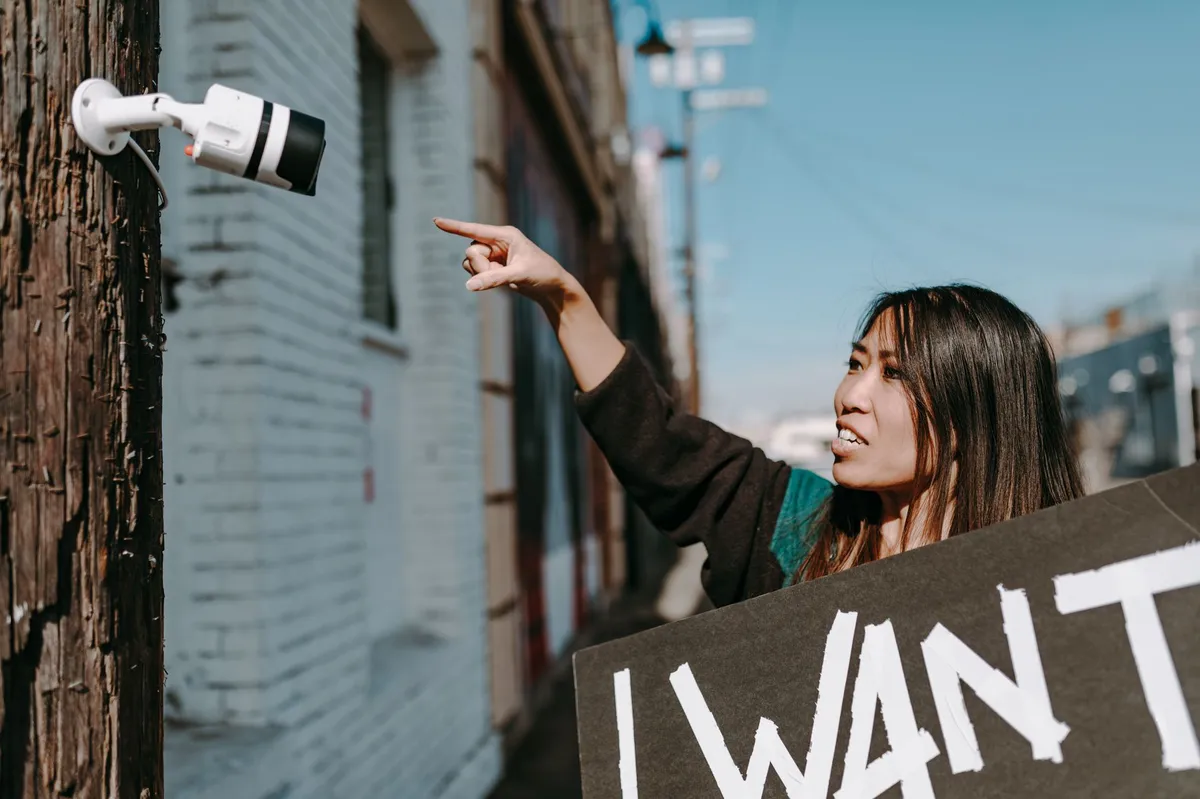
The backlash against Flock cameras has been palpable, leading to discussions about the need for legislative reforms to protect citizens' privacy rights. Several municipalities across Wisconsin have discontinued their contracts with Flock Safety, reflecting a broader trend of communities reassessing the implications of surveillance technologies.
In response to public concerns, Flock Safety has announced plans to introduce new measures designed to enhance accountability among its users. Starting January 1, 2024, law enforcement agencies will be required to implement an audit tool that flags unusual search behaviors, locking out users pending review. This may serve as a partial remedy to the issues raised in the lawsuit and help to restore public confidence in the responsible use of surveillance technology.
Looking Ahead: The Future of Surveillance and Privacy
The outcome of the NoCams Muskego lawsuit could set a significant precedent for the use of surveillance technology in the United States. As public awareness of privacy rights grows, there is an increasing demand for transparency and regulatory oversight in how data is collected and used by law enforcement.
The implications of this case extend beyond Wisconsin, potentially influencing how other states and municipalities approach surveillance technologies. As the midterm elections approach, the debate surrounding privacy rights and surveillance will likely become a focal point in political campaigns, further emphasizing the need for a balanced approach to public safety and civil liberties.
Key Takeaways
- The NoCams Muskego lawsuit challenges the legality of warrantless searches of Flock’s surveillance database.
- Flock cameras track vehicle movements, raising Fourth Amendment privacy concerns.
- Public backlash has led to the removal of Flock cameras in several municipalities.
- New safeguards are being implemented by Flock Safety to prevent misuse of their technology.
Frequently Asked Questions
What are Flock cameras and how do they work?
Flock cameras are advanced surveillance devices designed to monitor vehicular traffic. They are typically installed in public areas and capture images of vehicles and license plates, which are then uploaded to a cloud-based database. This database can be accessed by law enforcement and other authorized users to track vehicle movements.
What are the legal implications of the NoCams Muskego lawsuit?
The lawsuit seeks to establish that accessing the Flock database without a warrant violates the Fourth Amendment, which protects against unreasonable searches. If successful, this case could set a precedent for how surveillance technologies are regulated and used across the United States.
How are municipalities responding to the growing concerns about surveillance?
In response to public outcry over privacy concerns, some municipalities in Wisconsin have begun to discontinue their use of Flock cameras. As awareness of the implications of constant surveillance grows, many communities are calling for greater transparency and accountability in law enforcement practices.
What measures is Flock Safety implementing to address misuse of their technology?
Flock Safety has announced that it will require law enforcement agencies to implement an audit tool that detects abnormal search behavior. This tool aims to prevent unauthorized access and ensure that the use of surveillance technology is conducted responsibly and with oversight.
This content is general information and not legal advice.
Comments
Navigating E-Bike Liability: Protecting Yourself in California's Streets
As e-bikes surge in popularity across California, so do the associated risks and liabilities. This article delves into the complexities of e-bike accidents, the legal landscape, and how riders can safeguard their interests.

Related articles




Popular in Personal Injury
- Hawaii Supreme Court Overturns 36-Year-Old Rape Conviction Due to Forensic Flaws
- The Impact of Pro Bono Work by BigLaw Firms in 2025
- Albertsons Faces Trial Over Role in Washington's Opioid Crisis
- The Hidden Dangers of Open Manholes in New York City
- Historic $81 Million Verdict in Utah Pedestrian Wrongful Death Case