Alex Murdaugh Retrial: Venue Change and Its Implications
The court has decided to move Alex Murdaugh's retrial to a new location, raising questions about the legal process and public perception. This article explores the ramifications of this decision.
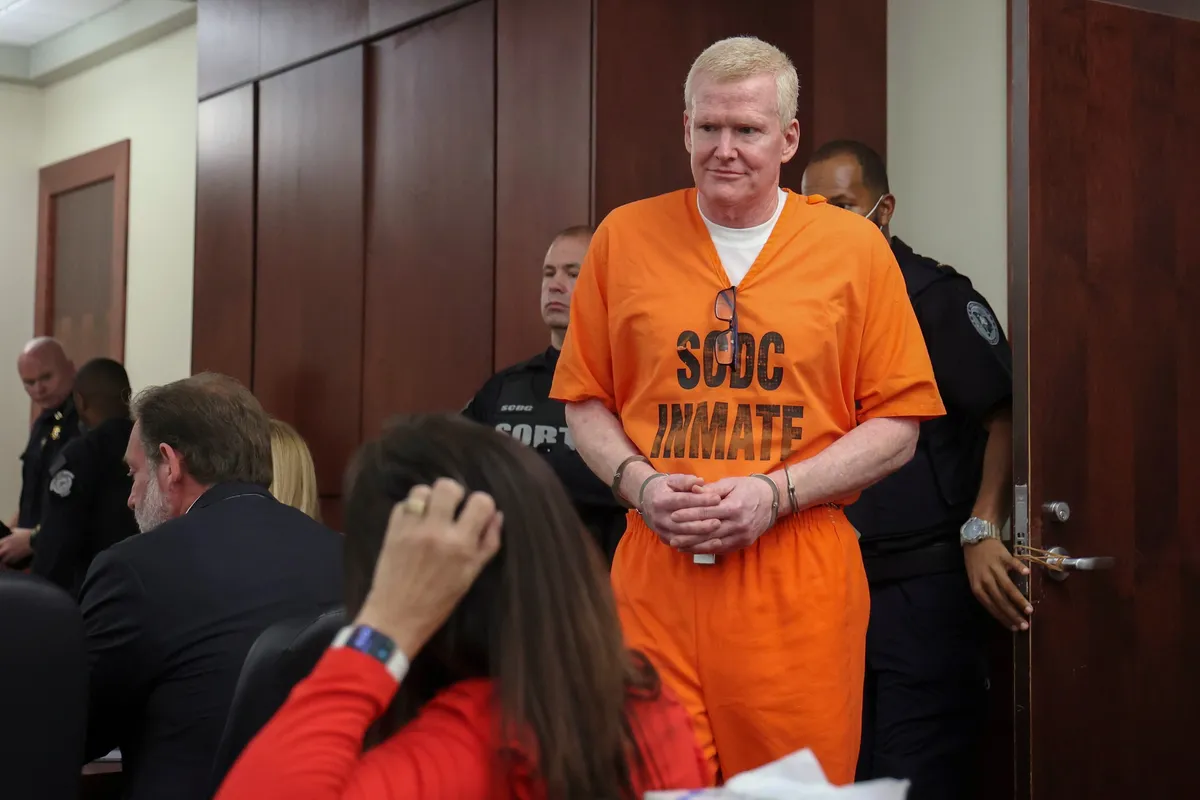
The legal saga surrounding Alex Murdaugh, the disgraced South Carolina attorney accused of multiple crimes, has taken another dramatic turn with the judge's recent decision to grant a change of venue for his retrial. This pivotal ruling raises critical questions about the judicial process, public opinion, and the broader implications for similar high-profile cases across the United States. As the retrial approaches, understanding the factors that led to this decision and its potential consequences becomes essential.
Understanding the Change of Venue
A change of venue refers to the legal process of moving a trial to a different location, typically due to concerns about whether a fair and impartial jury can be selected in the original venue. In Murdaugh's case, the judge recognized that extensive media coverage and public sentiment might have compromised the integrity of the trial in his home jurisdiction. This ruling aims to ensure that the defendant receives a fair trial, which is a cornerstone of the U.S. legal system.
Reasons for the Venue Change
Several factors contributed to the decision to relocate Murdaugh's trial:
- Prejudice in the Original Venue: The intense media scrutiny surrounding Murdaugh's case has led to widespread public opinion that could bias potential jurors.
- High-Profile Nature of the Case: Given Murdaugh's connection to a prominent legal family in South Carolina, the case has garnered national attention, complicating the jury selection process.
- Legal Precedent: Courts often grant venue changes in high-profile cases to uphold the defendant's right to a fair trial, especially when local sentiment is overwhelmingly negative.
The Implications for Murdaugh's Case
The decision to change the venue is not merely a logistical adjustment; it has profound implications for Murdaugh's defense strategy and the prosecution's approach. Selecting a jury from a different community may yield a more diverse and less biased pool of potential jurors, which could alter the dynamics of the trial.
Potential New Locations
While the judge has announced the change of venue, he has not yet specified the exact location where Murdaugh's retrial will take place. This uncertainty leaves open the possibility for various jurisdictions that may be less familiar with the case, such as other counties in South Carolina or even an entirely different state. Each potential venue presents its own unique challenges and opportunities for both the defense and prosecution.

Wider Context of Venue Changes
The practice of changing venues is not unique to the Murdaugh case. It has been utilized in numerous high-profile trials, particularly those that have garnered extensive media coverage. Some notable examples include:
- Jodi Arias: The murder trial of Arias was moved from Arizona to avoid juror bias due to pretrial publicity.
- Rodney King: The trial of the officers involved in the beating of King was relocated to Simi Valley, California, after concerns about bias in Los Angeles.
- George Zimmerman: The trial concerning the shooting of Trayvon Martin was moved to avoid intense local scrutiny.
What This Means for the Legal System
The Murdaugh retrial exemplifies the critical balance the legal system must strike between ensuring a fair trial and managing public interest. It highlights the challenges courts face when dealing with cases that attract significant media attention and public involvement. The decision to change the venue serves as a reminder of the judiciary's responsibility to maintain the integrity of the legal process, even amid sensational headlines and social media commentary.
Public Reaction and Media Coverage
The media plays an influential role in shaping public perception, impacting not only the defendant's right to a fair trial but also the jury's decision-making process. As the Murdaugh case continues to unfold, both the media and public will be watching closely to see how the change of venue affects the proceedings. The potential for a different community's perspective on the case may lead to varying interpretations of the evidence and arguments presented during the trial.
Key Takeaways
- Alex Murdaugh's retrial has been moved to ensure a fair trial away from biased public opinion.
- The change of venue reflects a broader legal practice in high-profile cases to avoid jury prejudice.
- The decision has significant implications for the defense strategy and jury selection process.
- Media coverage continues to shape public perception and could influence the outcome of the trial.
Frequently Asked Questions
What does a change of venue entail?
A change of venue is a legal procedure that allows a trial to be moved to a different location. This is typically requested when there are concerns that the original venue cannot provide a fair trial due to factors such as public opinion, media coverage, or local prejudices. The new location is selected to ensure an impartial jury and a fair judicial process.
How does media coverage affect high-profile trials?
Media coverage can significantly impact public perception of a case, potentially leading to bias among jurors. In high-profile trials, extensive media attention can shape narratives that may influence how jurors view the evidence or the defendant. Courts often take this into consideration when deciding on a change of venue to safeguard the defendant's right to a fair trial.
What are the potential outcomes of Murdaugh's retrial?
The outcomes of Murdaugh's retrial could vary widely depending on the jury selected and the strategies employed by both the defense and prosecution. Potential outcomes include acquittal, conviction on lesser charges, or a hung jury, which could lead to further legal proceedings. The change of venue may also affect how the evidence is received and interpreted by the new jury.
Why is the right to a fair trial important?
The right to a fair trial is a fundamental component of the U.S. legal system, ensuring that all defendants receive impartial treatment and a chance to present their case without bias. This principle is enshrined in the Sixth Amendment of the U.S. Constitution, underscoring the importance of maintaining public confidence in the judicial process. Ensuring a fair trial protects not only the rights of the defendant but also the integrity of the legal system as a whole.
Comments
Navigating the Legal Landscape of Firearm Sales in America
Selling a firearm in the U.S. involves navigating complex federal and state regulations. Understanding your legal options is crucial to avoid liability and ensure compliance throughout the transfer process.

Related articles




Popular in Personal Injury
- Hawaii Supreme Court Overturns 36-Year-Old Rape Conviction Due to Forensic Flaws
- The Impact of Pro Bono Work by BigLaw Firms in 2025
- Albertsons Faces Trial Over Role in Washington's Opioid Crisis
- The Hidden Dangers of Open Manholes in New York City
- Historic $81 Million Verdict in Utah Pedestrian Wrongful Death Case