Legal Action Looms Against Conspiracy Theorists in Lindsay Clancy Case
As conspiracy theories swirl around the tragic case of Lindsay Clancy, her ex-husband's lawyer warns of potential legal repercussions. This article delves into the implications of such theories on legal proceedings.
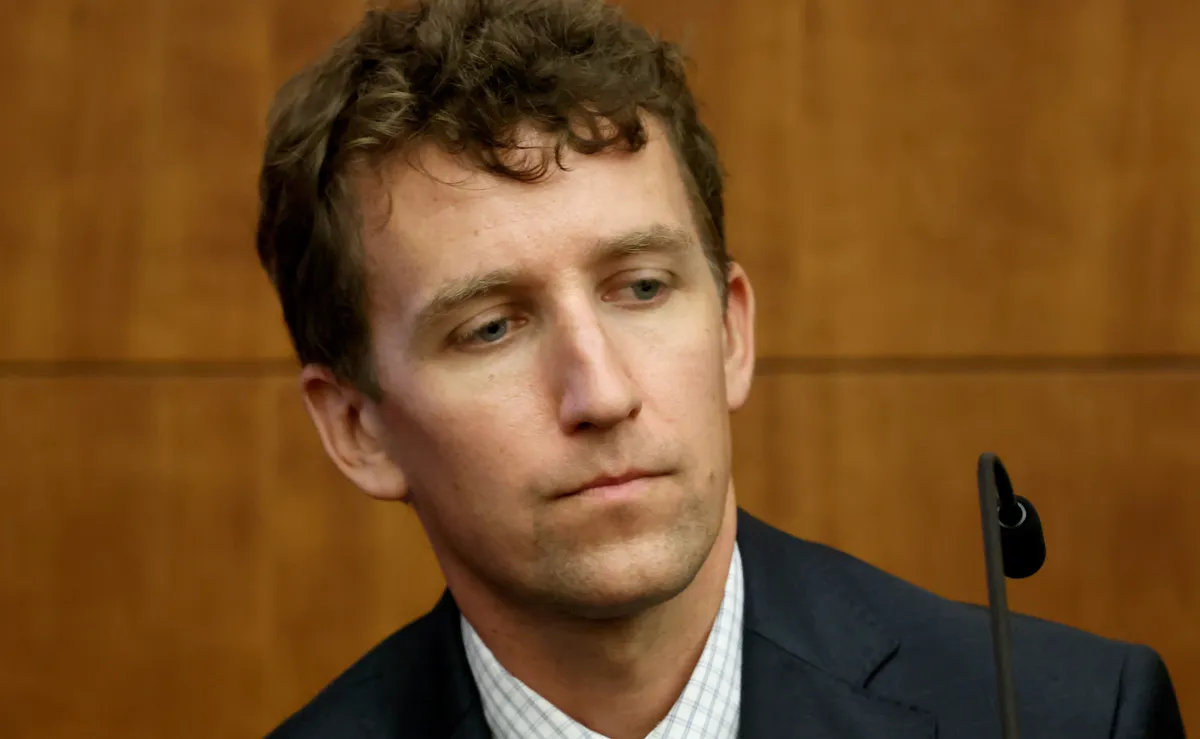
The tragic case of Lindsay Clancy has captivated and horrified the public, leading to a surge of speculation and conspiracy theories surrounding the events leading to her arrest. In a bold move, the attorney representing Clancy's ex-husband has threatened legal action against those perpetuating harmful narratives that could interfere with the ongoing legal proceedings. This situation not only highlights the impact of misinformation in high-profile cases but also raises important questions about the intersection of legal rights, free speech, and public discourse.
As the community grapples with the emotional fallout of this incident, the potential for legal repercussions against conspiracy theorists serves as a stark reminder of the responsibilities that come with sharing information, especially in cases involving deep personal tragedy. This article will explore the implications of these developments, the legal framework surrounding defamation, and the broader societal impact of conspiracy theories.
The Lindsay Clancy Case: A Brief Overview
Before delving into the legal complexities, it is essential to understand the context of the Lindsay Clancy case. Lindsay Clancy, a mother of three, was charged with serious crimes stemming from a tragic incident that resulted in the death of her children. As details emerged, public interest skyrocketed, leading to a range of theories and speculations about her motives and mental state.
Public Reaction and Speculation
In cases like this, the public often seeks to fill in gaps left by incomplete information. Social media platforms have become hotbeds for conjecture, with users sharing theories that can range from the plausible to the wildly unfounded. This phenomenon can not only mislead the public but also complicate legal proceedings as jurors may be influenced by the narratives circulating outside the courtroom.

Legal Implications of Defamation
The rise of conspiracy theories in the Clancy case brings to light the potential for defamation claims. Defamation occurs when false statements are made about an individual that harm their reputation. In the context of Lindsay Clancy's ex-husband, Patrick Clancy, the attorney's warning suggests a readiness to pursue legal action against those disseminating false information that could damage his client's reputation.
Understanding Defamation Law
In the United States, defamation laws vary by state, but generally, the plaintiff must prove that:
- The statement was false.
- The statement was made with a degree of fault (negligence or actual malice).
- The statement caused harm to the plaintiff's reputation.
The potential for legal action underscores the necessity for individuals to critically evaluate the sources of their information before sharing it. In high-profile cases, the consequences of spreading misinformation can extend beyond the individuals involved, affecting families, communities, and even the judicial system.

Conspiracy Theories and Their Societal Impact
The proliferation of conspiracy theories poses significant challenges, not just for the individuals targeted but for society as a whole. These theories can create division and mistrust within communities, often leading to the vilification of individuals based on unfounded claims. In the case of Lindsay Clancy, the emotional toll on the families involved is profound, as they must navigate not only grief but also public scrutiny fueled by speculation.
The Role of Media Literacy
To combat the spread of misinformation, it is crucial for individuals to develop strong media literacy skills. This involves:
- Evaluating sources critically.
- Understanding the difference between opinion and fact.
- Recognizing the motivations behind certain narratives.
By fostering an informed public, society can mitigate the impact of conspiracy theories and ensure that discussions surrounding tragic events remain respectful and grounded in reality.

What Lies Ahead: Potential Legal Actions
As Lindsay Clancy's case unfolds, the threat of legal action against conspiracy theorists may set a precedent for how similar cases are handled in the future. The legal framework surrounding defamation and the protection of individual reputations will continue to evolve as society grapples with the challenges posed by misinformation.
Public Responsibility and Ethical Considerations
In an era of rapid information exchange, there is a shared responsibility among individuals to consider the ethical implications of their actions. Engaging in speculation without a basis in fact not only harms the individuals involved but can also hinder the pursuit of justice. The challenge lies in balancing freedom of speech with the need for accountability in the age of social media.
Key Takeaways
- Conspiracy theories surrounding the Lindsay Clancy case may lead to legal action against those spreading misinformation.
- Defamation laws protect individuals from false statements that harm their reputation.
- Media literacy is essential for combatting the spread of misinformation.
- Understanding the legal implications of sharing information is crucial in high-profile cases.
Frequently Asked Questions
What is defamation, and how can it be proven?
Defamation involves making false statements about someone that damage their reputation. To prove defamation, the plaintiff must demonstrate that the statement was false, made with negligence or actual malice, and caused harm to their reputation. Each state has its own laws regarding defamation, so outcomes can vary widely depending on the jurisdiction.
How can conspiracy theories affect legal proceedings?
Conspiracy theories can significantly impact legal proceedings by shaping public perception and influencing potential jurors. If jurors are exposed to speculative narratives, their ability to remain impartial may be compromised, potentially leading to biased verdicts. This underscores the importance of controlling information and maintaining the integrity of the judicial process.
What are the consequences of spreading false information?
Spreading false information can lead to various consequences, including legal action for defamation, social ostracization, and the perpetuation of harmful stereotypes. Individuals who share unverified information may face backlash not only from those directly involved but also from the wider community, emphasizing the need for responsible communication.
Why is media literacy important in today's society?
Media literacy is crucial in today’s society as it equips individuals with the skills necessary to critically assess information sources. In an age where misinformation can spread rapidly, understanding how to differentiate between reliable news and conspiracy theories can empower individuals to make informed decisions and engage in constructive discussions.
Disclaimer: The content provided is general information and not legal advice.
Comments
Navigating the Legal Landscape of Firearm Sales in America
Selling a firearm in the U.S. involves navigating complex federal and state regulations. Understanding your legal options is crucial to avoid liability and ensure compliance throughout the transfer process.

Related articles







Popular in Personal Injury
- Hawaii Supreme Court Overturns 36-Year-Old Rape Conviction Due to Forensic Flaws
- The Impact of Pro Bono Work by BigLaw Firms in 2025
- Albertsons Faces Trial Over Role in Washington's Opioid Crisis
- The Hidden Dangers of Open Manholes in New York City
- Historic $81 Million Verdict in Utah Pedestrian Wrongful Death Case