Two Mexican Nationals Plead Guilty in Major Smuggling and Drug Case
In a significant federal case, two Mexican men have pleaded guilty to drug trafficking, firearms smuggling, and supporting a designated terrorist organization. This article explores the implications of their actions and the broader context of smuggling operations in the U.S.
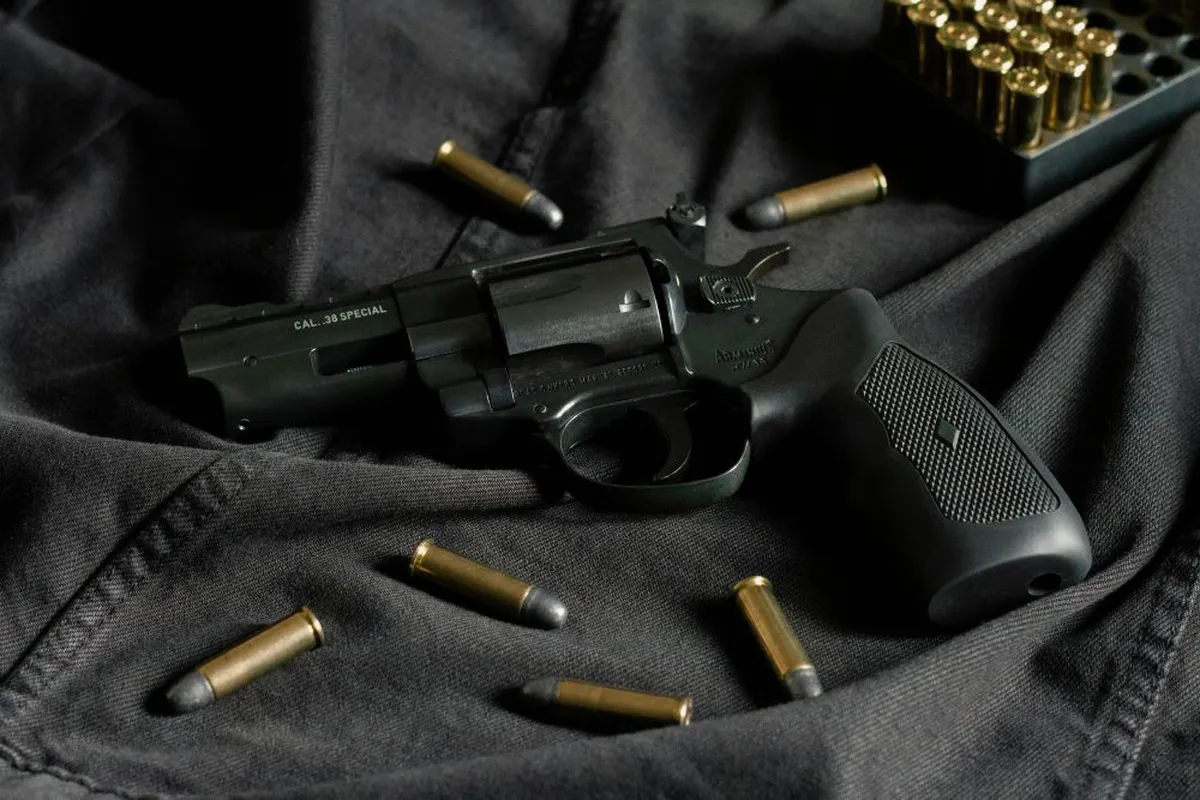
In a notable development in the ongoing battle against drug trafficking and organized crime, two Mexican nationals have pleaded guilty to a series of serious federal charges, including drug trafficking and arms smuggling. This case, which highlights the intricate connections between drug cartels and human smuggling, underscores the persistent challenges faced by law enforcement agencies in their efforts to combat these crimes. Maria Del Rosario Navarro-Sanchez, 40, and Gustavo Castro-Medina, 29, are now facing potentially severe sentences that reflect the gravity of their offenses.
According to the U.S. Department of Justice (DOJ), Navarro-Sanchez and Castro-Medina were part of a broader network involved in smuggling drugs and people across the U.S.-Mexico border. The individuals' actions are particularly concerning given their links to the Cartel de Jalisco Nueva Generacion (CJNG), a criminal organization that the U.S. government has officially classified as a foreign terrorist organization. This classification is not merely a label; it carries significant legal implications and underscores the perceived threat posed by such groups.

The Criminal Activities Unveiled
The investigation that led to the guilty pleas of Navarro-Sanchez and Castro-Medina began with a focus on a group accused of facilitating the movement of drugs and unauthorized immigrants across international borders. In a detailed review of court records, it was revealed that Navarro-Sanchez played a critical role in obtaining firearms for CJNG members. She admitted to understanding that the group was involved in violent criminal acts, including hostage-taking and murders. This acknowledgment sheds light on the brutal realities of cartel operations, where violence is often a tool of enforcement and intimidation.
Firearms Acquisition and the CJNG
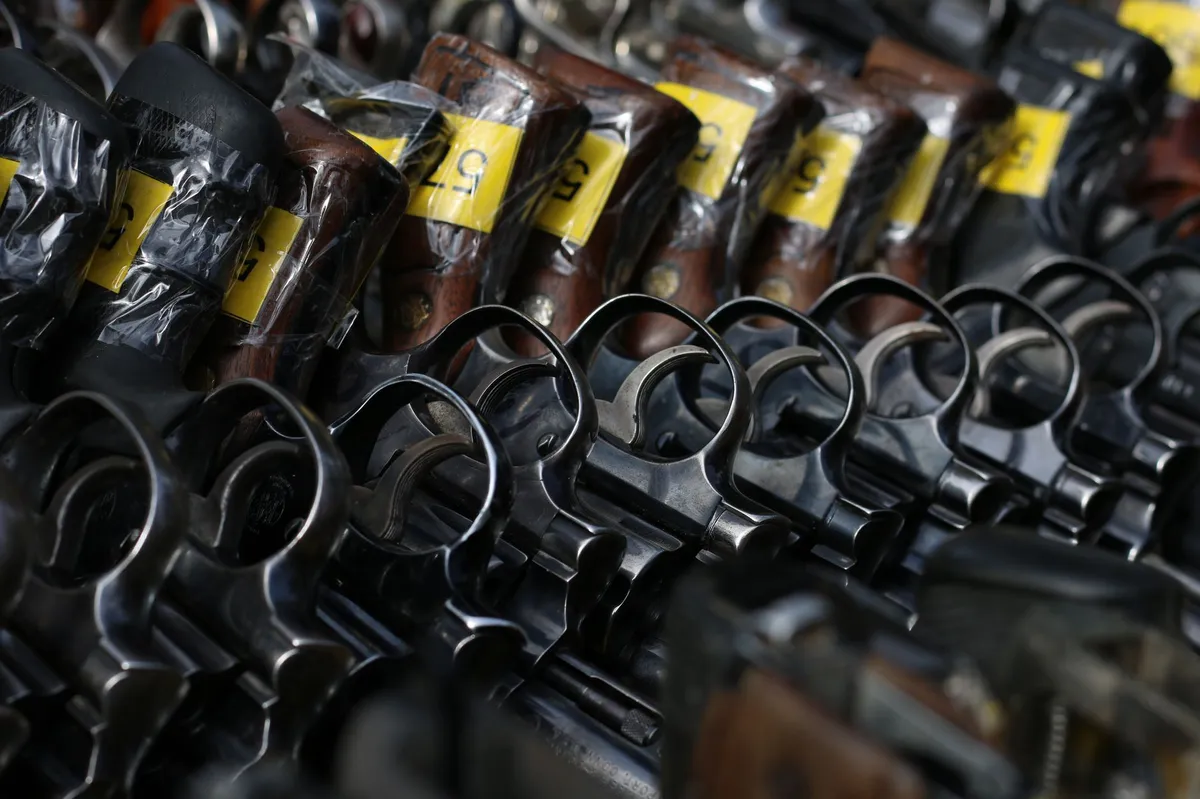
One of the most alarming aspects of the case was Navarro-Sanchez's involvement in negotiating the purchase of military-style firearms, specifically 20 AK-47-style rifles and two .50-caliber rifles. These weapons were intended to be smuggled from the United States into Mexico, where they would likely be used to bolster the criminal activities of the CJNG. The financial transaction for these firearms was significant, with a total purchase price of $66,000. The transfer of $3,000 made by Castro-Medina as a down payment illustrates not only the financial networks that support such operations but also the lengths to which individuals will go to facilitate cartel activities.
Smuggling and Methamphetamine Trafficking
In addition to their roles in arms trafficking, both Navarro-Sanchez and Castro-Medina were implicated in methamphetamine smuggling. Castro-Medina, in particular, faced separate charges stemming from an incident in November 2020 when U.S. Border Patrol agents stopped him while driving near Sierra Blanca, Texas. Upon further inspection of his vehicle, agents discovered 36.36 kilograms of crystal methamphetamine concealed beneath a trap door. This incident highlights the creative and dangerous methods employed by traffickers to evade law enforcement detection.
Legal Consequences and Sentencing
Following their guilty pleas, both Navarro-Sanchez and Castro-Medina are now facing a mandatory minimum sentence of ten years in federal prison, with the possibility of life imprisonment depending on the circumstances of their cases. Navarro-Sanchez pleaded guilty to four charges, including possession with intent to distribute methamphetamine and conspiracy to traffic firearms. Castro-Medina, on the other hand, pleaded guilty to two charges related to methamphetamine and firearms trafficking. The severity of these charges reflects the U.S. government's zero-tolerance approach towards drug and arms trafficking, particularly when linked to terrorist organizations.
Broader Implications for U.S. Border Security
The case of Navarro-Sanchez and Castro-Medina is not just an isolated incident but rather a reflection of a larger, systemic issue regarding drug trafficking and human smuggling along the U.S.-Mexico border. The CJNG is known for its ruthless tactics and vast operational reach, which poses significant challenges to U.S. law enforcement agencies. As drug cartels continue to adapt and evolve, so too must the strategies employed by the government to combat them.
Impact on Communities and Law Enforcement
The ramifications of such criminal activities extend far beyond the individuals involved. Communities along the border and even far beyond are affected by the violence and instability brought about by drug trafficking organizations. Law enforcement agencies find themselves in an ongoing struggle to adapt to the changing tactics of these groups while also ensuring the safety of the public. The complexities of these operations often require significant resources and inter-agency collaboration, further illustrating the need for comprehensive border security measures.
- Drug Trafficking: The smuggling of drugs such as methamphetamine continues to plague local communities, leading to addiction and crime.
- Firearms Smuggling: The illegal acquisition and transfer of firearms to criminal organizations exacerbate violence and instability.
- Human Smuggling: Individuals, often desperate for better opportunities, are exploited by smuggling networks.
- Legal Ramifications: Guilty pleas in such cases often lead to significant prison sentences, reflecting the seriousness of the offenses.
Key Takeaways
- Two Mexican nationals have pleaded guilty to serious federal charges, including drug and firearms trafficking.
- Navarro-Sanchez and Castro-Medina are linked to the CJNG, a designated foreign terrorist organization.
- The case highlights the ongoing challenges of drug and human smuggling along the U.S.-Mexico border.
- Both men face lengthy prison sentences, underscoring the U.S. government's commitment to combating organized crime.
Frequently Asked Questions
What charges did the two men plead guilty to?
Maria Del Rosario Navarro-Sanchez pleaded guilty to four serious charges, including possession with intent to distribute methamphetamine and conspiracy to traffic firearms. Gustavo Castro-Medina pleaded guilty to two charges related to methamphetamine and firearms trafficking. These charges reflect their extensive involvement in organized crime linked to the CJNG.
What is the Cartel de Jalisco Nueva Generacion (CJNG)?
The CJNG is a criminal organization based in Mexico that has been classified by the U.S. government as a foreign terrorist organization. Known for its violent tactics and extensive drug trafficking operations, the CJNG poses a significant threat to both Mexico and the United States. Their activities include the production and distribution of illegal drugs, human smuggling, and armed violence against rival factions and law enforcement.
What are the potential sentences for Navarro-Sanchez and Castro-Medina?
Both Navarro-Sanchez and Castro-Medina face a mandatory minimum sentence of ten years in federal prison. However, depending on the specifics of their cases and any prior criminal history, they could potentially receive sentences of up to life in prison. This reflects the serious nature of their offenses and the U.S. government's commitment to addressing organized crime.
Comments
Class Action Lawsuit Against Honda: Front Camera Failures Raise Concerns
Honda owners are taking legal action over front camera failures in several models, claiming costly repairs and compromised safety features. This class action lawsuit highlights the implications for vehicle safety and consumer rights.

Related articles


Popular in Personal Injury
- Hawaii Supreme Court Overturns 36-Year-Old Rape Conviction Due to Forensic Flaws
- The Impact of Pro Bono Work by BigLaw Firms in 2025
- Albertsons Faces Trial Over Role in Washington's Opioid Crisis
- The Hidden Dangers of Open Manholes in New York City
- Historic $81 Million Verdict in Utah Pedestrian Wrongful Death Case