Class Action Lawsuit Against Honda: Front Camera Failures Raise Concerns
Honda owners are taking legal action over front camera failures in several models, claiming costly repairs and compromised safety features. This class action lawsuit highlights the implications for vehicle safety and consumer rights.
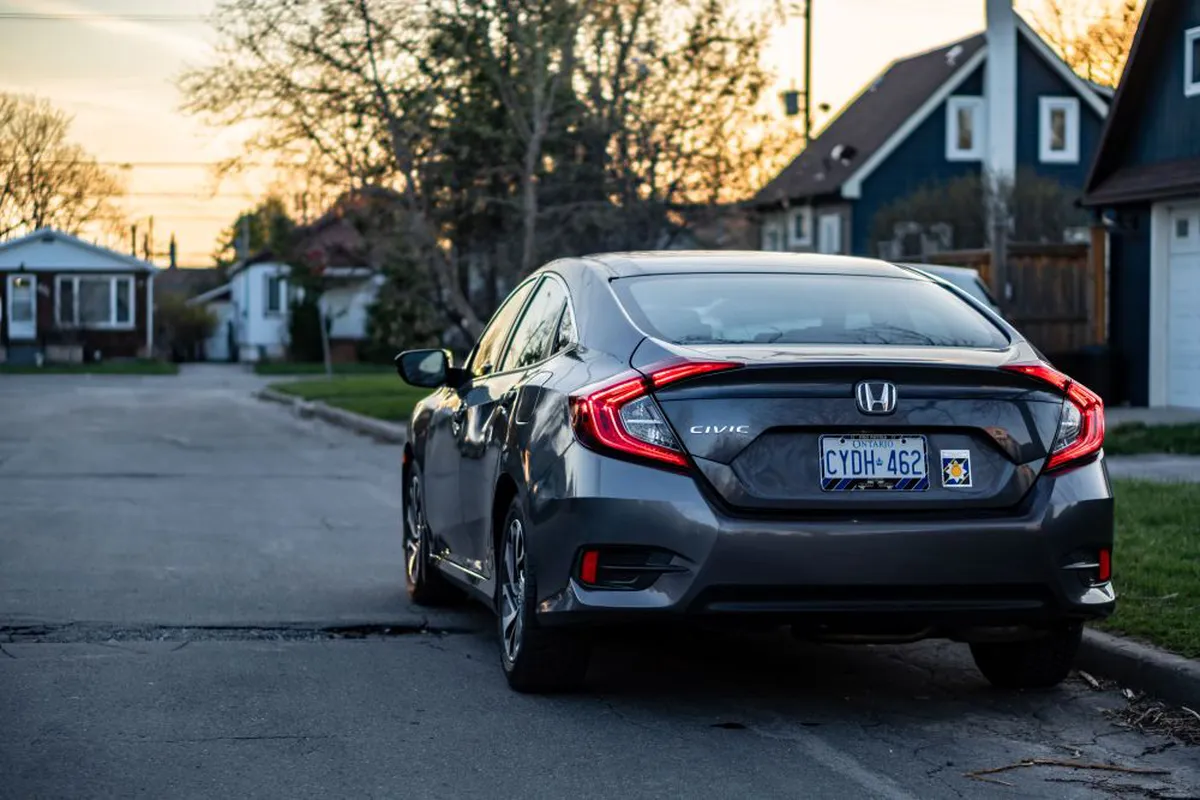
In an alarming turn of events for Honda owners, a class action lawsuit has emerged, focusing on critical failures in the front camera system of various Honda models. This issue not only poses a financial burden on owners faced with unexpected repair costs but raises significant questions about vehicle safety and corporate responsibility. The lawsuit, spearheaded by Virginia resident Beverly Mason, highlights how a malfunctioning camera can compromise the effectiveness of Honda's advanced safety features, leaving drivers vulnerable on the road.
The Honda Sensing safety system, designed to enhance vehicle safety through features such as lane-keeping assistance and collision mitigation, relies heavily on a front-mounted camera. However, when this camera malfunctions, as alleged in the lawsuit, it can lead to a cascade of warning messages and the disabling of crucial safety functions. One plaintiff claims that her camera failure resulted in nearly $3,000 in repair expenses, underscoring the financial ramifications of such a defect.
Understanding the Honda Sensing System
The Honda Sensing system is a suite of safety technologies integrated into several Honda models, aimed at preventing accidents and enhancing driver awareness. This system includes features like:
- Collision Mitigation Braking System (CMBS): Automatically applies the brakes when a potential collision is detected.
- Lane Keeping Assist System (LKAS): Helps keep the vehicle centered in its lane.
- Adaptive Cruise Control (ACC): Maintains a set speed while adjusting to the speed of vehicles ahead.
- Road Departure Mitigation System (RDM): Alerts the driver and can apply brakes if the vehicle is about to leave the roadway.
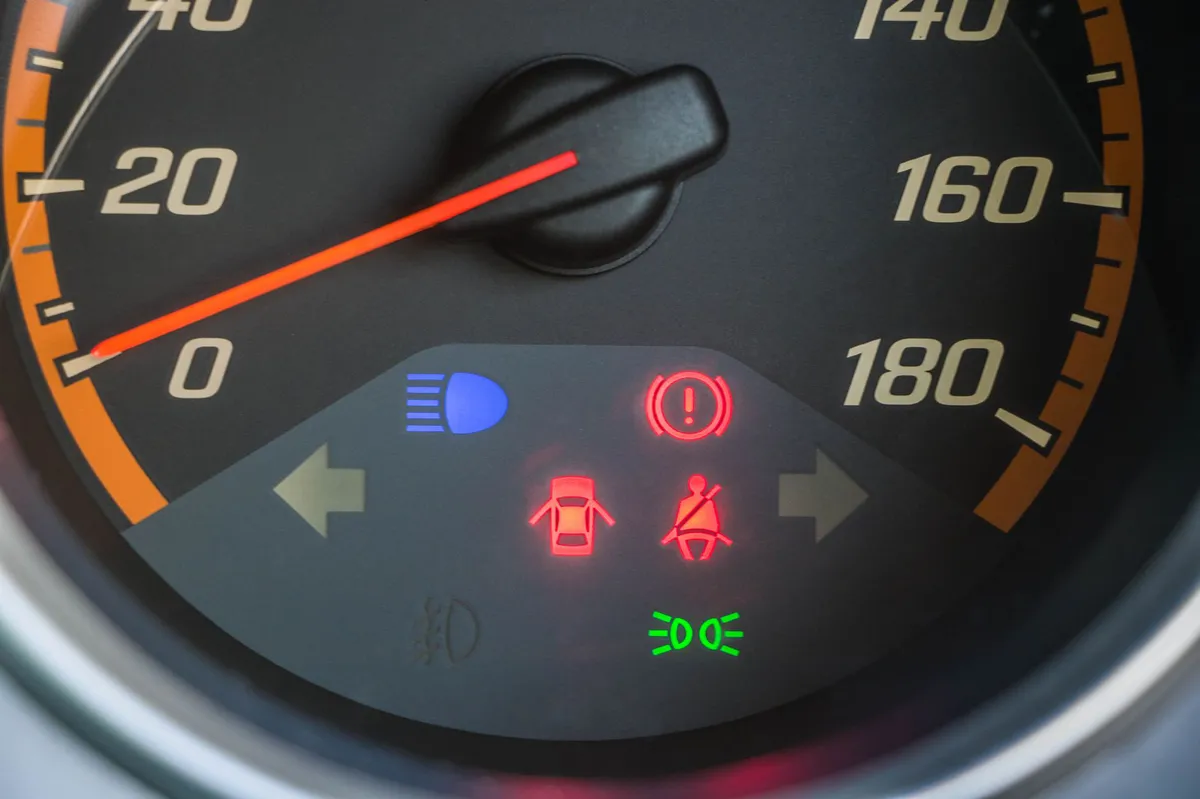
Each of these features relies on accurate data from the front camera. When the camera fails, drivers may receive warning messages indicating various system malfunctions, leaving them without essential safety aids.
The Legal Landscape: Class Action Lawsuits
A class action lawsuit is a legal mechanism that allows a group of people with similar claims to sue as a collective. In this case, the lawsuit alleges that Honda was aware or should have been aware of the defects in the front camera systems across multiple models, yet continued to sell these vehicles without adequately addressing the issue. The claim includes models like:
- 2018-2025 Honda Odyssey
- 2018-2025 Honda Pilot
- 2022-2025 Honda Civic
- 2023-2025 Honda HR-V
- 2018-2021 Honda Clarity
This particular class action not only seeks compensation for repairs but also aims to hold Honda accountable for its negligence in ensuring the safety and reliability of its vehicles. Legal experts suggest that if the plaintiffs succeed, it could lead to widespread implications for consumer rights and automotive safety standards.
The Impact on Honda Owners
The ramifications of this lawsuit extend beyond individual repair bills. For Honda owners, a malfunctioning front camera can significantly impact their driving experience and safety. Many drivers rely on the advanced technology embedded in their vehicles to enhance safety and reduce the risk of accidents. When these systems fail, it not only creates financial strain but also raises concerns about the safety of the vehicle itself.
Beverly Mason's experience is emblematic of the challenges faced by many Honda owners. After purchasing her 2018 Honda Clarity, she was met with repeated warnings regarding the Honda Sensing features, ultimately culminating in a costly repair bill that she had not anticipated. Such unexpected expenses can lead to frustration and a loss of trust in the brand.
Consumer Rights and Future Implications
This lawsuit shines a light on the broader issues of consumer rights within the automotive industry. When consumers purchase vehicles, they expect that the products will function safely and reliably. If manufacturers fail to address known defects, they may be held liable for damages incurred by consumers. The outcome of this case could set a precedent for how automakers handle safety technology and consumer complaints in the future.
Furthermore, the case raises critical questions about transparency and accountability in the automotive industry. Consumers have the right to be informed about potential safety issues before making a purchase, and manufacturers have an obligation to ensure the reliability of their products. If the lawsuit succeeds, it may encourage other automakers to be more proactive in addressing defects and communicating with customers.

Key Takeaways
- The class action lawsuit against Honda highlights significant issues with the front camera system in several models.
- Malfunctions in the camera can disable key safety features, posing risks to drivers.
- Honda owners may face substantial repair costs and uncertainty regarding future issues.
- The outcome of the lawsuit could impact consumer rights and accountability in the automotive sector.
- Consumers should remain vigilant and report any warning messages related to their Honda Sensing system.
Frequently Asked Questions
What should I do if my Honda Sensing system displays warning messages?
If you receive warning messages related to your Honda Sensing system, it's imperative to take them seriously. First, consult your vehicle's manual for guidance on the specific warnings. Subsequently, schedule a diagnostic appointment with a certified Honda mechanic to assess the issue. Document any repair costs, as these may be relevant if the class action lawsuit progresses or if you decide to seek compensation independently.
How does a class action lawsuit work?
A class action lawsuit allows a group of individuals with similar claims against a defendant to sue collectively. In this case, affected Honda owners can join the lawsuit to seek compensation for damages related to the faulty front camera system. If the court finds in favor of the plaintiffs, the settlement or judgment may provide compensation for repair costs, and potentially cover future damages related to the continued risk of system failures.
What are my rights as a consumer if I experience issues with my vehicle?
As a consumer, you have the right to receive safe and functional products. If you encounter issues with your vehicle, you should first contact the manufacturer or dealership for support. If they do not resolve the issue, you may consider filing a complaint with the National Highway Traffic Safety Administration (NHTSA) or seeking legal advice regarding potential action against the manufacturer for defects or damages incurred.
What are the potential outcomes of this lawsuit?
The outcomes of the class action lawsuit could vary widely. If the plaintiffs succeed, Honda may be required to compensate affected owners for repair costs and possibly implement changes to their safety camera systems. Additionally, this case could encourage broader changes in the industry regarding how manufacturers address known defects and communicate with consumers, potentially leading to better safety standards in the automotive sector.
This content is general information, not legal advice.
Comments
Two Mexican Nationals Plead Guilty in Major Smuggling and Drug Case
In a significant federal case, two Mexican men have pleaded guilty to drug trafficking, firearms smuggling, and supporting a designated terrorist organization. This article explores the implications of their actions and the broader context of smuggling operations in the U.S.

Related articles

Popular in Personal Injury
- Hawaii Supreme Court Overturns 36-Year-Old Rape Conviction Due to Forensic Flaws
- The Impact of Pro Bono Work by BigLaw Firms in 2025
- Albertsons Faces Trial Over Role in Washington's Opioid Crisis
- The Hidden Dangers of Open Manholes in New York City
- Historic $81 Million Verdict in Utah Pedestrian Wrongful Death Case