Judge Overturns Trump-Era Changes to Farmworker Wage Regulations
In a significant ruling, a federal judge has invalidated most changes made by the Trump administration to farmworker wage rules, emphasizing the need for fair compensation for temporary foreign farmworkers. This decision impacts thousands of workers and highlights ongoing labor issues in the agricultural sector.
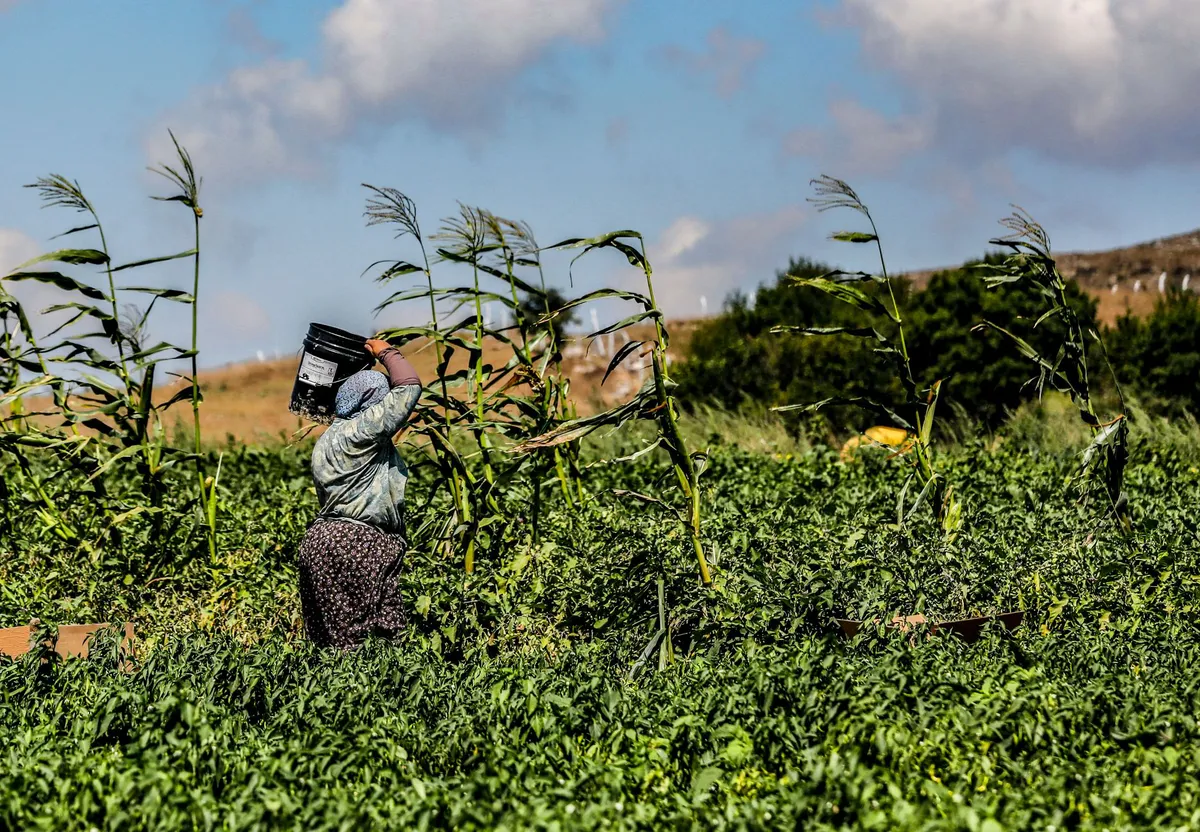
In a landmark decision that underscores the ongoing struggle for fair wages in the agricultural sector, a federal judge has struck down major components of the Trump administration's revisions to farmworker wage rules. This ruling not only reinstates essential protections for temporary foreign farmworkers but also resonates with broader implications for labor rights within the U.S. agricultural industry.
U.S. District Judge Kirk Sherriff ruled that the changes introduced by the Department of Labor (DOL) were unlawful, primarily because they failed to provide a clear rationale for significantly lowering the minimum wages for a vast majority of temporary foreign farmworkers. The decision highlights a critical aspect of federal law that mandates the DOL to ensure that the employment of foreign workers under H-2A visas does not depress wages for American farmworkers engaged in similar tasks.
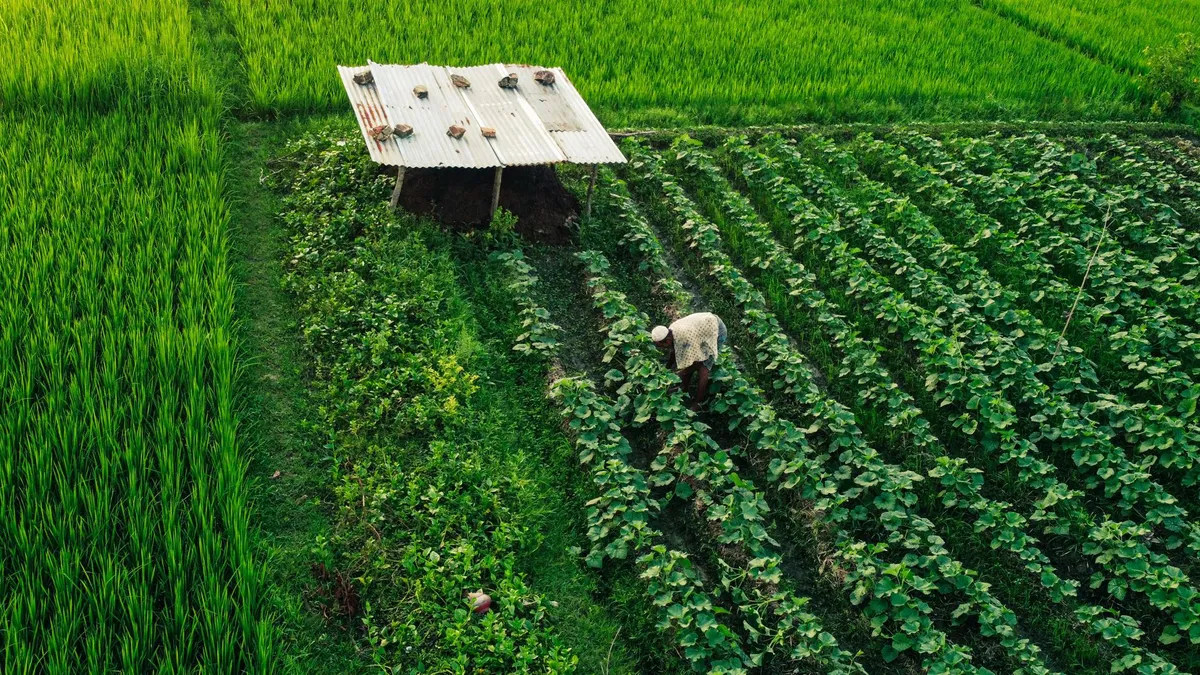
The Legal Framework Behind Farmworker Wages
The H-2A visa program allows U.S. employers to bring foreign nationals to the country to fill temporary agricultural jobs when there are not enough available domestic workers. Federal law requires the DOL to set a minimum wage, known as the Adverse Effect Wage Rate (AEWR), to prevent wage suppression. Historically, this rate has been aligned with the average wage for farmworkers in each region, ensuring fair competition between domestic and foreign labor.
However, in October 2022, the DOL initiated an emergency rule to reform the methodology used for calculating the AEWR, citing the discontinuation of a federal wage survey it had relied upon for decades. This overhaul was executed without the customary public notice-and-comment process that typically allows for stakeholder input and scrutiny, raising concerns about transparency and accountability.

Key Components of the Overturned Rule
Judge Sherriff's opinion meticulously dissected the new wage formula, finding three of the four challenged components to be arbitrary and capricious. The ruling centered on several critical elements:
- Wage Tier Structure: The new rule divided farmworkers into two skill tiers, setting the wage floor for the lower tier at the 17th percentile of all farmworker wages. This change was particularly alarming because it was projected to affect 92% of H-2A workers. Judge Sherriff criticized this approach for borrowing from the H-1B visa program without justification.
- Housing Deductions: The rule included a housing adjustment that effectively reduced workers' wages by subtracting the value of employer-provided housing from the AEWR. This assumption, based on a standard 40-hour workweek, could disadvantage workers who frequently work overtime, leading to inequitable pay.
- Job Classification Requirements: A stipulation that required an entire job to be classified under the task that consumes the majority of a worker's time was also struck down. This rule could penalize workers who perform high-paying tasks, such as operating heavy machinery, if those duties occupied less than half of their working hours.
The Importance of Public Commentary
One of the most significant critiques of the DOL's approach was its circumvention of the public notice-and-comment process. Judge Sherriff emphasized that this process is vital for ensuring that regulations are fair and reflective of the realities faced by workers. By neglecting this step, the DOL failed to engage with stakeholders who could provide valuable insights into the implications of the new wage calculations.
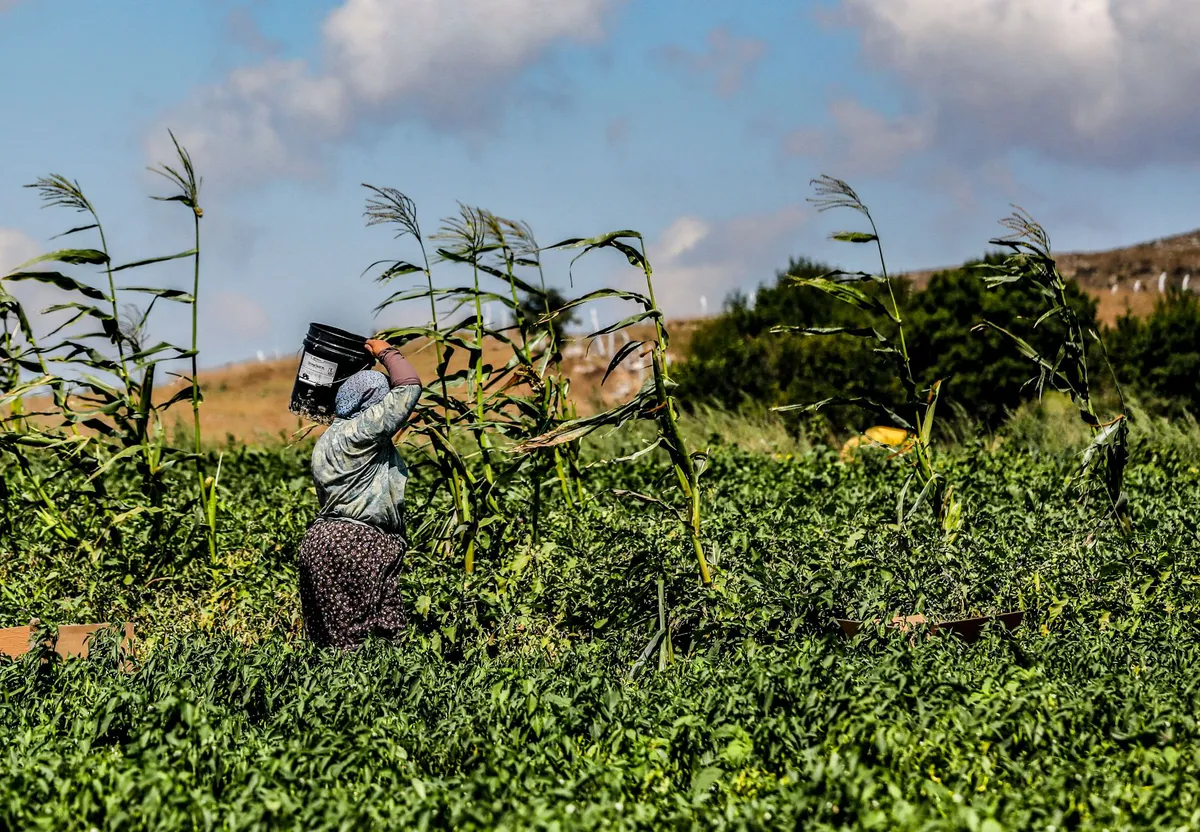
The Implications of the Ruling
The implications of this ruling are far-reaching for both farmworkers and employers in the agricultural sector. By invalidating the majority of the new wage regulations, the court has reinforced the necessity for fair and just compensation for laborers who perform essential roles in the economy. With the DOL directed to return to the drawing board, there is an opportunity for a more equitable methodology that respects the rights of both domestic and temporary workers.
Additionally, Judge Sherriff left the door open for the possibility of back pay for affected workers, contingent on the establishment of new AEWRs. This could provide crucial financial relief for many who were negatively impacted by the rushed changes. As the DOL begins crafting a new wage calculation methodology, stakeholders will need to remain vigilant to ensure that the new rules do not repeat the mistakes of the past.
Key Takeaways
- The federal ruling invalidates most of the Trump administration's changes to farmworker wage rules.
- Judge Sherriff criticized the DOL for not using the proper public-comment process.
- Farmworkers could potentially receive back pay as new wage rates are established.
- The decision emphasizes the importance of fair compensation for all workers in the agricultural sector.
- Stakeholders must engage in the upcoming rule-making process to protect worker rights.
Frequently Asked Questions
What are H-2A visas, and how do they relate to farmworker wages?
The H-2A visa program allows U.S. agricultural employers to temporarily hire foreign workers when there are insufficient domestic workers available. The program is designed to ensure that the employment of these foreign workers does not adversely affect the wages of U.S. workers performing similar roles. The DOL is responsible for setting the AEWR to maintain wage balance between domestic and foreign labor.
What are the potential consequences of the ruling for farmworkers?
The ruling reinstates important wage protections for farmworkers, ensuring that they are compensated fairly for their labor. This could lead to higher wages for many temporary foreign workers who were potentially facing pay reductions under the Trump-era regulations. Additionally, the possibility of back pay may provide financial relief for those who were adversely affected.
How can stakeholders influence the new wage methodology process?
Stakeholders, including farmworker advocacy groups and agricultural employers, can engage in the public notice-and-comment process that the DOL must follow in developing a new wage methodology. By submitting comments, research, and recommendations, they can influence the outcome to ensure that the new rules are fair, transparent, and reflective of the needs of the agricultural workforce.
What should farmworkers do if they believe they are underpaid?
Farmworkers who believe they are being underpaid should document their hours worked, wages received, and any relevant job classifications. They can seek assistance from labor advocacy organizations or legal professionals specializing in labor rights. Filing a wage claim with the DOL or pursuing legal action may also be viable options to recover unpaid wages.
This content is general information, not legal advice.
Comments
Lawyer Suspended for Altercation Over Eviction Case: A Closer Look
A recent incident involving a lawyer's suspension highlights the complexities of professional conduct and emotional regulation in the legal field. This article delves into the implications of such conduct and its impact on the legal profession.
Related articles


Popular in Employment Law
- TidalHealth Faces Discrimination Lawsuits Amid Allegations of Retaliation
- Understanding College Football Eligibility: Key Issues and Recent Developments
- Understanding Employee Mental Health Obligations in Franchise Workforces
- Sixth Circuit Ruling on ACA Nondiscrimination: Implications for Nurse Anesthetists
- Court Ruling Defends Journalist in Data Center Defamation Case