Understanding College Football Eligibility: Key Issues and Recent Developments
Navigating college football eligibility can be complex, especially with recent legal challenges to longstanding rules. This article explores the implications of these changes for student-athletes and programs.
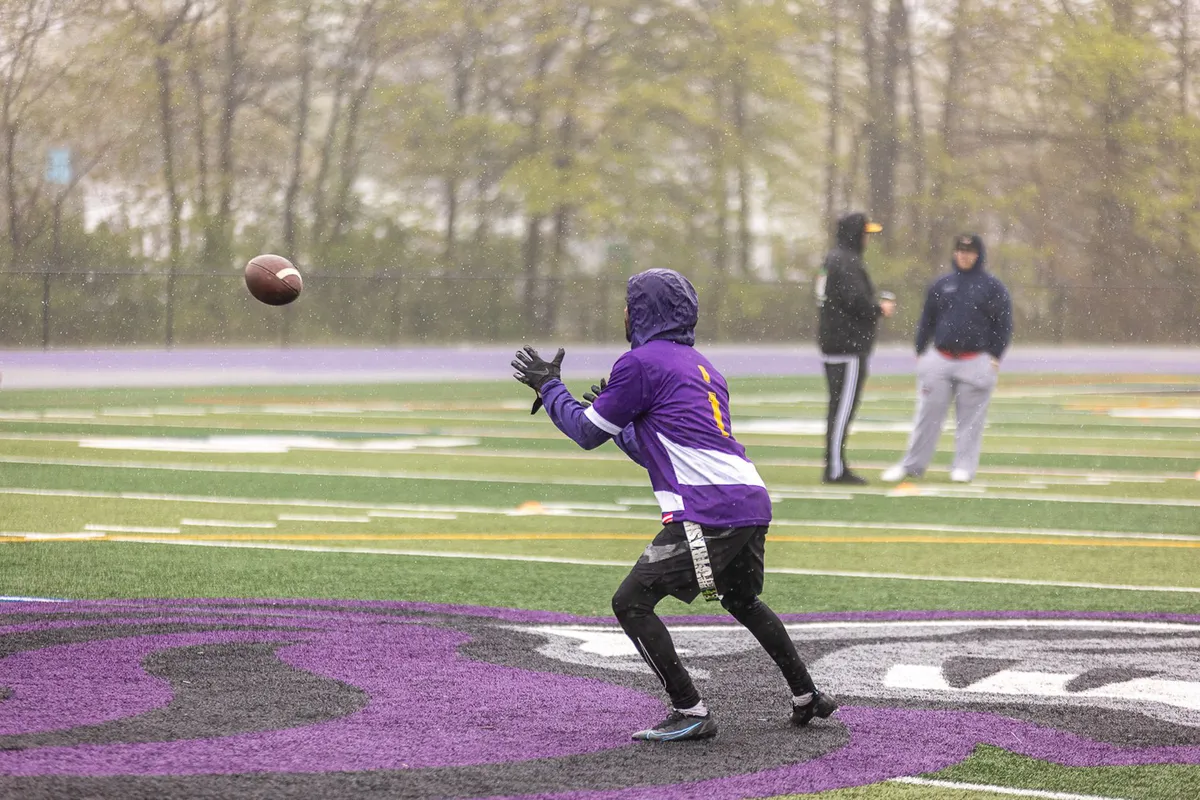
The landscape of college football eligibility has recently come under scrutiny, raising significant questions for student-athletes, coaches, and institutions alike. With the ongoing evolution of rules governing participation, it is crucial for stakeholders to understand not only the eligibility criteria but also the legal implications of recent challenges to these rules. This article delves into the complexities of college football eligibility, the legal backdrop, and what it means for those involved in the sport.
The Basics of College Football Eligibility
Eligibility for college football is primarily governed by the National Collegiate Athletic Association (NCAA), which sets forth a series of rules that student-athletes must meet to compete at the collegiate level. Key eligibility requirements include:
- Academic Standards: Student-athletes must maintain a certain GPA and complete a specified number of credit hours.
- Amateurism Rules: Athletes must not have received any financial compensation for their athletic performance.
- Age and Participation Limits: Student-athletes typically have five years to complete their eligibility for competition, beginning from their enrollment in college.
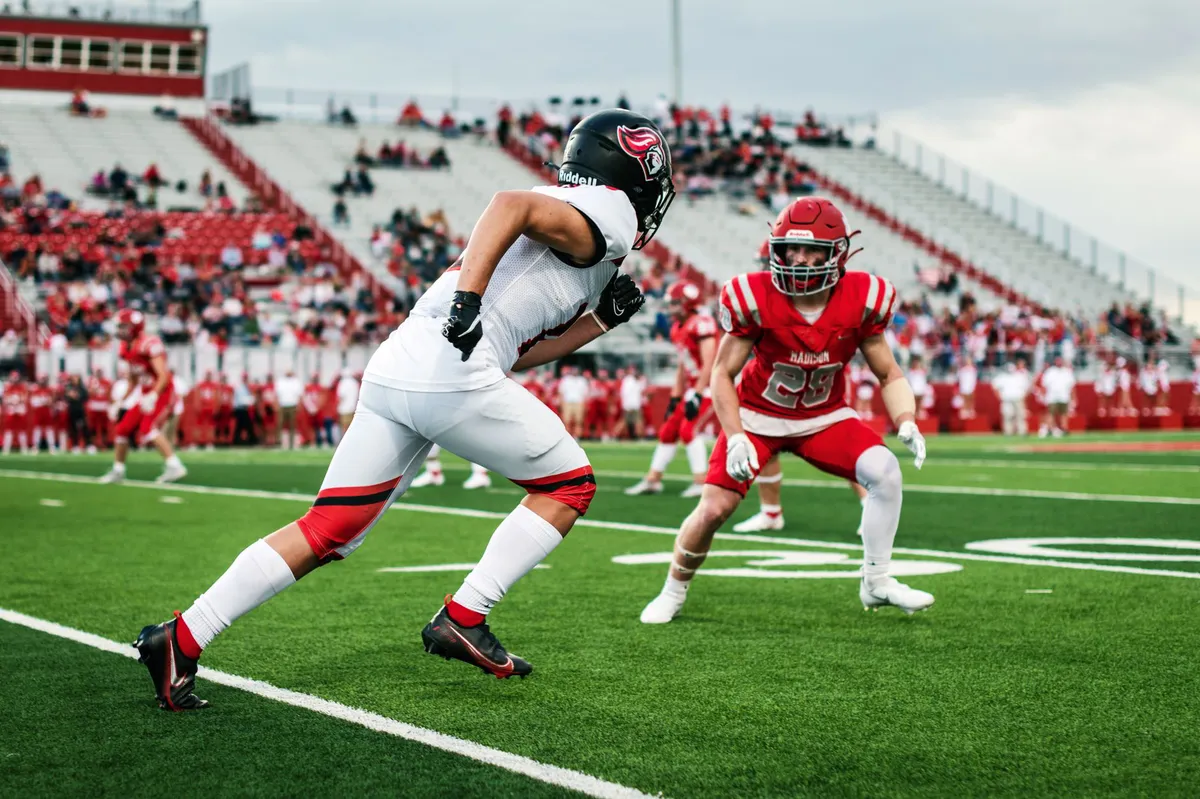
Recent Legal Challenges to Eligibility Rules
In recent years, legal challenges have emerged regarding the NCAA's eligibility requirements, particularly the five-year rule. This rule, which limits the time frame within which student-athletes can compete, has come under fire for being overly restrictive and potentially detrimental to athletes’ academic and athletic careers.
The Complaint: A Closer Look
In July 2026, a group of student-athletes filed a complaint challenging the five-year eligibility rule. They argue that this regulation can unfairly penalize those who experience setbacks, such as injuries or personal issues, that delay their academic progress. The implications of this lawsuit could be far-reaching, potentially altering how eligibility is defined and enforced across all NCAA sports.

Why This Matters for Student-Athletes
The ability to navigate eligibility rules is crucial for student-athletes who aspire to compete at a high level. The outcome of the legal challenges could lead to significant changes in the rules governing eligibility, which would directly affect current and future student-athletes. Here are some reasons why this is a critical issue:
- Equity and Fairness: A more flexible eligibility framework could promote fairness, allowing athletes to balance academics and sports without undue pressure.
- Career Opportunities: Changes to eligibility rules may open doors for athletes who might otherwise miss out on scholarship opportunities due to restrictive timelines.
- Institutional Changes: Colleges and universities may need to adjust their admissions and athletic programs in response to new eligibility standards.

Potential Outcomes and Implications
The lawsuit's outcome could have various implications for the NCAA and its member institutions. If the court sides with the student-athletes, we could see a shift in how eligibility is managed, possibly leading to:
Increased Flexibility
Allowing student-athletes more time to complete their eligibility could accommodate those facing academic or personal challenges, thereby promoting a more inclusive college sports environment.
Policy Revisions
Colleges may need to revise their policies to align with any new standards set by the NCAA, which could also impact recruitment strategies and scholarship distribution.
Enhanced Athlete Advocacy
This case may spur greater advocacy for student-athletes' rights, encouraging further legal scrutiny of NCAA policies and potentially leading to more significant reforms in college athletics.
Key Takeaways
- The NCAA's five-year eligibility rule is under legal scrutiny, with potential changes on the horizon.
- Recent lawsuits highlight the need for fairer treatment of student-athletes facing unique challenges.
- The outcome could reshape college football and other NCAA sports, impacting recruitment and athlete rights.
Frequently Asked Questions
What is the five-year eligibility rule?
The five-year eligibility rule stipulates that student-athletes have a maximum of five years from their initial enrollment in college to compete in NCAA-sanctioned sports. This rule is designed to ensure that athletes maintain academic progress while participating in their sports, but it has been challenged for being too rigid in light of individual circumstances.
How could the lawsuit affect current athletes?
If the lawsuit results in a change to the five-year eligibility rule, current athletes may benefit from increased flexibility in managing their academic and athletic commitments. This change could help those who have faced interruptions in their education due to injuries or other personal issues, allowing them to retain their eligibility longer.
What are the potential long-term impacts on college sports?
Long-term impacts could include a fundamental shift in how colleges and the NCAA approach eligibility and athlete rights. Changes in policy could lead to a more equitable system, encouraging more athletes to pursue college athletics without the fear of losing their opportunities due to circumstances beyond their control.
Comments
Minneapolis Public Defender Disbarred After Felony Tax Conviction
The disbarment of a former top public defender in Minneapolis highlights the severe consequences that legal professionals face for criminal convictions. This case raises important questions about ethics, accountability, and the integrity of the legal profession.
Related articles

Popular in Employment Law
- TidalHealth Faces Discrimination Lawsuits Amid Allegations of Retaliation
- Sixth Circuit Ruling on ACA Nondiscrimination: Implications for Nurse Anesthetists
- Understanding Employee Mental Health Obligations in Franchise Workforces
- Court Ruling Defends Journalist in Data Center Defamation Case
- Colorado Whistleblower's Legal Battle Against Judicial System Dismissed