Minneapolis Public Defender Disbarred After Felony Tax Conviction
The disbarment of a former top public defender in Minneapolis highlights the severe consequences that legal professionals face for criminal convictions. This case raises important questions about ethics, accountability, and the integrity of the legal profession.
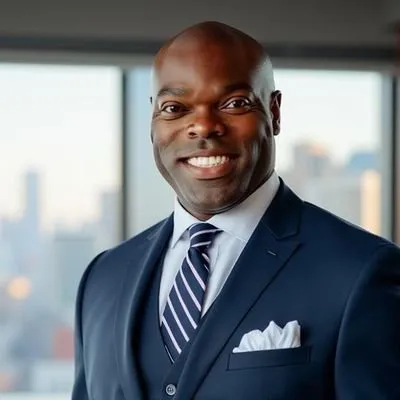
The legal profession is built on trust and integrity, and when a key figure in the system is found guilty of a crime, it sends ripples through the community. This is precisely what happened when Kassius Orlando Benson, a former top public defender in Minneapolis, was disbarred following a felony tax conviction. Benson's case serves as a critical reminder of the ethical standards that govern lawyers and the profound consequences that arise when those standards are violated. As the legal community reflects on this disbarment, it raises essential questions about accountability, trust, and the future of legal ethics in the United States.
Disbarment is not merely a career-ending punishment; it is a significant event that impacts the entire legal landscape. For Benson, who served as a public defender and was responsible for representing some of the most vulnerable individuals in society, the loss of his law license is a stark reminder of how personal actions can undermine public trust in the legal system. This article will delve deeper into the implications of Benson's disbarment, the legal framework surrounding such actions, and what this means for the broader legal community.
Understanding the Disbarment Process
Disbarment is the most severe sanction that can be imposed on a lawyer. It results from a finding of professional misconduct, which can encompass a wide range of unethical behaviors, including criminal convictions. In Benson's case, his felony tax conviction was the catalyst for the Minnesota Supreme Court's decision to disbar him.
The Legal Framework
In the United States, each state has its own set of rules and procedures for disbarment. Typically, the process begins with an investigation by the state bar association, which is responsible for maintaining ethical standards among lawyers. When a violation is suspected, the bar association conducts a thorough inquiry, which may include gathering evidence, interviewing witnesses, and reviewing the lawyer's history.
Following the investigation, a hearing may be held to determine whether the lawyer's actions warrant disbarment. If the evidence supports the claim of misconduct, the state supreme court usually has the final say on whether disbarment is appropriate. The outcome can significantly affect the lawyer's future and the public's perception of the legal profession.
The Impact of Criminal Convictions on Legal Professionals
The implications of a felony conviction extend far beyond the courtroom. For lawyers, a conviction can result in immediate disbarment and lasting damage to their reputation. In Benson's case, the felony tax charge not only stripped him of his law license but also raised concerns about his ability to uphold the ethical standards expected of a public defender.
Ethical Standards and Public Trust
Lawyers are held to high ethical standards that dictate their conduct in and out of the courtroom. Public defenders, in particular, occupy a unique position as they advocate for individuals who may not have the resources to hire private counsel. When a public defender is disbarred due to criminal behavior, it can lead to a significant erosion of trust in the legal system, particularly among marginalized communities that rely heavily on public defenders for representation.
- Disbarment can result in lost income: Lawyers lose their ability to practice and earn a living.
- Public confidence is shaken: Criminal convictions can lead to a lack of trust in the legal system.
- Long-term professional consequences: Disbarred lawyers may find it challenging to regain their reputations.
The Broader Context of Legal Ethics
Benson's disbarment is not an isolated incident; it reflects broader issues within the legal profession concerning ethics and accountability. Legal ethics encompass a range of principles designed to guide the behavior of lawyers and ensure they act in the best interests of their clients and the public.
Recent Trends in Legal Ethics
In recent years, there has been an increased focus on ethical violations within the legal profession. High-profile cases of lawyers facing disbarment due to criminal activity or unethical conduct have prompted discussions about the need for stricter regulations and oversight. As the legal landscape evolves, it is imperative for legal professionals to remain vigilant in adhering to ethical guidelines and maintaining the integrity of the profession.
Key Takeaways
- The disbarment of Kassius Orlando Benson underscores the severe consequences of felony convictions for lawyers.
- Disbarment processes vary by state but generally involve investigations by state bar associations.
- Ethical standards are crucial to maintaining public trust in the legal system.
- Legal ethics are under increasing scrutiny, highlighting the need for accountability within the profession.
Frequently Asked Questions
What does disbarment mean for a lawyer?
Disbarment is the process through which a lawyer loses their license to practice law due to professional misconduct. This can occur for various reasons, including criminal convictions, unethical behavior, or violations of state bar rules. Once disbarred, a lawyer is no longer permitted to represent clients or appear in court, severely impacting their career and livelihood.
How does a felony conviction affect a lawyer's career?
A felony conviction can have devastating effects on a lawyer's career. It often leads to disbarment, as seen in the case of Kassius Orlando Benson. Beyond losing their law license, a felony conviction can tarnish a lawyer's reputation, making it difficult to find employment in any legal capacity, even if they seek to restore their professional standing in the future.
What are the ethical obligations of public defenders?
Public defenders are bound by the same ethical obligations as all lawyers, which include duties of confidentiality, competence, and loyalty to their clients. They must represent their clients zealously while ensuring adherence to the law and ethical standards. Given their role in defending individuals who often lack resources, public defenders play a crucial part in upholding justice and ensuring fair representation.
Can a disbarred lawyer ever practice law again?
In some cases, a disbarred lawyer may seek reinstatement after a specified period, provided they meet certain conditions set by the state bar. This process typically involves demonstrating rehabilitation, compliance with ethical standards, and sometimes passing a character and fitness evaluation. However, the path to reinstatement can be lengthy and uncertain, with no guarantees of returning to practice.
Comments
Understanding College Football Eligibility: Key Issues and Recent Developments
Navigating college football eligibility can be complex, especially with recent legal challenges to longstanding rules. This article explores the implications of these changes for student-athletes and programs.

Related articles
Popular in Employment Law
- TidalHealth Faces Discrimination Lawsuits Amid Allegations of Retaliation
- Understanding College Football Eligibility: Key Issues and Recent Developments
- Understanding Employee Mental Health Obligations in Franchise Workforces
- Sixth Circuit Ruling on ACA Nondiscrimination: Implications for Nurse Anesthetists
- Court Ruling Defends Journalist in Data Center Defamation Case