Drag Ban Sparks Controversy: A Judge's Unlikely Reference to Dolly Parton
A recent court case involving a drag ban has stirred debate, particularly after a judge referenced Dolly Parton's iconic look. This article explores the implications of such comments within the context of legal proceedings and societal norms.
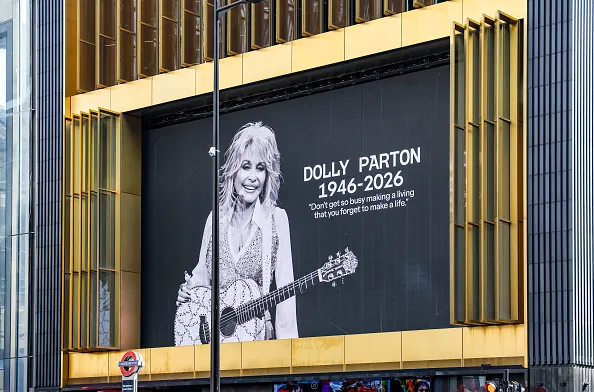
The intersection of law and culture often reveals surprising connections, especially when a judge's comments draw unexpected comparisons. Recently, a courtroom discussion surrounding a controversial drag ban led to a notable remark from a judge who likened the situation to the "voluptuous" look of country music icon Dolly Parton. This statement, while seemingly light-hearted, has sparked a deeper conversation about the implications of such comments in legal contexts and their reflection on societal attitudes toward gender expression and entertainment.
As America continues to grapple with issues of identity, expression, and regulation, the remarks made in this case underscore the complexities surrounding drag performances and the legal framework that governs them. In this article, we will delve into the legal nuances of the drag ban, the cultural significance of the judge's comments, and what they reveal about current societal trends.
The Legal Landscape of Drag Performances
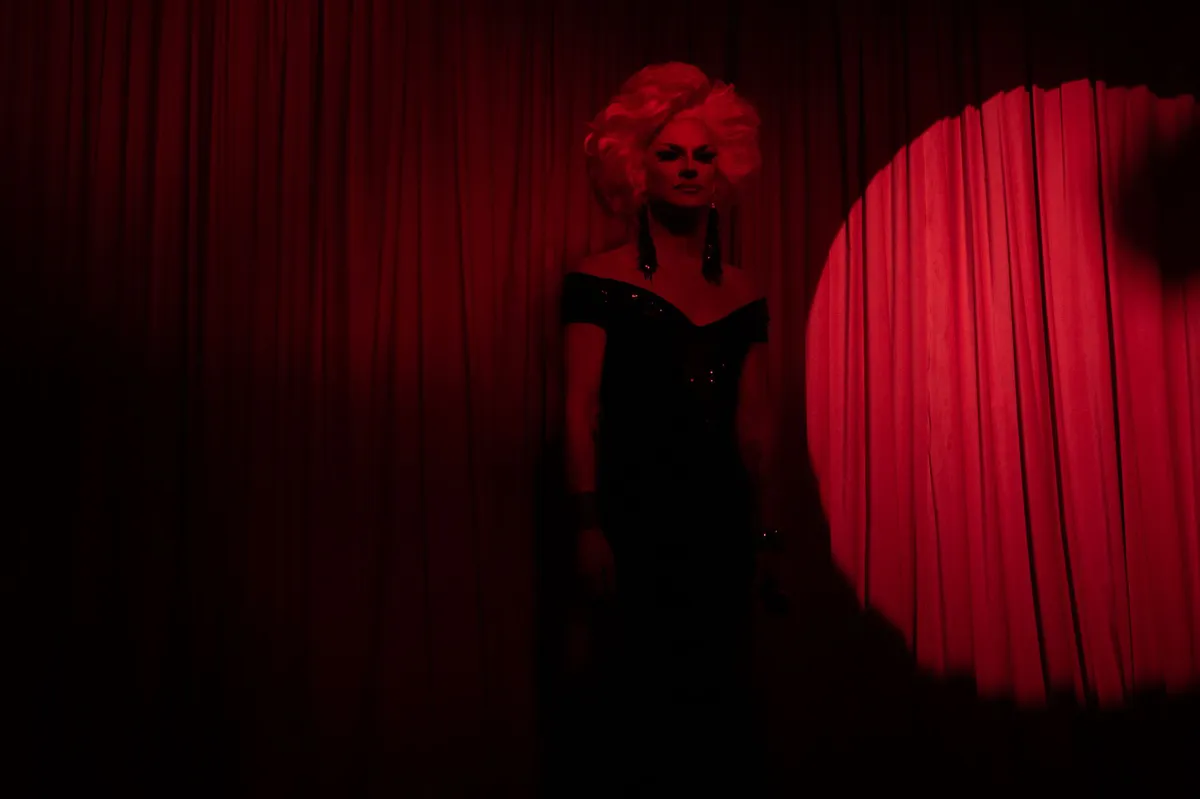
Drag performances have long been a part of American culture, celebrated for their vibrant expression and often satirical take on gender norms. However, recent legislative efforts in various states have sought to restrict such performances, citing concerns over appropriateness and the protection of minors. These bans can take various forms, from outright prohibitions on drag shows to restrictions on performances in public spaces.
Understanding Drag Bans
To fully grasp the implications of drag bans, it is crucial to understand the legal principles at play:
- First Amendment Rights: The right to free expression is a cornerstone of American democracy. Bans on drag performances raise questions about whether such restrictions infringe upon these rights.
- Local Ordinances vs. State Law: The legal framework surrounding drag performances can vary significantly from one jurisdiction to another, with local laws often clashing with state regulations.
- Public Sentiment and Political Climate: The motivations behind drag bans can be influenced by political factors, reflecting broader societal attitudes toward LGBTQ+ communities.
Cultural Commentary and Legal Implications
The judge's reference to Dolly Parton highlights the cultural weight that such icons carry in discussions about gender and performance. Dolly Parton, known for her glamorous appearance and powerful voice, embodies a blend of traditional femininity and bold self-expression. By invoking her image in a legal context, the judge inadvertently invites scrutiny into how society views gender expression, particularly in the context of drag.
The Role of Judges in Cultural Commentary
Judges often serve as arbiters of the law, but they are also products of their cultural environments. When a judge makes off-the-cuff remarks about popular culture, it can reveal underlying biases or assumptions that may affect their legal reasoning. In the case of the drag ban, the judge's comment may suggest a tacit approval of traditional gender norms, potentially skewing the judicial process.
Impact on the LGBTQ+ Community
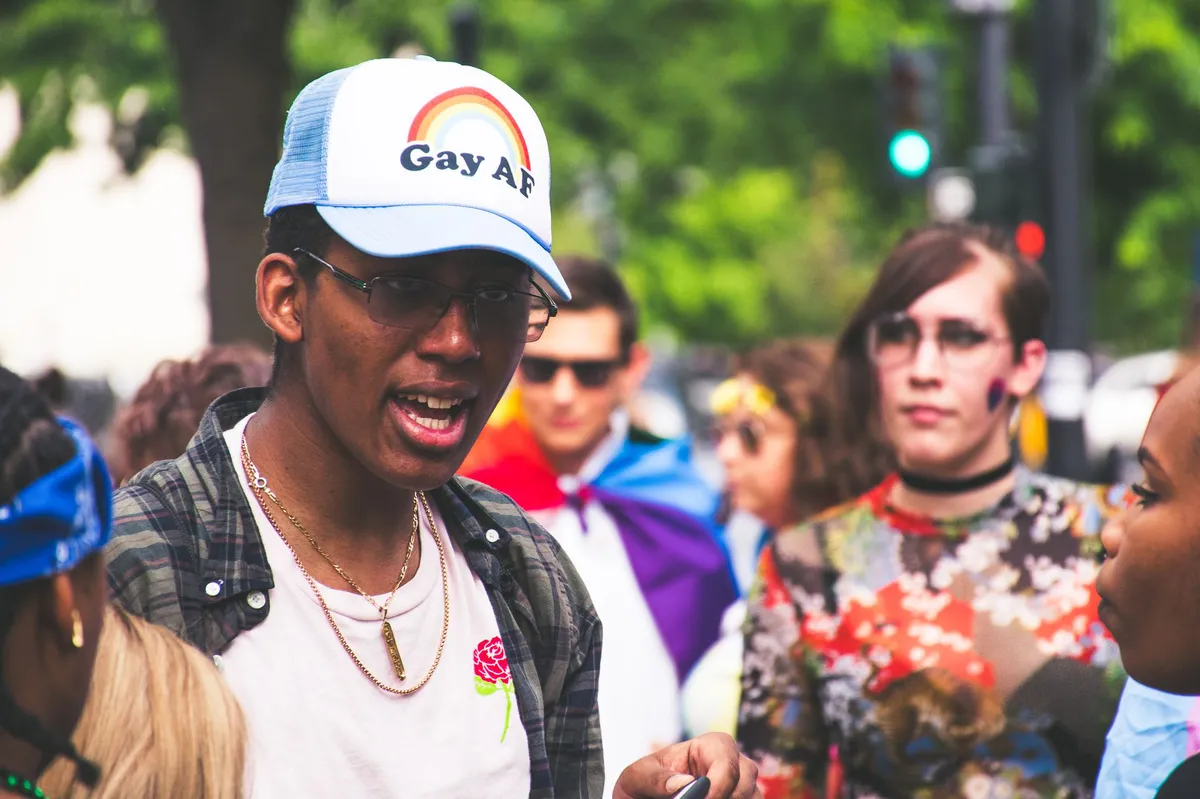
The implications of drag bans are particularly significant for the LGBTQ+ community, whose members have historically used drag as a form of self-expression and political activism. Restrictions on drag performances not only limit artistic expression but also send a message about the acceptability of diverse gender identities in society.
Community Response and Activism
In response to increasing restrictions, many in the LGBTQ+ community have mobilized to advocate for their rights:
- Legal Challenges: Activists are often quick to challenge restrictive laws in court, arguing that they violate constitutional rights.
- Public Awareness Campaigns: Many organizations engage in educational campaigns to raise awareness about the cultural significance of drag and the rights of performers.
- Community Support Initiatives: Local communities often rally to support drag performers, fostering safe spaces for expression.
Looking Ahead: The Future of Drag in America
As the legal landscape surrounding drag performances continues to evolve, the future of drag in America remains uncertain. The intersection of law, culture, and politics is dynamic, with new challenges and opportunities emerging regularly. The conversation sparked by the judge's comment serves as a reminder of the importance of vigilance in protecting the rights of all individuals to express themselves freely.
Potential Legal Changes
Advocates for LGBTQ+ rights are optimistic about potential legal reforms that could protect drag performances from governmental interference. With ongoing public discourse and increasing visibility of LGBTQ+ issues, there is hope for a more inclusive legal framework that recognizes and celebrates diversity.
Key Takeaways
- The judge's comment on Dolly Parton underscores cultural biases in legal contexts.
- Drag bans raise significant First Amendment concerns regarding freedom of expression.
- The LGBTQ+ community remains resilient, actively challenging restrictive laws and advocating for their rights.
Frequently Asked Questions
What are drag bans, and why are they being implemented?
Drag bans are legislations that seek to restrict or prohibit drag performances in public spaces, often citing the protection of minors or community standards. These laws are typically enacted in response to cultural tensions surrounding gender identity and expression, reflecting broader societal debates about LGBTQ+ rights.
How do drag bans affect the LGBTQ+ community?
Drag bans significantly impact the LGBTQ+ community by limiting their ability to express themselves and perform in public spaces. This not only restricts artistic freedom but also sends a broader societal message about the acceptability of diverse gender identities, potentially leading to increased stigma and discrimination.
What legal recourse do drag performers have against bans?
Drag performers can challenge bans in court by arguing that such restrictions violate their First Amendment rights to free speech and expression. Legal advocacy groups often provide support, helping to mount challenges against unjust laws and fostering awareness about the importance of protecting artistic expression.
What role do judges play in shaping public discourse on drag and gender expression?
Judges can influence public discourse through their comments and rulings, reflecting societal values and biases. When judges make remarks that intertwine legal matters with cultural icons or norms, it can shape public perception and potentially impact the outcomes of legal cases involving gender expression.
This content is general information and not legal advice.
Comments
Judge Overturns Trump-Era Changes to Farmworker Wage Regulations
In a significant ruling, a federal judge has invalidated most changes made by the Trump administration to farmworker wage rules, emphasizing the need for fair compensation for temporary foreign farmworkers. This decision impacts thousands of workers and highlights ongoing labor issues in the agricultural sector.

Related articles

Popular in Employment Law
- TidalHealth Faces Discrimination Lawsuits Amid Allegations of Retaliation
- Understanding College Football Eligibility: Key Issues and Recent Developments
- Understanding Employee Mental Health Obligations in Franchise Workforces
- Sixth Circuit Ruling on ACA Nondiscrimination: Implications for Nurse Anesthetists
- Court Ruling Defends Journalist in Data Center Defamation Case