Mobilizing Legal Professionals as Poll Workers: A Call to Action
As midterm elections approach, legal organizations are rallying lawyers to serve as poll workers. This initiative aims to ensure smooth electoral processes and uphold democracy.
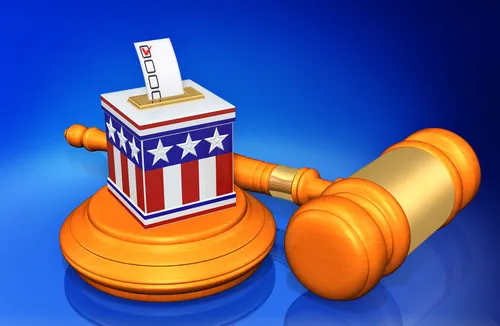
With the midterm elections just around the corner, an urgent call has emerged from prominent legal organizations, including the American Bar Association (ABA), the National Association of Secretaries of State (NASS), and the National Association of Election Directors (NASED). These entities are mobilizing lawyers across the United States to step forward as poll workers, emphasizing the crucial role legal professionals can play in safeguarding the democratic process. As the nation gears up for these pivotal elections, the involvement of attorneys can help ensure that voting procedures are conducted fairly, efficiently, and in accordance with the law.
The initiative to recruit lawyers as poll workers is particularly timely, given the complexities and challenges that often accompany elections. From navigating voter ID laws to managing potential disputes at polling places, legal expertise can provide invaluable support. By volunteering their time, lawyers not only contribute to the integrity of the electoral process but also foster public confidence in the system.
The Role of Poll Workers in Elections
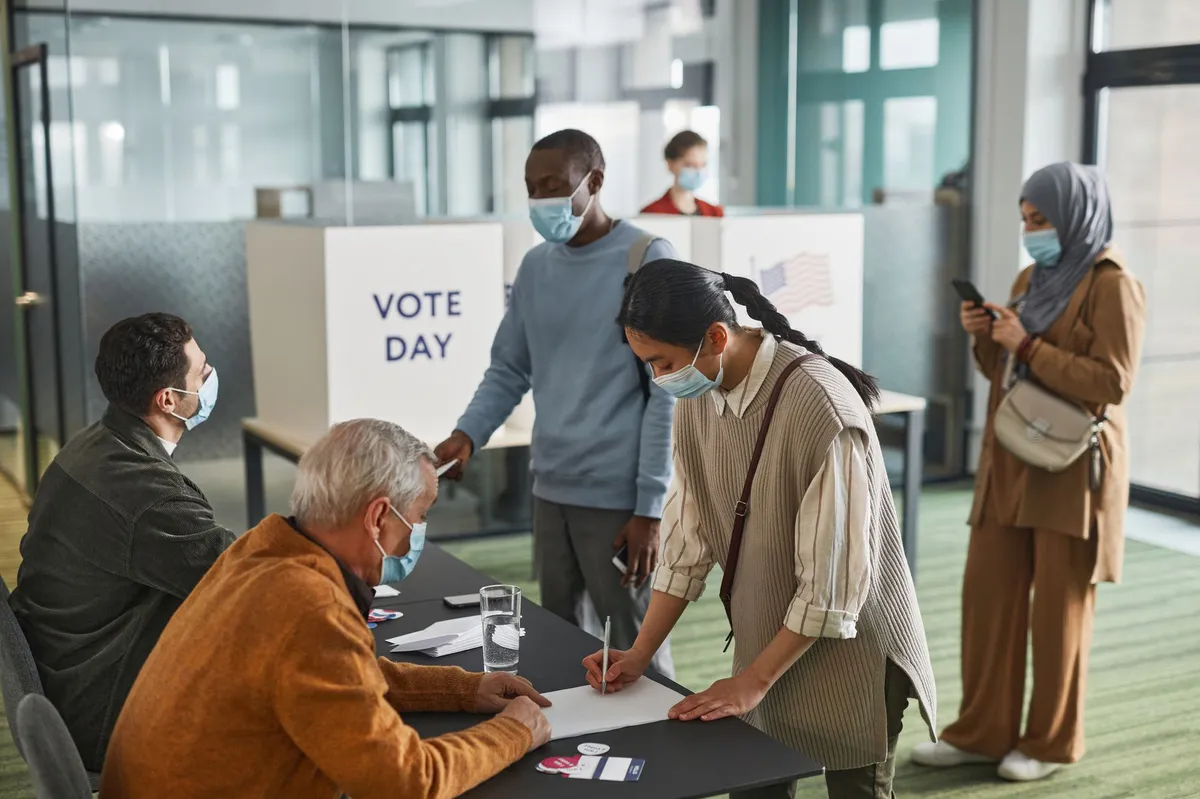
Poll workers, also known as election inspectors or judges, play a critical role in the electoral process. They are responsible for ensuring that voting takes place smoothly and fairly, serving as the first line of assistance for voters. Here are some of the key responsibilities of poll workers:
- Setting up and taking down polling places: Poll workers help prepare the site for voting and ensure that equipment is functioning properly.
- Checking in voters: They verify voter registration and help voters understand the process for casting their ballots.
- Providing information: Poll workers answer questions about the voting process, such as where to cast votes and what identification is required.
- Monitoring voting equipment: They ensure that voting machines are working correctly and assist voters in using them.
- Reporting issues: Poll workers are trained to handle disputes and report any irregularities to election officials.
Why Lawyers Should Get Involved
The participation of lawyers as poll workers is particularly beneficial for several reasons:
Enhanced Legal Compliance
Lawyers possess a thorough understanding of the legal framework surrounding elections. Their knowledge can help to ensure that polling places adhere to all applicable laws and regulations, reducing the likelihood of legal challenges that could disrupt the electoral process.
Conflict Resolution Skills
With their training in conflict resolution and negotiation, lawyers are well-equipped to handle disputes that may arise at polling locations. This expertise is essential in maintaining order and ensuring that voters can exercise their rights without intimidation or confusion.
Community Engagement
By serving as poll workers, lawyers can engage directly with their communities, fostering a sense of civic responsibility and encouraging others to participate in the electoral process. This involvement can strengthen the relationship between legal professionals and the public, reinforcing the importance of fair elections.
How to Get Involved
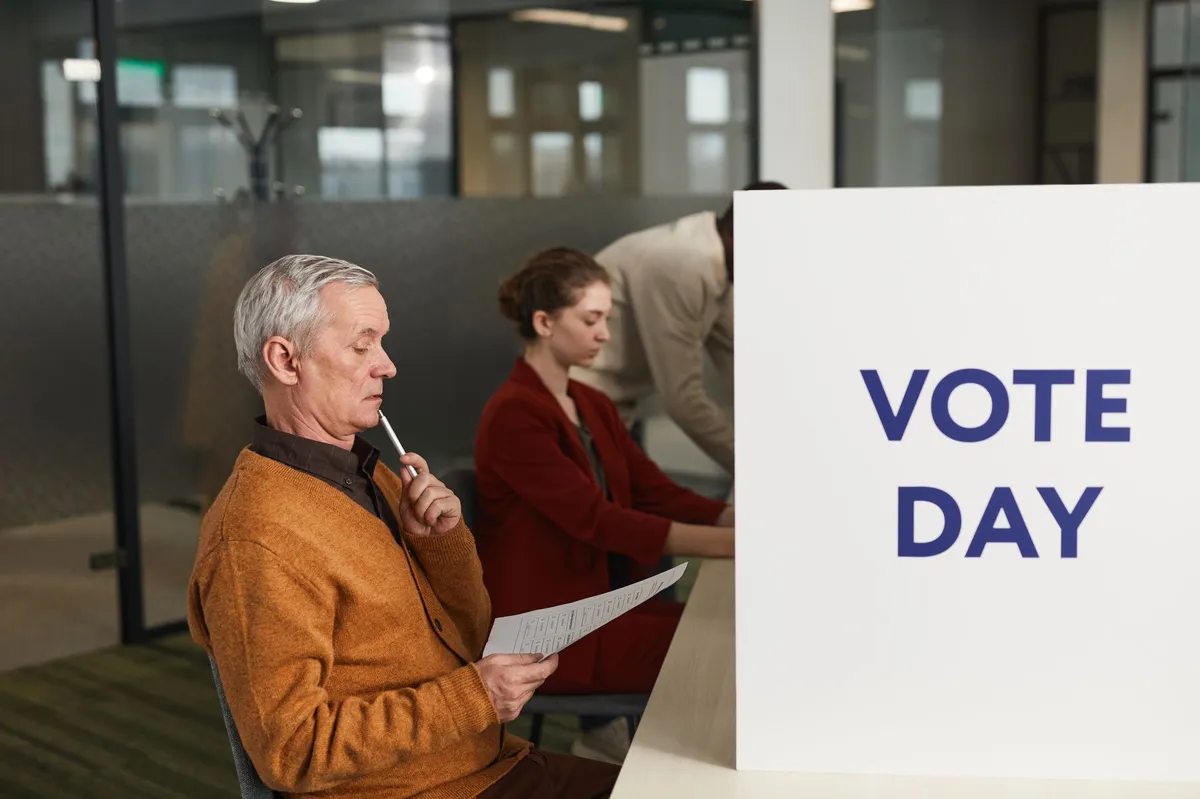
For lawyers interested in becoming poll workers, the process is relatively straightforward. Here are the steps to get started:
- Check eligibility: Most states require poll workers to be registered voters in the jurisdiction where they will serve. Some states may have specific requirements regarding age and legal qualifications.
- Contact local election offices: Reach out to local election officials to express your interest in serving as a poll worker. They can provide information on training sessions and scheduling.
- Complete training: Most jurisdictions require poll workers to complete a training session before election day. This training will cover roles, responsibilities, and legal requirements.
- Commit to your role: Poll workers typically work long hours on election day, often from early morning until after polls close. Be prepared to dedicate your time to ensure a smooth electoral process.
Key Takeaways
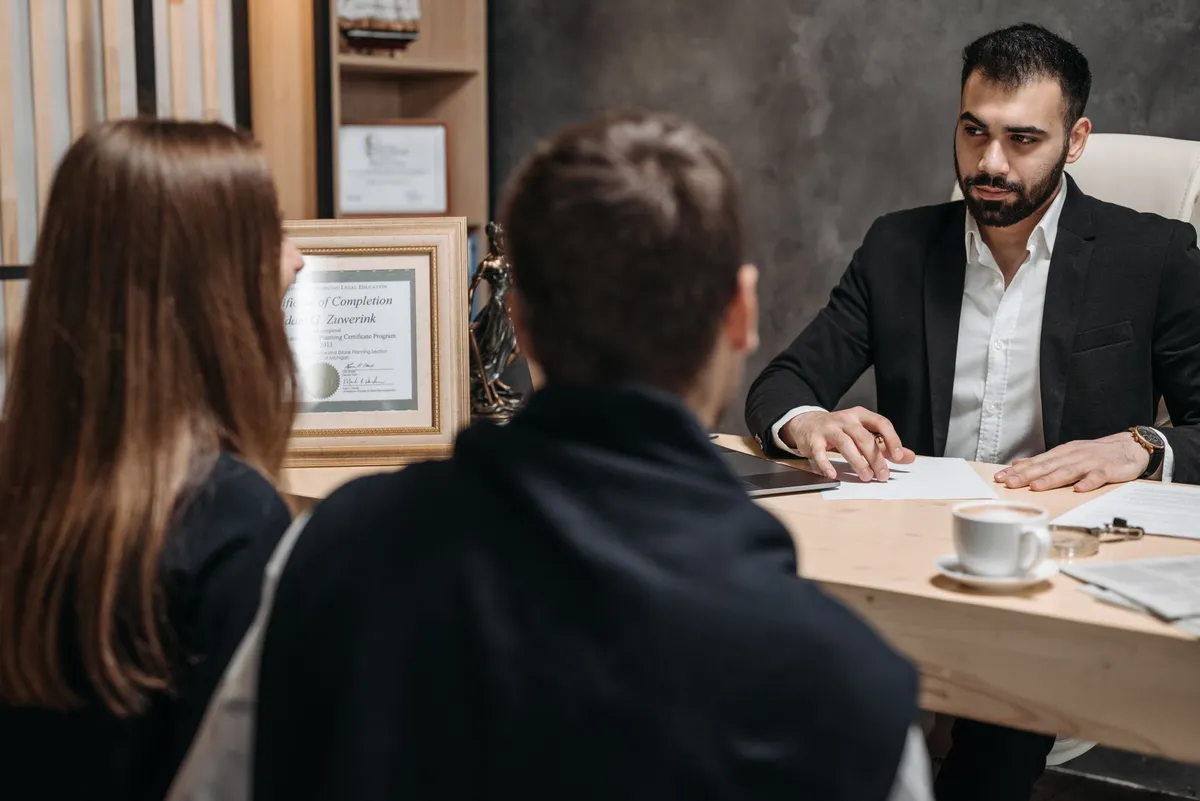
- Lawyers can play a crucial role: Their legal expertise can enhance the integrity of the electoral process.
- Poll workers have essential responsibilities: From checking in voters to resolving disputes, their role is vital.
- Getting involved is easy: Lawyers can quickly find opportunities to serve by contacting local election offices.
- Community engagement is key: Participation helps build trust in the electoral system.
Frequently Asked Questions
What qualifications do I need to be a poll worker?
While specific qualifications can vary by state, most jurisdictions require poll workers to be registered voters in the state where they will serve. Additionally, some areas may have age restrictions or other criteria, so it’s essential to check with local election officials for detailed requirements.
What kind of training will I receive as a poll worker?
Poll workers typically undergo training provided by local election officials. This training covers critical aspects of the role, including how to verify voter registration, operate voting equipment, and manage any issues that may arise at the polling place. Completing this training is essential to ensure that you are adequately prepared for election day.
How much time do I need to commit?
Being a poll worker can require a significant time commitment, particularly on election day. Poll workers often work from early in the morning until the polls close, sometimes for 12 hours or more. However, many jurisdictions provide flexible scheduling options for training sessions, which can help accommodate lawyers' busy schedules.
Can I serve in my own community?
Yes, many lawyers choose to serve as poll workers in their own communities. This local engagement not only allows them to contribute to the electoral process but also fosters connections with fellow community members, highlighting the importance of civic participation and responsibility.
Disclaimer: The content provided here is for general informational purposes only and does not constitute legal advice.
Comments
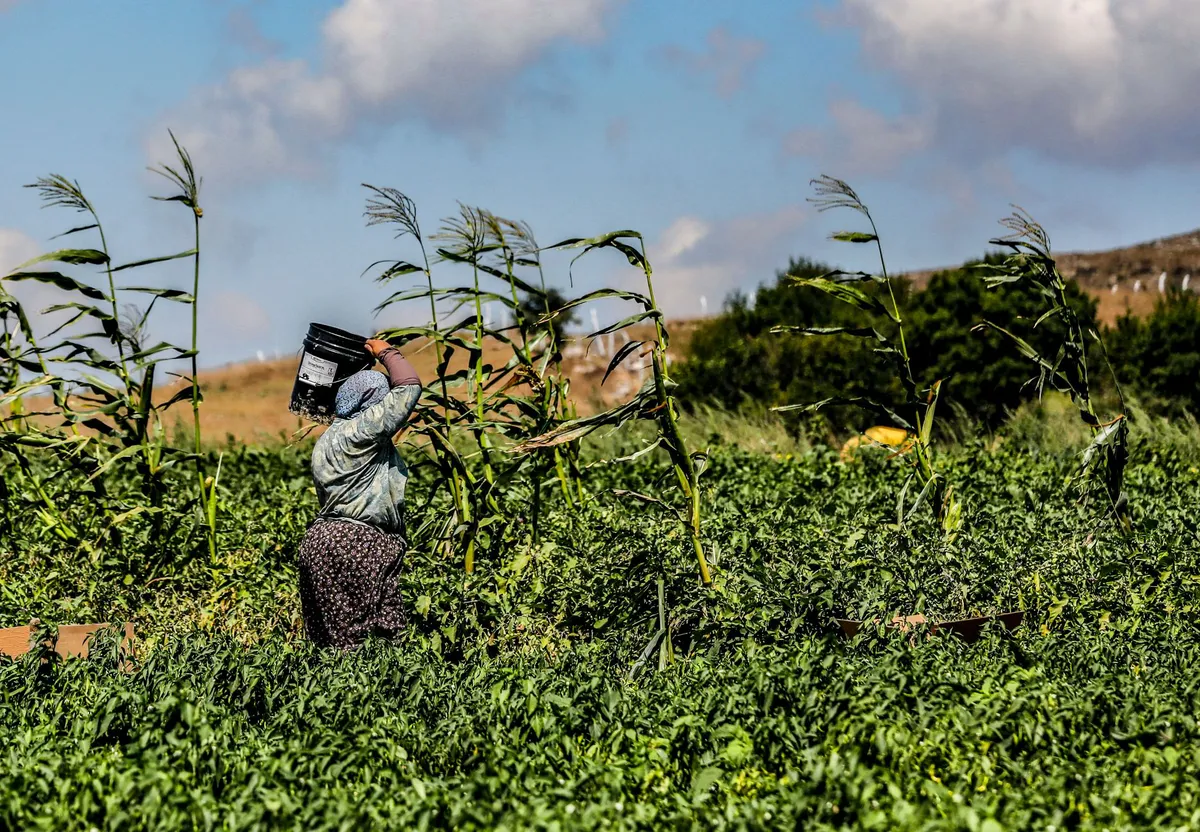
Judge Overturns Trump-Era Changes to Farmworker Wage Regulations
In a significant ruling, a federal judge has invalidated most changes made by the Trump administration to farmworker wage rules, emphasizing the need for fair compensation for temporary foreign farmworkers. This decision impacts thousands of workers and highlights ongoing labor issues in the agricultural sector.
Related articles


Popular in Employment Law
- TidalHealth Faces Discrimination Lawsuits Amid Allegations of Retaliation
- Understanding College Football Eligibility: Key Issues and Recent Developments
- Sixth Circuit Ruling on ACA Nondiscrimination: Implications for Nurse Anesthetists
- Understanding Employee Mental Health Obligations in Franchise Workforces
- Court Ruling Defends Journalist in Data Center Defamation Case