Mahmoud Khalil Sues Columbia University Over Safety Neglect for Palestinian Students
Columbia University graduate Mahmoud Khalil has filed a lawsuit against his alma mater, alleging a failure to protect pro-Palestinian activists from harassment and doxxing, resulting in his immigration detention. This case raises critical questions about university responsibility and student safety amid political tensions.
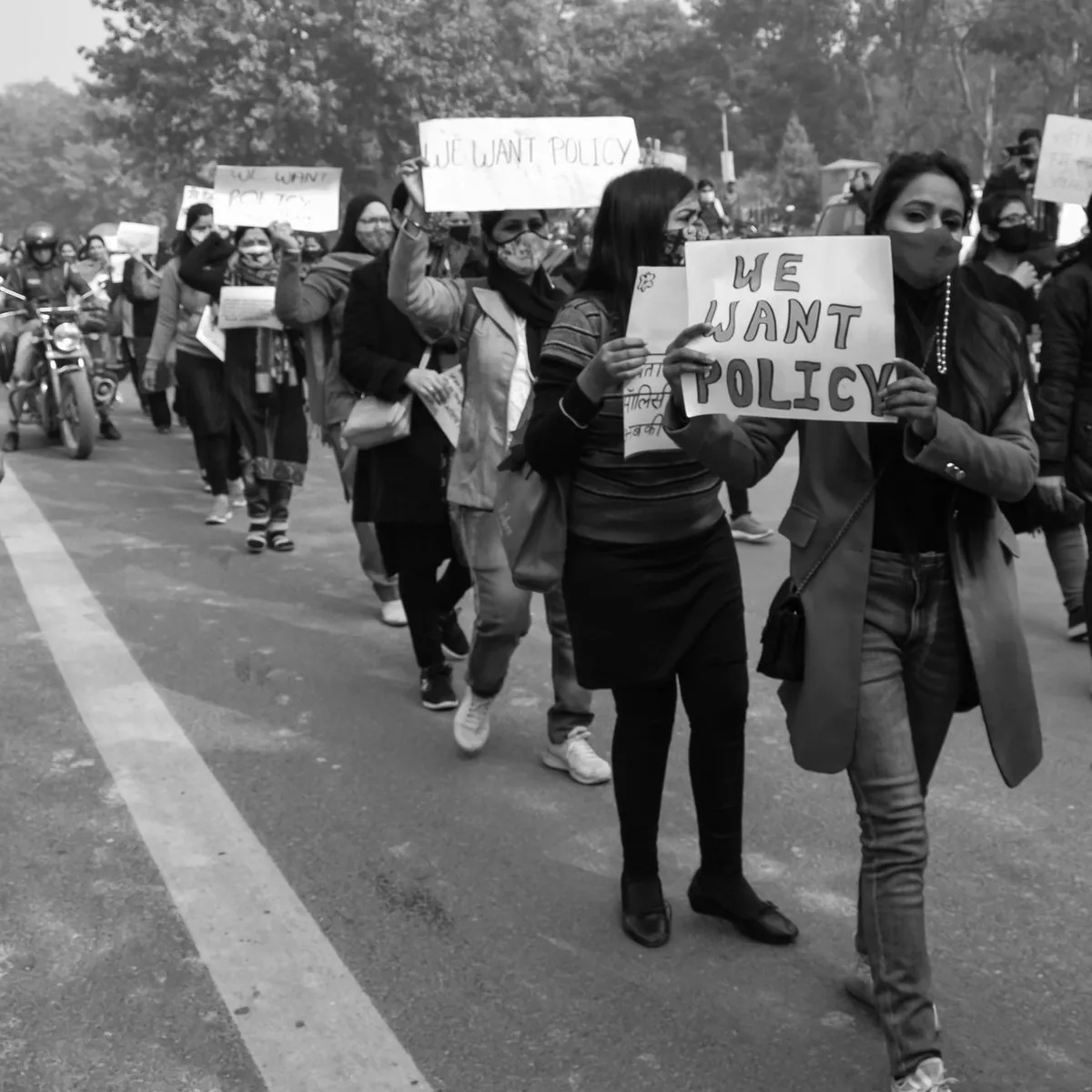
In a striking case that underscores the intersection of campus safety, free speech, and political activism, Mahmoud Khalil, a Columbia University graduate, has filed a lawsuit against the prestigious institution. Khalil accuses Columbia of negligence in protecting pro-Palestinian students from a harassment campaign that he claims directly contributed to his immigration detention. The lawsuit not only highlights Khalil's personal plight but also raises broader issues regarding university responsibilities and the treatment of students engaged in political advocacy.
The lawsuit, lodged in the U.S. District Court for the Southern District of New York, spans 60 pages and details a series of events that have unfolded since the outbreak of violence in Gaza and Israel in October 2023. Khalil asserts that Columbia exhibited a “shocking callous disregard” for the rights and safety of Palestinian students, a claim that resonates deeply in a climate where academic institutions are often scrutinized for their responses to political activism.
The Context of Khalil's Claims
The backdrop of Khalil's lawsuit stems from a wave of pro-Palestinian activism that surged following Hamas’ attack on Israel on October 7, 2023. In the aftermath, Khalil, along with fellow activists, faced a targeted harassment campaign, which included the infamous “doxxing truck” that roamed Columbia’s campus displaying their images alongside derogatory labels such as “Columbia’s Leading Antisemites.” This tactic reflects a troubling trend where individuals associated with controversial political views are publicly shamed and threatened.
Additionally, Khalil's allegations extend to the role of websites like Canary Mission, known for its controversial practices in exposing individuals who criticize Israeli policies. Such actions can have severe implications for students’ safety and mental health, raising critical questions about the balance between free speech and personal safety on campus.
Allegations of University Indifference
Khalil's lawsuit paints a grim picture of Columbia's response to the harassment faced by pro-Palestinian students. He claims that rather than intervening to protect them, university officials displayed “deliberate indifference.” This alleged inaction is particularly concerning given that universities have a duty to foster a safe and supportive environment for all students.
As tensions escalated into 2024, Khalil asserts that Columbia not only failed to act but actively contributed to a hostile atmosphere. He describes incidents where the university allegedly allowed the New York Police Department to intervene against student protests and engaged in mass disciplinary actions against students who expressed solidarity with Palestine. This response raises critical ethical questions about the role of educational institutions in political discourse and student activism.
Consequences of the University’s Actions
The repercussions of Columbia's alleged negligence are stark in Khalil's case. He claims that the university's actions and failures directly led to his detention by Immigration and Customs Enforcement (ICE) on March 8, 2025, branding him a national security threat. Khalil spent over 100 days in detention, missing significant life events, including the birth of his first child. His experience serves as a chilling reminder of how political activism can lead to severe personal consequences.
“Columbia laid the groundwork for my targeting by the Trump administration through its deliberate indifference and discrimination aimed at intimidating Palestinian students,” Khalil remarked, indicating that his plight is emblematic of broader systemic issues affecting marginalized student populations.
Legal Ramifications and Claims
Khalil's lawsuit encompasses various legal claims, including breach of contract and violations of civil rights laws, notably Title VI, which prohibits discrimination based on race, color, or national origin in programs and activities receiving federal financial assistance. His legal strategy appears aimed not only at seeking damages but also at reinstating the Palestine Working Group, which Columbia suspended amid the escalating tensions.
In addition to his lawsuit against Columbia, Khalil has pursued other legal avenues, including litigation against the Trump administration for his detention and seeking damages from the U.S. government. These actions underscore the multifaceted approach he is taking to address the challenges faced by pro-Palestinian activists, emphasizing the need for systemic change in how institutions handle political dissent.
The Broader Implications of Khalil's Case
This lawsuit is not just about one student's experience; it raises significant questions about the responsibilities of universities in safeguarding their students' rights amid political turmoil. The allegations against Columbia reflect a growing concern over how academic environments can become battlegrounds for political ideologies, often at the cost of student safety.
Students engaged in political advocacy, particularly on contentious issues like the Israeli-Palestinian conflict, often face backlash that can lead to harassment or worse. This reality necessitates a reevaluation of how universities respond to such situations. Educational institutions must create frameworks that not only protect students from harassment but also foster an environment where diverse opinions can be expressed without fear of retaliation or persecution.
Key Takeaways
- Mahmoud Khalil's lawsuit against Columbia University highlights a critical failure in protecting pro-Palestinian students from harassment.
- The case raises important questions about university responsibilities in ensuring student safety amidst political activism.
- Khalil's allegations include deliberate indifference from the university, leading to severe personal consequences, including his detention by ICE.
- The lawsuit seeks not only damages but also the reinstatement of the Palestine Working Group and systemic changes in how universities handle political dissent.
- This case could set important precedents for student rights and university accountability in the future.
Frequently Asked Questions
What are the main allegations in Khalil's lawsuit against Columbia University?
Mahmoud Khalil's lawsuit alleges that Columbia University failed to protect him and other pro-Palestinian students from a harassment campaign that included doxxing and public vilification. He claims that the university's response was marked by deliberate indifference, which contributed to his immigration detention and the hostile atmosphere for Palestinian students on campus.
What is the significance of Title VI in this case?
Title VI of the Civil Rights Act prohibits discrimination based on race, color, or national origin in programs receiving federal funding. Khalil's lawsuit invokes this statute, suggesting that Columbia's actions and inactions amounted to discrimination against Palestinian students, which could have far-reaching implications for how universities are held accountable for the safety and rights of their students.
How could this lawsuit impact other university students engaged in political activism?
This lawsuit could set a critical precedent for how universities respond to political activism on campus. If Khalil's claims are upheld, it may compel educational institutions to implement more robust protections for students, particularly those who advocate for marginalized causes. Such changes could foster a safer environment for diverse political expression and discourage retaliatory actions against students who engage in activism.
What are the broader implications of Khalil's experience for immigrant rights?
Khalil's experience highlights the vulnerabilities faced by immigrant activists in the U.S., particularly in the context of political dissent. His detention by ICE under a national security designation raises significant concerns about the intersection of immigration policy and free speech rights. As such, this case not only addresses issues of student safety but also underscores the need for broader protections for immigrant activists against intimidation and unjust legal repercussions.
Disclaimer: This article is for informational purposes only and does not constitute legal advice.
Comments
Fourth Circuit Reviews Military Ban on HIV-Positive Enlistees
The Fourth Circuit scrutinizes the Pentagon's ban on HIV-positive individuals seeking to enlist in the military, weighing health, policy, and discrimination concerns.

Related articles


Popular in Employment Law
- TidalHealth Faces Discrimination Lawsuits Amid Allegations of Retaliation
- Understanding College Football Eligibility: Key Issues and Recent Developments
- Sixth Circuit Ruling on ACA Nondiscrimination: Implications for Nurse Anesthetists
- Understanding Employee Mental Health Obligations in Franchise Workforces
- Court Ruling Defends Journalist in Data Center Defamation Case