The Controversial Ban on Paralegals Offering Legal Advice
A new law prohibiting paralegals from providing legal advice has sparked debate among legal professionals, with district attorneys and state bar associations defending the measure. This article explores the implications, challenges, and future of paralegal roles in the legal system.

The recent enactment of a law prohibiting paralegals from offering legal advice has ignited a firestorm of discussion within the legal community. Proponents, including district attorneys and representatives from state bar associations, argue that the ban is essential for preserving the integrity of legal counsel and protecting the public from potential harm. Critics, however, contend that this measure may limit access to justice, particularly for individuals who cannot afford traditional legal services. As the legal landscape evolves, understanding the implications of this law is crucial for both consumers and professionals in the field.
Understanding the Role of Paralegals
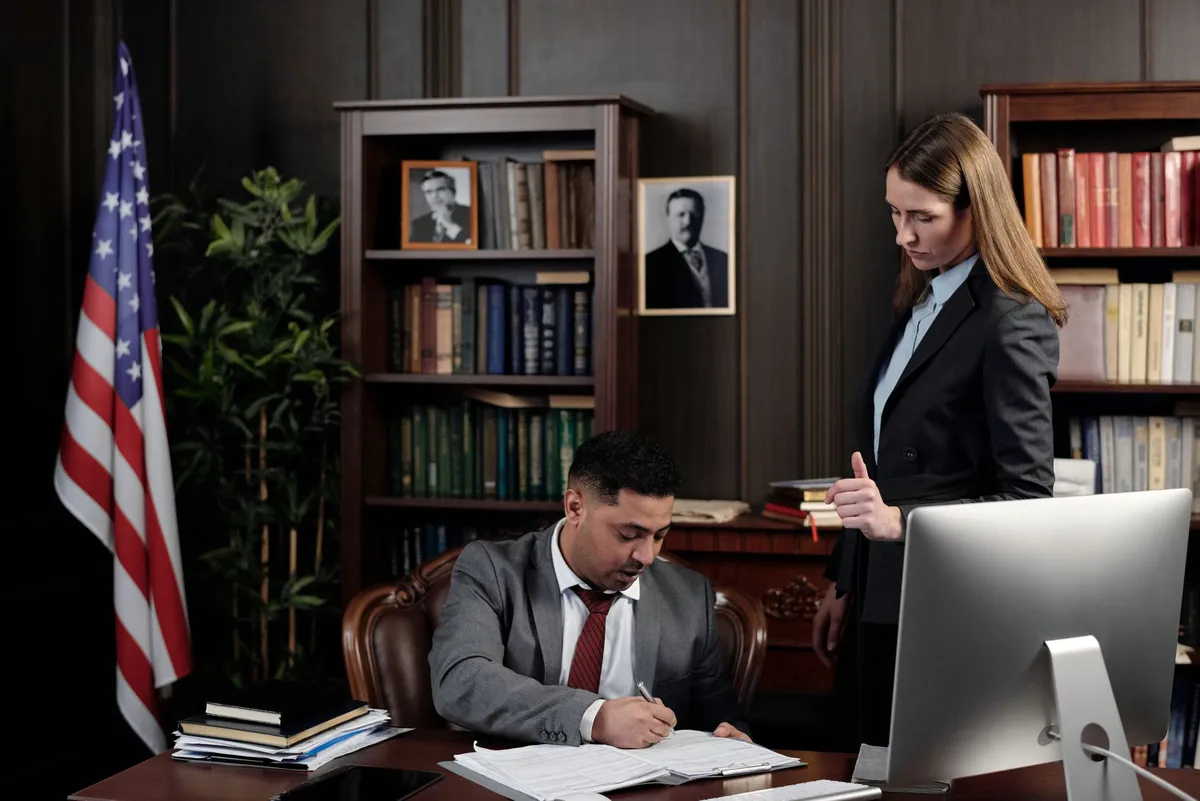
Paralegals play a vital role in the legal system, often serving as essential support for attorneys. They conduct legal research, draft documents, and manage case files, thereby allowing lawyers to focus on more complex legal tasks. However, the line between permissible paralegal duties and unauthorized legal practice has been a long-standing issue. The new law seeks to clarify this line by explicitly stating that paralegals cannot provide legal advice, a function reserved solely for licensed attorneys.
The Justifications Behind the Ban
Supporters of the ban cite several reasons for its necessity:
- Protecting Clients: The primary argument is that legal advice requires a licensed professional's expertise to avoid potential malpractice or misguidance.
- Upholding Legal Standards: By restricting legal advice to attorneys, the law aims to maintain high standards in legal practice and ensure that clients receive competent representation.
- Preventing Unauthorized Practice: The ban is designed to prevent individuals who may not fully understand the law from practicing in a way that could harm clients.
Potential Risks of Allowing Paralegal Advice
Critics of unregulated paralegal advice argue that it could lead to a range of issues, including:
- Inaccurate legal interpretations that could adversely affect a client's case.
- Increased liability for paralegals and their firms if clients suffer damages due to erroneous advice.
- The potential for fraud or exploitation of vulnerable individuals seeking legal guidance.
Access to Justice Concerns
While the justifications for the ban may resonate with legal professionals, the implications for access to justice cannot be overlooked. Many individuals, particularly those from low-income backgrounds, struggle to afford legal representation. Paralegals often provide a more affordable option for legal assistance, helping clients navigate complex legal matters without the high costs associated with hiring an attorney.
Alternatives for Legal Assistance
With the ban in effect, those seeking legal help may find their options limited. However, there are alternatives available:
- Legal Aid Societies: These organizations provide free or low-cost legal services to eligible individuals.
- Law Clinics: Many law schools offer clinics where law students, supervised by licensed attorneys, provide legal assistance.
- Online Legal Services: Various platforms offer affordable legal advice and document preparation, though the quality can vary.
The Future of Paralegal Work
The ban on paralegal legal advice is likely to reshape the landscape of paralegal work moving forward. Paralegals will need to adapt to the new limitations placed on their roles and find ways to continue providing valuable support within the boundaries of the law. This may involve focusing more on research and documentation, while collaborating closely with attorneys to ensure clients receive comprehensive legal support without crossing into the realm of advice.

Key Takeaways
- The new law prohibits paralegals from giving legal advice, a move supported by district attorneys and state bar associations.
- Proponents argue the ban protects clients and upholds legal standards, while critics warn it limits access to justice.
- Access to affordable legal services is increasingly important, and alternatives exist for those in need.
- The future of paralegal work will likely involve more collaboration with attorneys and a focus on support tasks.
Frequently Asked Questions
What are the primary duties of a paralegal?
Paralegals assist attorneys by conducting legal research, drafting documents, managing case files, and ensuring that legal procedures are followed correctly. They serve as crucial support within law firms, helping attorneys prepare for trials, hearings, and meetings. However, their work is distinctly separate from the provision of legal advice, which is reserved for licensed attorneys.
How does the ban affect low-income individuals seeking legal help?
The ban may adversely affect low-income individuals who rely on paralegals for affordable legal assistance. With paralegals unable to offer advice, clients may find themselves facing challenges in navigating the legal system without the support they need. This highlights an urgent need for accessible legal resources, such as legal aid societies and law clinics, to fill the gap left by the ban.
Are there any exceptions to the ban on paralegal advice?
As it stands, the law does not provide exceptions for paralegals to offer legal advice. All legal guidance must come from licensed attorneys. However, paralegals can still perform many essential functions that support legal processes, provided they do not cross the line into advising clients.
What steps can paralegals take to adapt to the new law?
To adapt to the new law, paralegals should focus on enhancing their skills in research, documentation, and case management. They may also benefit from collaborating closely with attorneys to ensure that client needs are met without stepping into the realm of legal advice. Networking with other professionals in the field and staying informed about legal developments will also be crucial in navigating this evolving landscape.
This content is general information, not legal advice.
Comments
Mahmoud Khalil Sues Columbia University Over Safety Neglect for Palestinian Students
Columbia University graduate Mahmoud Khalil has filed a lawsuit against his alma mater, alleging a failure to protect pro-Palestinian activists from harassment and doxxing, resulting in his immigration detention. This case raises critical questions about university responsibility and student safety amid political tensions.
Related articles


Popular in Employment Law
- TidalHealth Faces Discrimination Lawsuits Amid Allegations of Retaliation
- Understanding College Football Eligibility: Key Issues and Recent Developments
- Sixth Circuit Ruling on ACA Nondiscrimination: Implications for Nurse Anesthetists
- Understanding Employee Mental Health Obligations in Franchise Workforces
- Court Ruling Defends Journalist in Data Center Defamation Case