Fourth Circuit Reviews Military Ban on HIV-Positive Enlistees
The Fourth Circuit scrutinizes the Pentagon's ban on HIV-positive individuals seeking to enlist in the military, weighing health, policy, and discrimination concerns.
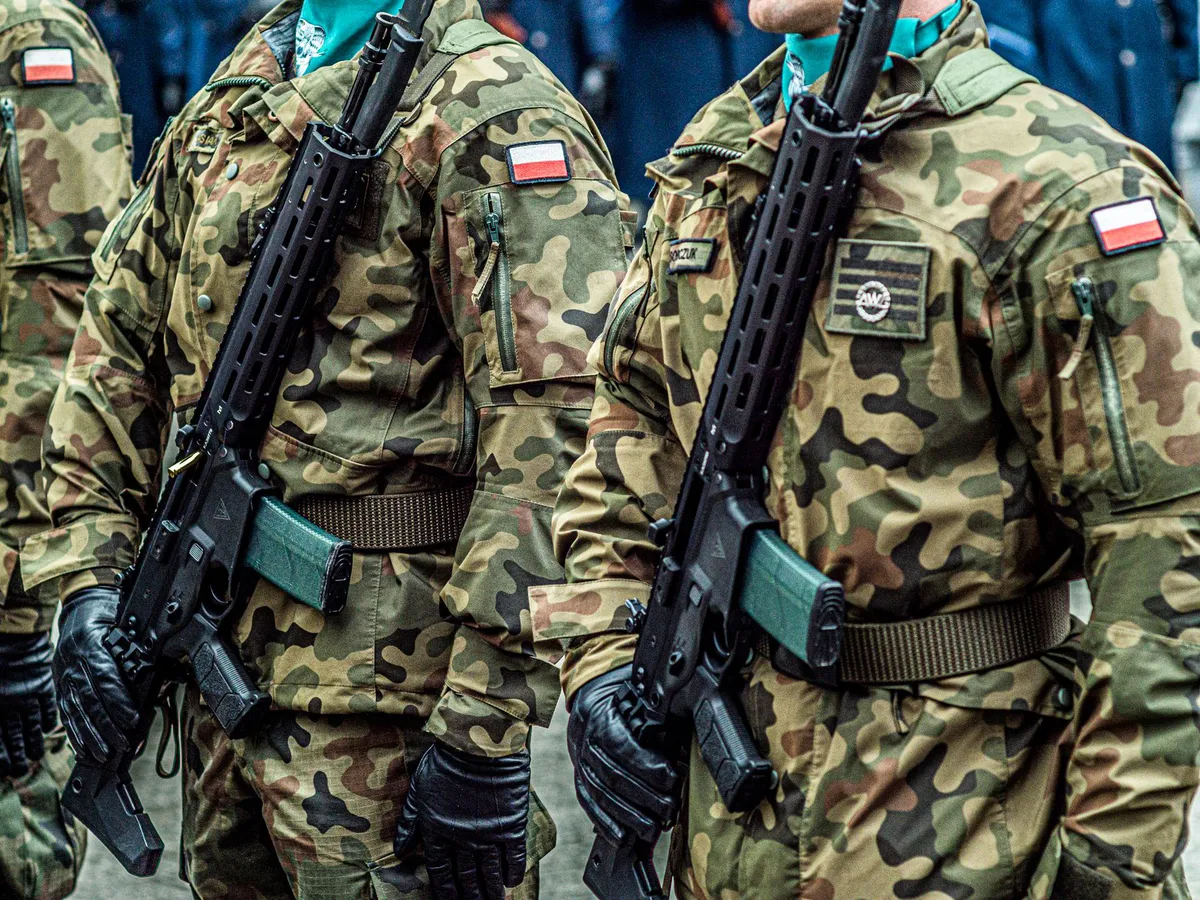
The ongoing legal battle surrounding the U.S. military's ban on HIV-positive individuals seeking to enlist has captured significant attention, especially as the Fourth Circuit Court of Appeals recently convened to hear a challenge to this controversial policy. This case raises critical questions about discrimination, public health, and the military's authority to set its own enlistment standards. As the court considers arguments from both sides, the implications for not only those directly affected but also for the broader understanding of HIV and military service are profound.
The plaintiffs in this case—comprising a trans woman honorably discharged from the Army, a gay man barred from joining the Army despite serving in the Georgia National Guard, and a cisgender woman who cannot enlist due to her HIV-positive status—are supported by the advocacy group Minority Veterans of America. Their argument hinges on the assertion that the military’s ban is not only discriminatory but also unsupported by contemporary scientific understanding of HIV transmission and treatment.
Background on the Ban and Legal Precedents
The military’s policy regarding HIV-positive individuals has been a contentious issue for years. In 2024, a federal judge appointed by Bill Clinton blocked the ban, suggesting that it was arbitrary and discriminatory. However, a panel of the Fourth Circuit, composed of judges appointed by both Republican and Democratic presidents, subsequently reinstated the policy, indicating a divide in judicial philosophy regarding military autonomy versus individual rights.
U.S. Circuit Judge Paul Niemeyer, a George H.W. Bush appointee, articulated the court's reasoning for supporting the ban, stating that it adhered to the equal protection component of the Fifth Amendment's due process clause. This ruling emphasized a complex interplay between military necessity and individual rights, leading to the en banc hearing in which all 15 judges of the Fourth Circuit participated.

The Arguments: Health, Discrimination, and Military Readiness
The plaintiffs’ legal representation, led by attorney Scott Schoettes, presented a compelling case against the ban. Schoettes argued that the military's exclusion of HIV-positive individuals, even those whose viral loads are undetectable—rendering them non-infectious—reflects a misunderstanding and fear of HIV that is not supported by scientific evidence. He urged the court to apply the principles established in Roe v. Department of Defense, which highlighted the military's inconsistent application of its own policies regarding HIV-positive service members.
Conversely, the government’s defense, articulated by U.S. Circuit Judge Harvie Wilkinson, raised concerns about the broader implications of overturning the ban. Wilkinson suggested that a ruling against the military could open the floodgates for individuals with various medical conditions to challenge enlistment standards, potentially overwhelming the courts with cases that delve into military policy.
- Health Implications: The military argues that HIV-positive individuals may require ongoing treatment, which could impact their readiness and ability to serve effectively.
- Financial Considerations: The government claims the logistical and financial burdens of managing HIV-positive service members justify the exclusion.
- International Comparisons: Other countries, such as the U.K., France, and Australia, allow individuals with undetectable HIV to serve, raising questions about U.S. policy.

Impact on Current and Future Service Members
The implications of this ongoing legal battle extend beyond the plaintiffs directly involved. Many individuals who are HIV-positive and wish to serve face systemic barriers that highlight broader societal issues regarding health, discrimination, and the military's role in public health policy. Since the advent of effective antiretroviral treatments in the mid-1990s, the landscape of living with HIV has changed dramatically. Today, many individuals live healthy, fulfilling lives and can maintain an undetectable viral load, meaning they cannot transmit the virus to others.
Advocates for the plaintiffs argue that the military's policies are outdated and fail to reflect the realities of living with HIV in modern society. They contend that the ban not only discriminates against potential enlistees based on outdated perceptions but also deprives the military of qualified individuals who are eager to serve their country.
The Court's Dilemma: Balancing Military Discretion and Individual Rights
The Fourth Circuit judges face a complex challenge as they weigh the military's need for discretion in personnel decisions against the rights of individuals who may be unfairly discriminated against. The debate centers around whether the military's justifications for the HIV ban are based on legitimate operational needs or if they are rooted in unfounded fears and stigmas associated with the virus.
As this case unfolds, it raises critical questions about how far the military can go in establishing its enlistment standards and the extent to which those standards can be challenged in court. The outcome could potentially redefine the landscape of military service for individuals with HIV and set a precedent for how medical conditions are addressed in military contexts.
Key Takeaways
- The Fourth Circuit is currently reviewing a challenge to the military's ban on HIV-positive individuals seeking to enlist.
- The plaintiffs argue the ban is discriminatory and unsupported by modern science.
- The military claims logistical and financial burdens justify the exclusion of HIV-positive individuals.
- International practices differ significantly, with several countries allowing HIV-positive individuals to serve.
- The outcome could redefine military enlistment standards and individual rights regarding health.
Frequently Asked Questions
What is the current status of the military's ban on HIV-positive enlistees?
The Fourth Circuit is currently deliberating on the constitutionality of the military's ban on HIV-positive individuals. A previous ruling reinstated the ban after a federal judge blocked it in 2024, and the en banc hearing involves all 15 judges of the Fourth Circuit.
How does the military justify its ban on HIV-positive individuals?
The military argues that HIV-positive individuals may pose logistical and financial burdens due to their need for ongoing medical treatment and testing. They maintain that these factors are essential considerations in military readiness and effectiveness.
What are the implications of this case for individuals with HIV wanting to serve?
The outcome of this legal challenge could significantly impact the future of military policy regarding health and enlistment standards. A ruling against the ban could open doors for HIV-positive individuals to serve, leading to broader discussions about discrimination and inclusivity within the military.
How does the U.S. military's policy compare to other countries?
Unlike the U.S., several countries, including the U.K., France, and Australia, permit HIV-positive individuals with undetectable viral loads to enlist in their armed forces. This disparity raises questions about the U.S. military's adherence to contemporary medical understanding and public health policies.
This content is general information and not legal advice.
Comments
Mahmoud Khalil Sues Columbia University Over Safety Neglect for Palestinian Students
Columbia University graduate Mahmoud Khalil has filed a lawsuit against his alma mater, alleging a failure to protect pro-Palestinian activists from harassment and doxxing, resulting in his immigration detention. This case raises critical questions about university responsibility and student safety amid political tensions.
Related articles


Popular in Employment Law
- TidalHealth Faces Discrimination Lawsuits Amid Allegations of Retaliation
- Understanding College Football Eligibility: Key Issues and Recent Developments
- Sixth Circuit Ruling on ACA Nondiscrimination: Implications for Nurse Anesthetists
- Understanding Employee Mental Health Obligations in Franchise Workforces
- Court Ruling Defends Journalist in Data Center Defamation Case