Supreme Court Declines to Review Michigan Proof-of-Citizenship Amendment
The U.S. Supreme Court has refused to intervene in a Michigan ballot dispute regarding a proof-of-citizenship requirement, leaving the state's decision intact. This ruling has significant implications for voting rights and election integrity in Michigan.
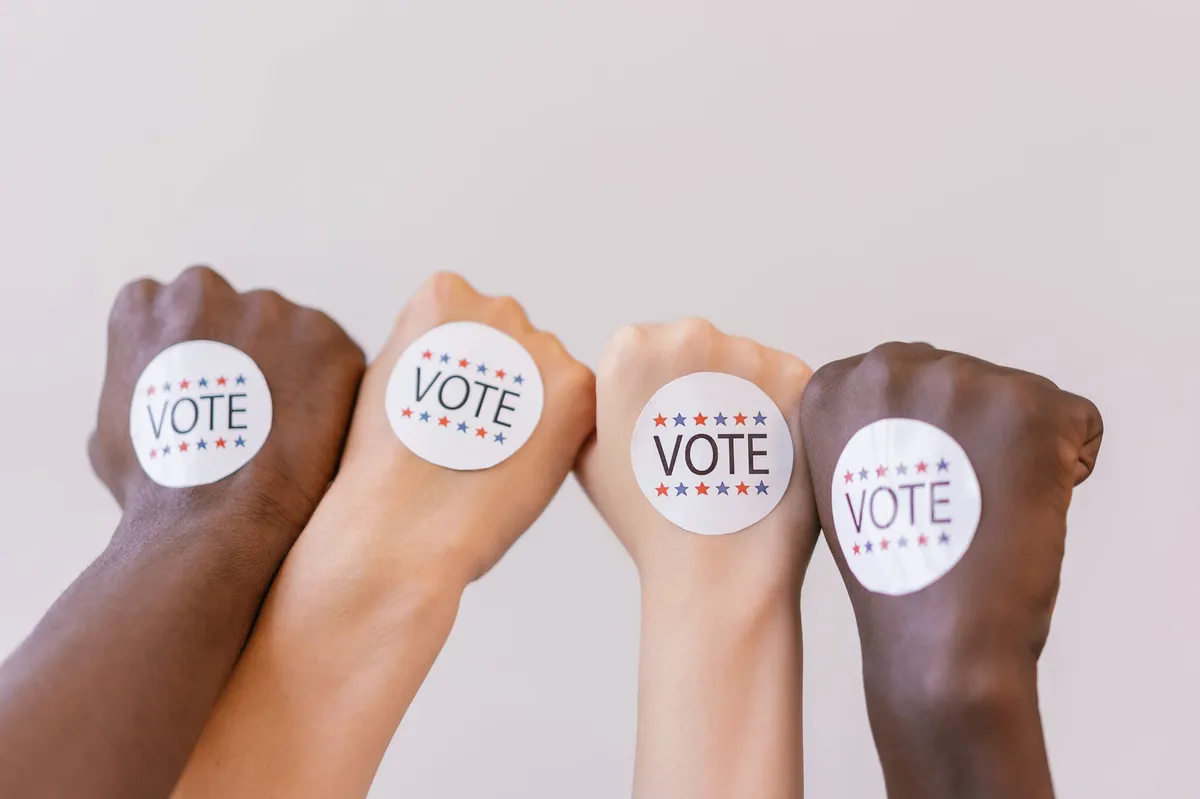
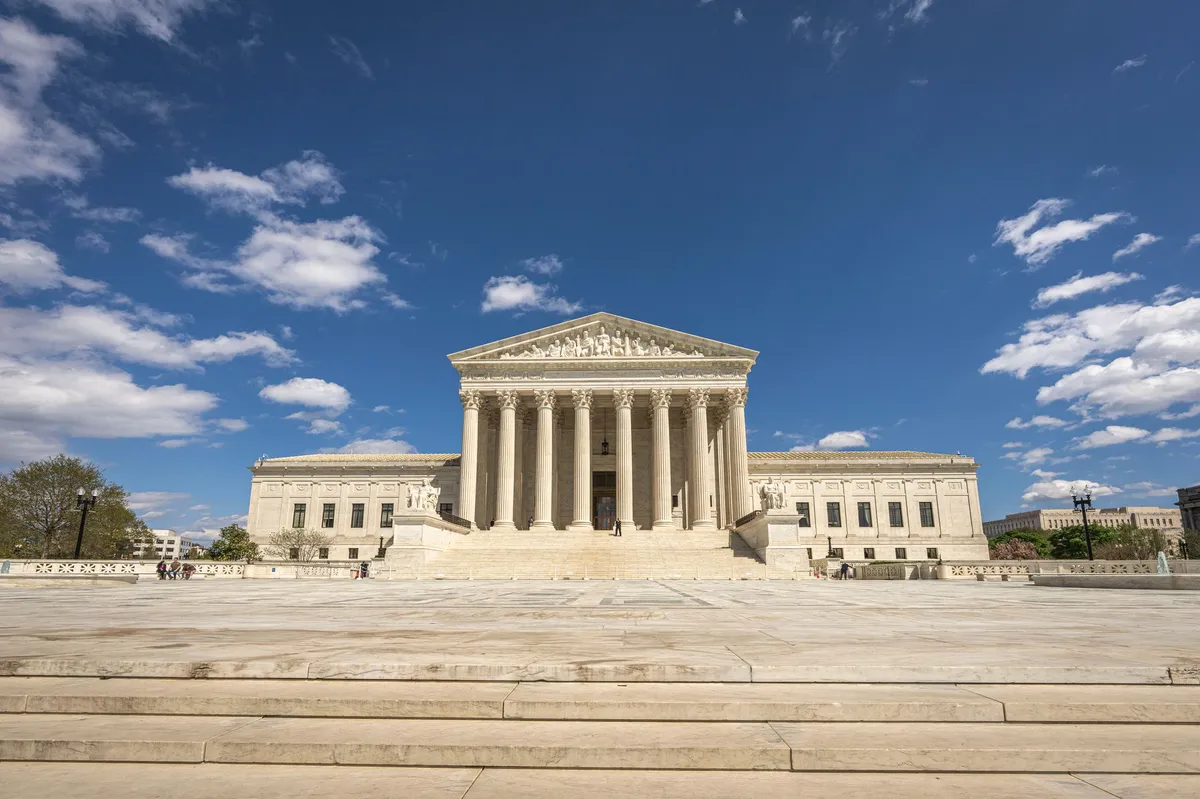
The U.S. Supreme Court recently made a pivotal decision that has significant implications for voting rights in Michigan, refusing to step in on an emergency request concerning a proposed proof-of-citizenship amendment. This refusal comes at a critical juncture, just days before ballots for the midterm elections were set to be finalized, and raises questions about the intersection of law, citizenship, and electoral integrity.
The case began when the advocacy group Americans for Citizen Voting (ACVM) sought to place a proof-of-citizenship requirement on the ballot, aiming to enhance the integrity of the voting process. Despite gathering a sufficient number of signatures, the Michigan Board of State Canvassers invalidated the proposal, citing a significant number of invalid signatures. The board found only 626 of the 1,000 sampled signatures to be valid, while an independent review by the Michigan Bureau of Elections yielded even lower numbers—only 612 valid signatures.
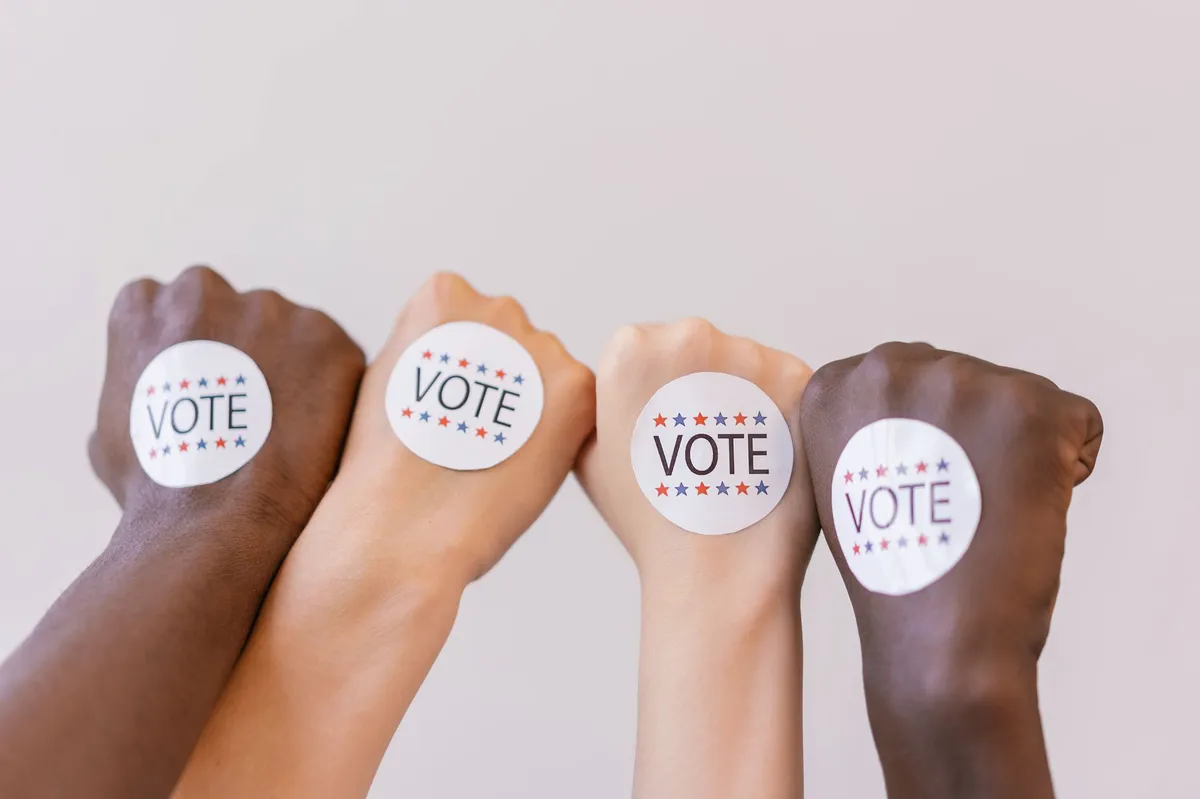
The Legal Landscape: How Ballot Initiatives Work in Michigan
In Michigan, the process for placing constitutional amendments on the ballot is governed by specific legal requirements. Under state law, a proposed amendment must gather a minimum of 446,198 valid signatures within a designated timeframe. This threshold is designed to ensure that only proposals with substantial public support make it to the ballot.
The Michigan Board of State Canvassers is responsible for verifying the validity of these signatures, a task that involves reviewing random samples to ensure compliance with legal standards. In this case, the board determined that the ACVM's proposal fell short due to a high number of invalid signatures, which was a critical factor in their decision to deny the proposal's placement on the ballot.
Implications of the Supreme Court's Decision
Justice Brett Kavanaugh, appointed by former President Donald Trump, denied ACVM's request without elaborating on the reasoning behind the decision. This lack of explanation leaves many questions unanswered about the criteria the justices used to evaluate such an unusual emergency application. ACVM argued that if the board's decision stood, Michigan voters would be deprived of their right to vote on an important issue, while the board maintained that the request was unwarranted given the circumstances surrounding the signature verification process.
The implications of this ruling extend beyond Michigan's borders, serving as a potential precedent for similar initiatives across the country. The debate over proof-of-citizenship requirements is contentious; supporters argue it enhances election security, while opponents contend it may disenfranchise voters, particularly those from marginalized communities.
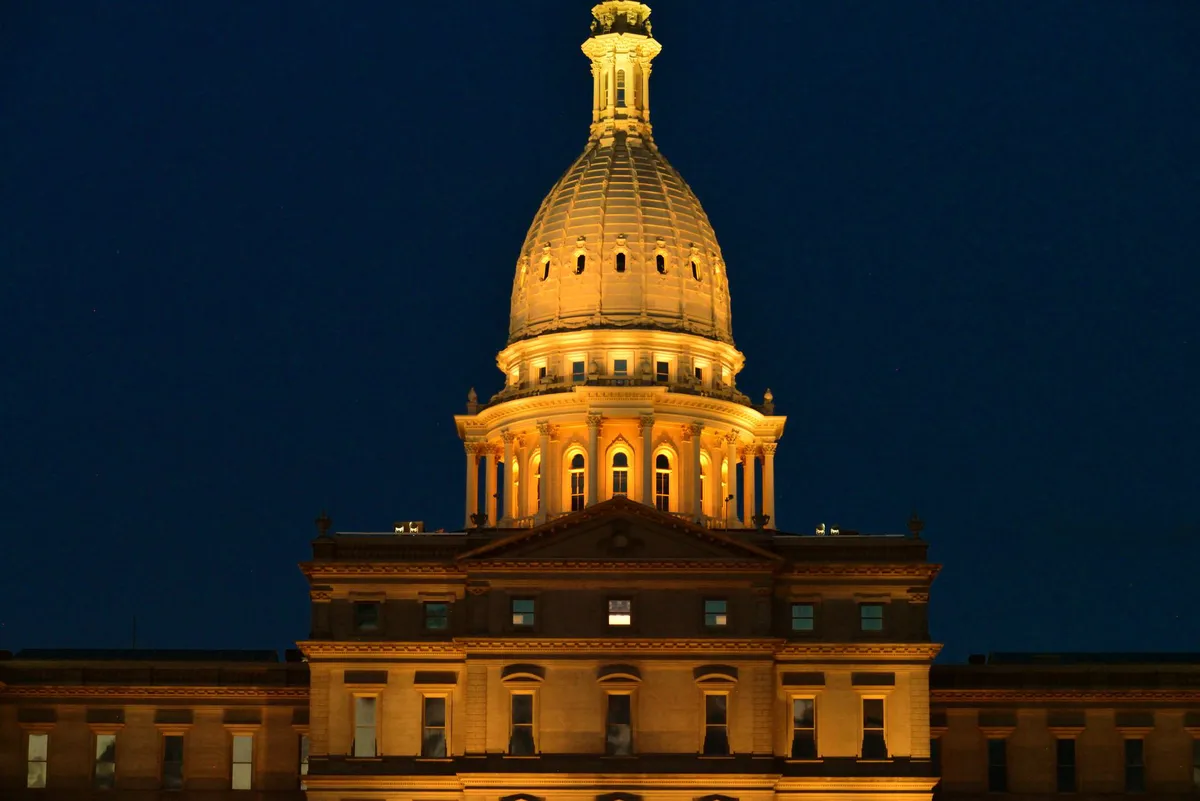
Concerns Over Voter Disenfranchisement
The push for proof-of-citizenship laws has been met with widespread criticism from various advocacy groups and civil rights organizations. Critics argue that such regulations disproportionately affect minority voters, the elderly, and low-income individuals, who may face barriers in obtaining the necessary documentation to prove citizenship.
For example, obtaining a birth certificate, passport, or other forms of identification can be challenging for some individuals, creating an unnecessary hurdle to exercising their right to vote. This has led to concerns that the implementation of such laws could exacerbate existing inequalities in the electoral process.
- Voting Rights Under Scrutiny: The decision highlights ongoing national debates about voting rights and election integrity.
- Impact on Marginalized Communities: Laws requiring proof of citizenship could disenfranchise vulnerable populations.
- Potential for Legal Precedents: The Supreme Court's refusal to intervene may influence future cases involving voting rights across the U.S.
Future of Voting Rights in Michigan
As the midterm elections approach, the landscape of voting rights in Michigan remains uncertain. The ACVM's effort to propose a proof-of-citizenship amendment reflects a broader trend observed in several states, where similar measures have been proposed or enacted. The impact of these laws on voter turnout and election outcomes will likely be scrutinized in the coming months.
In response to the Supreme Court's ruling, ACVM has expressed frustration over what they perceive as undue delays by the Michigan Board of State Canvassers and the state Supreme Court. They argue that the board took over five months to deny their petition, thus hampering their ability to seek relief in a timely manner. With the state Supreme Court yet to weigh in on the matter, ACVM faces a challenging road ahead.
Key Takeaways
- The U.S. Supreme Court declined an emergency request to place a proof-of-citizenship amendment on Michigan's ballot.
- The Michigan Board of State Canvassers invalidated the proposal due to a significant number of invalid signatures.
- The decision raises concerns about potential voter disenfranchisement and the future of voting rights in Michigan.
Frequently Asked Questions
What is the significance of the proof-of-citizenship amendment in Michigan?
The proposed proof-of-citizenship amendment aimed to require voters to provide evidence of citizenship before casting their ballots. Proponents argue this measure enhances electoral integrity, while critics contend it could disenfranchise many eligible voters, particularly from marginalized communities.
What were the reasons for the Michigan Board of State Canvassers' decision?
The Michigan Board of State Canvassers determined that a substantial number of the signatures submitted by Americans for Citizen Voting were invalid. Only 626 out of the 1,000 sampled signatures were deemed valid, prompting the board to reject the proposal. This rigorous verification process is designed to ensure only proposals with genuine public support make it to the ballot.
How does this ruling impact future voting rights legislation?
The Supreme Court's refusal to intervene could set a precedent for how similar cases are handled in the future. As states grapple with the balance between election security and voter accessibility, this ruling may influence ongoing discussions and legislative efforts surrounding voting rights across the nation.
Comments
Lessons from History: Parallels Between Vietnam and Modern Politics
Exploring the striking similarities between the Vietnam War's Tet Offensive and today's political landscape, this article examines public sentiment, leadership failures, and the consequences of historical ignorance.

Related articles




Popular in Business Law
- Supreme Court Justices' Financial Disclosures: A Closer Look
- Vishal Garg's Leadership Fallout: The Rise and Fall of Better.com
- Former Intelligence Official Faces Penalty for Post-Government Misconduct
- Blank Rome Faces Lawsuit After Major Data Breach Exposes Personal Information
- Congress Faces Reckoning Over Member-Staff Relationships