Trump Administration's Mail-in Ballot Challenge Resurfaces at Supreme Court
The Trump administration has renewed its battle over mail-in voting regulations at the Supreme Court, seeking to enforce strict voter verification measures ahead of the November elections. This article explores the implications of these changes and the ongoing legal challenges surrounding them.
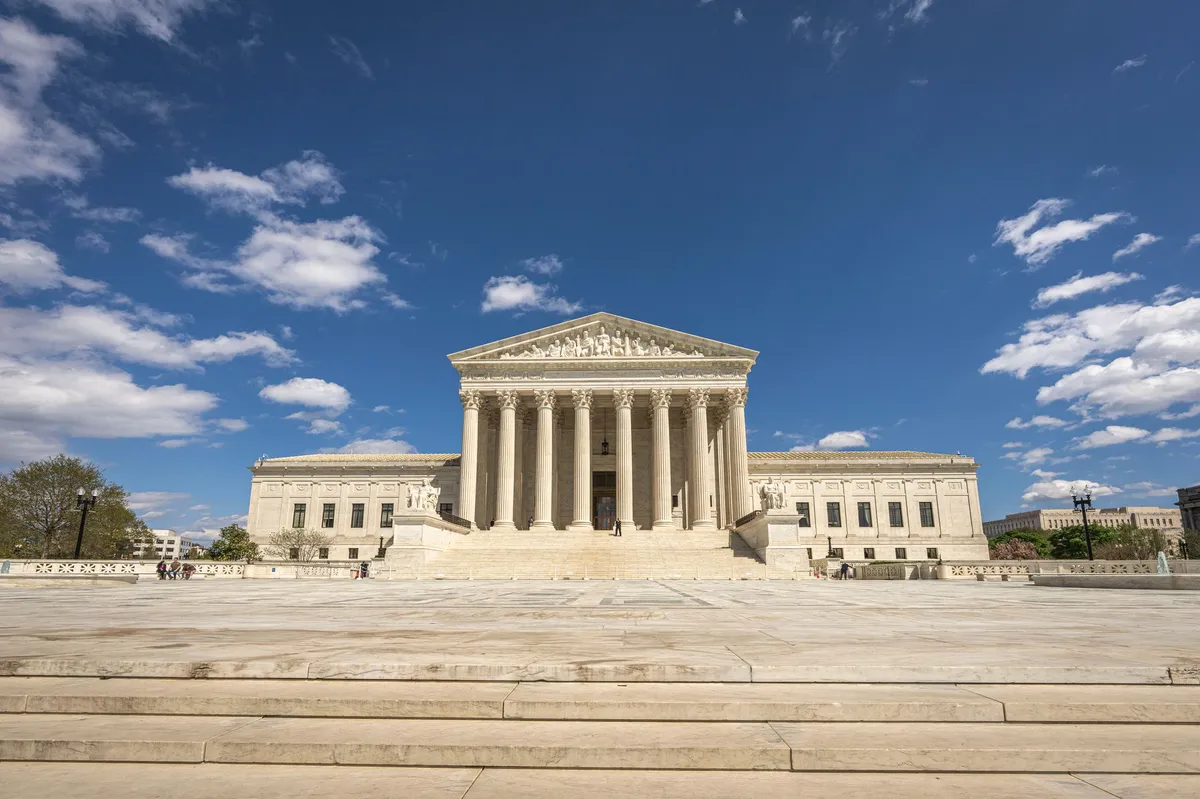
The ongoing battle over mail-in voting in the United States has taken a significant turn as the Trump administration has once again turned to the Supreme Court. This renewed effort comes as officials prepare for the November midterm elections, amidst a backdrop of widespread concern over voter integrity and the procedures governing mail-in ballots. The stakes are high, with both sides of the political spectrum weighing in on the potential impact of the proposed changes.
On Thursday, Solicitor General John Sauer presented a compelling case for the Supreme Court to intervene in what the administration deems a critical matter of federal policy. With a previous ruling from a lower court temporarily suspending the implementation of President Trump's executive order on mail-in voting, the administration argues that delays in enforcing these new regulations could lead to significant risks regarding voter integrity.
Background: The Executive Order on Mail-in Voting
In April, President Trump signed an executive order titled "Ensuring Citizenship Verification and Integrity in Federal Elections," aimed at reforming the mail-in voting process. This order sought to establish lists of eligible voters in each state and mandated the U.S. Postal Service (USPS) to deliver mail ballots only to those verified. Additionally, the order required states to utilize secure envelopes with unique tracking barcodes for mail ballots, intending to prevent potential voter fraud.
However, the order faced immediate resistance. A coalition of Democratic officials from 23 states and the District of Columbia quickly challenged the legality of the proposed changes, arguing that they could lead to chaos just months before the elections. A Massachusetts court responded by blocking key sections of the executive order, prompting the Trump administration to appeal to the Supreme Court.

Legal Proceedings and Current Developments
The initial ruling from the Supreme Court indicated that the states' challenge to the executive order was premature, as the government had not yet taken action to enforce it. However, the USPS subsequently published a rule requiring states to adopt new, scannable ballot envelopes, a move that the Trump administration argues is crucial for maintaining the integrity of mail-in voting.
Despite these developments, U.S. District Judge Indira Talwani issued a temporary stay against USPS's enforcement plan for a duration of 14 days, raising questions about the urgency of implementing these changes ahead of the midterm elections. During a recent hearing, Judge Talwani expressed skepticism about the rationale for rushing these policies, highlighting the potential for errors and confusion among voters.
The Administration's Response
In response to the stay, the Trump administration filed an application with the Supreme Court, asserting that the lower court's decision effectively acted as an injunction against a vital federal policy. They argued that without immediate relief, the inability to implement their proposed mail-in voting regulations could irreparably harm both the federal government and the public's confidence in the electoral process.
The administration defended the legality of their regulations, contending that they pertain to the use of federal mail rather than directly regulating elections. Their position asserts that states cannot exempt their election-related mail from the Postal Service's established rules regarding envelope design and information requirements.
The Implications of the Proposed Changes
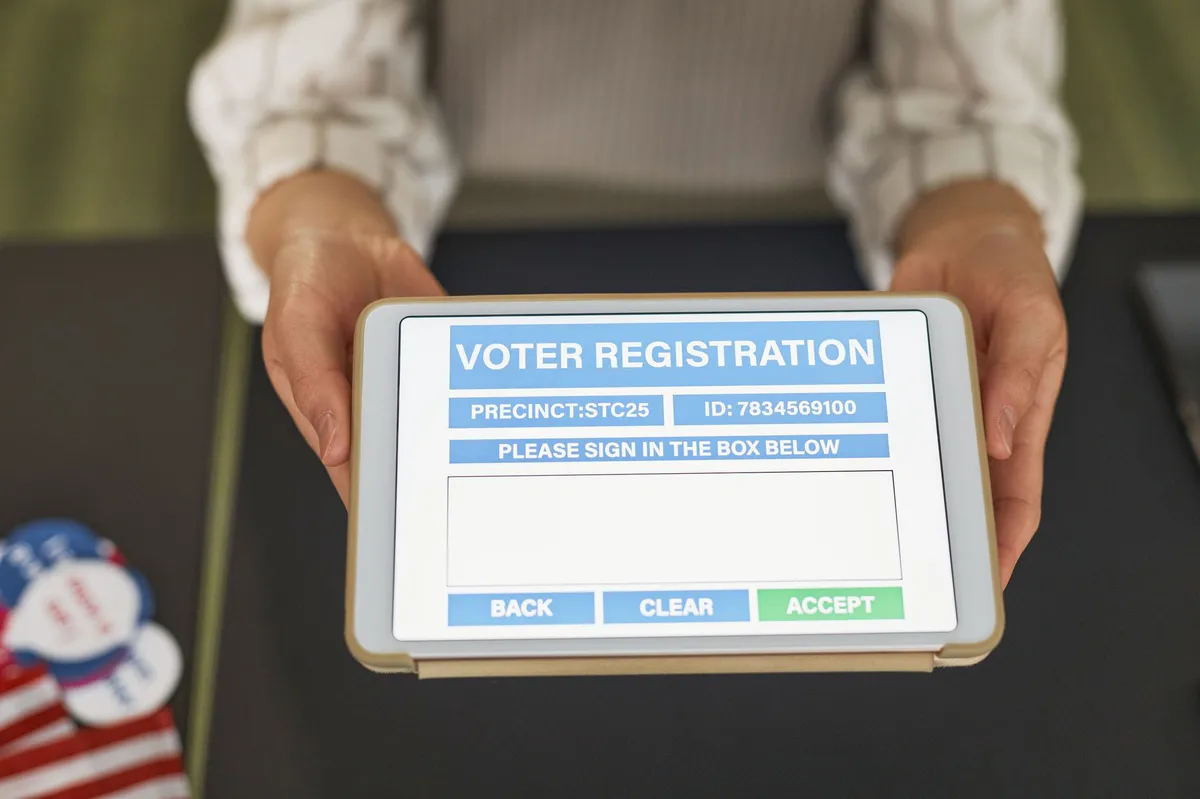
The implications of the Trump administration's efforts to reshape mail-in voting are far-reaching. Democratic officials have raised concerns that the proposed changes could lead to disenfranchisement, particularly among vulnerable populations who rely heavily on mail-in voting. The potential for errors in the new verification process could also create significant obstacles for voters attempting to participate in the upcoming elections.
Moreover, critics of the administration’s proposal warn against transforming the USPS into a politically motivated entity. The fear is that granting the agency expanded powers related to voter verification could politicize what has traditionally been a nonpartisan service, undermining public trust in both the Postal Service and the electoral process.
Whistleblower Allegations and Further Complications
Adding another layer of complexity to the situation, a whistleblower report has emerged alleging that the USPS is taking a “risky and haphazard” approach to implementing the president's directives on mail-in voting. The report claims that the administration has imposed an unrealistic timeline for developing a ballot screening tool, leading to the abandonment of essential testing and debugging processes.
According to the whistleblower, the USPS's Federal Ballot Mail Portal is intended to determine the eligibility of certain ballots for mailing to voters. However, the report indicates that this tool was being developed even after federal judges imposed blocks on the executive order. This raises serious questions about the USPS's adherence to legal rulings and its commitment to a fair electoral process.
Key Takeaways
- Trump's executive order on mail-in voting seeks to enforce strict voter verification procedures ahead of the November elections.
- Legal challenges from Democratic states question the authority of the federal government to impose these regulations.
- Concerns over disenfranchisement and errors in mail-in voting procedures are significant points of contention.
- A whistleblower report has surfaced, alleging that USPS is rushing the implementation of controversial mail-in voting policies.
Frequently Asked Questions
What is the main goal of Trump's executive order on mail-in voting?
The main goal of President Trump's executive order is to enhance voter integrity by implementing strict verification measures for mail-in ballots. This includes creating lists of eligible voters and requiring the use of secure envelopes with tracking barcodes to ensure that only verified voters receive mail-in ballots.
What legal challenges has the executive order faced?
The executive order has faced significant legal challenges from Democratic officials in multiple states who argue that the proposed changes are unlawful and could lead to chaos ahead of the elections. A Massachusetts court has blocked key provisions of the order, citing concerns over voter disenfranchisement and the potential for errors in the new verification process.
How might these changes affect voters?
The proposed changes could significantly impact voters, particularly those who rely on mail-in voting due to accessibility issues or other challenges. Critics argue that the new verification process could lead to disenfranchisement, as errors might prevent eligible voters from receiving their ballots on time or at all.
What are the implications of the whistleblower report?
The whistleblower report raises serious concerns about the USPS's approach to implementing the executive order. Allegations of a rushed and untested process could undermine the integrity of the mail-in voting system, potentially leading to significant errors and challenges for voters attempting to participate in the electoral process.
This article is for informational purposes only and does not constitute legal advice.
Comments
Lessons from History: Parallels Between Vietnam and Modern Politics
Exploring the striking similarities between the Vietnam War's Tet Offensive and today's political landscape, this article examines public sentiment, leadership failures, and the consequences of historical ignorance.

Related articles




Popular in Business Law
- Supreme Court Justices' Financial Disclosures: A Closer Look
- Vishal Garg's Leadership Fallout: The Rise and Fall of Better.com
- Former Intelligence Official Faces Penalty for Post-Government Misconduct
- Blank Rome Faces Lawsuit After Major Data Breach Exposes Personal Information
- Congress Faces Reckoning Over Member-Staff Relationships