Cyberattack on Thomson Reuters' C-Track: Implications for Courts Nationwide
A recent cyberattack targeting Thomson Reuters' C-Track system has caused significant disruptions in court operations across multiple jurisdictions. This article explores the implications for the legal system and what it means for affected parties.

In an increasingly digital age, the integrity and reliability of technological systems used in the legal landscape are paramount. A recent cyberattack targeting Thomson Reuters’ C-Track system has raised alarms, causing disruptions across court systems in multiple jurisdictions. C-Track plays a vital role in managing case information and court operations, and its compromised functionality has implications that resonate beyond mere inconvenience—affecting the administration of justice itself.
The repercussions of this attack are still unfolding, as courts grapple with technological vulnerabilities amidst growing threats in cyberspace. With many jurisdictions relying heavily on C-Track for their daily operations, the attack serves as a stark reminder of the fragility of digital systems that underpin the legal framework in the United States.

The Role of C-Track in the Legal System
C-Track is a comprehensive case management system used by various courts across the United States. Developed by Thomson Reuters, this system is designed to streamline the management of case files, scheduling, and court calendars, among other critical functions. It enables courts to digitize operations, improving efficiency and accessibility for legal professionals and the public alike.
By centralizing case information and providing tools for tracking case progress, C-Track plays a crucial role in ensuring timely and fair legal proceedings. However, as courts increasingly rely on such technology, they also expose themselves to potential cyber threats that can disrupt operations and compromise sensitive information.
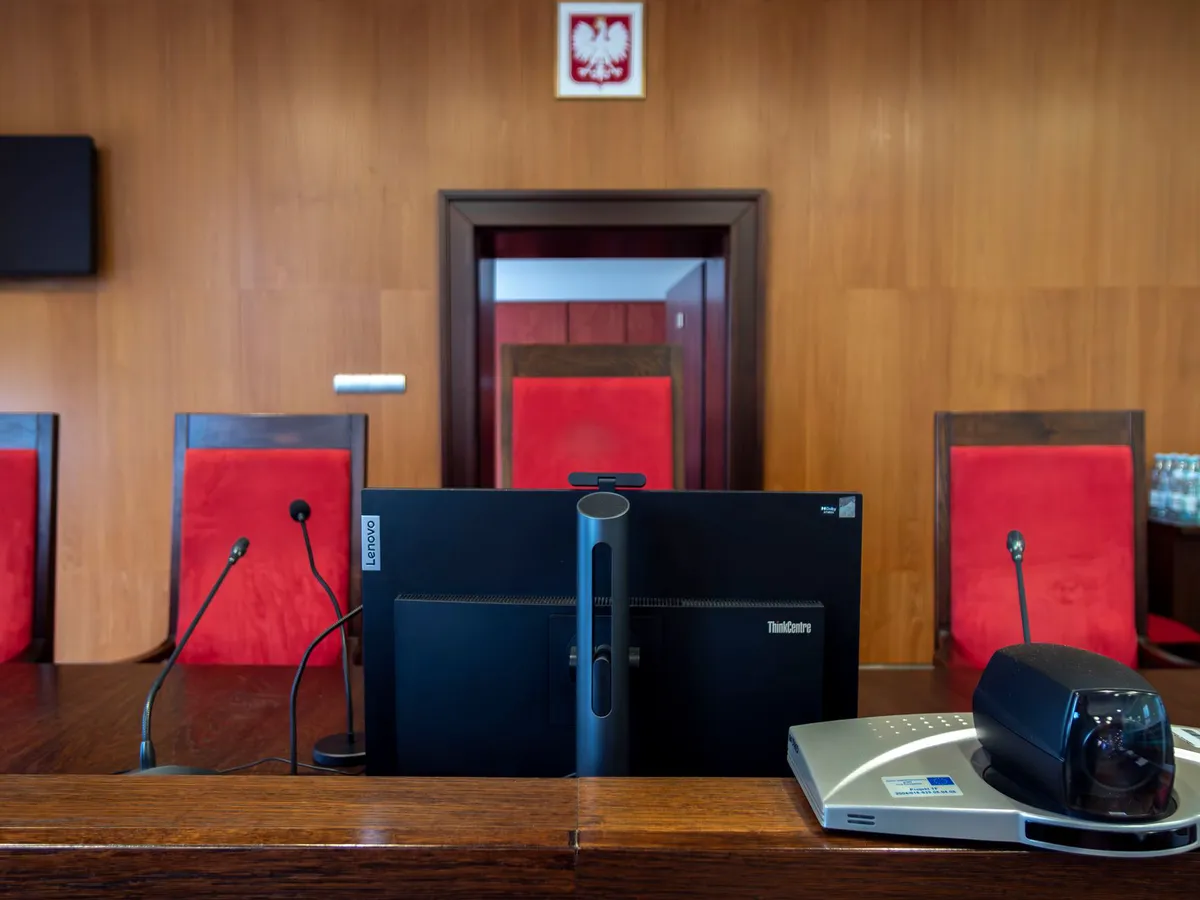
Nature of the Cyberattack
Details about the cyberattack on C-Track remain somewhat scarce, but reports indicate that the breach has affected several jurisdictions, leading to halted operations and delayed court proceedings. The attack is believed to be sophisticated, targeting vulnerabilities in the software to gain unauthorized access to sensitive data and disrupt service.
While Thomson Reuters is working diligently to address the issue and restore functionality, the immediate fallout has left many courts struggling to cope with backlogs and procedural delays. Some jurisdictions have resorted to manual processes, while others have postponed hearings entirely, underscoring the deep reliance on digital systems in modern court operations.
Impact on Legal Proceedings
The implications of this cyberattack extend far beyond the immediate technical challenges faced by courts. The disruptions can lead to significant delays in legal proceedings, affecting not only the courts but also attorneys, defendants, plaintiffs, and other stakeholders in the legal process. Key areas of impact include:
- Delayed Hearings: Many courts have had to postpone scheduled hearings, leading to uncertainty for those awaiting trial.
- Access to Justice: The attack may hinder access to legal recourse for individuals who rely on the court system to resolve disputes.
- Backlogged Cases: As courts struggle to resume normal operations, a backlog of cases is likely to develop, further complicating the judicial process.
- Increased Costs: Delays in legal proceedings can lead to increased costs for all parties involved, including potential additional legal fees and lost time.
Broader Implications for Cybersecurity in the Legal Sector
This incident serves as a wake-up call for the legal sector regarding the importance of robust cybersecurity measures. As technology continues to evolve, so too do the methods employed by cybercriminals. Law firms and court systems must prioritize their digital security to protect sensitive information and maintain the integrity of the judicial process.
Effective cybersecurity strategies include:
- Regular Security Audits: Conducting routine assessments of systems to identify and rectify vulnerabilities.
- Employee Training: Ensuring that all personnel are educated about cybersecurity risks and best practices.
- Data Encryption: Implementing strong encryption protocols to safeguard sensitive information.
- Incident Response Plans: Developing and regularly updating plans to respond effectively to potential breaches.
Key Takeaways
- The cyberattack on Thomson Reuters’ C-Track system has disrupted court operations in several jurisdictions.
- C-Track is essential for managing case information, and its failure can lead to significant delays and backlogs.
- This incident highlights the urgent need for improved cybersecurity measures within the legal sector.
- The implications of such attacks can affect access to justice and increase costs for legal stakeholders.
Frequently Asked Questions
What is C-Track, and why is it important?
C-Track is a case management system used by courts to streamline operations, manage case files, and improve efficiency. Its importance lies in its ability to facilitate timely legal proceedings and ensure access to justice by allowing courts to operate digitally.
What are the immediate effects of the cyberattack on courts?
The immediate effects include delayed hearings, disrupted operations, and potential backlogs of cases. Courts are facing challenges in resuming normal activities, leading to uncertainty for litigants and attorneys alike.
How can courts protect themselves from cyber threats in the future?
Courts can enhance their cybersecurity by conducting regular security audits, providing employee training on best practices, implementing strong data encryption, and establishing incident response plans to manage potential breaches effectively.
What should individuals do if their court cases are delayed due to the cyberattack?
Individuals impacted by delays should stay informed about their case status, consult with their attorneys for guidance, and be prepared to adjust their legal strategies as necessary. It is crucial to remain proactive in communication with legal representatives during these uncertain times.
This article is for informational purposes only and does not constitute legal advice.
Comments
Lessons from History: Parallels Between Vietnam and Modern Politics
Exploring the striking similarities between the Vietnam War's Tet Offensive and today's political landscape, this article examines public sentiment, leadership failures, and the consequences of historical ignorance.

Related articles






Popular in Business Law
- Supreme Court Justices' Financial Disclosures: A Closer Look
- Vishal Garg's Leadership Fallout: The Rise and Fall of Better.com
- Former Intelligence Official Faces Penalty for Post-Government Misconduct
- Blank Rome Faces Lawsuit After Major Data Breach Exposes Personal Information
- Congress Faces Reckoning Over Member-Staff Relationships