California Takes Legal Action Against Trump Administration Over Offshore Wind Deal
California Attorney General Rob Bonta has filed a lawsuit against the Trump administration after a controversial buyout of an offshore wind lease, which could hinder the state's clean energy progress.

In a bold move signaling its commitment to clean energy and environmental justice, California has filed a lawsuit against the Trump administration and Golden State Wind LLC over what it deems an unlawful buyout of an offshore wind-energy lease. This lawsuit, spearheaded by California Attorney General Rob Bonta and the California Energy Commission (CEC), accuses the federal government of engaging in a backroom deal that not only undermines California's ambitious climate goals but also jeopardizes thousands of jobs in the burgeoning offshore wind sector.
The case highlights a significant clash between state interests in renewable energy and federal policies favoring fossil fuels, which could have lasting implications for California's economy and environmental landscape.
Background: Offshore Wind Energy in California
California has long been at the forefront of the clean energy movement, driven by ambitious legislative goals aimed at reducing greenhouse gas emissions and transitioning to renewable energy sources. The state’s strategic energy plan sets forth a target of generating 25 gigawatts of offshore wind power by 2045, enough to power approximately 25 million homes and contribute about 13% of the state’s electricity supply.
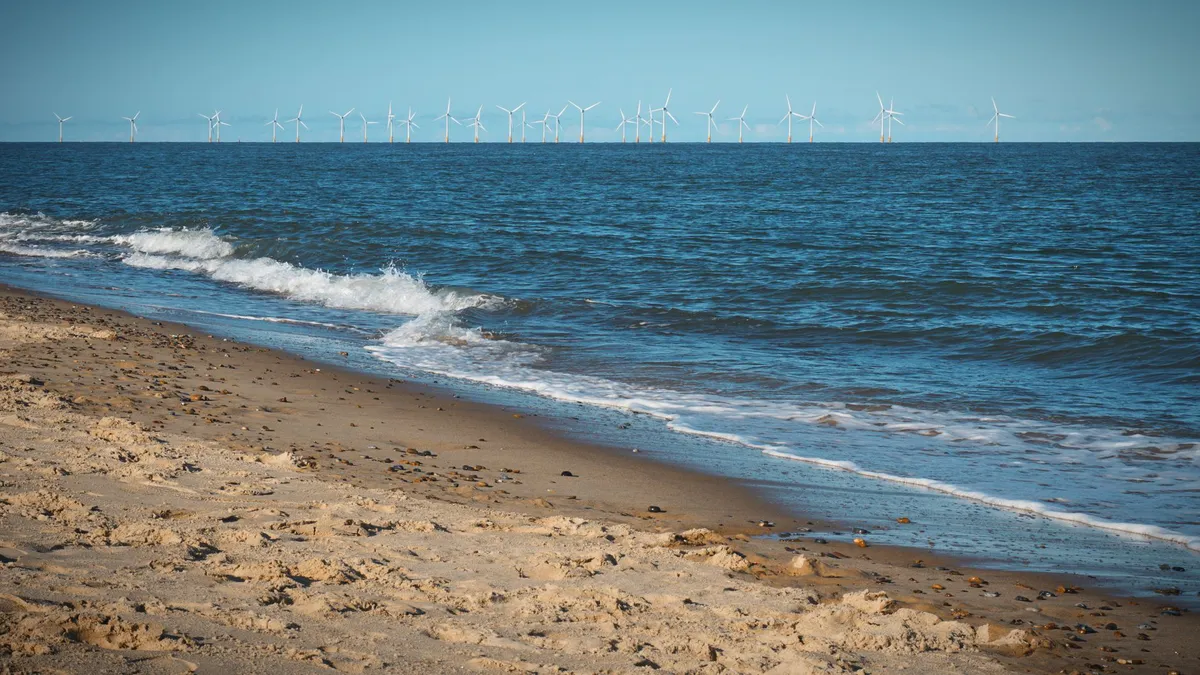
Offshore wind energy is particularly attractive for California due to the state’s extensive coastline and strong, consistent winds. The development of this industry is expected to create local manufacturing jobs and stimulate economic growth, particularly in coastal regions such as Long Beach and Humboldt, where infrastructure for staging and assembling wind turbines is being developed.
The Golden State Wind Lease
The lease in question, originally granted to Golden State Wind LLC, represented a significant step forward for California’s offshore wind industry. However, in a controversial turn of events, the Trump administration intervened to facilitate a $120 million buyout of this lease, purportedly to redirect efforts towards fossil fuel projects. This move, according to Bonta, not only abandoned California's clean energy investments but also benefited the administration's ties with the oil and gas industry.
The Lawsuit: Key Allegations and Implications
The lawsuit outlines several critical allegations regarding the legality and implications of the buyout deal. The central claim is that the U.S. Department of the Interior violated federal law by reallocating taxpayer funds to pay Golden State Wind to abandon its lease. The funds are required to be reinvested in out-of-state fossil fuel projects, which critics argue do little to advance California's economic interests.
In its filing, the state asserts that the deal poses a direct threat to California's clean energy goals, claiming that canceling the lease could lead to the loss of more than 174,750 jobs and stifle critical infrastructure investments. Moreover, the lawsuit calls for an injunction to prevent the fulfillment of the buyout agreement, emphasizing the need to protect California's investments in renewable energy.
Potential Economic Consequences
The economic ramifications of this legal battle could be substantial. If the lawsuit succeeds, it could pave the way for the revival of the offshore wind projects that are expected to provide reliable, clean energy to Californians while creating thousands of jobs. Conversely, if the Trump administration's actions are upheld, California may face significant setbacks in its clean energy transition, ultimately costing the state both jobs and investment.
The Broader Context: Federal vs. State Energy Policies
This legal dispute is emblematic of the broader conflict between federal and state energy policies, particularly under the Trump administration, which has been criticized for prioritizing fossil fuel development over renewable energy initiatives. California, with its progressive environmental policies, has consistently pushed back against federal regulations perceived as detrimental to its climate goals.
The outcome of this lawsuit could set a significant precedent regarding the extent of federal power in state-level energy matters. A ruling in favor of California might reinforce the state’s authority to pursue its clean energy agenda without federal interference, while a ruling in favor of the Trump administration could embolden similar actions in the future, potentially stifling state-led renewable initiatives across the country.
Key Takeaways
- California's lawsuit against the Trump administration aims to challenge a $120 million buyout of an offshore wind lease, claiming it undermines clean energy goals.
- The state asserts that canceling the lease could cost over 174,750 jobs and significant investments in infrastructure.
- A ruling in favor of California could fortify its clean energy agenda, while a ruling against it may hinder future renewable projects.
- The case illustrates the ongoing tension between state and federal energy policies regarding fossil fuels and renewable energy.
Frequently Asked Questions
What are the main allegations in California's lawsuit?
The lawsuit primarily alleges that the Trump administration unlawfully facilitated a buyout of the offshore wind lease, violating federal laws by reallocating taxpayer dollars to benefit Golden State Wind LLC and promote fossil fuel projects outside California. This action is argued to jeopardize the state’s clean energy investments and economic growth.
How might this lawsuit impact California's job market?
If the lawsuit succeeds, California could retain thousands of jobs tied to the offshore wind industry, as the projects would likely continue. Conversely, if the buyout remains in effect, the state may face significant job losses and hindered economic development, particularly in coastal communities reliant on the offshore wind sector.
What is the significance of offshore wind energy for California?
Offshore wind energy is crucial for California as it represents a significant opportunity to diversify energy sources and meet ambitious climate goals. The state aims to generate substantial clean energy from offshore wind, which is expected to play a vital role in reducing greenhouse gas emissions, enhancing energy reliability, and fostering economic growth through job creation.
What are the potential long-term effects of this legal battle?
The outcomes of this lawsuit could set important legal precedents regarding the extent of federal authority over state energy initiatives. A ruling favoring California could empower states to pursue aggressive clean energy policies independently, while a ruling favoring the federal government could embolden similar actions that could stifle state-level renewable energy efforts across the nation.
_This content is general information and not legal advice._
Comments
Iceland Halts EU Membership Talks Amid Domestic Concerns
Iceland has decided against restarting EU membership negotiations, reflecting a complex mix of national identity and economic considerations. As the nation grapples with its future, the recent referendum reveals a divided populace weighing the benefits of EU integration against the desire to maintain sovereignty over key industries like fisheries.

Related articles

Popular in Business Law
- Supreme Court Justices' Financial Disclosures: A Closer Look
- Vishal Garg's Leadership Fallout: The Rise and Fall of Better.com
- Former Intelligence Official Faces Penalty for Post-Government Misconduct
- Blank Rome Faces Lawsuit After Major Data Breach Exposes Personal Information
- Congress Faces Reckoning Over Member-Staff Relationships