Iceland Halts EU Membership Talks Amid Domestic Concerns
Iceland has decided against restarting EU membership negotiations, reflecting a complex mix of national identity and economic considerations. As the nation grapples with its future, the recent referendum reveals a divided populace weighing the benefits of EU integration against the desire to maintain sovereignty over key industries like fisheries.

The recent decision by Iceland to forgo restarting negotiations with the European Union (EU) underscores a pivotal moment in the nation’s history, balancing the scales between national sovereignty and economic integration. As Icelandic voters weighed their options in a closely watched referendum, the results revealed a nation divided — with 53% opposing EU membership and 47% favoring it. This split reflects deeper concerns about fisheries management, national independence, and the geopolitical landscape shaped by global powers.
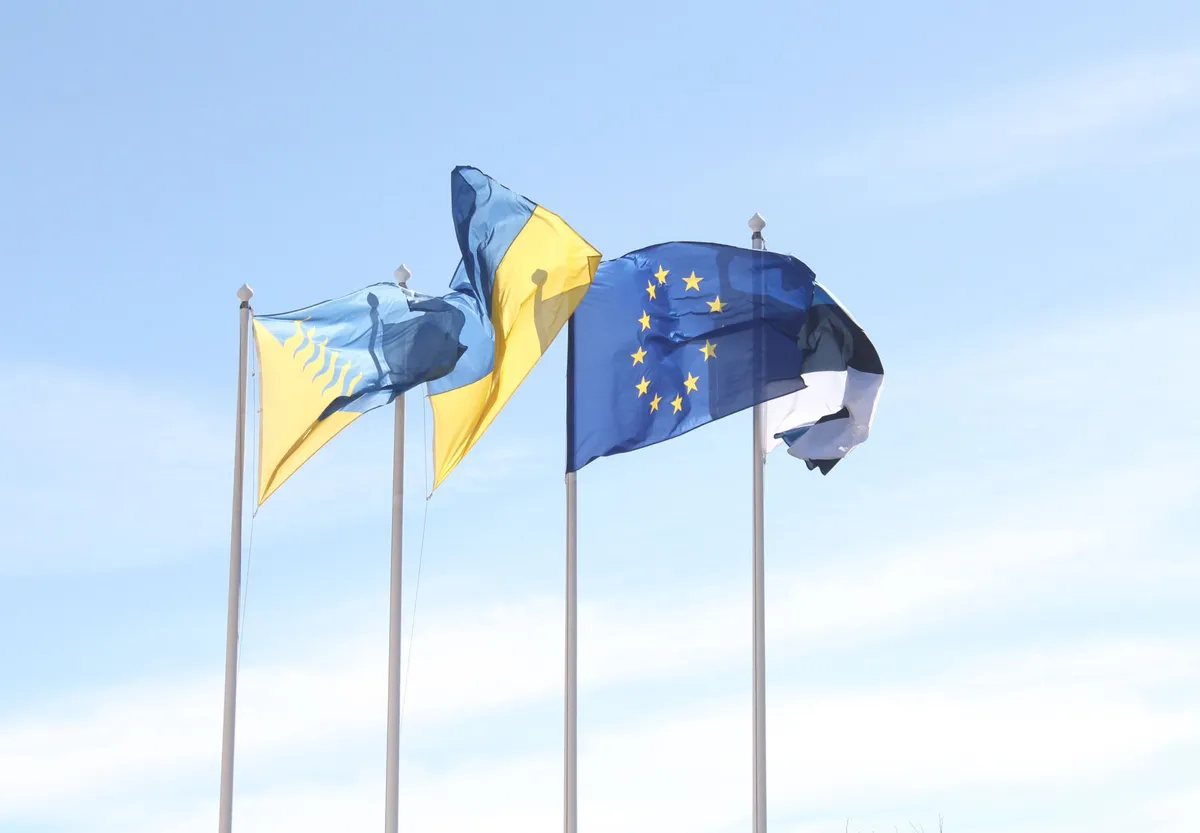
Prime Minister Kristrún Frostadóttir acknowledged the narrow margin, emphasizing the importance of respecting differing opinions while suggesting a path forward that involves reaffirming existing agreements with the EU. The referendum, which concluded recently, has sparked significant debate among Icelanders, particularly about how EU policies may impact their robust fishing industry, a sector critical to the nation's economy.
Context of the Referendum
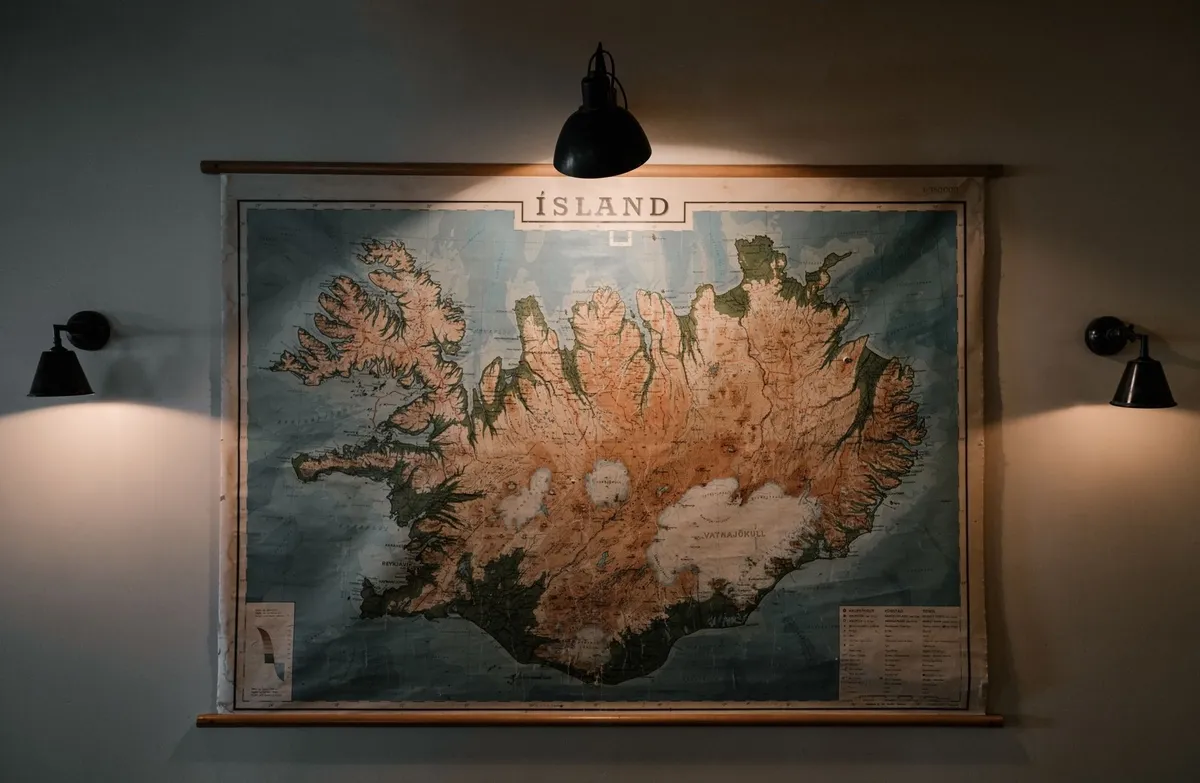
The backdrop to this referendum is multifaceted. Iceland, an island nation approximately the size of Kentucky, stands at a strategic geographical crossroads known as the Greenland-Iceland-United Kingdom (GIUK) gap. This location has significant military and economic implications, especially in light of recent U.S. geopolitical maneuvers, including President Donald Trump’s interest in Greenland. Observers note that the U.S. has maintained a military presence in Iceland since 1951, a relationship now viewed with skepticism as concerns about American foreign policy grow.
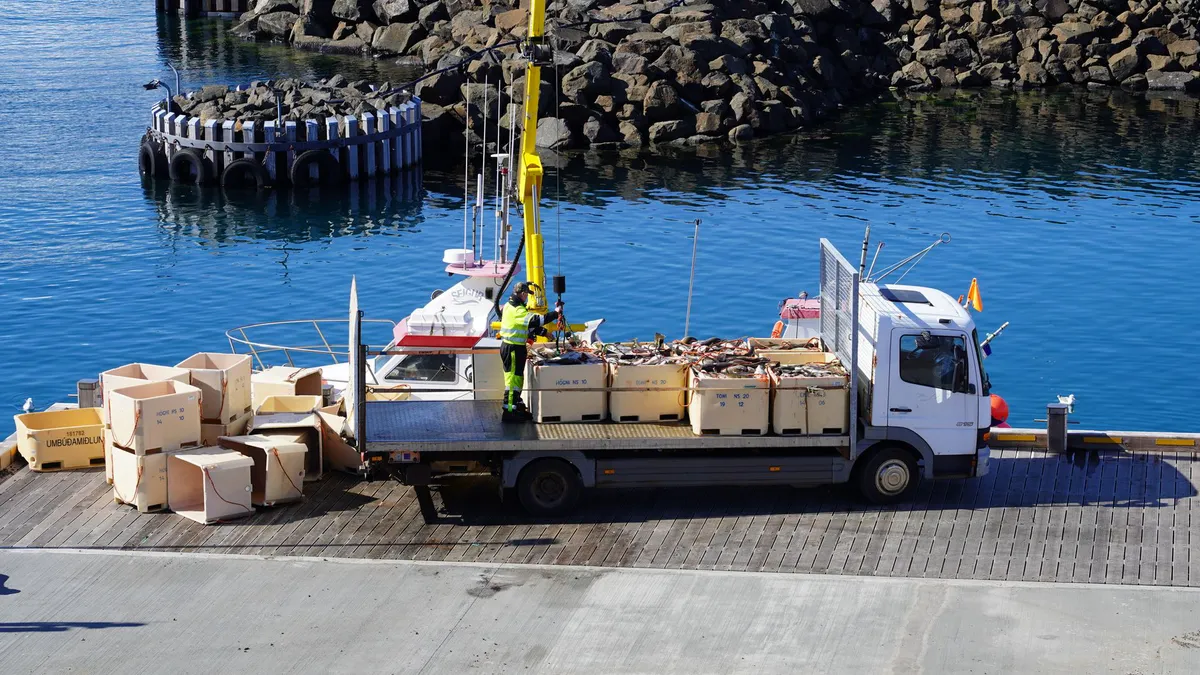
In 2009, following a near state bankruptcy during the 2008 financial crisis, Iceland entered into EU membership discussions, which were put on hold in 2013 as the nation experienced a remarkable economic recovery driven primarily by a tourism boom. However, the pause was also influenced by Icelanders' apprehension over EU regulations, especially concerning fisheries — a sector that constitutes nearly 40% of the nation’s exports.
The Fisheries Debate
At the heart of the EU membership debate lies the contentious issue of fisheries management. Iceland has long maintained its fishing zones under national jurisdiction, resisting EU proposals that would require shared control or common fishing policies. Local politicians have articulated a firm stance: they will not cede authority over Iceland’s rich marine resources, regardless of the referendum's outcome.
Many Icelanders, like Kristín Guðjónsdóttir from Reykjavík, find themselves torn between two competing narratives. While some advocate for the potential economic benefits of EU membership, others express concern for the implications it would have on their national identity and autonomy. Guðjónsdóttir, who voted in favor of the referendum, highlighted her desire to explore the benefits of EU membership for future generations, particularly for her young son.
- 53% of voters opposed EU membership, while 47% favored it.
- Fishing accounts for 40% of Iceland's exports.
- Iceland has a population of approximately 400,000.

National Identity and Autonomy
The referendum has also brought to the fore Iceland's complex relationship with its national identity. Following centuries of struggle for independence from Denmark, which was fully realized in 1944, many Icelanders view their sovereignty as non-negotiable. Political analyst Eirikur Bergmann of Bifröst University articulated this sentiment, emphasizing that the question of EU membership is fundamentally an existential one for the nation. The desire to assert autonomy while simultaneously seeking recognition as an equal player in the international community creates a paradox for Iceland’s political landscape.
As the debate continues, a consensus emerges among both sides of the referendum: the need to protect and develop Iceland’s economy amidst challenges such as high interest rates and inflation. However, the fishing policy remains a sticking point, with misinformation and domestic campaigns complicating the public discourse.
Looking Forward: A Cautious Approach
Despite the referendum's outcome, the Icelandic government has committed to respecting the views of both supporters and opponents of EU membership. Prime Minister Frostadóttir's remarks suggest a willingness to engage in constructive dialogue moving forward. While the immediate future seems to favor maintaining the status quo, the murky waters of international relations and domestic policy will undoubtedly influence future discussions.
As the EU increases its focus on the Arctic region, particularly concerning Greenland, Iceland's strategic importance is likely to grow. The potential for greater economic integration with Europe remains a topic of debate, but significant hurdles must be overcome, especially regarding fisheries and the preservation of national identity.
Key Takeaways
- The recent referendum revealed a divided Iceland, with a slight majority against EU membership.
- The fishing industry, crucial to Iceland's economy, remains a central concern in discussions about EU integration.
- The question of national identity and autonomy continues to play a significant role in Iceland's political landscape.
- Future discussions about EU relations will likely involve careful consideration of both economic benefits and national interests.
Frequently Asked Questions
What are the main reasons Icelanders are opposed to EU membership?
Opposition to EU membership in Iceland primarily stems from concerns over the fishing industry, which is vital to the nation’s economy. Many Icelanders fear that EU regulations would undermine their control over fishing zones, leading to potential economic repercussions. Additionally, there is a strong sentiment regarding national sovereignty, with historical struggles for independence influencing public opinion.
How does Iceland interact with the EU without being a member?
Iceland is already integrated into the EU framework through its participation in the European Economic Area (EEA) and the Schengen Area. This allows Iceland to engage in free movement of people and goods with EU member states while maintaining certain national controls over key industries, such as fisheries.
What implications does this decision have for Iceland's international relations?
The decision to halt EU membership talks may solidify Iceland's current alliances, particularly with the U.S. and NATO. However, it may also position Iceland as a more independent actor within the geopolitical landscape of the Arctic, especially as tensions between the U.S. and EU over regions like Greenland intensify.
What’s next for Iceland in terms of EU relations?
Going forward, Iceland will likely focus on strengthening existing agreements with the EU while navigating the complexities of its economic needs and national identity. The government may initiate discussions aimed at addressing public concerns about EU policies, particularly those related to fisheries, while also considering the broader implications of international relations and security.
This content is general information and not legal advice.
Comments
California Takes Legal Action Against Trump Administration Over Offshore Wind Deal
California Attorney General Rob Bonta has filed a lawsuit against the Trump administration after a controversial buyout of an offshore wind lease, which could hinder the state's clean energy progress.

Related articles
Popular in Business Law
- Supreme Court Justices' Financial Disclosures: A Closer Look
- Vishal Garg's Leadership Fallout: The Rise and Fall of Better.com
- Former Intelligence Official Faces Penalty for Post-Government Misconduct
- Blank Rome Faces Lawsuit After Major Data Breach Exposes Personal Information
- Congress Faces Reckoning Over Member-Staff Relationships