Economic Ripple Effects: Winners and Losers Six Months into the Iran War
Six months into the Iran war, the expected global economic catastrophe has not materialized as predicted. This article explores the winners and losers amid shifting market dynamics and consumer impacts.
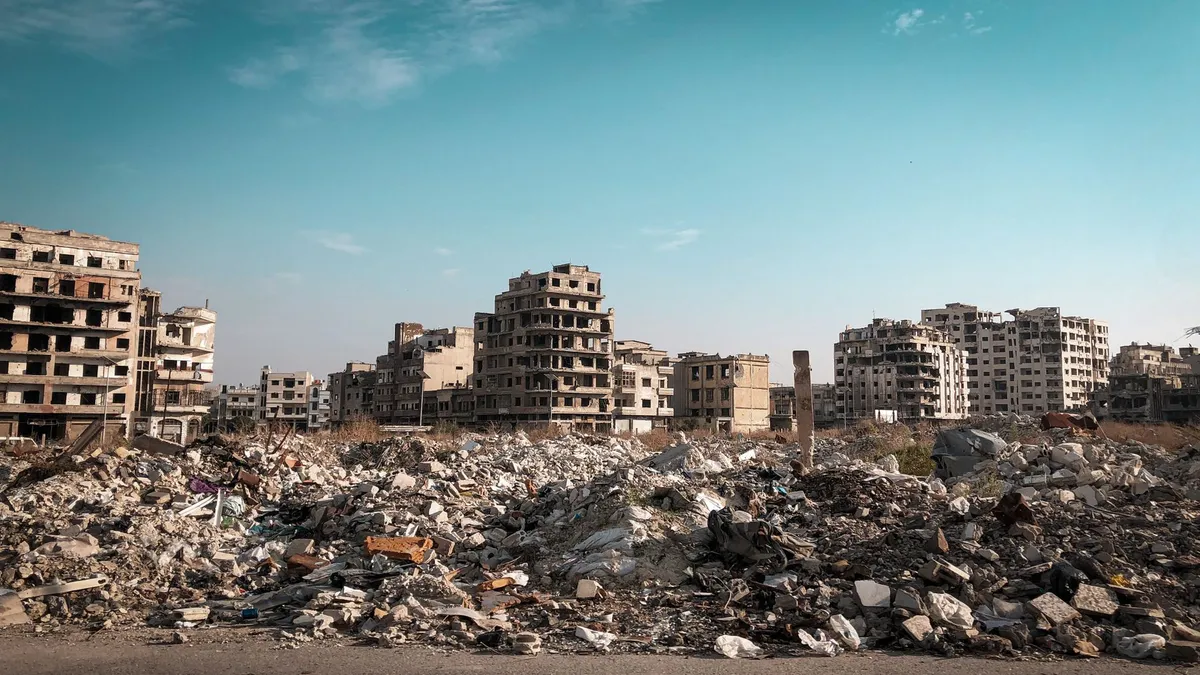
As the United States and Israel continue their military operations against Iran, the economic impact has been profound yet uneven. When the conflict erupted, experts forecasted catastrophic outcomes: skyrocketing oil prices, a global recession, and widespread economic turmoil. However, six months into the war, it appears that the most dire predictions have not fully come to fruition. While no region of the world’s economy remains untouched, the financial landscape has shifted in unexpected ways, revealing both winners and losers in this ongoing crisis.
Investment strategist Michael Ashley Schulman characterized the current economic climate as a remarkable feat of resilience, likening it to the financial equivalent of a “Mission Impossible” scenario. His perspective highlights how various sectors have adapted, with some thriving while others face significant challenges. Let’s delve deeper into the complexities of this situation and identify who is benefiting and who is suffering in the aftermath of the conflict.

Investors Who Stayed the Course
The initial days of the Iran war sent shockwaves through financial markets, creating a climate of uncertainty that typically drives investors to retreat. The immediate aftermath saw oil prices surge dramatically, contributing to market declines that lasted several weeks. The Dow Jones Industrial Average, Nasdaq, and S&P 500 indices all faced substantial corrections, with the S&P recording its worst month since 2022.
However, as the situation stabilized, those investors who resisted the urge to panic found themselves rewarded. Since hitting a low in late March, the Dow has surged nearly 19%, the S&P has climbed almost 22%, and the Nasdaq has gained an impressive 27%. Should these trends continue, 2026 could mark the fourth consecutive year of gains for all three indices. This rebound illustrates how strategic long-term investment can yield positive results even in times of geopolitical strife.
Market Resilience Amid Geopolitical Tension
The International Monetary Fund noted in a July report that the global economy is currently influenced by two opposing forces: the strain caused by the war and the optimism surrounding advancements in artificial intelligence. While consumers are feeling the pinch from rising prices at the pump and in grocery stores, Wall Street appears largely unfazed.

The Struggles of Travelers and Consumers
On the flip side, the war has inflicted significant pain on those who rely on transportation. The conflict has severely disrupted oil tanker movements through the Strait of Hormuz, causing Brent crude prices to soar from approximately $72 per barrel to nearly $120. Although prices have since eased, they remain about 20% higher than before the war began, affecting nearly every sector of the economy.
Air travel has been particularly hard hit. According to the International Air Transport Association, jet fuel prices are expected to average 70% higher in 2025 compared to pre-war levels. Airlines have responded by increasing ticket prices, implementing baggage fees, and adding fuel surcharges while simultaneously reducing flight schedules. For instance, Lufthansa Group announced cuts to 20,000 short-haul flights, and budget airline Spirit Airlines has faced operational challenges that have led to significant service reductions.
Decreased Options for Consumers
“The likelihood that fuel surcharges are going to be rolled back and airfares are going to be brought down is very low over the next few months,” noted economist Brett House. This reduced competition and diminished flight choices have left consumers with fewer options and higher costs.

A Surge in Clean Energy Initiatives
In the face of rising fuel prices and disrupted oil supplies, the war has inadvertently bolstered arguments for clean energy solutions. The demand for electric vehicles (EVs) has seen remarkable growth, with some regions recording astounding year-over-year increases. For instance, Singapore reported a 110% rise in EV sales, New Zealand saw a 180% increase, and Colombia experienced a staggering 300% growth in EV adoption.
Globally, EVs are projected to account for 29% of total vehicle sales by 2026, up from 25% last year, according to the International Energy Agency. Countries heavily reliant on Persian Gulf oil are now accelerating their efforts to invest in renewable energy sources and exploring nuclear power options. In Southeast Asia, for example, leaders are prioritizing renewable energy deployment, while African nations are pushing for expanded domestic refining capabilities and the installation of solar panels.
Investment Spurred by Crisis
Scott Lehmann, a supply chain expert, noted that 26 countries and regions have unveiled clean energy initiatives in response to the war. “The crisis is forcing investment faster than any policy framework would have,” he stated, emphasizing how immediate needs can drive innovation and shift market dynamics.

Food Security at Risk
While some sectors flourish in the wake of the conflict, the war’s impact on global food security cannot be overlooked. Fertilizer production, heavily reliant on resources from the Gulf region, has been severely disrupted. As farmers prepared for planting season, fertilizer prices soared, peaking at 44% higher than pre-war levels, according to the World Bank.
This spike in costs has forced many farmers to reduce their fertilizer usage, jeopardizing future harvests. Arif Gasilov, a natural resources expert, warned that cutting back on fertilizer now is akin to borrowing against future soil health. The United Nations World Food Programme has raised alarms that tens of millions could be pushed into hunger due to the consequences of rising fuel and fertilizer costs.
Direct Consequences of War
In a stark statement, Carl Skau, the acting executive director of the WFP, noted that “an oil tanker anchored in the Strait of Hormuz can mean one less meal a day for a child in Sudan.” As oil prices rise, so too do the costs of essential food staples such as flour, rice, and vegetables, creating a cascading effect that disproportionately impacts the world’s most vulnerable populations.
Profits for Military Contractors
Amid these turbulent economic shifts, one notable group has emerged as beneficiaries: military contractors. The war has already cost the U.S. billions and impacted countless lives in Iran, but the financial implications for certain U.S. businesses are substantial. For example, Powerus, a military contractor linked to the Trump family, received an Air Force contract worth up to $90 million to provide interceptors for drones. Furthermore, Don Trump Jr.'s private equity firm has stakes in multiple military suppliers profiting from the ongoing conflict.
Additionally, the president's investment portfolio has reportedly seen significant gains from shares in military suppliers such as Lockheed Martin and Northrop Grumman, with estimates suggesting an increase of up to $15.5 million in holdings related to oil and gas stocks. A spokeswoman for 1789 Capital has maintained that there are no conflicts of interest, insisting that the Trump family acts in the best interests of the American public.
Political Implications
While the Trump family's financial interests may have benefited from the war, the broader political implications remain uncertain. As discontent over the conflict grows among voters, its unpopularity could impact the political landscape as midterm elections approach.
Key Takeaways
- Investors who remained steady through market turbulence have seen substantial gains.
- Travelers and consumers are facing increased costs due to soaring oil and fuel prices.
- Clean energy initiatives have gained momentum as a response to the war's economic impact.
- Food security is at risk, with rising fertilizer prices threatening agricultural output.
- Military contractors are experiencing significant profits amid the ongoing conflict.
Frequently Asked Questions
What are the long-term economic implications of the Iran war?
The long-term economic implications of the Iran war are still unfolding. While immediate concerns include rising oil prices and their impact on consumers and businesses, the conflict may accelerate shifts towards clean energy and alternative solutions. Additionally, the military-industrial complex is likely to see sustained profits, influencing future U.S. foreign policy and spending priorities.
How have consumers been affected by rising oil prices?
Consumers have faced significant challenges due to rising oil prices, which have led to increased transportation costs. Airlines have raised ticket prices, and many industries reliant on fuel have passed on costs to consumers. These increases can strain household budgets, especially for lower-income families, making basic necessities like food and travel more expensive.
What steps are being taken to address food security issues?
Addressing food security issues amid rising fertilizer prices involves a multi-faceted approach. Governments and organizations are working to provide support for farmers, including financial aid and resources to maintain soil health. Additionally, initiatives to promote sustainable agricultural practices and alternative fertilizers are being explored to mitigate the impact of rising costs on food production.
What role does clean energy play in the current economic climate?
Clean energy has gained significant traction in the current economic climate as consumers and governments seek alternatives to fossil fuels. The war has highlighted the vulnerabilities associated with oil dependency, prompting investments in renewable energy sources and electric vehicles. This shift could lead to long-term changes in energy consumption patterns and infrastructure development, potentially reshaping global energy markets.
This content is general information and not legal advice.
Comments
California Takes Legal Action Against Trump Administration Over Offshore Wind Deal
California Attorney General Rob Bonta has filed a lawsuit against the Trump administration after a controversial buyout of an offshore wind lease, which could hinder the state's clean energy progress.

Related articles

Popular in Business Law
- Supreme Court Justices' Financial Disclosures: A Closer Look
- Vishal Garg's Leadership Fallout: The Rise and Fall of Better.com
- Former Intelligence Official Faces Penalty for Post-Government Misconduct
- Blank Rome Faces Lawsuit After Major Data Breach Exposes Personal Information
- Congress Faces Reckoning Over Member-Staff Relationships