Norway Mourns King Harald V: A Transition to a New Era
The passing of King Harald V has sparked a wave of national mourning in Norway, as the public pays tribute to a beloved monarch. This article explores the implications of his death and the ascension of Crown Prince Haakon to the throne.

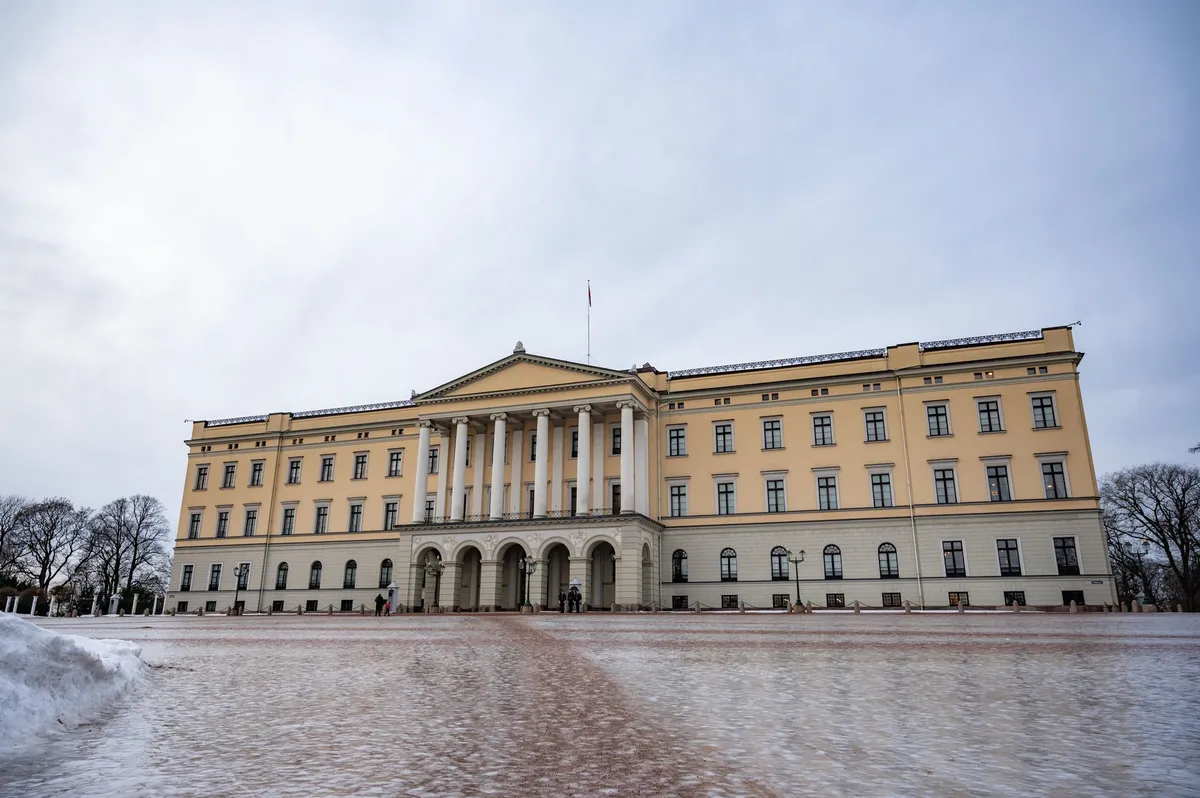
In Oslo, the air is heavy with sorrow as tens of thousands of Norwegians gather to pay their last respects to King Harald V, who passed away at the age of 89. The royal palace, a beloved symbol of Norwegian heritage, has been transformed into a shrine of remembrance, with mourners laying down flowers and heartfelt condolence cards in a massive display of grief. The death of King Harald V marks not just the loss of a revered monarch, but the beginning of a new chapter in Norway's royal history.
As the sun sets on the life of King Harald, who reigned for over three decades, the spirit of unity and respect for the monarchy is palpable throughout the country. People from all walks of life have come together, filling Slottsplassen, the square outside the royal palace, with vibrant floral tributes. A sense of intimacy fills the air as individuals share personal stories and memories of how the king influenced their lives. "It’s special, intimate, and lovely. I’m placing my right hand on my chest in gratitude to him and the royal family," expressed Roni Ervik, who was paying tribute not only for himself but also on behalf of his family.
A Legacy Remembered
Harald V’s reign was characterized by a commitment to modernizing the Norwegian monarchy while maintaining the traditions that shaped its identity. Born on February 21, 1937, he ascended to the throne on January 17, 1991, following the death of his father, King Olav V. During his tenure, he became a beloved figure, known for his approachable manner and dedication to social causes. His legacy is deeply intertwined with Norway's national identity, which is rooted in a rich history dating back to the Viking Age. In fact, Harald V was a direct descendant of King Harald Fairhair, the first king of Norway.
King Harald's popularity was also bolstered by his genuine connection with the Norwegian people. He often participated in national events and was known for his ability to relate to the concerns of ordinary citizens. His role, while largely ceremonial, was essential in fostering a sense of national unity, especially during challenging times.

The Transition of Power
Following the king's passing, his son, Crown Prince Haakon, has ascended to the throne as King Haakon VIII. This transition is steeped in both historical significance and contemporary challenges. Haakon, now 53, has been well-prepared for his royal responsibilities, having stepped in for his father during periods of illness. He carries with him the motto “All for Norway,” a phrase that echoes the values of service and commitment that have defined the monarchy.
Haakon's wife, Mette-Marit, now becomes Queen, and their eldest child, Ingrid Alexandra, is positioned as the crown princess and future heir. As the new king, Haakon’s responsibilities will extend beyond ceremonial duties; he will need to address various challenges, including recent controversies that have surrounded the royal family.

Challenges Ahead for King Haakon VIII
As Haakon prepares to lead the monarchy into a new era, he faces the task of reinforcing public support, particularly in light of controversies surrounding his wife’s past associations. Mette-Marit’s connections to deceased sex offender Jeffrey Epstein have raised eyebrows, and her son’s conviction for rape has stirred further scrutiny. Navigating these issues will be critical for King Haakon as he seeks to maintain the relevance of the monarchy in contemporary Norwegian society.
In addition to addressing these challenges, Haakon is expected to emphasize the monarchy’s role in promoting Norway on the global stage. As a nation celebrated for its wealth and high quality of life, Norway’s royal family plays a significant part in diplomatic relations and cultural representation.
The Nation in Mourning
As Norway officially enters a period of mourning, the collective grief is evident across the country. Many citizens have postponed celebrations, including weddings and baptisms, out of respect for the late king. Churches and city halls opened their doors for people to light candles and write in condolence books, providing spaces for reflection and remembrance.
A funeral date has yet to be announced, but the royal family is expected to hold a ceremony that honors King Harald’s life and legacy. The public’s reaction to this transition has been overwhelmingly supportive, with many expressing hope that the monarchy will continue to evolve while holding onto the values that have made it a cherished institution.
Understanding the Monarchy's Role in Modern Norway
The Norwegian monarchy, established in the 9th century, has played a significant role in shaping the nation’s identity. Its restoration in 1905, following Norway's independence from Sweden, was overwhelmingly supported by the public, with three-quarters of voters backing the decision in a national plebiscite. Today, the monarchy is largely symbolic, with actual power residing in an elected parliamentary system. Nevertheless, the royal family holds considerable cultural significance, often serving as a unifying force during national events and crises.
In a modern context, the monarchy must adapt to changing societal values and expectations. This includes addressing issues of transparency, accountability, and relevance in a democratic society. King Haakon VIII's leadership will be closely scrutinized as he navigates these complexities while honoring the traditions established by his father.
Key Takeaways
- King Harald V: Passed away at 89, leaving a legacy of modernization and connection with the people.
- Royal Transition: Crown Prince Haakon ascends as King Haakon VIII, carrying forward the motto “All for Norway.”
- Challenges Ahead: King Haakon faces scrutiny over past controversies involving his family.
- National Mourning: Norway observes a period of mourning, with public tributes and postponed celebrations.
- Monarchy's Role: The monarchy remains a symbolic institution in Norway, contributing to national identity and unity.
Frequently Asked Questions
What will happen to the monarchy following King Harald V's death?
The monarchy will continue under the new reign of King Haakon VIII. As the head of state, he will carry out ceremonial duties while addressing contemporary challenges, including public perception and family controversies. The royal family’s role in promoting Norway abroad will also be a focus of his leadership.
Why is there a period of mourning in Norway?
Norway has entered a period of mourning to honor the late King Harald V, acknowledging his contributions to the nation and allowing the public to reflect on his legacy. This mourning period also provides an opportunity for citizens to unite in their shared grief and support for the monarchy.
How does the monarchy function in modern Norway?
The Norwegian monarchy is largely ceremonial, with real political power residing in an elected parliament. However, the royal family plays an important role in cultural representation and national unity, often participating in significant state events and engaging with the public.
What challenges does King Haakon VIII face as the new king?
King Haakon VIII faces several challenges, including addressing past controversies involving his wife and son, fostering public support for the monarchy, and maintaining the institution's relevance in a modern democratic society. His leadership will be closely observed as he navigates these issues while honoring the traditions established by his father.
This content is general information and not legal advice.
Comments
Essential SEO Strategies for Law Firms: Avoiding Common Pitfalls
In the digital age, SEO is crucial for law firms to attract clients. This article explores common SEO mistakes attorneys make and offers actionable strategies to optimize their online presence.

Related articles





Popular in Business Law
- Supreme Court Justices' Financial Disclosures: A Closer Look
- Vishal Garg's Leadership Fallout: The Rise and Fall of Better.com
- Former Intelligence Official Faces Penalty for Post-Government Misconduct
- Blank Rome Faces Lawsuit After Major Data Breach Exposes Personal Information
- Congress Faces Reckoning Over Member-Staff Relationships