Hawaii Supreme Court Ruling Bars Tommy Waters from Third Term
The Hawaii Supreme Court has ruled that Honolulu City Council Chair Tommy Waters is ineligible to run for a third consecutive term, impacting the upcoming election and raising questions about term limits.
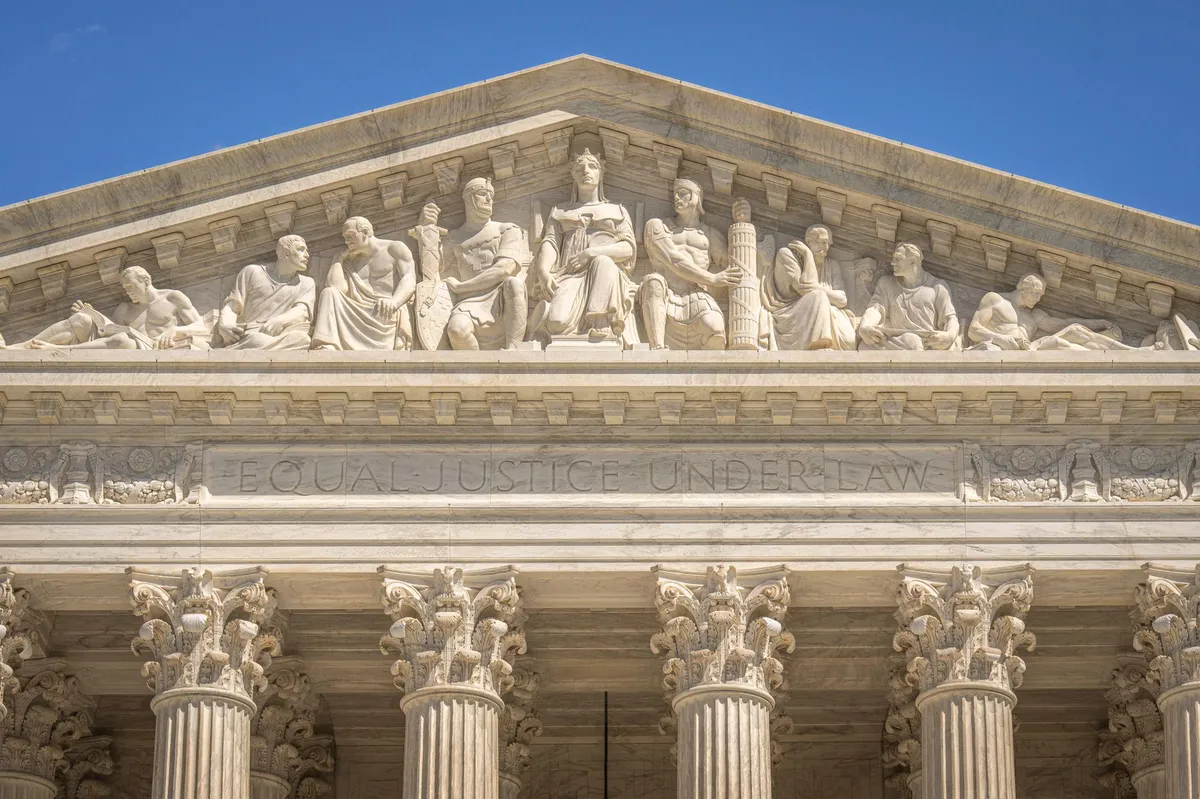
The political landscape of Honolulu has shifted dramatically following a recent ruling by the Hawaii Supreme Court, which has barred City Council Chair Tommy Waters from seeking a third consecutive term. The decision, delivered by a narrow 3-2 margin, underscores the complexities surrounding election law and term limits in the state, leaving voters, candidates, and legal experts grappling with its implications.
Waters, who was initially elected to represent East Oahu in 2019, found himself in a contentious legal battle over his eligibility to run in the upcoming November election. The court's ruling is pivotal, not only for Waters but also for the future of governance in Honolulu, as it reaffirms the importance of adhering to established term limits designed to promote democratic representation and prevent entrenched political power.
Understanding the Ruling: A Closer Look at the Court's Decision
The crux of the Supreme Court's decision lies in the interpretation of the Honolulu City Charter, specifically its provision regarding term limits. Justice Lisa Ginoza, writing for the majority, emphasized that Waters' election in 2019 constitutes his first four-year term, despite the fact that he took office months after the term officially began. This interpretation aligns with the charter's intent, which is to ensure that councilmembers do not serve beyond the stipulated two consecutive terms.
The Majority Opinion
In her majority opinion, Justice Ginoza articulated that the term limit is not contingent upon the actual time served in office, but rather on the number of terms an individual has been elected to. She clarified that Waters was not filling a vacancy but was elected to a full term, thus counting towards the limit.
Her reasoning was grounded in the historical context of the term limit's establishment, aimed at fostering a system of citizen legislators who can bring fresh perspectives to the council. The ruling reinforces that if exceptions were made based on the timing of swearing-in ceremonies, it could lead to a slippery slope where any councilmember could manipulate their term count by delaying their oath of office.
The Dissenting Viewpoint
However, the dissenting opinion, led by Acting Chief Justice Sabrina McKenna, posited that Waters' 2019 election should be viewed differently. They argued it was a response to the invalidation of the previous election due to voting irregularities, suggesting that Waters had only been elected to fill a vacancy. This interpretation would mean that he is eligible to run for another term.
Implications of the Ruling
The implications of the court's decision are far-reaching. For Waters, it means he will not appear on the ballot in November, a significant blow to his political aspirations. For the voters in District IV, it narrows their choices in an election that will now feature only two candidates: Trevor Ozawa and Tara Malia Gregory, both of whom are vying for the seat.
The ruling also raises critical questions about the nature of term limits and the legal framework governing elections in Hawaii. The ongoing legal disputes surrounding Waters' eligibility are a reminder of how closely contested political races can lead to prolonged battles in the courts.
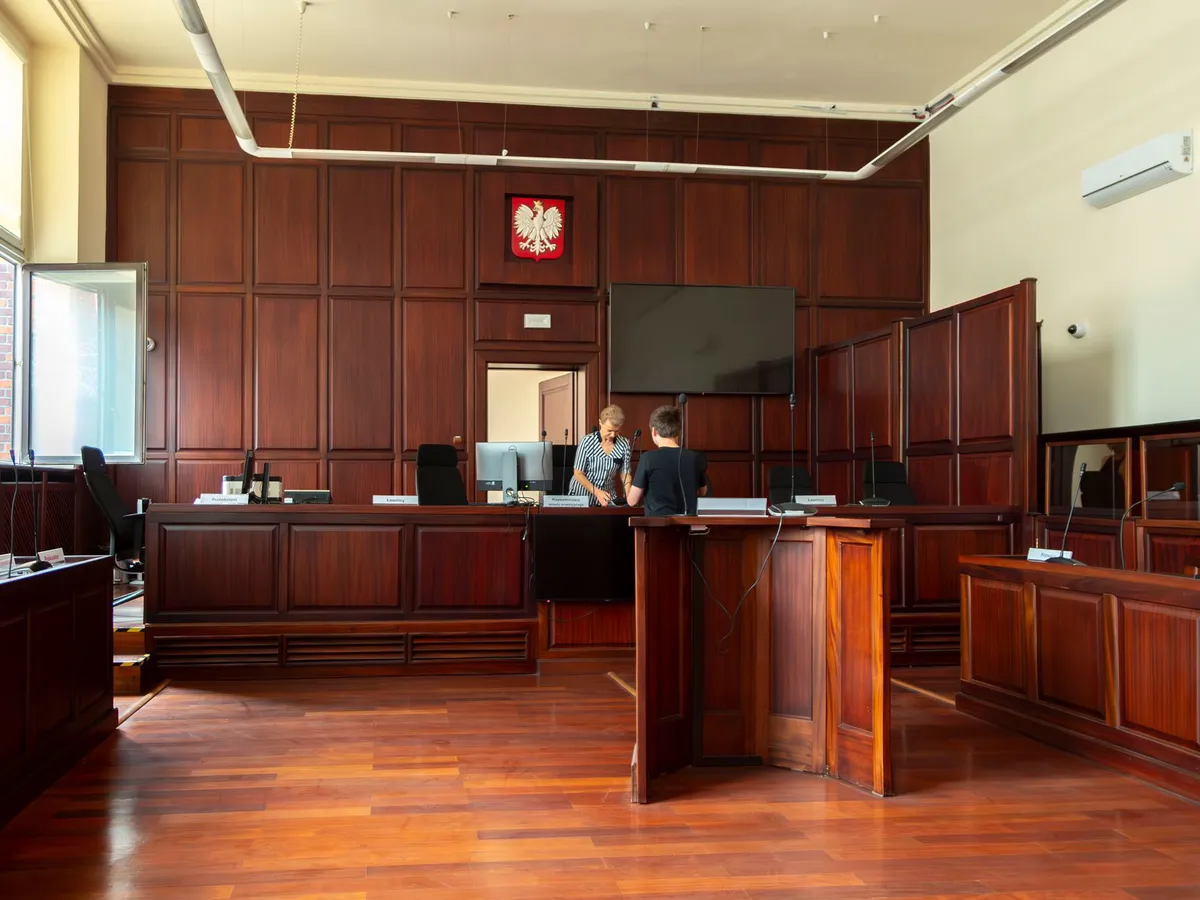
The Background of the Legal Dispute
This legal saga began in 2018, amid a razor-thin election that initially saw Waters losing to Ozawa by just 22 votes. A subsequent ruling by the state Supreme Court voided that election due to issues with absentee ballots, necessitating a special election in April 2019, where Waters was ultimately victorious. However, the circumstances surrounding his swearing-in have since become a focal point for legal interpretation.
Election Law Procedures
The path to the Supreme Court involved various legal challenges, most notably a lawsuit initiated by Ozawa, who sought a declaratory judgment regarding Waters' eligibility. The court ultimately ruled Ozawa's approach was procedurally improper, highlighting the importance of following specific election law protocols in challenging a candidate's eligibility.
Moreover, the court's ruling came on the heels of a state court's decision declaring Waters ineligible just days before the August primary, creating a complex situation for the Elections Division as ballots had already been printed and mailed. Despite the confusion, Waters managed to garner a significant number of votes, indicating his continued support among constituents.

What This Means for Honolulu Voters and Future Candidates
The decision presents a unique moment for voters in Honolulu, particularly those in District IV, who will be left without a familiar candidate on the ballot. Voters will now need to consider their options carefully as they approach the November election.
For future candidates, the ruling serves as a critical reminder of the importance of understanding local election laws and the implications of term limits. It reinforces the need for aspirants to navigate these regulations with clarity to avoid similar legal pitfalls.
- Know the Rules: Candidates must be well-versed in local election regulations to ensure compliance.
- Understand Term Limits: The interpretation of term limits can vary, and candidates should be prepared for potential legal challenges.
- Engage Voters: Candidates should focus on connecting with their electorate to build support, regardless of legal battles.
Key Takeaways
- The Hawaii Supreme Court ruled that Tommy Waters is ineligible for a third term due to the interpretation of term limits.
- The ruling emphasizes the importance of adhering to established election laws and procedures.
- Voters in District IV will now have to choose between two remaining candidates in the upcoming election.
- This case highlights the intricacies of local election laws in Hawaii and their potential impact on political careers.
Frequently Asked Questions
What are the implications of the court's ruling for Tommy Waters?
The ruling effectively eliminates Tommy Waters' opportunity to run for re-election, marking a significant setback in his political career. It underscores the court's commitment to enforcing term limits as outlined in the Honolulu City Charter, ensuring that councilmembers do not serve beyond the stipulated two consecutive terms.
How does this ruling affect the upcoming election?
The absence of Waters from the ballot will significantly alter the dynamics of the November election for District IV. Voters will now have to choose between the two remaining candidates, Trevor Ozawa and Tara Malia Gregory, who are both looking to capitalize on the political landscape created by Waters' disqualification.
Can Waters challenge the ruling further?
As it stands, the Supreme Court's ruling is final and binding in this matter. Waters can explore other legal avenues, but the likelihood of overturning such a decision at this stage is low. The court's interpretation of the law is typically given deference, making it challenging for candidates to contest similar rulings successfully.
What should voters consider in the upcoming election?
Voters should carefully evaluate the qualifications, positions, and experiences of the remaining candidates, particularly in light of the recent legal controversies. Understanding each candidate's vision for the district and their approach to governance will be crucial in making an informed decision at the polls.
Disclaimer: The content is general information, not legal advice.
Comments
Norway Mourns King Harald V: A Transition to a New Era
The passing of King Harald V has sparked a wave of national mourning in Norway, as the public pays tribute to a beloved monarch. This article explores the implications of his death and the ascension of Crown Prince Haakon to the throne.

Related articles





Popular in Business Law
- Supreme Court Justices' Financial Disclosures: A Closer Look
- Vishal Garg's Leadership Fallout: The Rise and Fall of Better.com
- Former Intelligence Official Faces Penalty for Post-Government Misconduct
- Blank Rome Faces Lawsuit After Major Data Breach Exposes Personal Information
- Congress Faces Reckoning Over Member-Staff Relationships