5th Circuit Rethinks Standards for Online Copyright Infringement Claims
The recent decision by the 5th Circuit Court of Appeals has significant implications for online copyright infringement standards. By setting aside a previous server test, the court emphasizes the need for clearer guidelines in the digital age.
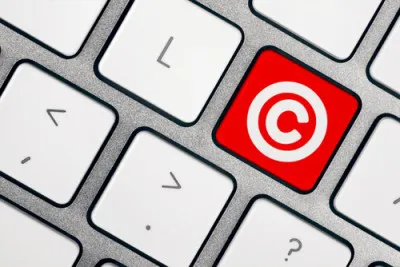
In a landmark ruling that has the potential to reshape the landscape of online copyright infringement law, the 5th Circuit Court of Appeals has recently set aside a controversial server test previously used to determine liability in such cases. This decision underscores the challenges courts face in adapting legal standards to the realities of modern digital content distribution, which has grown exponentially over the last two decades. As the internet has transformed how music, art, and literature are shared and consumed, the legal framework surrounding copyright infringement must also evolve to ensure fair and consistent application of the law.
The ruling not only impacts copyright holders and online platforms but also raises critical questions about user responsibility, content sharing, and the balance between protecting intellectual property and fostering innovation in the digital marketplace. As we delve deeper into the implications of this decision, it is essential to understand the previous legal standards, the nuances of the court's ruling, and what this means for all stakeholders involved.
Understanding the Previous Server Test
Historically, the server test emerged as a method for determining liability in online copyright infringement cases. Under this test, a website or platform could be held responsible for infringement if it was found to be hosting infringing content on its servers. This approach created a landscape where online platforms were often overly cautious, leading to stringent content moderation practices to avoid potential legal repercussions.
Implications of the Server Test
- Chilling Effect on Innovation: Many platforms opted to restrict user-generated content to sidestep liability, stifling creativity and depriving users of sharing their work.
- Inconsistent Enforcement: The server test led to discrepancies in how different courts interpreted the standard, resulting in a patchwork of legal outcomes across jurisdictions.
- Overburdened Moderation Systems: Platforms faced significant pressure to monitor and remove potentially infringing content, often leading to errors and the removal of legitimate works.

The 5th Circuit's Ruling Explained
In its recent decision, the 5th Circuit overturned the reliance on the server test, arguing that it did not adequately reflect the complexities of digital content distribution. The court highlighted the need for a nuanced approach that takes into account the varying levels of control and knowledge that online platforms have over user-generated content.
Key Elements of the Ruling
The court's ruling emphasized several critical factors:
- Knowledge and Control: Liability should hinge on the platform's knowledge of infringement and the degree of control it exerts over the content being shared.
- Fair Use Considerations: The decision reinforced the importance of evaluating fair use defenses, acknowledging that not all content sharing constitutes infringement.
- Encouraging Responsible Behavior: The ruling aims to promote responsible content sharing while still protecting copyright holders' rights.
Who Will Be Affected?
The implications of the 5th Circuit's decision extend far beyond just legal circles. Several key stakeholders will bear the impact of this ruling:
Content Creators
Artists, musicians, and writers who create original content will benefit from a legal framework that more accurately reflects their rights. This ruling may provide them with better avenues for addressing infringement without facing overly broad restrictions on content sharing.
Online Platforms
Websites and social media platforms will need to reassess their content moderation practices. The ruling encourages a more balanced approach where platforms can foster creativity while still addressing copyright concerns effectively.
Users
Everyday users who share and consume content online will likely find themselves in a more permissive environment that recognizes the nuances of sharing and creativity. However, they must remain aware of the copyright implications of their actions.

What Comes Next? Legal and Market Implications
As the dust settles from this pivotal ruling, the legal landscape surrounding copyright infringement in the digital realm is poised for transformation. Legal experts anticipate that this decision may lead to further litigation as courts seek to define new standards and best practices in the wake of the 5th Circuit's ruling.
Potential Changes in Legislation
Lawmakers may also take notice of the 5th Circuit’s ruling and seek to introduce new legislation that clarifies liability standards for online platforms. This could lead to more defined roles and responsibilities for tech companies regarding content moderation and copyright enforcement.
Impact on Content Sharing Culture
A more balanced approach to copyright enforcement may invigorate a culture of sharing and collaboration online. As platforms implement new policies informed by the ruling, we could see a resurgence in user-generated content and creativity.
Key Takeaways
- The 5th Circuit has set aside the server test for copyright infringement claims.
- The ruling emphasizes knowledge and control over user-generated content.
- Content creators, online platforms, and users will be significantly affected.
- Future legislation may emerge to clarify new standards.
Frequently Asked Questions
What is the server test for copyright infringement?
The server test was a legal standard used to determine liability for copyright infringement based on whether infringing content was hosted on a platform's servers. It often led to overly cautious moderation practices and inconsistencies in legal outcomes.
How does the 5th Circuit ruling change the landscape for online platforms?
By setting aside the server test, the 5th Circuit ruling enables online platforms to adopt a more nuanced approach to content moderation. Platforms are now encouraged to consider their level of knowledge and control over the content, potentially reducing the chilling effects on user-generated content.
What should content creators do in light of this ruling?
Content creators should stay informed about the implications of this ruling on their rights and responsibilities. They may find greater protection for their original works while enjoying a more vibrant online sharing culture.
Is this ruling likely to lead to changes in copyright law?
Yes, the 5th Circuit's decision may prompt lawmakers to introduce new legislation that clarifies liability standards for online platforms, potentially reshaping the legal framework governing online copyright infringement.
This content is general information, not legal advice.
Comments
Norway Mourns King Harald V: A Transition to a New Era
The passing of King Harald V has sparked a wave of national mourning in Norway, as the public pays tribute to a beloved monarch. This article explores the implications of his death and the ascension of Crown Prince Haakon to the throne.
Related articles



Popular in Business Law
- Supreme Court Justices' Financial Disclosures: A Closer Look
- Vishal Garg's Leadership Fallout: The Rise and Fall of Better.com
- Former Intelligence Official Faces Penalty for Post-Government Misconduct
- Blank Rome Faces Lawsuit After Major Data Breach Exposes Personal Information
- Congress Faces Reckoning Over Member-Staff Relationships