DNC Sues DOJ Over Ballot Seizure Plans Amid Midterm Elections Concerns
The Democratic National Committee has filed a lawsuit against the Department of Justice, seeking transparency on potential ballot and voting machine seizures ahead of the midterms. This legal battle underscores rising tensions surrounding election integrity and government oversight.
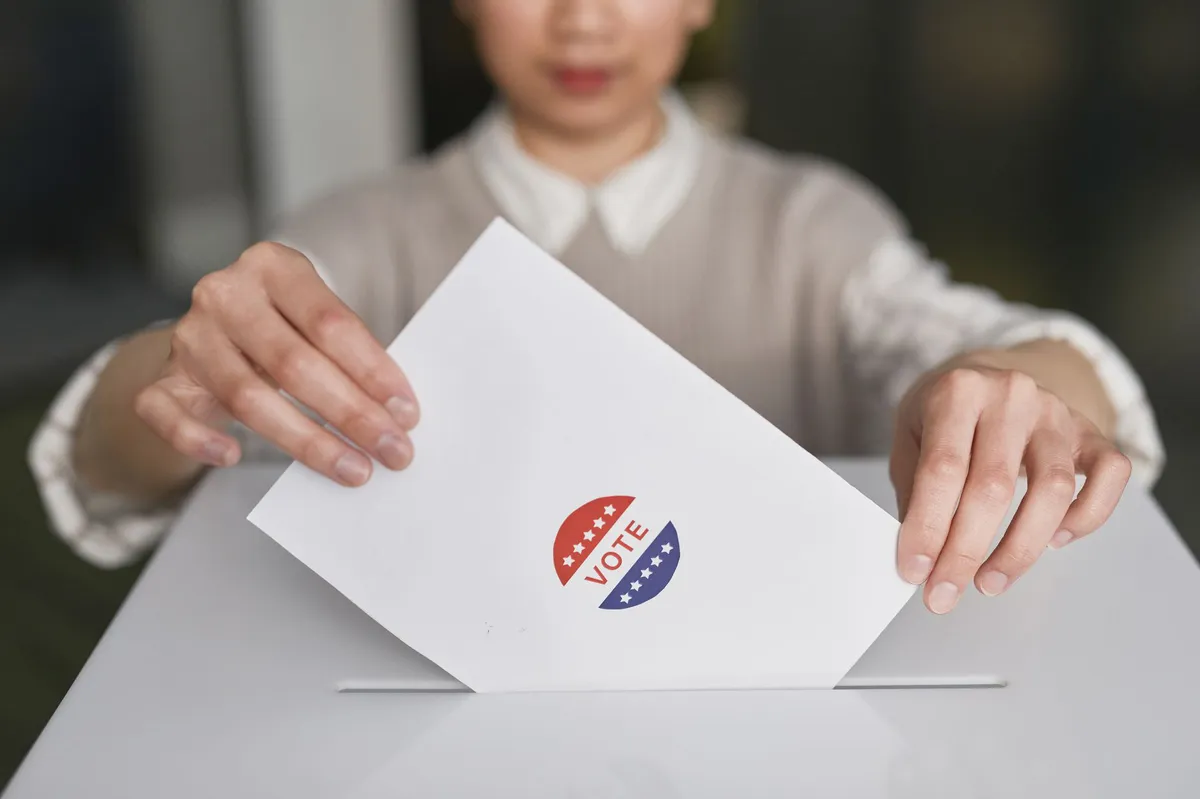
As the nation gears up for the crucial midterm elections, tensions between political parties and government agencies are reaching a boiling point. The Democratic National Committee (DNC) has taken a significant legal step by filing a lawsuit against the Department of Justice (DOJ), seeking disclosure of any plans to seize ballots, voting machines, and other election-related materials. This lawsuit highlights deep concerns about election integrity and the potential for governmental overreach in the electoral process.
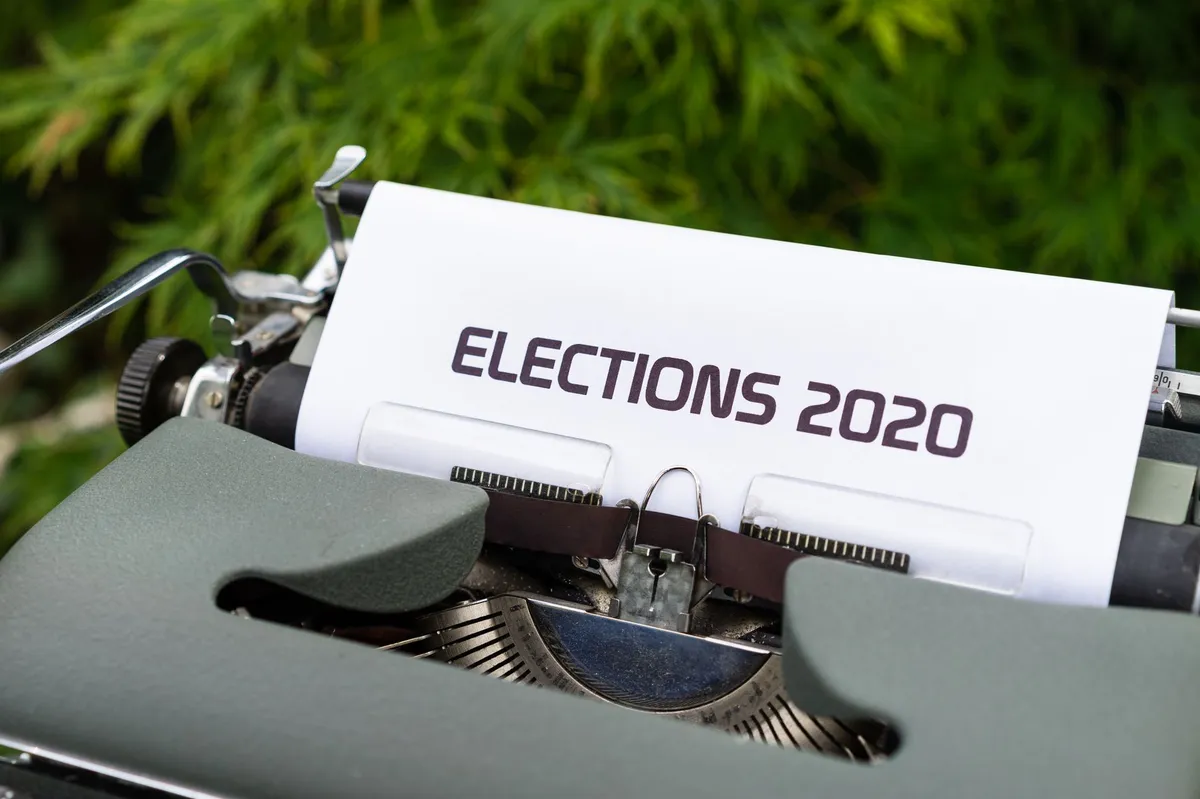
The DNC's lawsuit, filed in the U.S. District Court for the District of Columbia, stems from the DOJ's refusal to comply with a Freedom of Information Act (FOIA) request submitted by the DNC regarding plans related to ballot seizures. The initial request was made on February 6, following a controversial FBI raid on the Fulton County election office on January 28, where agents seized a substantial number of ballots from the 2020 election.
The Context of the DNC's Legal Action
The backdrop of this lawsuit is marked by significant political turmoil and mistrust surrounding election processes in the United States. The FBI's actions in Fulton County, which were purportedly aimed at substantiating former President Donald Trump's unproven claims of election fraud, have raised alarms. The DNC argues that the seizure of these ballots not only undermines the integrity of the electoral system but also poses a threat to voters' rights. According to the DNC, such actions could prevent election officials from certifying results, thus jeopardizing the democratic process.
The DNC's complaint emphasizes the need for transparency and accountability from the DOJ, particularly in light of the FBI's reluctance to provide requested documents. Nearly five months after the FOIA request, the DNC received no responsive documents, prompting them to seek judicial intervention to enforce compliance with FOIA regulations. The FBI's response to the DNC's FOIA request claimed that it was “too vague,” and later, the agency closed the request administratively without producing any documents.
The Implications of Government Seizures on Elections
The DNC's lawsuit raises critical questions about the implications of government seizures on electoral integrity. The party contends that seizing ballots or voting systems components before the certification of an election can have profound effects on election security. Such actions could lead to confusion among voters, hinder the certification process, and potentially infringe upon First Amendment rights.
Legal Precedents and Election Integrity
Legal experts point out that the DNC's concerns echo broader issues in the electoral landscape. Historically, accusations of election fraud and subsequent government investigations have often led to allegations of voter suppression and intimidation. The DNC's complaint highlights recent actions by the DOJ that appear to target voter rolls and threaten legal action against state officials for allowing noncitizens to remain on voter lists. These actions have prompted legal challenges and accusations of the creation of a national voter database, raising alarms among civil rights advocates.
Challenges Faced by the DNC
The DNC's ongoing struggle to obtain information from the DOJ reflects a broader trend in government transparency. Despite the party's efforts to engage with the FBI through its public liaison, the agency has largely resisted collaboration, limiting the DNC's ability to clarify its requests. The DNC's appeal process has also been stalled, leaving the party without crucial information just months before the midterm elections.
The DNC's Chair, Ken Martin, has publicly condemned these actions, asserting that they represent an attempt to undermine democratic elections. He stated, "Donald Trump is historically unpopular and doing everything he can to subvert our elections this November — which is why we’re suing his administration once again." This sentiment underscores the urgency with which the DNC views the current political climate.
Why This Matters for Voters
The outcome of this lawsuit and the broader implications of government actions related to elections are of vital importance to American voters. As citizens prepare for the midterm elections, the potential for ballot seizures raises concerns about the transparency and fairness of the electoral process. Voters must be aware of their rights and the legal protections in place to safeguard those rights.
- Understanding Ballot Integrity: Voters should be informed about what constitutes a fair election and how their votes are counted.
- Legal Protections: Familiarize yourself with the laws protecting voter rights, including the National Voter Registration Act.
- Engagement with Local Officials: Stay in touch with local election officials to understand any changes or challenges that may arise in the electoral process.
Key Takeaways
- The DNC has filed a lawsuit against the DOJ for failing to comply with a FOIA request regarding ballot seizure plans.
- Concerns over election integrity and government overreach are at the forefront of this legal battle.
- Voters must remain vigilant about their rights and the electoral process as midterm elections approach.
- The implications of this lawsuit extend beyond the DNC, impacting all American voters concerned about election fairness.
Frequently Asked Questions
What specific actions led to the DNC's lawsuit against the DOJ?
The DNC's lawsuit was prompted by the DOJ's refusal to provide documents related to any plans for seizing ballots and voting machines, particularly following an FBI raid on the Fulton County election office. The DNC contends that such actions threaten the integrity of upcoming elections and have not been adequately justified by the DOJ.
How does the Freedom of Information Act (FOIA) work in this context?
FOIA is a federal law that allows individuals to request access to records from any federal agency. In this case, the DNC invoked FOIA to seek transparency from the DOJ regarding its election-related activities. When agencies fail to comply, as the DNC alleges in this instance, they can be taken to court to enforce compliance.
What are the potential consequences of the DOJ's actions on the upcoming midterm elections?
The DOJ's actions, particularly any potential ballot seizures, could severely impact the certification of election results, leading to confusion and mistrust among voters. If ballots or voting equipment are seized before elections are certified, it could hinder election officials' ability to confirm results, thus undermining the democratic process.
What steps can voters take to protect their rights during elections?
Voters can educate themselves about their rights under federal and state law, stay informed about any changes to voting processes, and engage with local election officials. Additionally, voting advocacy groups can provide resources and support to ensure that voters' rights are upheld throughout the electoral process.
Disclaimer: This content is general information, not legal advice.
Comments
Revival of $6.7 Billion Lawsuit Against Bristol Myers: What You Need to Know
A federal appeals court has reinstated a massive $6.7 billion lawsuit against Bristol Myers Squibb, accused of delaying drug approvals that cost Celgene shareholders. This article delves into the implications of the ruling and its significance for investors and the pharmaceutical industry.

Related articles




Popular in Business Law
- Supreme Court Justices' Financial Disclosures: A Closer Look
- Vishal Garg's Leadership Fallout: The Rise and Fall of Better.com
- Former Intelligence Official Faces Penalty for Post-Government Misconduct
- Blank Rome Faces Lawsuit After Major Data Breach Exposes Personal Information
- Congress Faces Reckoning Over Member-Staff Relationships