Ohio Judge Suspended Amid Allegations of Misconduct
A judge in Ohio faces suspension following 17 alleged violations of conduct, including a troubling failure to disclose a family connection in his courtroom. The implications of this case highlight the importance of accountability in the judiciary.

In a significant development in the realm of judicial accountability, Ohio Judge Jon Ickes has been suspended amid serious allegations of misconduct. The suspension, which follows 17 alleged violations of conduct, raises pressing questions about the integrity and transparency of the judicial system. Among the most concerning claims is Ickes' failure to disclose that his stepson appeared in his courtroom, a blatant conflict of interest that undermines public trust in the legal process.
This situation is not just about one judge’s actions; it reflects broader issues within the judiciary that can impact the lives of ordinary citizens. Judges are expected to uphold the law impartially, and violations of conduct can erode the foundational principles of justice. The implications of Ickes’ suspension extend beyond his courtroom, prompting discussions on judicial ethics and the mechanisms in place to enforce standards of conduct.
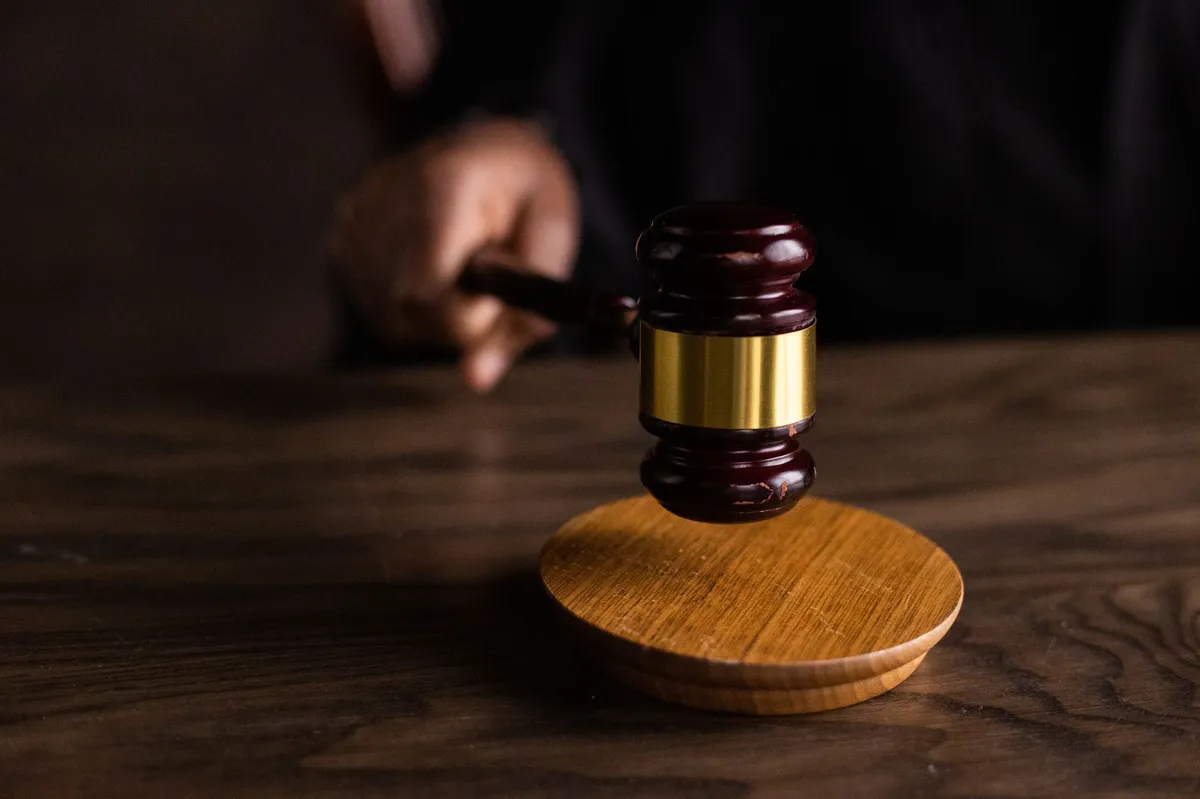
Understanding Judicial Conduct Violations
Judicial conduct violations encompass a range of behaviors that can compromise the integrity of the court system. These violations can include:
- Failure to Disclose Conflicts of Interest: Judges must recuse themselves from cases where they have a personal or familial interest, as in Ickes' failure to disclose his stepson’s involvement.
- Inappropriate Behavior: This can involve anything from rude behavior toward litigants to unethical relationships with attorneys.
- Bias or Prejudice: Judges are required to remain impartial and avoid any appearance of bias in their rulings.
Each of these violations can have serious consequences for the parties involved, including wrongful judgments and a loss of confidence in the legal system.

The Consequences of Misconduct
The ramifications of judicial misconduct are profound. When a judge is found to have acted inappropriately, it can lead to appeals, retrials, and a significant waste of judicial resources. Additionally, cases like that of Judge Ickes can prompt public outcry and demands for reform within the legal system. The suspension of a judge is often a precursor to further disciplinary actions, which can include:
- Formal Investigations: Depending on the severity of the allegations, a formal investigation may be launched.
- Impeachment Proceedings: In extreme cases, judges may face impeachment, a process that can remove them from office.
- Loss of Licensure: Judges may lose their ability to practice law if found guilty of serious violations.
Such outcomes serve as a warning to all members of the judiciary about the importance of ethical conduct and transparency.

The Importance of Transparency in the Judiciary
Transparency is a cornerstone of a fair judicial system. The public must trust that judges will act without bias and uphold the law impartially. When judges fail to disclose conflicts of interest, they not only damage their reputation but also undermine public confidence in the entire judicial system. The case of Judge Ickes exemplifies the need for strict adherence to ethical guidelines and the consequences that can arise when these standards are not met.
Moreover, this case highlights the role of oversight bodies, such as state judicial conduct commissions, which are tasked with investigating allegations of misconduct and ensuring accountability among judges. Their role is vital in maintaining the integrity of the judiciary and protecting the rights of all individuals who seek justice.
Public Reaction and Calls for Reform
The suspension of Judge Ickes has sparked significant public interest and concern. Many citizens are calling for greater reforms in how judicial conduct is monitored and addressed. The public's trust in the judicial system is paramount; when judges act improperly, it not only affects individual cases but also fosters a long-term distrust in the legal system.
Calls for reform may include:
- Increased Training: Judges should undergo regular training on ethical standards and conflict of interest rules.
- Enhanced Reporting Mechanisms: There should be clear channels for reporting misconduct, ensuring that complaints are taken seriously and investigated promptly.
- Public Awareness Campaigns: Educating the public about judicial ethics can empower citizens to hold judges accountable.
These reforms could help restore faith in the judiciary and prevent future instances of misconduct.
Key Takeaways
- Judge Jon Ickes has been suspended for 17 alleged violations of judicial conduct.
- Failure to disclose conflicts of interest can lead to a loss of public trust in the legal system.
- Judicial misconduct can result in formal investigations, impeachment, and loss of licensure.
- Transparency and accountability are critical to maintaining integrity in the judiciary.
- Public calls for reform underscore the need for better oversight and ethical training for judges.
Frequently Asked Questions
What constitutes a judicial conduct violation?
A judicial conduct violation occurs when a judge fails to adhere to established ethical standards, such as showing bias, failing to disclose conflicts of interest, or engaging in inappropriate behavior. These violations can lead to disciplinary actions and affect a judge's ability to serve.
How does the disciplinary process for judges work?
The disciplinary process typically begins with a complaint against a judge, which is investigated by a state judicial conduct commission. If the allegations are substantiated, the commission can recommend sanctions ranging from reprimands to removal from office. The process aims to ensure that judges adhere to ethical standards and maintain public trust.
What are the potential outcomes of a judge's misconduct?
Outcomes can vary depending on the severity of the misconduct. Possible consequences include formal reprimands, suspensions, or removal from the bench. In serious cases, judges may also face criminal charges or civil lawsuits, further complicating their legal standing.
How can the public report judicial misconduct?
Members of the public can report judicial misconduct by contacting their state’s judicial conduct commission. Most commissions provide a process for submitting complaints, which can often be done online or via mail. It’s important for citizens to understand that their complaints will be taken seriously and investigated thoroughly.
Disclaimer: The content provided is general information and not legal advice.
Comments
Revival of $6.7 Billion Lawsuit Against Bristol Myers: What You Need to Know
A federal appeals court has reinstated a massive $6.7 billion lawsuit against Bristol Myers Squibb, accused of delaying drug approvals that cost Celgene shareholders. This article delves into the implications of the ruling and its significance for investors and the pharmaceutical industry.

Related articles





Popular in Business Law
- Supreme Court Justices' Financial Disclosures: A Closer Look
- Vishal Garg's Leadership Fallout: The Rise and Fall of Better.com
- Former Intelligence Official Faces Penalty for Post-Government Misconduct
- Blank Rome Faces Lawsuit After Major Data Breach Exposes Personal Information
- Congress Faces Reckoning Over Member-Staff Relationships